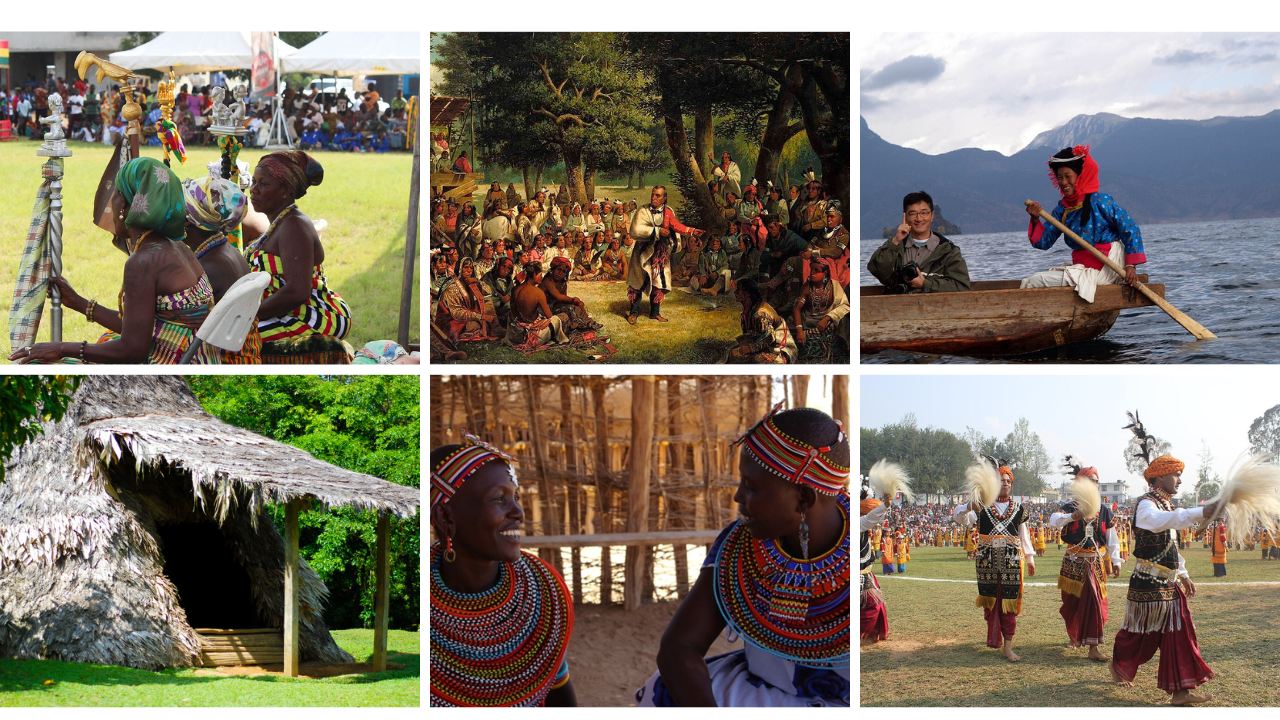
Across continents and centuries, some communities quietly centered power, land, and kinship around mothers, aunties, and grandmothers. Anthropologists often label them matrilineal rather than strictly ruled by women, yet maternal lines clearly set the rules. Many were squeezed by empire, mission schools, and modern property law, but they survived in stories, rituals, and daily habits. Remembering them does not turn back time; it simply widens what feels possible inside a family, a village, or a nation. Each of these societies offers a different way to imagine authority.
The Mosuo Around Lugu Lake
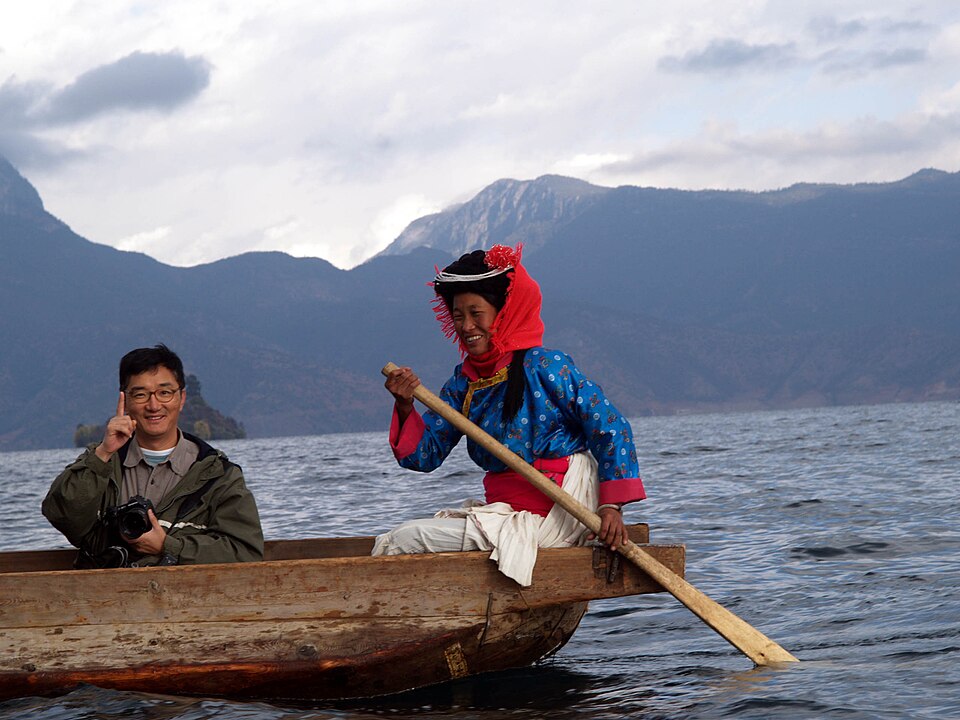
Around Lugu Lake in southwest China, Mosuo families still gather under the authority of an elder woman who controls the storeroom keys and major household choices. Children grow up in their mother’s home, surrounded by uncles who share work and guidance. Romantic partners usually live apart, so obligations stay anchored in the maternal household rather than a couple. What outsiders read as unusual becomes, in practice, a stable web of aunties, cousins, and siblings caring for one another.
Minangkabau Villages Of West Sumatra
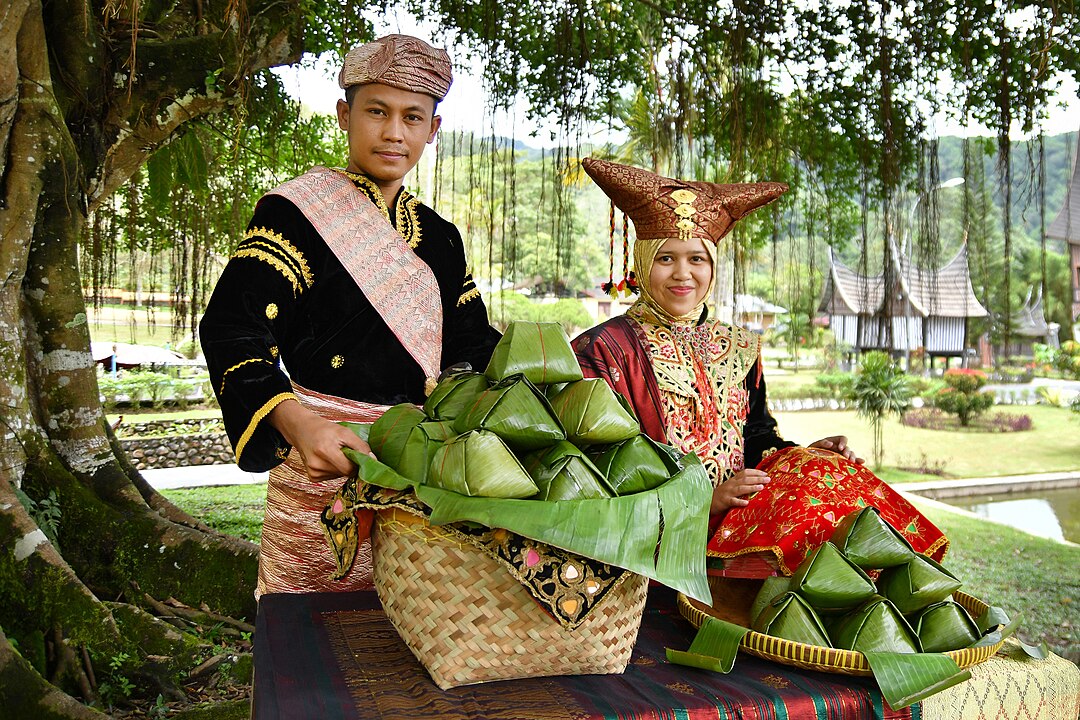
In West Sumatra, Minangkabau villages long tied their identity to houses, rice fields, and heirlooms passed from mother to daughter. Husbands were often described as night guests, expected to support their sisters’ children as much as their own. Everyday authority belonged to senior women who managed land and negotiated conflicts inside the clan. Even as education and migration pull young people toward cities, the idea that a family line rests on its women still shapes local pride.
Khasi Matriliny In Meghalaya
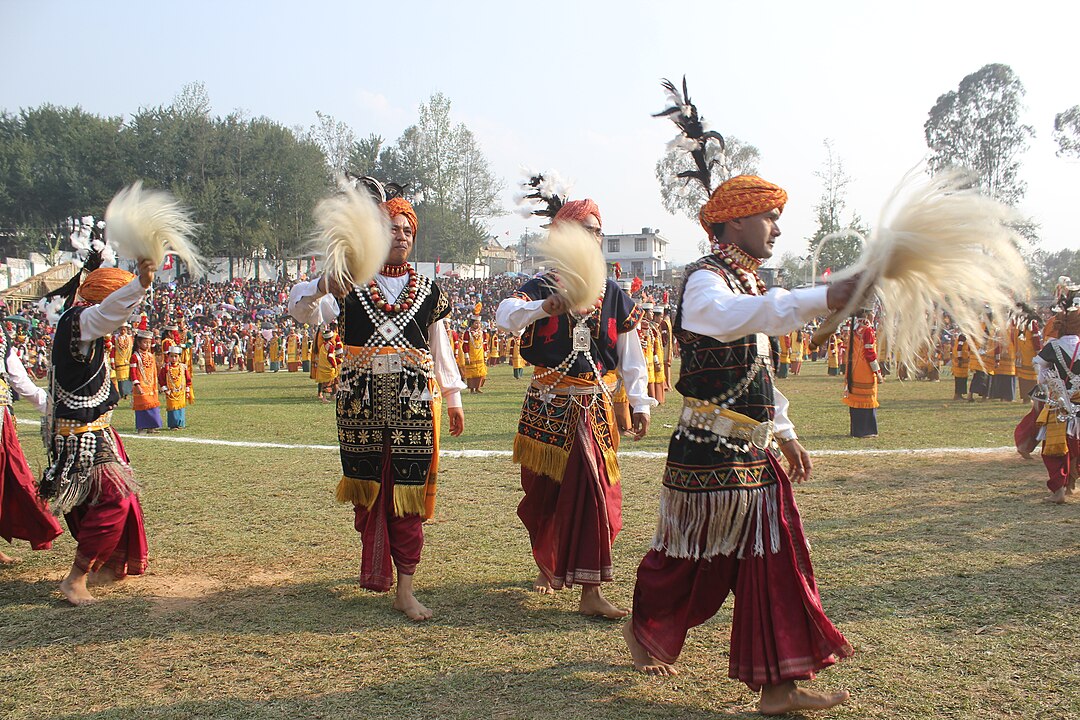
In Meghalaya’s rain washed hills, Khasi families organize around the youngest daughter, who inherits the ancestral home and responsibility for aging parents. Children carry their mother’s clan name, and uncles traditionally play a strong role in mentoring them. Markets crowded with women traders echo that same confidence in female responsibility. Urban work, new laws, and church rules now complicate the pattern, yet many still talk about a society where mothers quietly hold the center.
Bribri Communities Of Talamanca

Among the Bribri of Costa Rica’s Talamanca region, descent and land rights traditionally follow the mother’s clan. Daughters inherit key plots, while sons marry out and support new households through labor and trade. Women also hold ritual authority around cacao, preparing sacred drinks for ceremonies that stitch community and forest together. Centuries of pressure from settlers and companies damaged this balance, but Bribri women remain at the front of land defense and cultural revival.
Tuareg Camps Across The Sahara
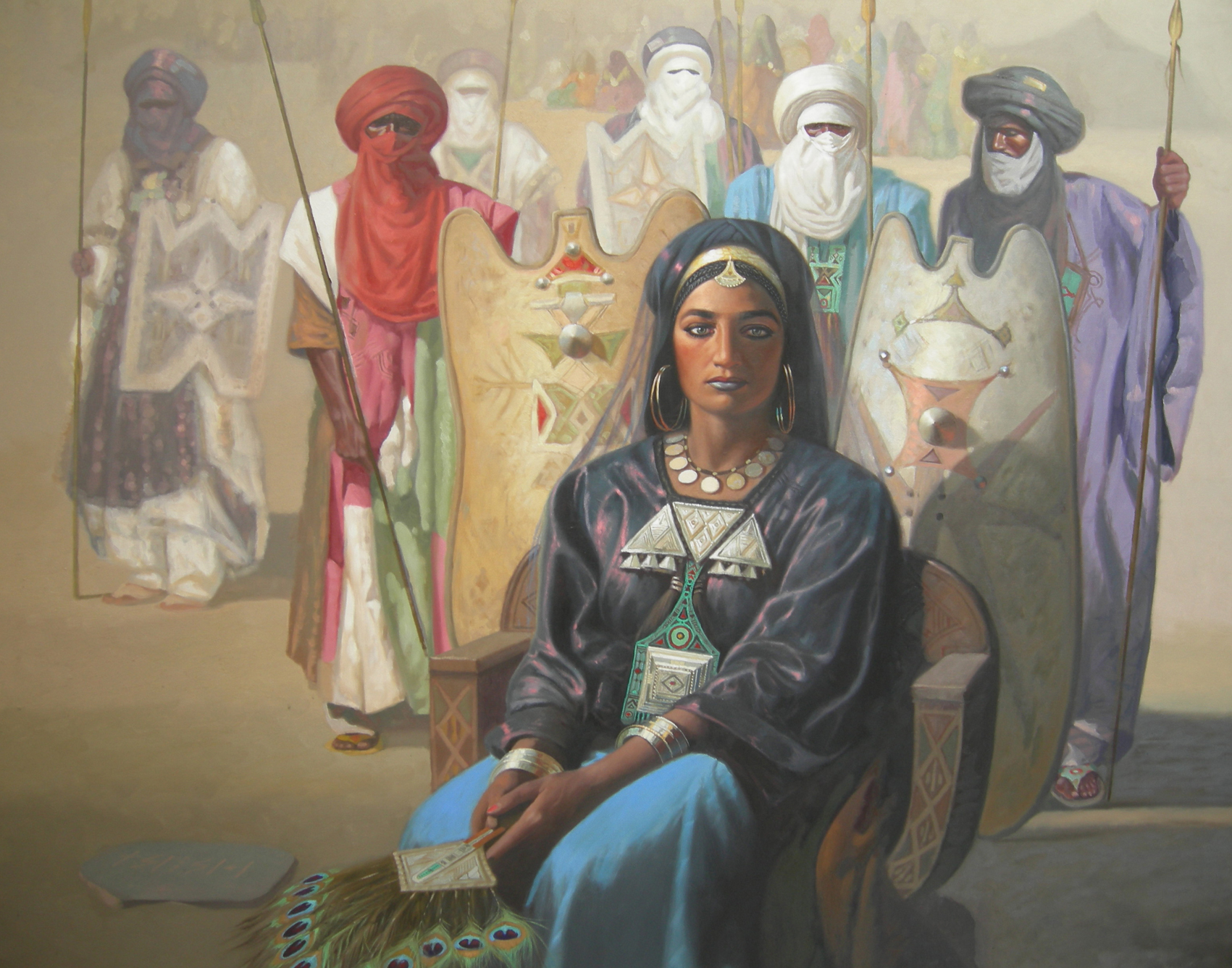
Across the central Sahara, Tuareg life gave women a quiet but decisive hold over tents, household goods, and many livestock herds. Lineage runs through mothers, and children belong to their mother’s clan, even when fathers travel with caravans or join distant armies. Women compose sharp praise poems, accept or reject suitors, and move freely in public while veiled men guard their own honor. Drought, conflict, and borders strain this system, yet female autonomy still leaves a strong imprint.
Akan Queen Mothers In West Africa
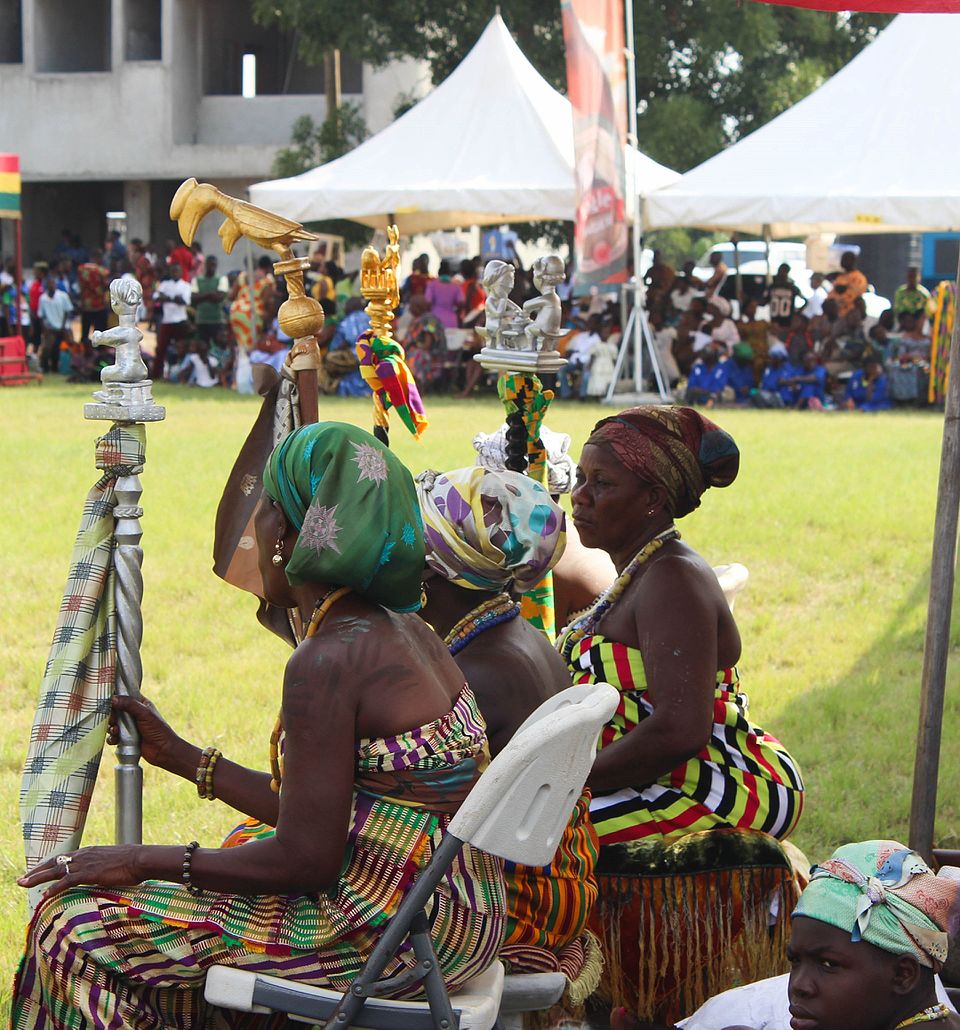
In Akan communities of Ghana and Ivory Coast, royal and common families alike trace descent through a mother’s line. Queen mothers help select chiefs, advise them, and can demand their removal when they fail in their duties. Land decisions and inheritance often pass through sisters, aunties, and nieces who mediate disputes inside the lineage. Colonial rule weakened many of these offices, yet in towns and villages today, queen mothers still organize charity drives, councils, and youth mentoring.
Haudenosaunee Clan Mothers
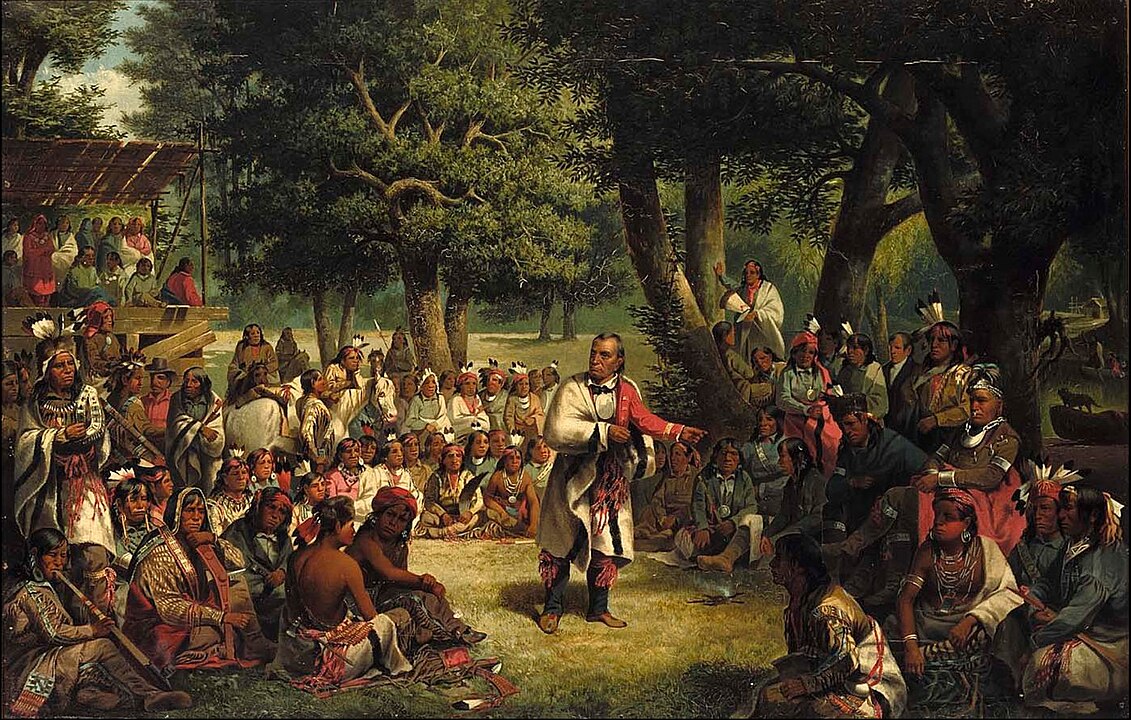
Within the Haudenosaunee Confederacy of northeastern North America, clan mothers serve as guardians of names, titles, and political balance. They choose male chiefs, remind them of their responsibilities, and can revoke that power when leaders grow arrogant or neglectful. Lineage follows women, and related mothers and daughters once shared longhouses, raising children together. Boarding schools and land seizures shook that structure, yet clan mothers still speak for tradition in modern councils.
Umoja, Kenya’s Village Without Men
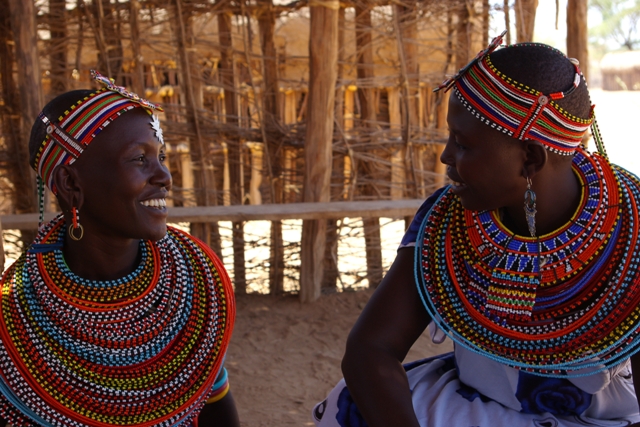
Umoja village in northern Kenya began as a refuge where Samburu women fleeing violence, forced marriage, and genital cutting could live beyond male control. Residents banned men from settling there and built a small economy around beadwork stalls and a basic campsite. Decisions are made through women’s meetings that balance survival needs with schooling for children. The village is tiny in population but large in symbolism, a rare example of safety built on shared authority.
Nagovisi Landkeepers Of Bougainville
On Bougainville in the Pacific, Nagovisi women have long been recognized as the true owners of clan land. Gardens, coconut groves, and compensation payments frequently move through their hands, while brothers and husbands act as negotiators rather than masters. During years of conflict over the island’s mine, women used that land based authority to push for ceasefires and community dialogue. Their role shows how control over soil and trees can turn into moral weight during crisis.