Modern homes lean heavily on power strips to handle a growing forest of cables and chargers. It feels practical to plug almost everything into one spot, but some appliances quietly ask far more of the wiring than those slim plastic bars can safely handle. Behind the tidy cords and blinking lights, heat can build, insulation can fail, and a minor shortcut can turn into a major hazard. Knowing which devices need their own wall outlet helps keep rooms calmer, families safer, and quiet routines free from avoidable scares.
Refrigerators

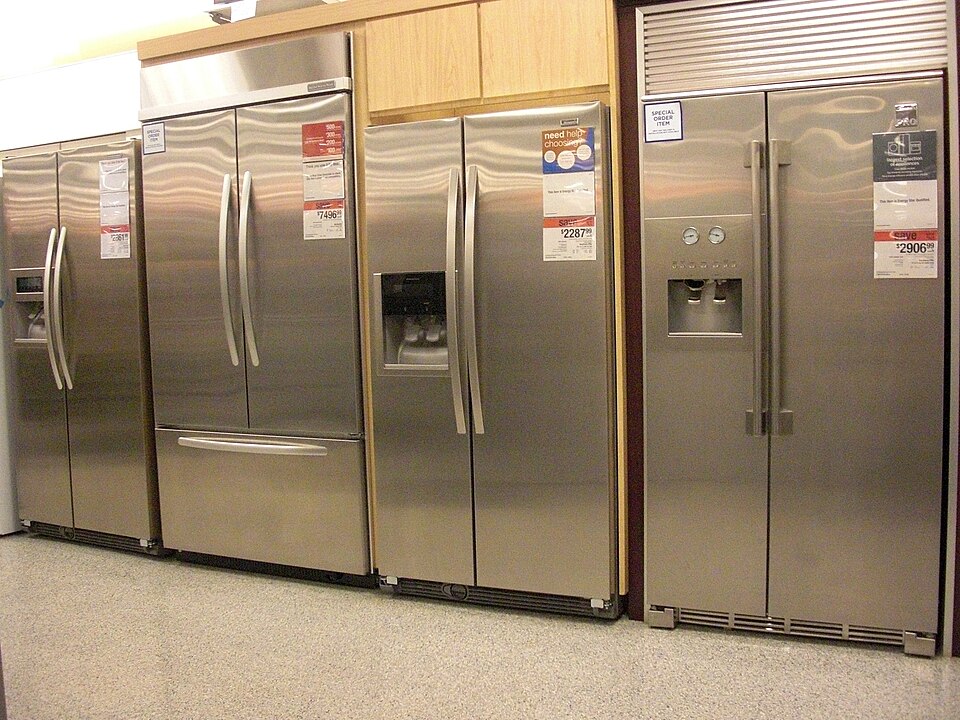
Refrigerators look harmless sitting in the corner, yet their compressors draw heavy bursts of power every time they cycle on. Most power strips are designed for lamps, phone chargers, and small electronics, not a bulky appliance that hums along all day and night. When a refrigerator shares a strip with televisions, routers, or speakers, the combined load can quietly push thin wiring past its limits, building heat in silence. A direct wall outlet, ideally on its own circuit, keeps the fridge, wiring, and food supply far more secure. It may not be dramatic to move one plug, but that tiny change removes a hidden risk from the kitchen.
Air Conditioners

Window and portable air conditioners demand a hard surge of power the moment their motors kick in and fans start spinning. On a power strip, that sudden draw stacks on top of everything else already plugged in, asking thin internal wires to perform far beyond their rating for long stretches. The result is often overheating plastic, a humming strip that feels warm to the touch, or a breaker that trips again and again on busy summer afternoons. On a dedicated wall outlet with the right circuit, the unit runs steadier and the wiring behind the paint stays far better protected. That small change can prevent scorched insulation and costly repairs.
Hair Dryers

Hair dryers are deceptively small for how hard they work, combining heating elements with strong fans in a compact shell. That combination often pulls close to the full capacity of a basic power strip all by itself, even before other grooming gadgets join the outlet. Add a curling iron, straightener, or speaker, and the strip becomes a weak link that can overheat long before anyone notices or smells trouble. Using a protected wall outlet treats the dryer as a real appliance and cuts the chance of scorched plastic and needless morning stress. That way, busy mornings stay about hair, not hidden wiring problems.
Microwaves
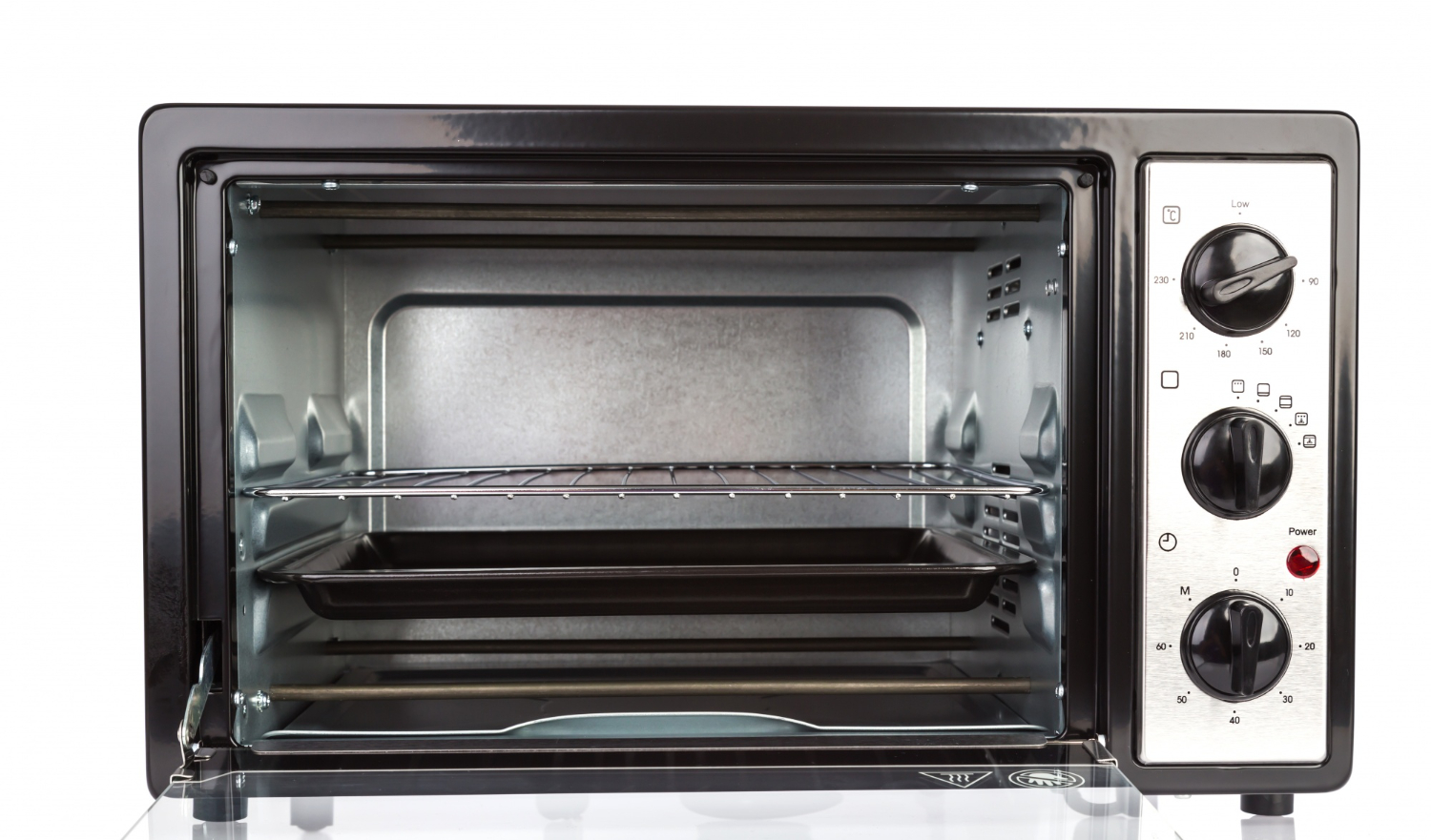
Microwaves sit alongside toasters and coffee makers, so it is tempting to tidy them all onto one strip on a crowded counter. Each time a microwave starts, it draws a sharp burst of power to feed its internal components, often spiking far beyond a lamp or phone charger. When that load runs through a power strip already powering other kitchen gadgets, the wiring can slowly cook, softening insulation from the inside. Using a wall outlet and spreading other hot appliances around the room quietly lowers the risk of melted cords, sparks, and spoiled meals. It may not look as tidy, but it respects the circuit and keeps cooking safer.
Space Heaters
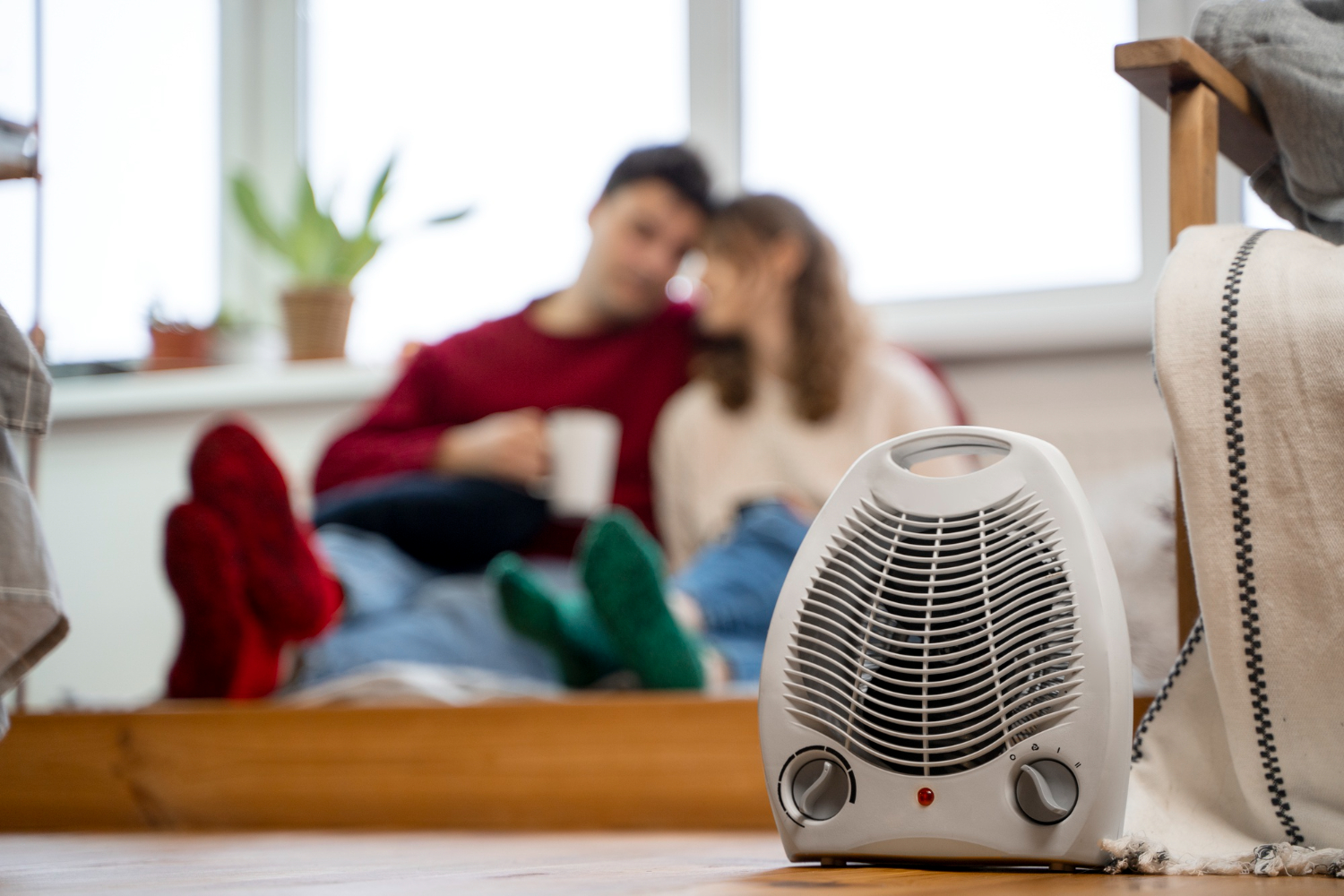
Space heaters concentrate a huge amount of electrical energy into glowing coils or ceramic elements, often using as much power as an entire small room of electronics. Running that kind of load through a power strip turns the strip itself into an unplanned heating device, slowly raising temperatures in the cord, housing, and outlet. In the worst cases, that hidden warmth can climb to the point where plastic deforms or ignites near carpet, curtains, or bedding. Plugging heaters directly into wall outlets and keeping cords fully visible sharply reduces that risk and makes chilly nights far less stressful.
Washer And Dryer
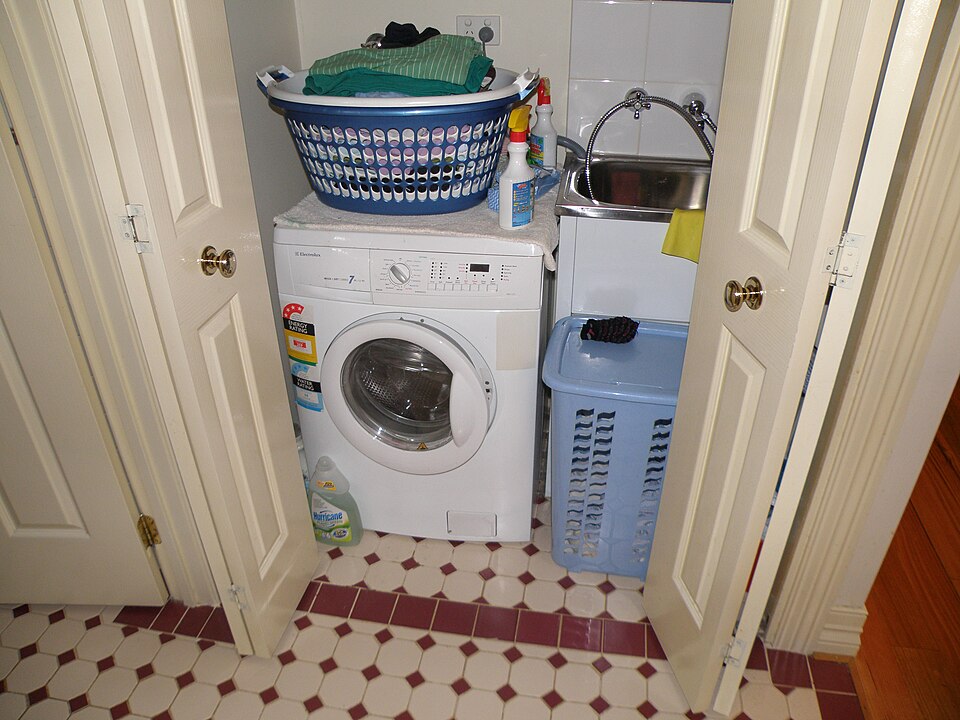
Washers and dryers are among the most demanding appliances in a home, designed with the expectation of dedicated circuits, thick cables, and carefully matched outlets. Routing that load through a power strip undermines what the electrical system was built for, inviting frequent breaker trips, hot extension cords, and premature wear on motors. Heating elements, control boards, and pumps all depend on steady current that flimsy wiring cannot reliably deliver for very long. When each machine connects directly to a correctly rated outlet, laundry cycles finish cleanly and the room behind the wall stays far safer.
Coffee Makers
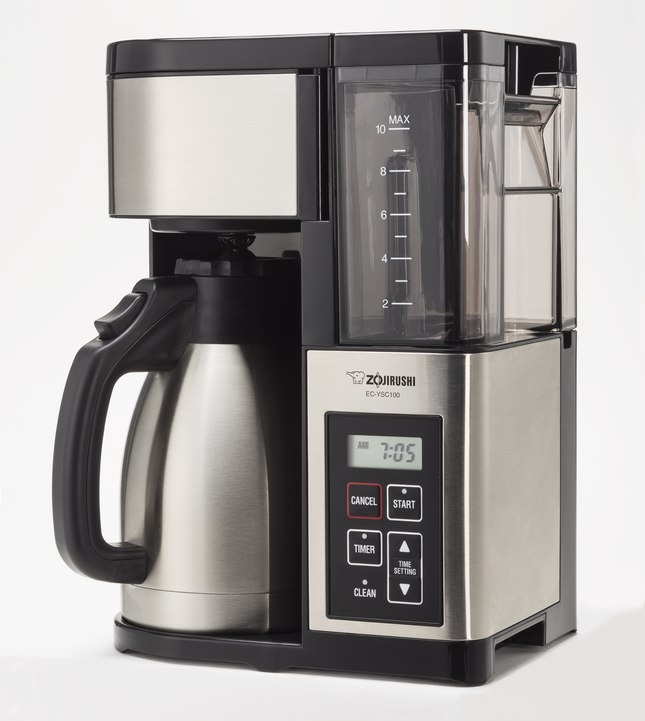
Coffee makers seem simple, but internal heating elements demand a surprising surge of power, especially during the first few moments of brewing. On a power strip, that load often competes with toasters, blenders, or countertop chargers, turning a morning routine into a quiet electrical gamble. Thin internal wiring was never meant to carry heating elements and multiple kitchen devices at the same time, and that strain builds heat long before anything smells burnt. A dedicated wall outlet gives the machine room to work without stressing the strip, keeping mornings as calm as the first cup.
Toasters
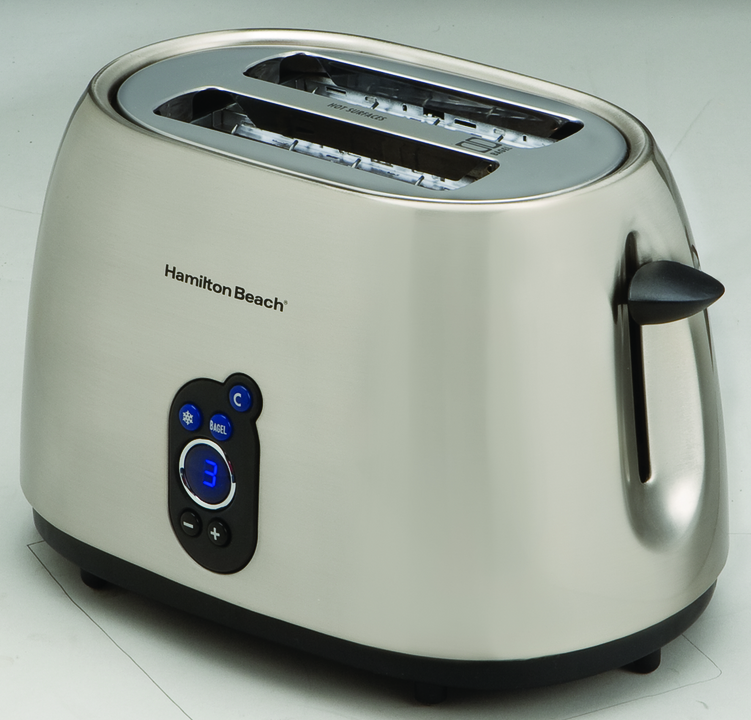
A toaster’s heating coils rely on steady current and sharp bursts of power to warm quickly and evenly. When their cycles run through a power strip already feeding televisions or phone chargers, the strip ends up acting like a bottleneck, pushing heat into wiring that was never designed for it. That extra strain can weaken insulation, melt plastic housings, and raise the fire risk without a single warning. Plugging a toaster into a wall outlet treats it like the real heat-producing appliance it is, not a convenience gadget. It is a small switch that protects wiring and breakfast at the same time.