Social media makes chaos look harmless, especially when it is wrapped in jump cuts, music, and laughing reaction shots. Behind the scenes, police reports and court records tell a quieter story about fear, wasted resources, and lives upended for a few seconds of attention. What feels like a clever stunt to a creator often lands as a threat, an assault, or a serious fraud to everyone else in the frame. When the law steps in, the prank rarely looks funny anymore.
Swatting And Fake Emergency Calls

Swatting takes place when someone makes a false report of a violent crime so that heavily armed officers storm an address on live camera. Families inside are thrown out at gunpoint, neighbors panic, and real emergencies are left waiting while officers respond to fiction. The caller can face serious federal charges, long sentences, and massive restitution. One impulsive call can follow a person for decades in background checks and criminal databases.
Hoax Bomb Threats For Social Clout
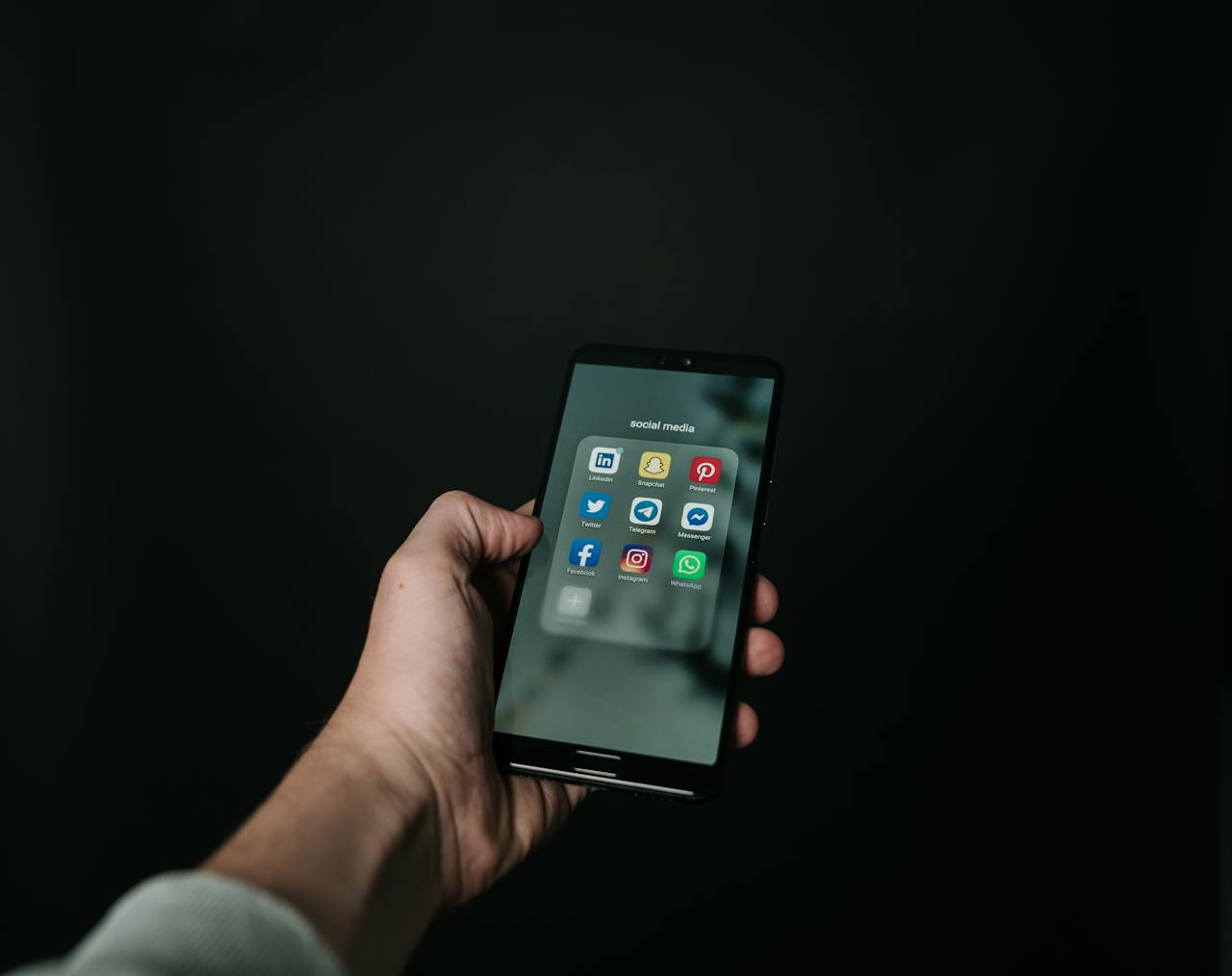
Sending a fake bomb threat through a school portal, airline chat, or anonymous email might feel distant and clever on a phone screen, but every word is treated as real until proven otherwise. Buildings are evacuated, dogs and bomb squads sweep hallways, and entire schedules shut down. Investigators trace digital trails more often than many pranksters expect. Charges can include terroristic threats or public safety offenses, even if no device existed and the message took only a few seconds to type.
Staged Robbery Pranks In Public
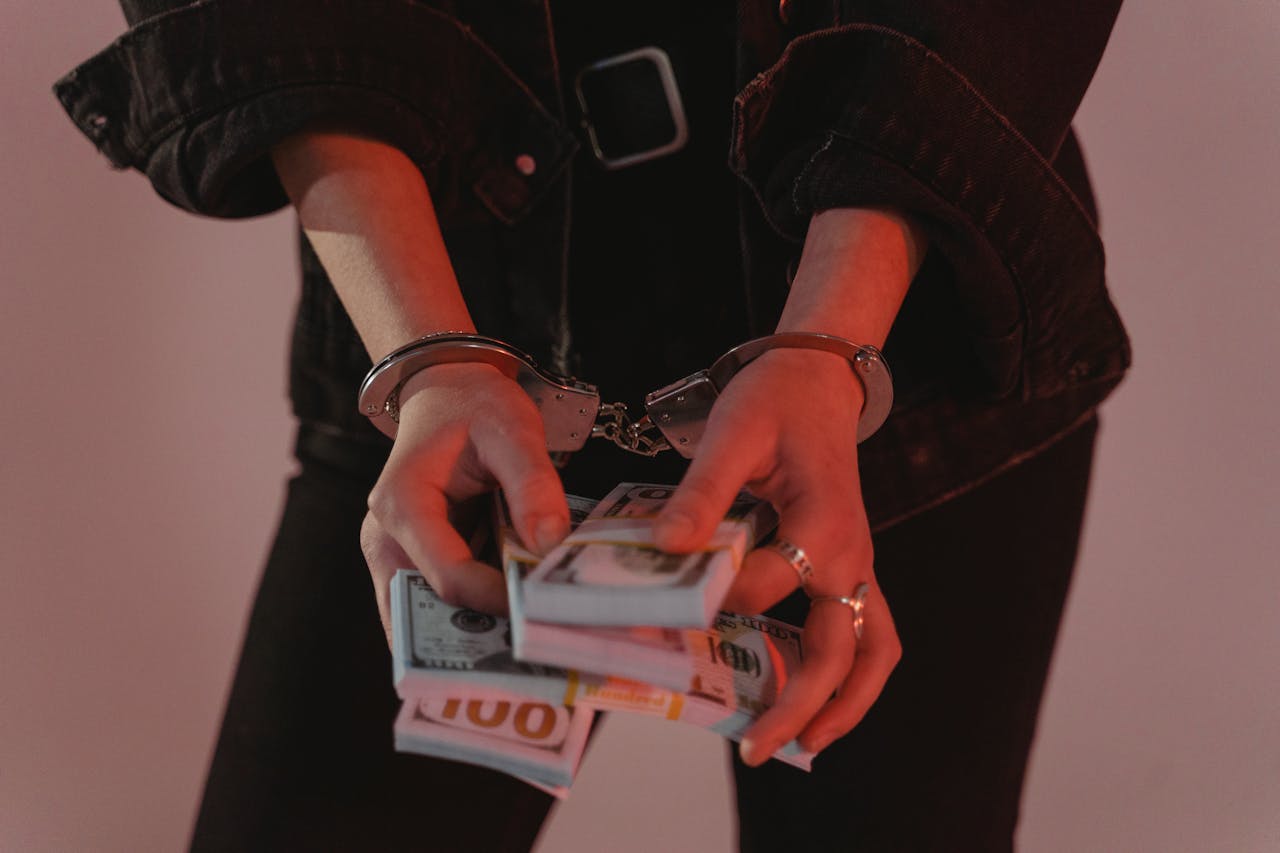
Some creators script fake robberies or store shakedowns, complete with masks, replica weapons, and shouted threats, then film the reactions of terrified bystanders. People nearby only see what looks like a real crime in progress and call the police accordingly. Officers arrive ready for danger, with almost no way to know it is a bit for social media. When prosecutors review the footage, they often see attempted intimidation, incitement of panic, and reckless endangerment, not performance or satire.
Food Tampering Challenges In Stores

Filmed stunts that show people licking ice cream and putting it back, opening sealed packages, or contaminating food in grocery aisles hit a very raw nerve with health authorities. Even if nothing dangerous is actually added, stores may have to discard entire shelves and deep clean, costing thousands. Many regions treat this behavior as food tampering or criminal mischief, and courts have handed down jail time and restitution. A few seconds of filmed sabotage can mark someone as untrustworthy around food for life.
Bio Threat And Coughing “Jokes”

During outbreaks, some prank accounts stage scenes where a person coughs on staff, claims to carry a serious illness, and laughs while others recoil. Security footage then becomes part of an investigation instead of just a viral clip. Prosecutors may treat these acts as assault or harassment, especially when vulnerable workers are targeted. Judges tend to focus on the fear created and the risk to public order, not the supposed comedy. Health scares, even faked ones, are taken very seriously in courtrooms.
Assault Style “Pranks” On Strangers

A growing category of prank content features strangers as unwilling targets for pain or humiliation. Buckets of sticky liquids dumped on commuters, fake stabbings with prop knives, surprise punches in staged brawls, or sudden shoves all look dramatic on camera. For the person on the receiving end, that moment is simply an attack. Once identified, participants can be charged with assault, battery, or harassment, regardless of how many likes the video collected or how many friends insisted it was only a joke.
Fake Kidnappings And Street Panic Videos
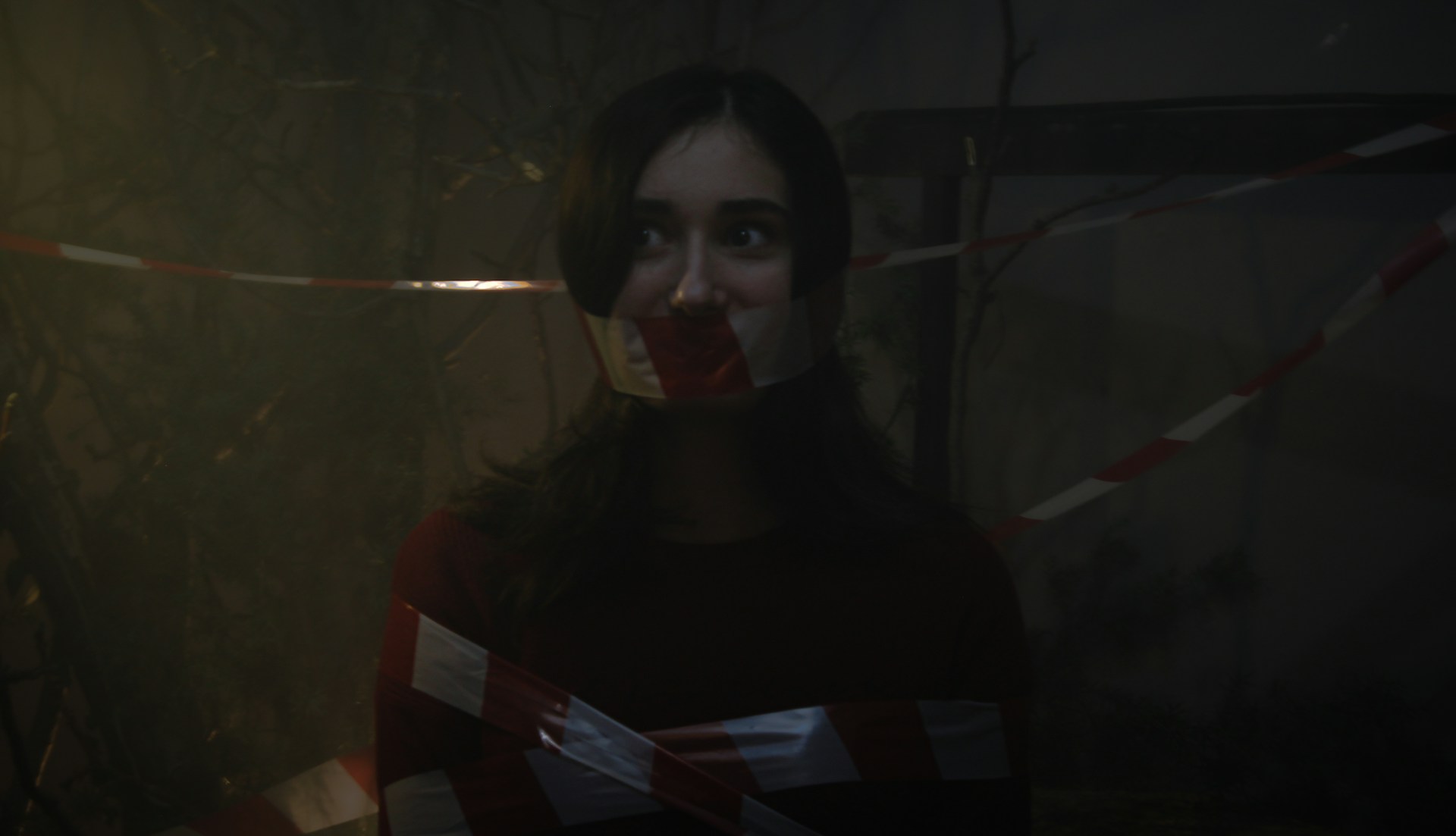
Another trend involves staging fake abductions or violent chases in public, letting families and children believe they are witnessing real danger. People scream, bystanders try to intervene, and multiple emergency calls flood local dispatchers. Responding officers have seconds to interpret chaos with limited information. Even if no one is physically injured, organizers can face charges for causing public panic, wasting emergency resources, or putting others at risk. Courts rarely respond kindly to stunts that turn shared spaces into theaters of fear.