Travel is not closing overnight for Americans, but small doors are quietly tightening around the world. New visitor taxes, reservation systems, crowd caps, and behavior rules are reshaping how easily classic destinations can be folded into a quick break. Many of these changes protect tired cities and fragile landscapes that genuinely need a pause. Seen together, they point toward a near future where trips feel less impulsive and more intentional, with planning and respect becoming part of the journey itself.
Venice, Italy
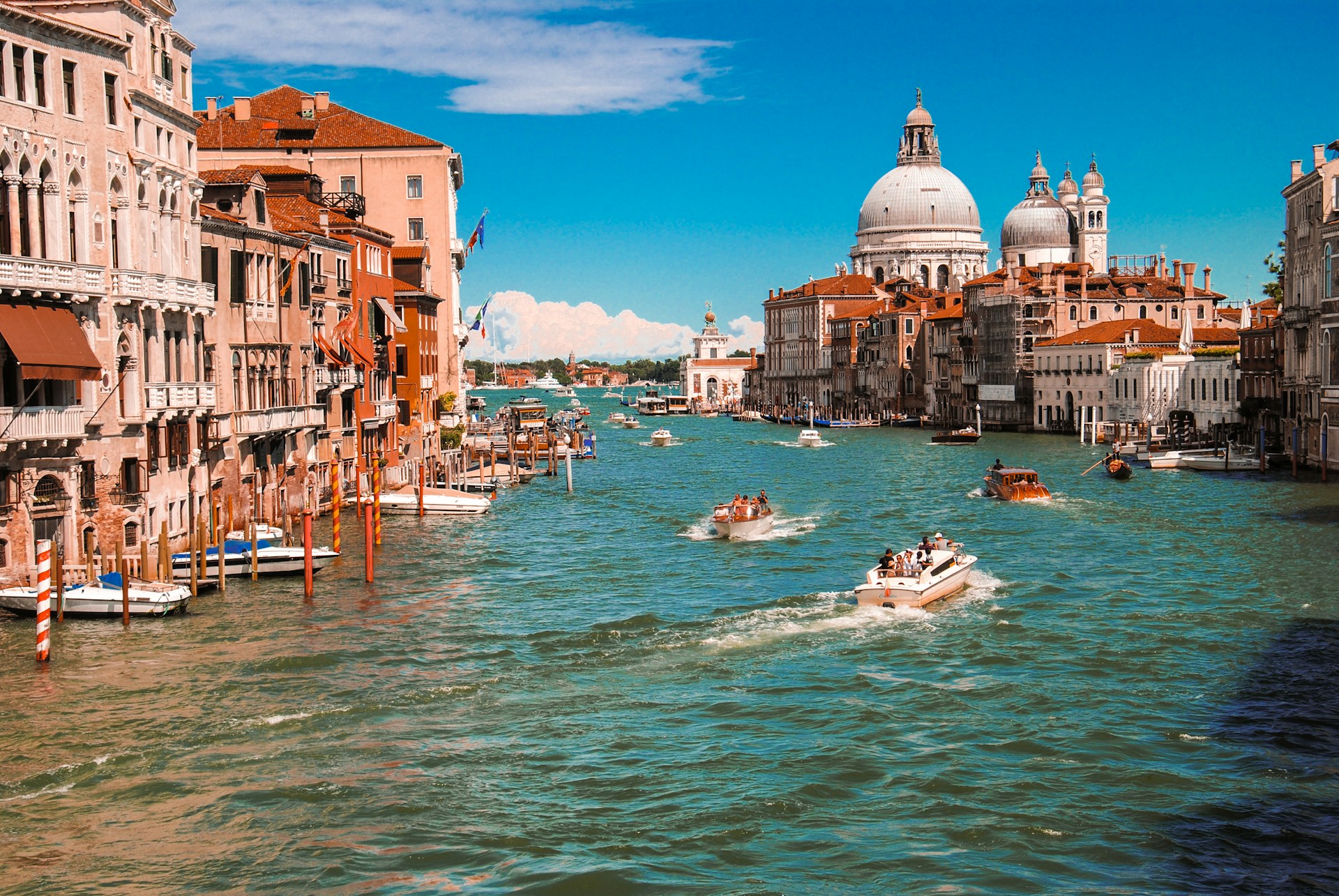
Venice is not barring entry, yet the approach now feels more choreographed than casual. Peak days already come with ticketed access for many day trippers and higher fees for last minute arrivals, sitting on top of long standing overnight taxes. Officials hope these levers will thin cruise crowds and ease pressure on narrow calli and aging foundations. For visitors willing to plan ahead, the quieter corners of the lagoon still offer small campos and canals that feel almost secret.
Santorini And Mykonos, Greece

Santorini and Mykonos still light up brochures, but local patience with wall to wall cruise passengers has limits. Greek authorities have started to tighten ship schedules, raise port fees, and talk more openly about caps on daily arrivals in coming years. The changes are aimed at keeping streets, water supplies, and housing from bending only toward short stays. Away from crowded peaks, smaller villages and inland corners show a softer side of island life that rarely appears on postcards.
Bali, Indonesia

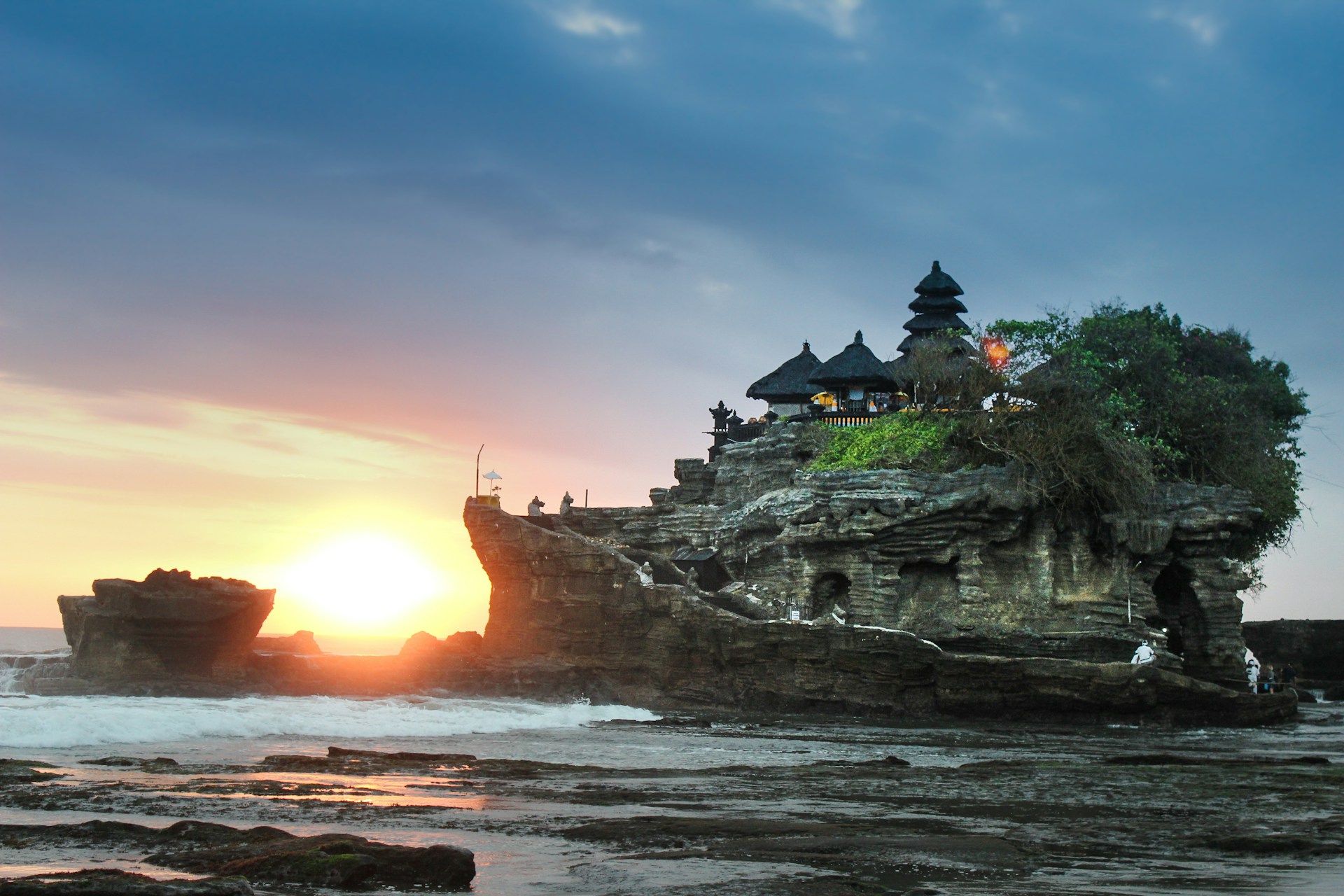
Bali’s rice terraces and beaches sit under a new set of expectations. A dedicated tourist levy now helps fund culture and conservation, and local regulations spell out clothing norms at temples, traffic rules, and consequences for disruptive behavior. Deportation stories and viral clips have pushed both residents and officials to draw firmer lines. The island still offers café lined lanes, ceremonies, and quiet villages, yet the welcome increasingly favors travelers prepared to treat it as someone’s home, not a blank backdrop.
Mount Fuji Region, Japan
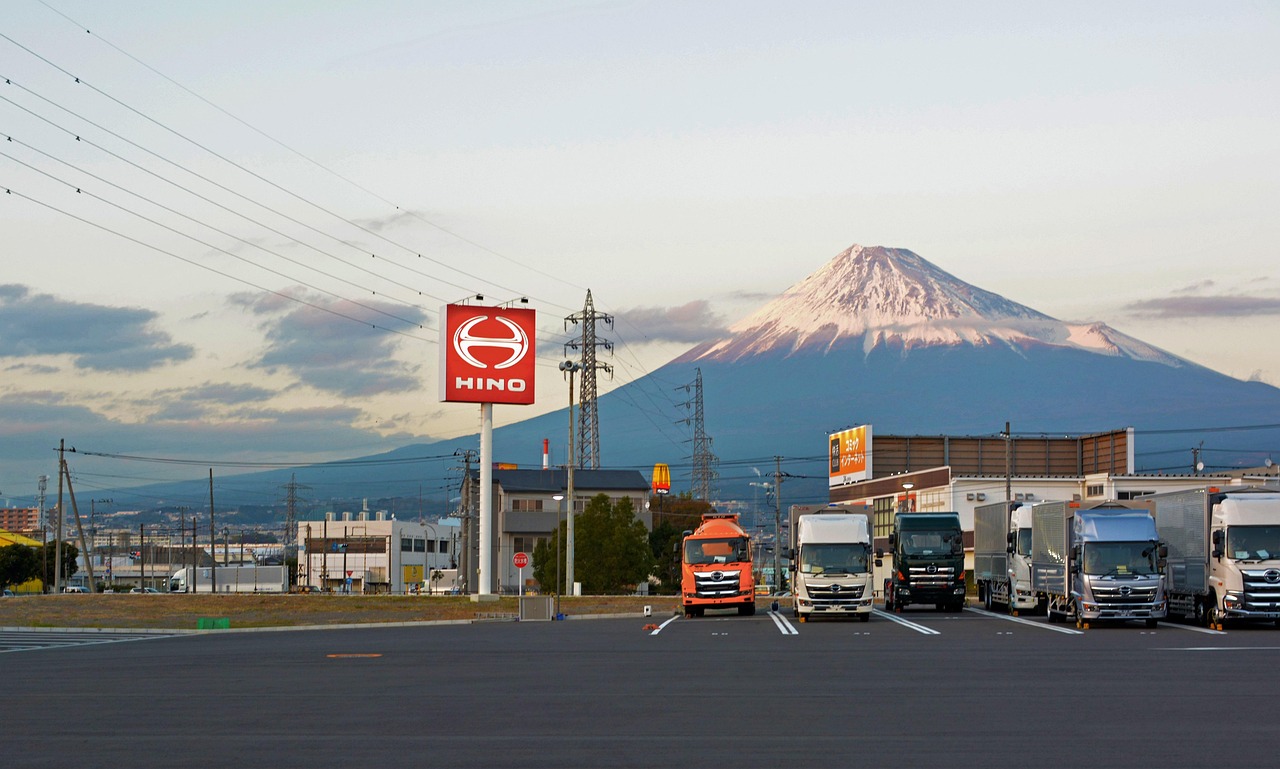
Mount Fuji has moved from iconic backdrop to overrun hiking challenge, and policy is catching up. On key routes, prefectural authorities are testing daily hiker caps, fixed climbing fees, and mandatory reservations that limit overnight hut numbers and same day summit attempts. The aim is to reduce litter, altitude sickness, and crowding on narrow paths that were never meant to handle endless queues. Those who secure slots still find sunrise light spilling across lakes and towns that anchor the mountain in daily life.
Machu Picchu, Peru
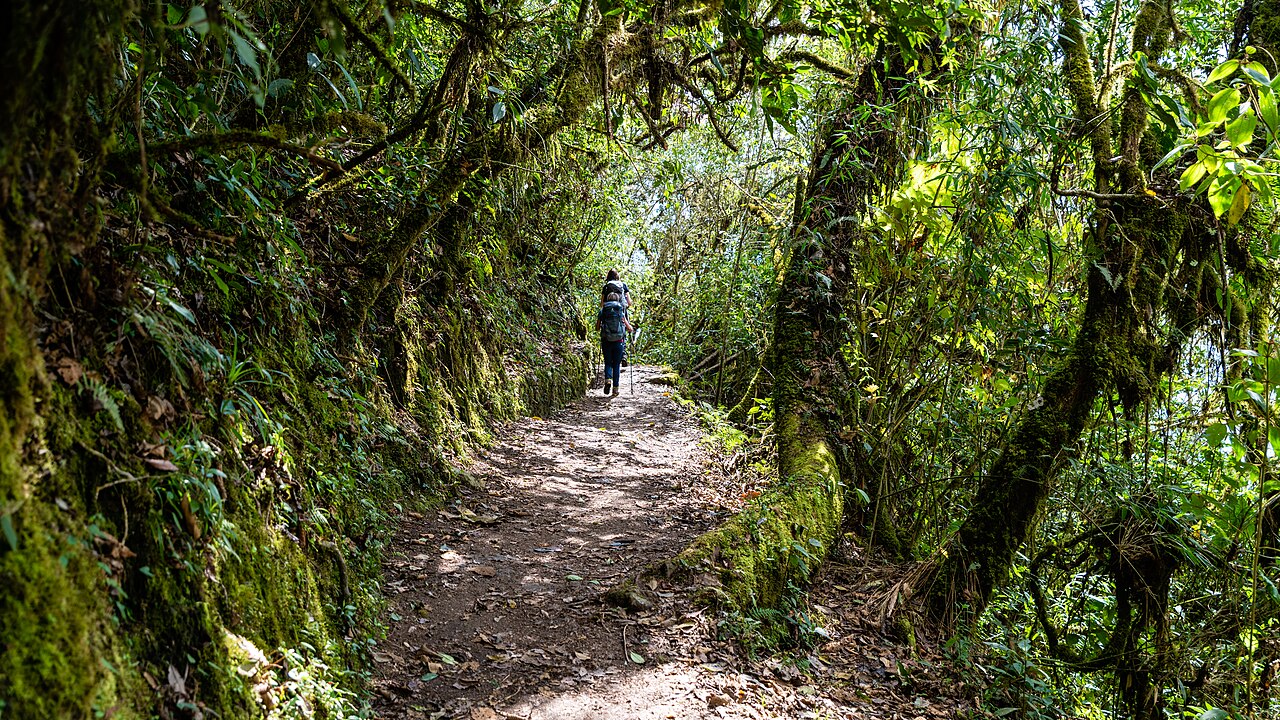
Machu Picchu feels timeless, yet access now runs on strict timetables and capped headcounts. Entry tickets are tied to specific time windows and fixed circuits, and guards gently but firmly usher groups along to keep terraces from overcrowding. Recent disputes over centralized ticketing showed how deeply local economies depend on the flow of visitors. With careful planning and an extra day in the Sacred Valley, many travelers find the journey, train rides, and nearby villages as memorable as the citadel itself.
Norway’s Fjords

Norway’s fjords still look expansive and untouched, but small harbors and valley towns experience crowding very directly. Tourism taxes and proposed levies on cruise calls aim to send more revenue back into local infrastructure, while emissions rules steer ships toward cleaner operations. For visitors, that can translate into slightly higher costs and more structured excursions instead of unplanned hop offs. Slower travel by train, bus, or car ferry often reveals farmsteads, waterfalls, and quiet trails missed on quick sail by visits.
Edinburgh, Scotland

Edinburgh’s cobbled streets and festival stages now operate with an eye on resident fatigue. A citywide tourist charge on nightly stays helps fund parks, transport, and services that strain under August crowds and winter markets alike. Parallel debates around short term rentals and housing turn old tenements into symbols of wider change. Travelers who time trips outside peak festival weeks often find a calmer city, where local bookshops, bakeries, and neighborhood pubs have more room to breathe.
Amsterdam, Netherlands
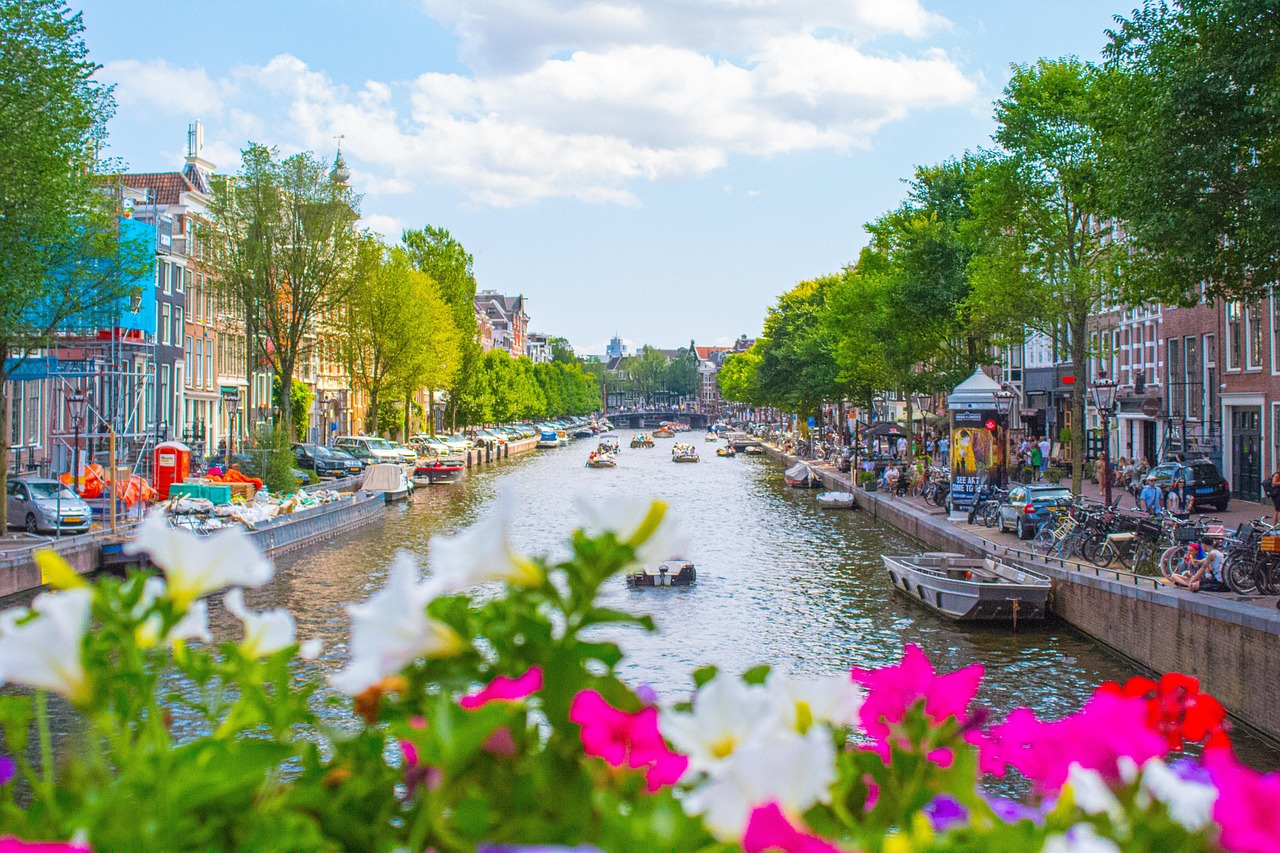
Amsterdam is actively nudging its image away from hard partying weekends. Smoking bans in key streets, stricter noise enforcement, higher tourist taxes, and campaigns that discourage rowdy groups all push visits toward art, canals, and history instead of cheap thrills. Tighter rules on short term rentals and large group tours aim to protect central neighborhoods that have felt like permanent festivals. Beyond the ring of crowded alleys, residential districts and outlying towns show a gentler rhythm of Dutch daily life.
Canary Islands, Spain

The Canary Islands balance volcanic beauty, year round sun, and a heavy reliance on tourism with growing resident unease. Demonstrations highlight housing shortages, rising prices, and environmental strain linked to mass arrivals. Talk of stronger controls on holiday rentals, new visitor levies, and caps on certain developments has moved from fringe to mainstream. Those who spread time between busy resorts and smaller inland villages often see both sides: the jobs tourism creates and the costs that come with it.
Mexico City, Mexico
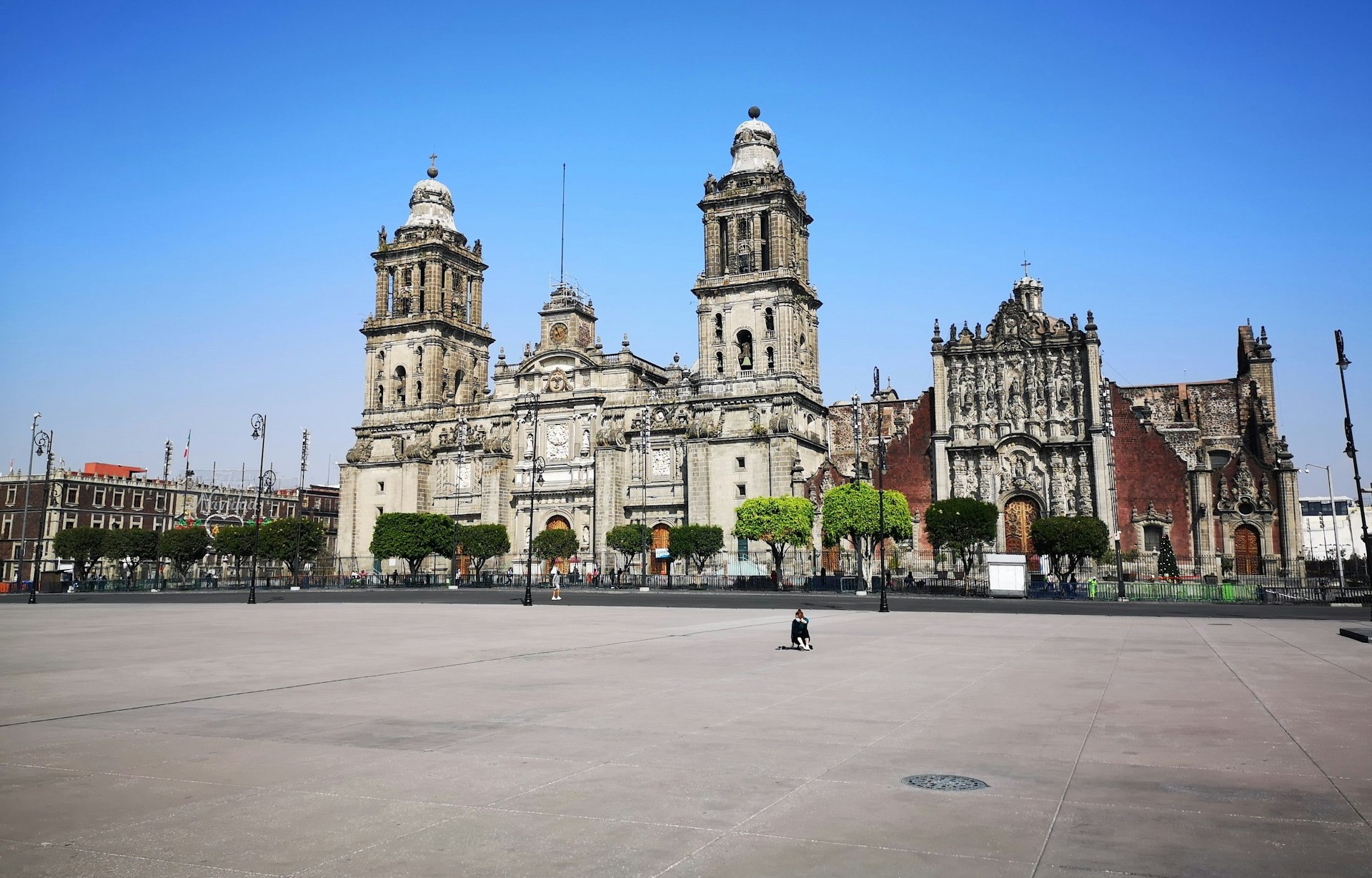
Mexico City has become a magnet for food lovers, remote workers, and culture fans, yet that popularity lands unevenly across neighborhoods. Long term residents in fashionable districts talk about rent spikes, crowded sidewalks, and small businesses reoriented entirely toward visitors. Municipal responses range from monitoring short term rentals to exploring new regulations that protect housing stock. Beyond the most photographed barrios, other districts and nearby towns offer museums, markets, and plazas that still feel rooted in local routines.
Thailand’s Andaman Beaches

Thailand’s Andaman coast is gradually trading a reputation for anything goes nightlife for a more controlled, conservation focused identity. Bays such as Maya have faced repeated closures, strict daily visitor caps, and bans on anchoring over recovering coral. A modest national tourist tax and clearer conduct rules at cultural sites frame tourism as something that must support long term health, not just short gains. Smaller islands and lesser known stretches of sand quietly benefit from attention shifting beyond a few famous coves.
Antarctic Peninsula Cruises

Antarctica remains technically accessible, yet access now carries ethical and environmental weight that was quieter a decade ago. Industry guidelines limit landings, group sizes, and wildlife distances, and growing calls for stricter caps reflect concern about emissions and invasive species. Some operators pivot toward fewer, longer, more science focused itineraries, while critics question whether leisure travel should expand there at all. Anyone stepping onto that ice in the next few years enters an ongoing conversation about what responsible exploration really means.
Schengen City Hopping In Europe

By the middle of this decade, quick swings through multiple European countries will carry a new layer of pre trip admin. The ETIAS clearance system will require visa exempt travelers, including many Americans, to secure low cost electronic authorization before arrival in most Schengen states. It is not a ban, but it shifts spontaneity, since final approval happens before boarding, not at a border booth. The upside is a smoother experience once inside, as long as the paperwork is done in advance.