Across the United States, malls that once felt like indoor main streets now sit half erased, living mostly in grainy photos and stray ticket stubs. Families met under skylights, teenagers paced the same loops, and entire weekends disappeared into food courts and anchor sales. As retail shifted and budgets tightened, those spaces emptied one by one. What remains now is a mix of warehouses, office parks, and bare concrete, with the old geography of memory quietly buried underneath new parking lots.
Rolling Acres Mall, Akron, Ohio
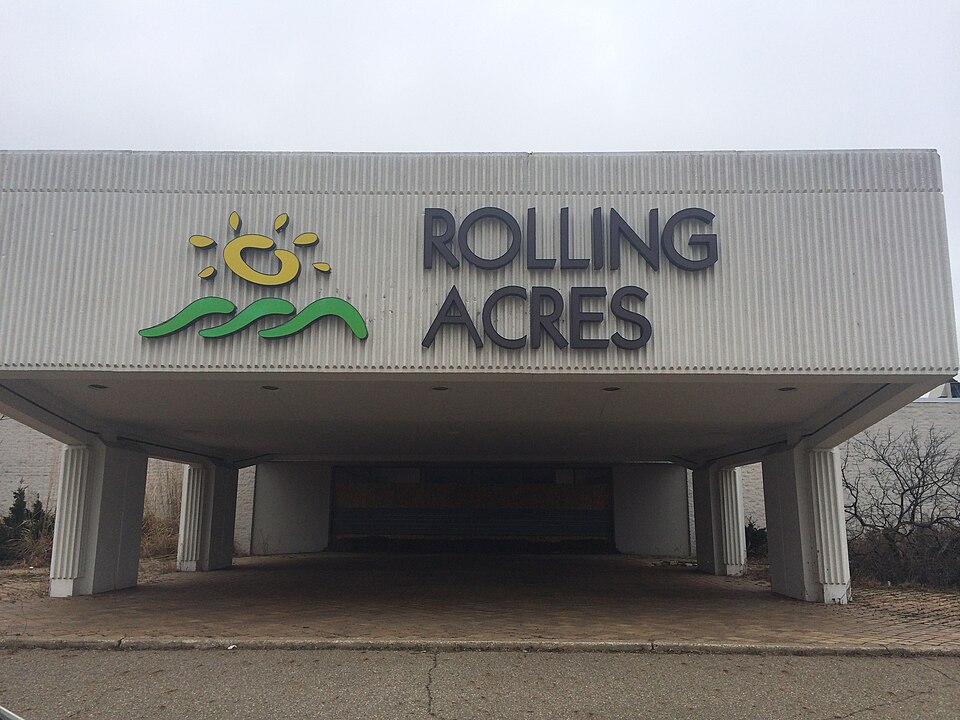
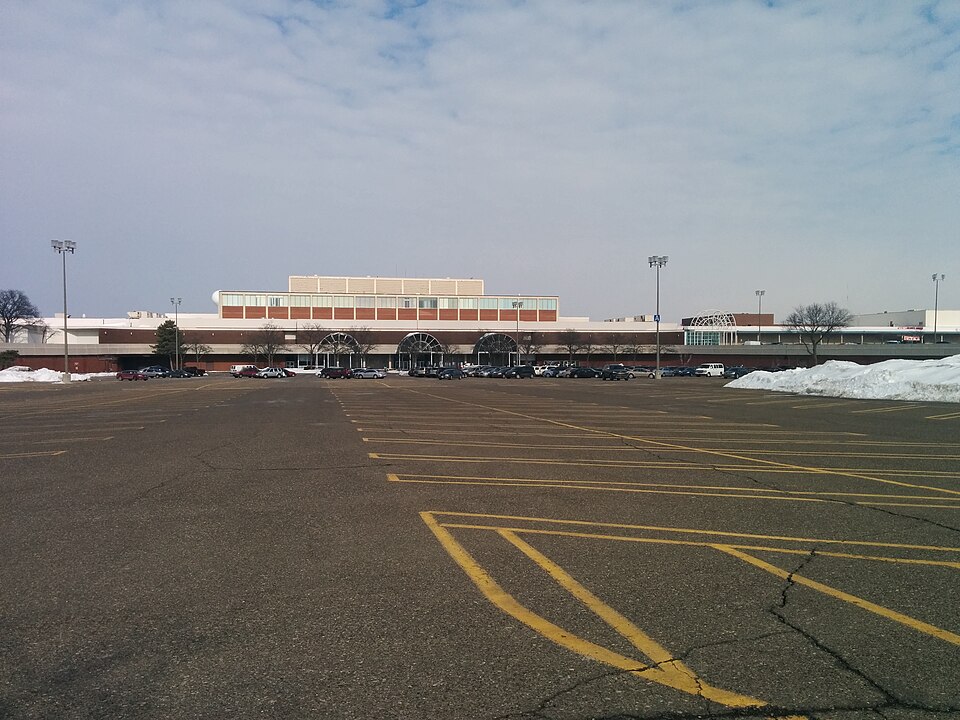
Rolling Acres Mall opened with bright tile, mirrored glass, and a reputation as the flashy cousin to other Akron centers. In its final years, it turned into a national symbol of decline, with broken skylights, flooded corridors, and stray graffiti where chain stores once stood. Demolition cleared the husk and an Amazon fulfillment center took the land, offering jobs instead of window shopping. Only aerial photos and stories from former employees hint that a full suburban mall once stood on that ground.
Randall Park Mall, North Randall, Ohio
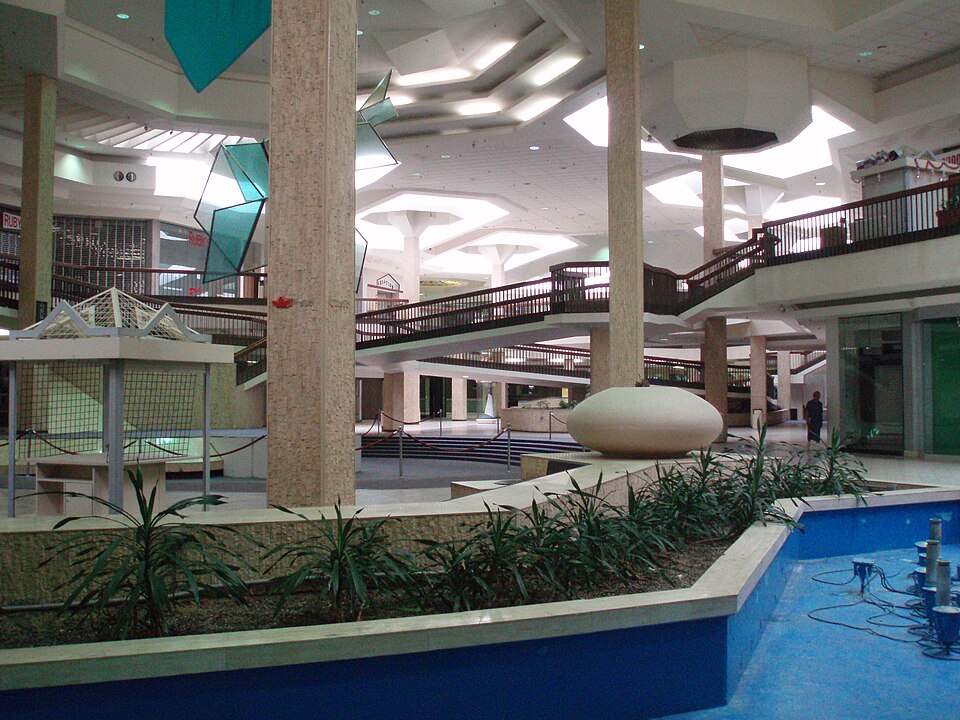
Randall Park Mall once billed itself as one of the world’s largest shopping centers, complete with ice cream counters, fountains, and carpeted promenades that soaked up winter slush. Over time, crime fears, economic shifts, and new competition drained energy from the corridors. Vacant anchors turned into dark, echoing shells, and the remaining tenants could not hold the place together. Today a massive warehouse complex hums where those fountains once sat, trading department store displays for conveyor belts and loading docks.
Hawthorne Plaza, Hawthorne, California
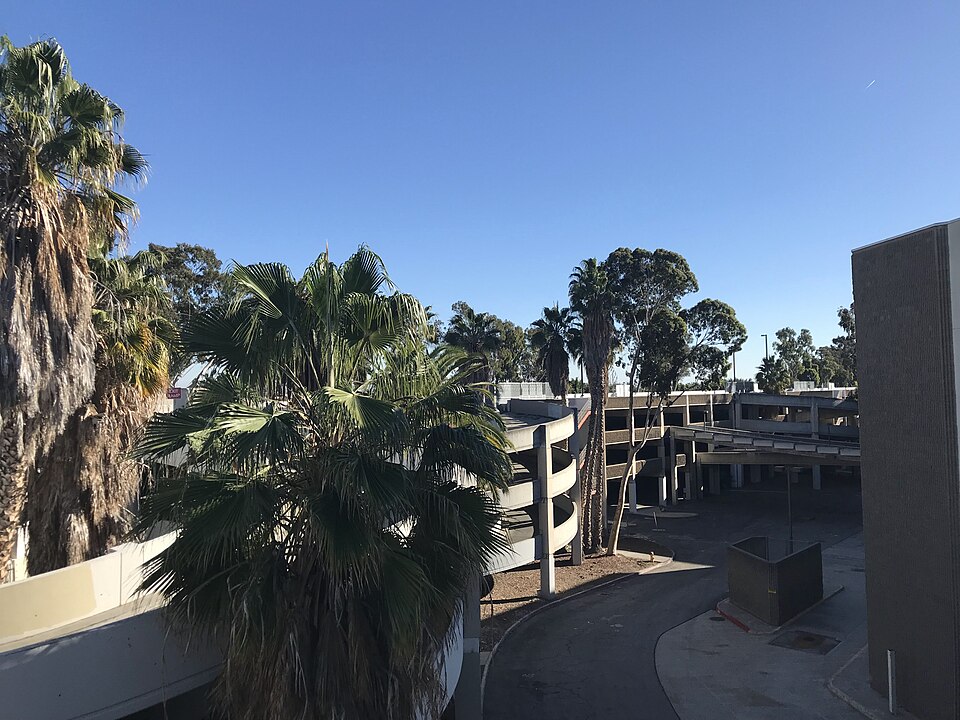
Hawthorne Plaza shut its doors in the late 1990s and never reopened, leaving an eerie shell just minutes from busy Los Angeles traffic. Inside, stripped storefronts and frozen escalators turned the space into a favorite backdrop for films, music videos, and fashion shoots. Movie crews, not shoppers, became the main regulars. Parts of the property now serve as storage and training space, with rows of parked cars and gated lots surrounding the structure. Redevelopment plans keep resurfacing, but the bones still sit exposed.
Century III Mall, West Mifflin, Pennsylvania
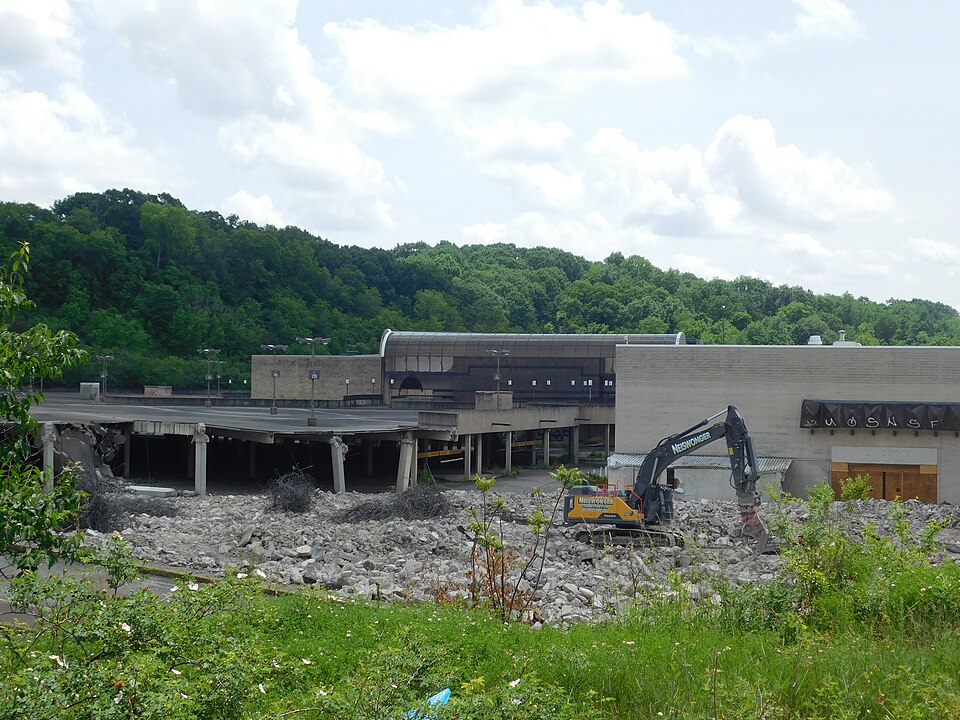
Century III Mall opened on a reclaimed slag heap near Pittsburgh and quickly became a regional magnet, filled with waterfalls, glass elevators, and holiday events. As anchors left and the roof leaked, shoppers migrated to fresher centers with better freeway access. By the end, only a handful of stores clung to dim, echoing wings. Demolition work now peels the complex away piece by piece, leaving twisted beams and piles of rubble on the hill. The site waits for a new identity that can match its once grand name.
Northland Center, Southfield, Michigan
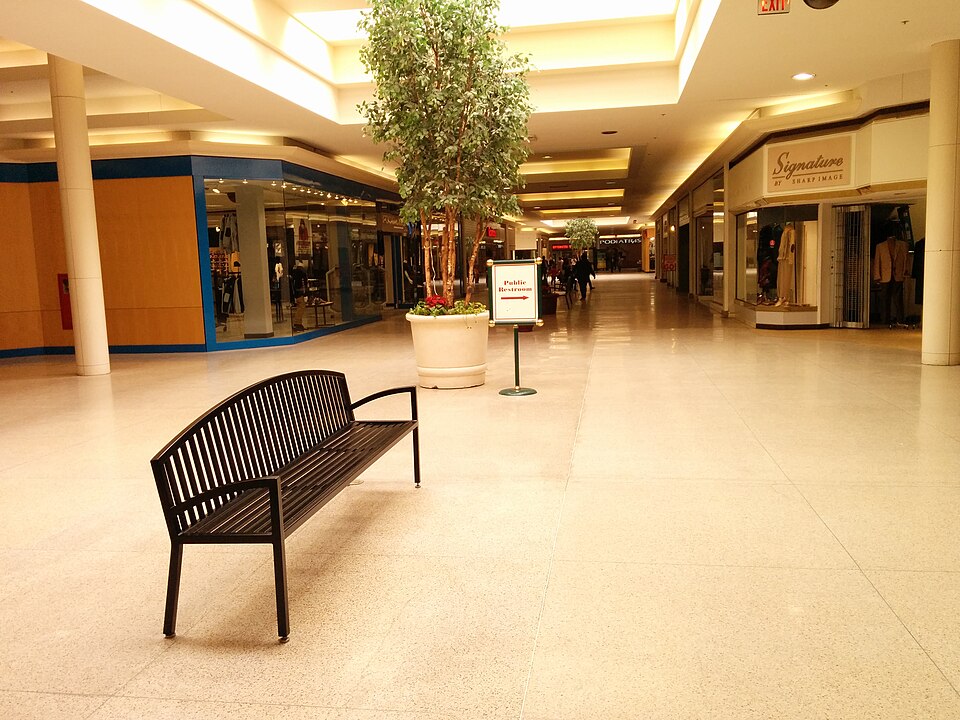
Northland Center began as an open air showpiece in the 1950s, one of the country’s earliest large suburban malls. Over decades it grew, enclosed, aged, and slowly emptied as shoppers chased newer formats farther out from Detroit. A few anchors held on, but interior corridors turned into long stretches of dark glass and boarded gates. Most of the original structures have now been cleared for a mixed use district with apartments, small shops, and planned public plazas. The old mall’s footprint survives in the street grid more than the buildings.
Dixie Square Mall, Harvey, Illinois
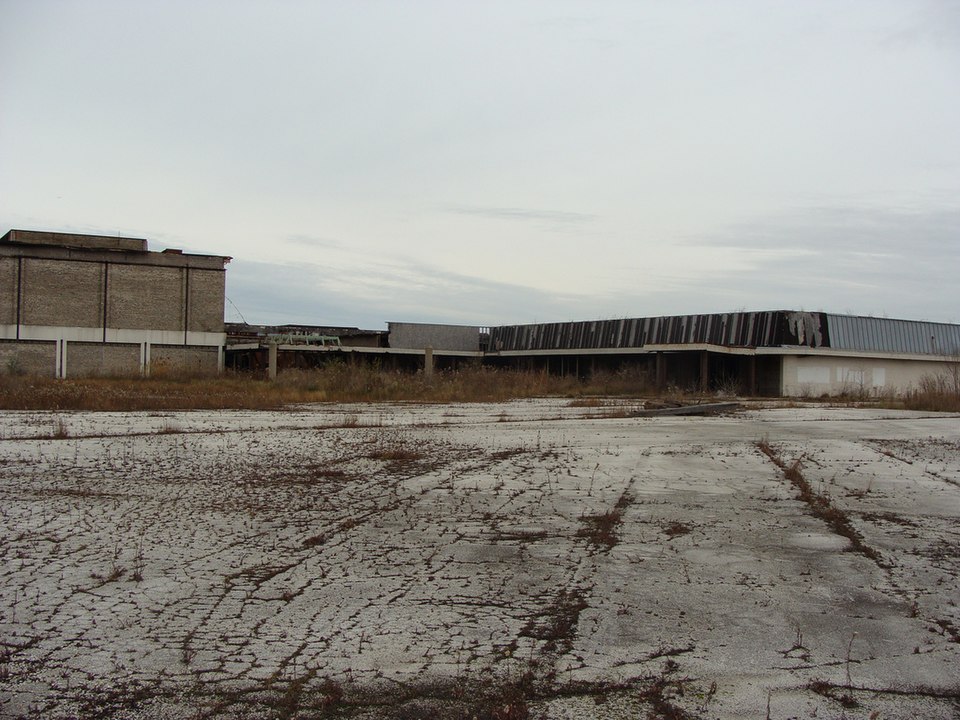
Dixie Square Mall closed astonishingly early, leaving behind a full interior that decayed in public view for decades. After the famous car chase in “The Blues Brothers,” the site became a cult destination for urban explorers, scrappers, and curious locals. Roof collapses, mold, and exposed wiring eventually turned the building into a serious safety hazard. Demolition finally leveled the site, erasing the familiar sign and crumbling entries. What remains now is mostly open land and occasional industrial use, with the movie clips outlasting the mall itself.
Crestwood Court, Crestwood, Missouri
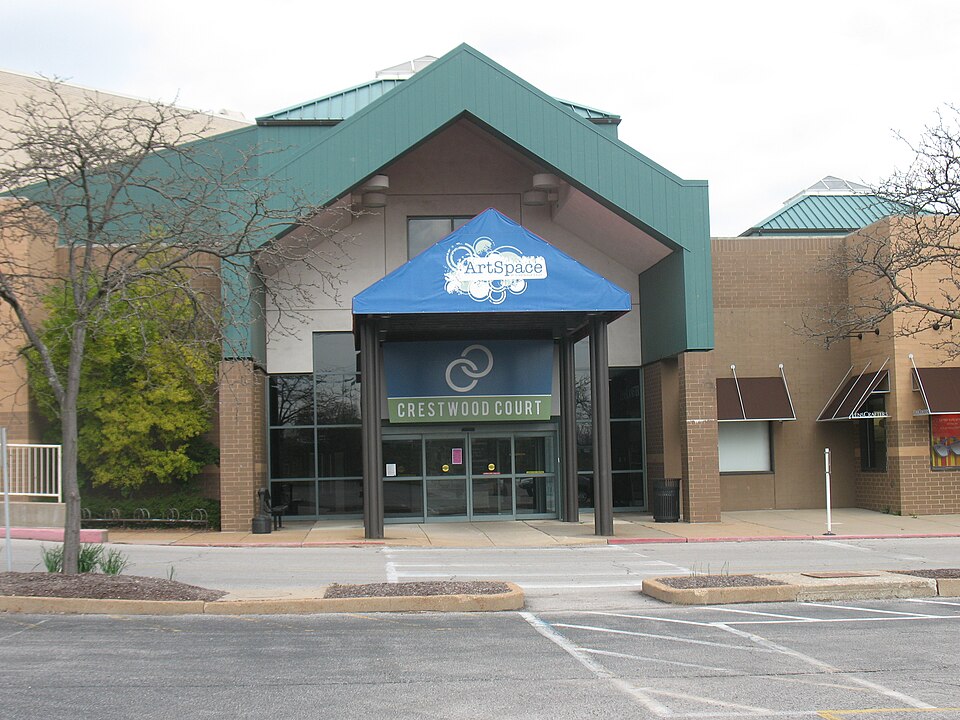
Crestwood Court grew from a midcentury strip center into a full indoor mall anchored by big department stores and a popular cinema. For a time it reinvented itself as an arts hub, renting empty storefronts to local studios and theater groups, which kept some life in the corridors. Eventually even that phase faded as maintenance costs climbed and new nearby centers drew shoppers away. The mall was demolished, leaving a graded expanse nicknamed a dirt mountain. Redevelopment has finally started to refill the site with a grocery store and smaller retail.
Owings Mills Mall, Owings Mills, Maryland
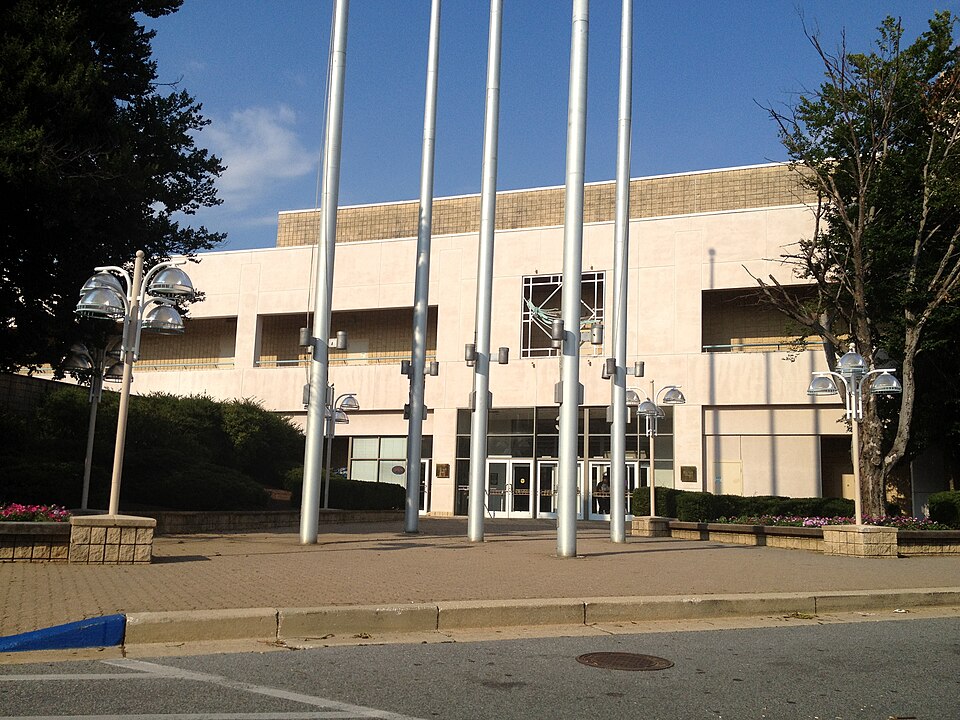
Owings Mills Mall once promoted itself as a sleek suburban destination northwest of Baltimore, with bright atriums and national fashion chains. As outlets, town centers, and online options expanded, the property lost key anchors and slid into half occupancy. Security worries and access issues around the nearby transit line did not help. The enclosed mall came down in stages, replaced by Mill Station, a power center anchored by big box stores and wide parking fields. What remains of the original layout lives mostly in old directory maps.
Metro North Mall, Kansas City, Missouri
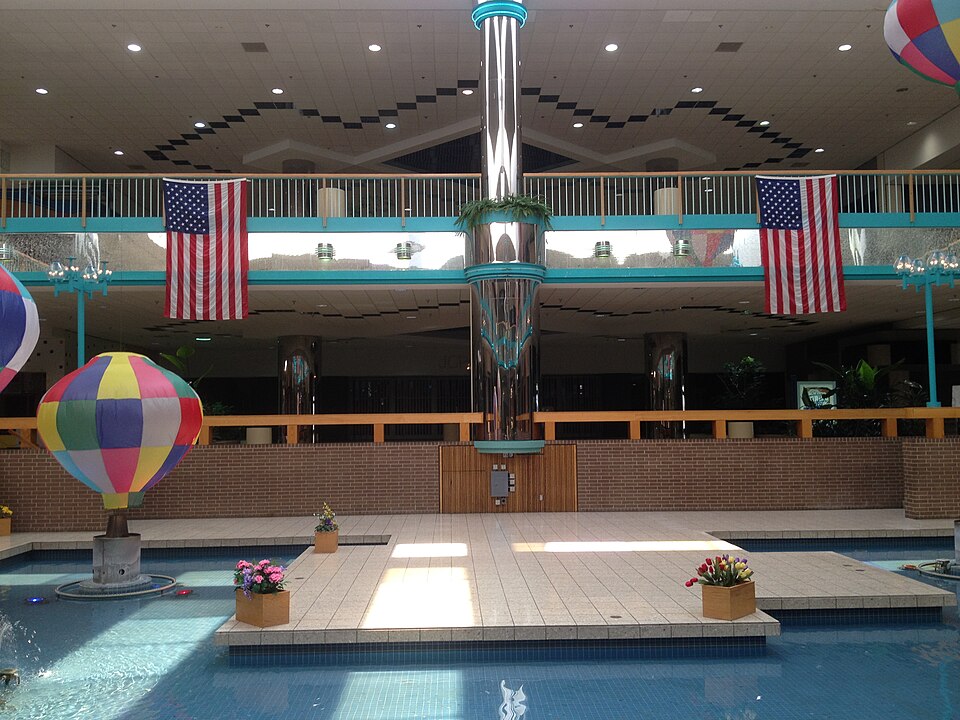
Metro North Mall earned local affection for its quirky central court, where hot air balloon sculptures floated above a pool and seasonal displays. Shoppers remember the carousel music and the way holiday decor transformed the central space each winter. Competition and dated interiors eventually caught up with it, and tenants trickled out until the lights went off. The site has since been cleared and rebuilt as Metro North Crossing, with big retailers, apartments, and entertainment venues. The balloons now survive as a nostalgic branding nod on new signs.
Bannister Mall, Kansas City, Missouri
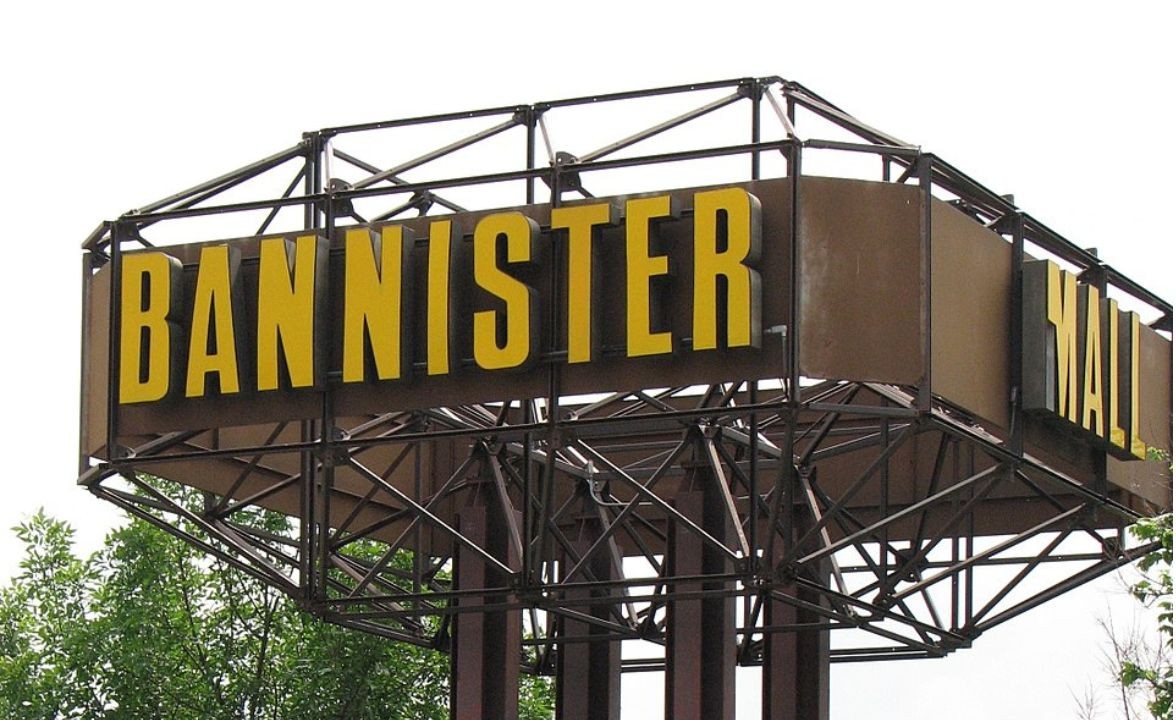
Bannister Mall arrived in 1980 with four anchors, wide corridors, and a design tuned to the era’s expectations of all-in-one suburban shopping. The surrounding area later wrestled with perception issues, and as retail shifted, the mall struggled to land fresh tenants. Vacant storefronts multiplied until only bargain outlets and a few loyal kiosks remained. Demolition took the building down to its foundation. The land later became part of a large office and tech complex that hosts thousands of workers, trading weekend crowds for weekday badge scans.
Chapel Hill Mall, Akron, Ohio
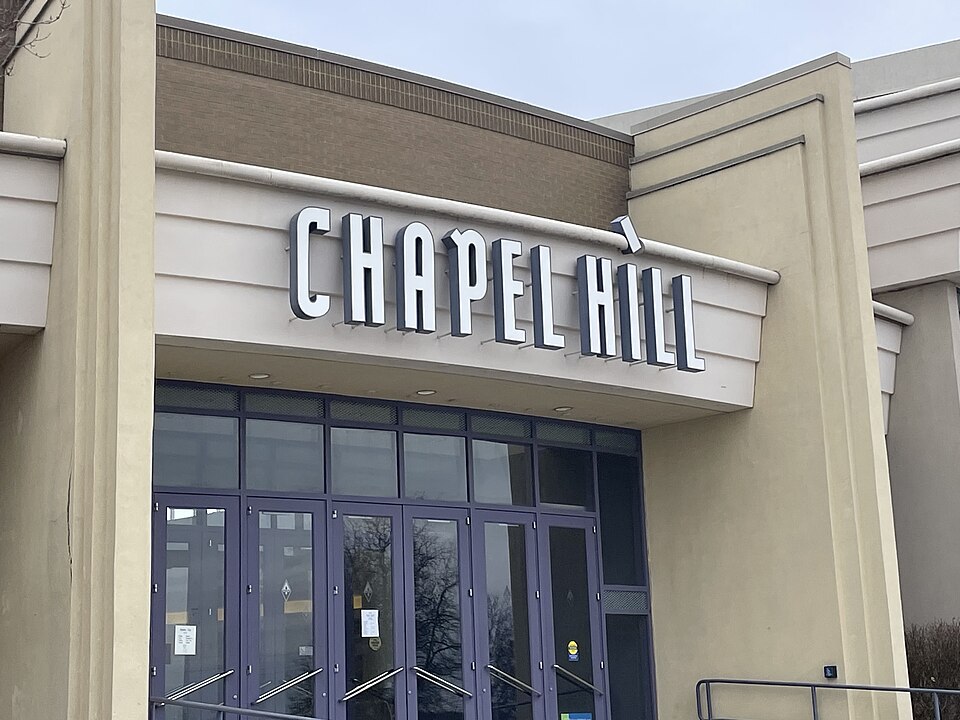
Chapel Hill Mall started as a bright, optimistic counterpoint to older city retail, with distinctive entry arches and a busy central court. Over time it developed a reputation for half lit corridors, struggling anchors, and owners who fell behind on basic bills. Stories about shutoff notices and unpaid taxes became as common as sale flyers. After closure, new owners began converting the property into an industrial and business park. The iconic sign and some exterior walls lingered for a while, but forklifts and semi trailers now claim most of the space.
Forest Fair Mall, Cincinnati Area, Ohio
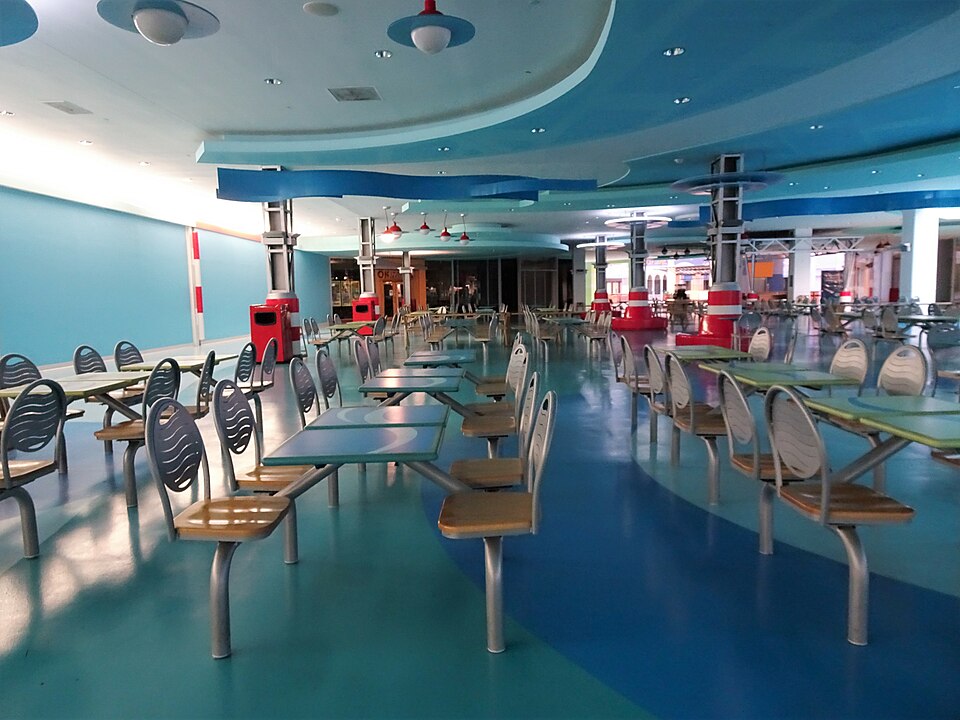
Forest Fair Mall opened with ambitious plans, blending outlet stores, traditional anchors, and entertainment in a huge, multi level layout. It went through several rebrands and remodels, each attempt trying to fix weak foot traffic and a confusing interior. Large stretches turned into quiet, echoing halls with scattered tenants holding on in distant wings. Final closures made way for full demolition, and the land is being repositioned as an industrial and logistics hub. The colorful interior paint schemes now live only in nostalgia photos and old marketing brochures.
Monroeville Mall, Monroeville, Pennsylvania
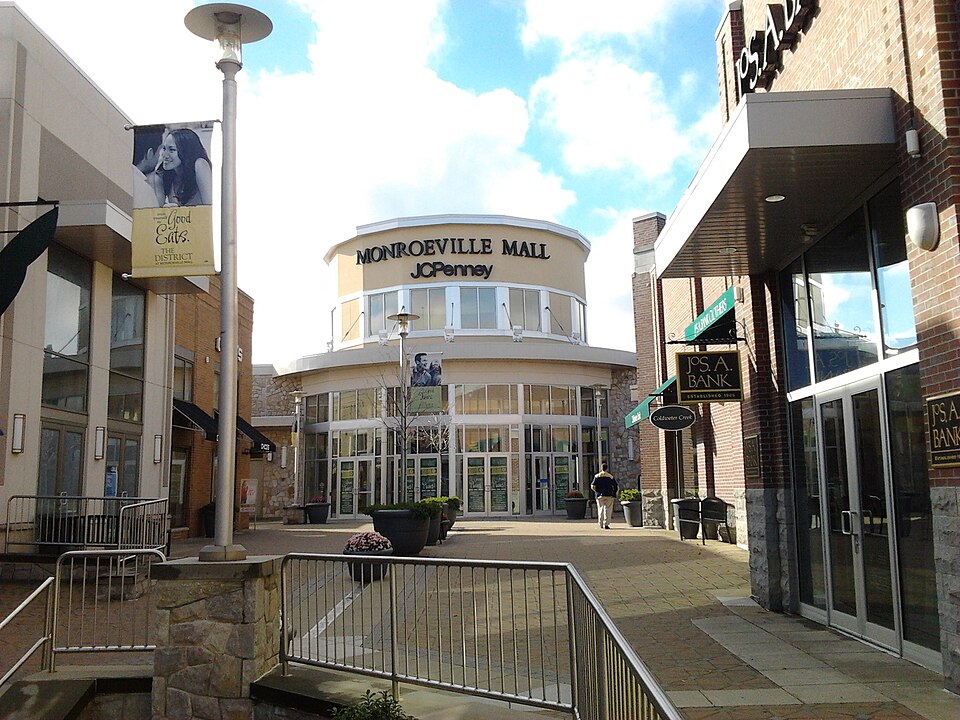
Monroeville Mall still operates, but in a very different way from its 1970s heyday. Horror fans know it as the filming location for George Romero’s “Dawn of the Dead,” and the complex still leans into that identity with occasional events and tours. At the same time, many original design features and long-term tenants have disappeared under remodels and shifting retail mix. Recent ownership changes and redevelopment proposals hint that the current version may be temporary. Whatever comes next, the mall’s strange blend of film history and everyday errands will be hard to fully replace.