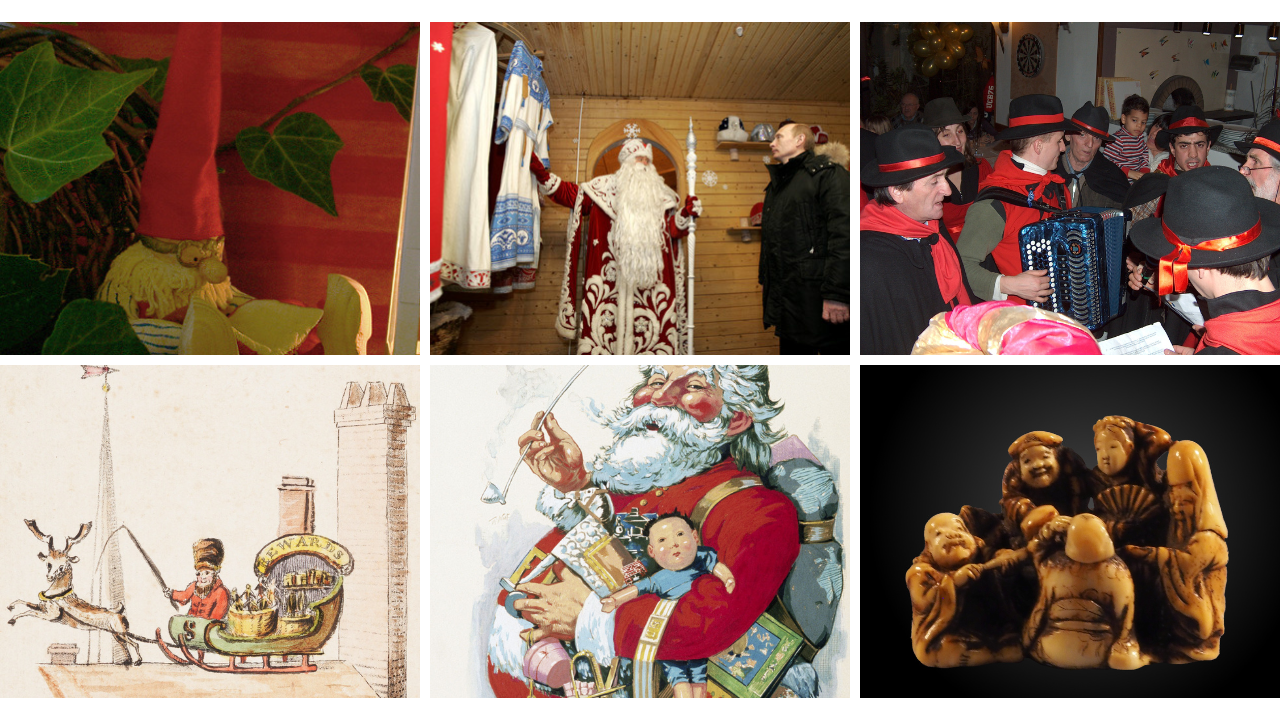
Across the world, winter stories gather around a familiar figure in red, but the details shift with language, faith, and landscape. A bishop becomes a sky rider, a barn spirit turns into a careful gift giver, and even a Christmas goat learns to knock politely at the door. These figures carry memories of hunger, cold, and relief when generosity arrived just in time. Taken together, they sketch a quiet map of hope, where long nights feel shorter because someone is expected to appear with kindness.
Saint Nicholas Of Myra
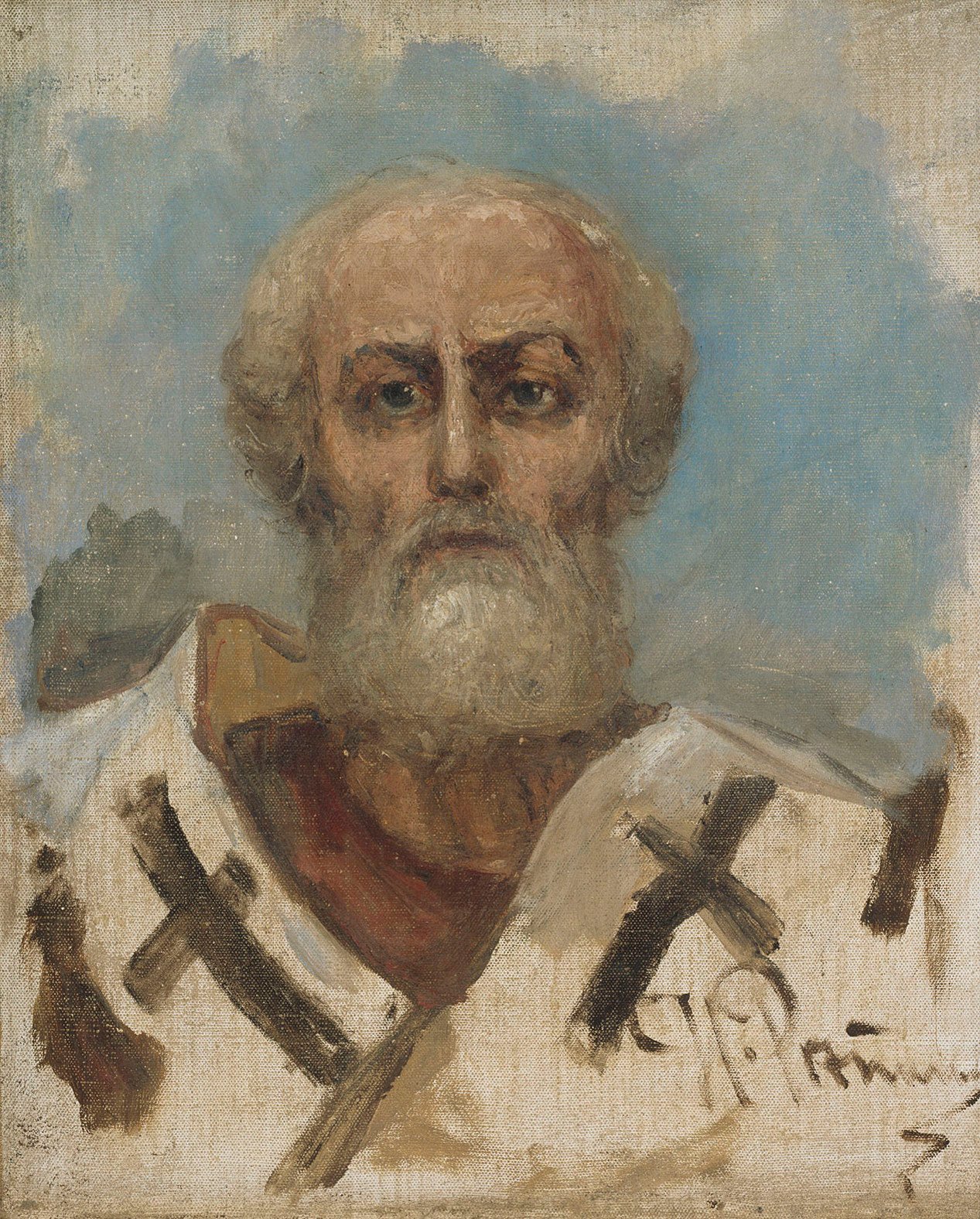
Long before shopping malls and velvet suits, there was Nicholas, a fourth century bishop from Myra in present day Türkiye, remembered for slipping coins and dowries to families who needed help. Legends describe him rescuing sailors in storms, protecting children, and quietly paying debts so neighbors could stay afloat. His feast day on Dec. 6 became a moment for secret gifts and small surprises. Over time, that quiet pattern of night visits, hidden coins, and unspoken generosity became the seed for many later winter gift bringers.
Sinterklaas In The Low Countries
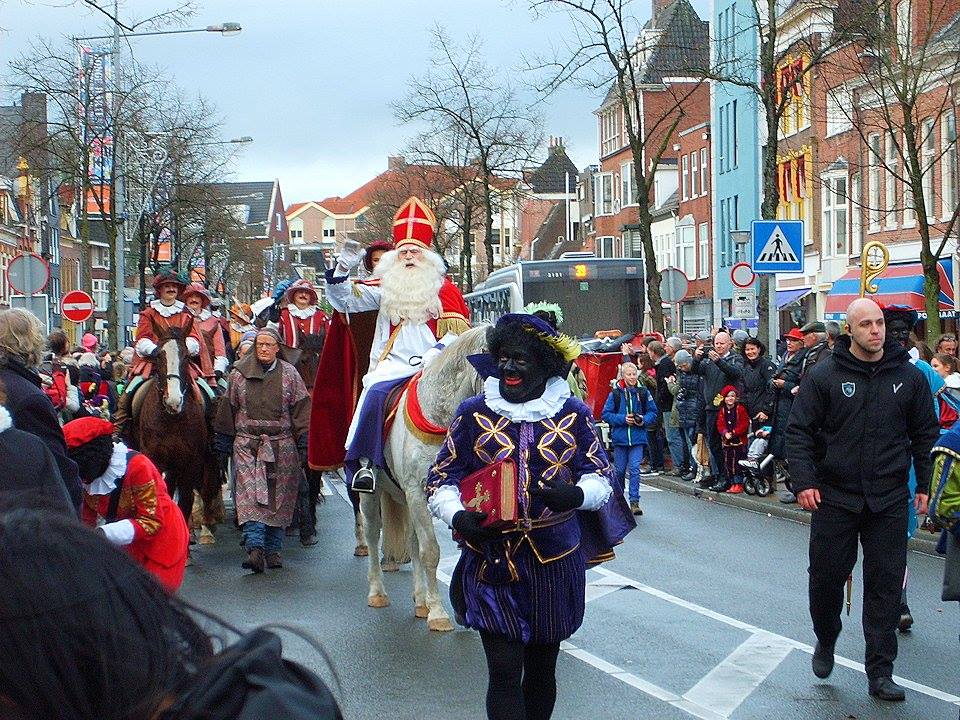
In the Netherlands and parts of Belgium, Sinterklaas arrives each year by steamboat from Spain, wearing a bishop’s mitre and carrying a tall staff, welcomed by brass bands and crowds along the canals. Children place shoes by the fireplace or door in late November and early December, hoping to find small toys, tangerines, or spiced cookies when they wake. The legend blends Saint Nicholas’s charity with seafaring imagery from Dutch trading days. His old fashioned dignity and formal robes stand in gentle contrast to the more relaxed Santa who later spread worldwide.
Father Christmas In England
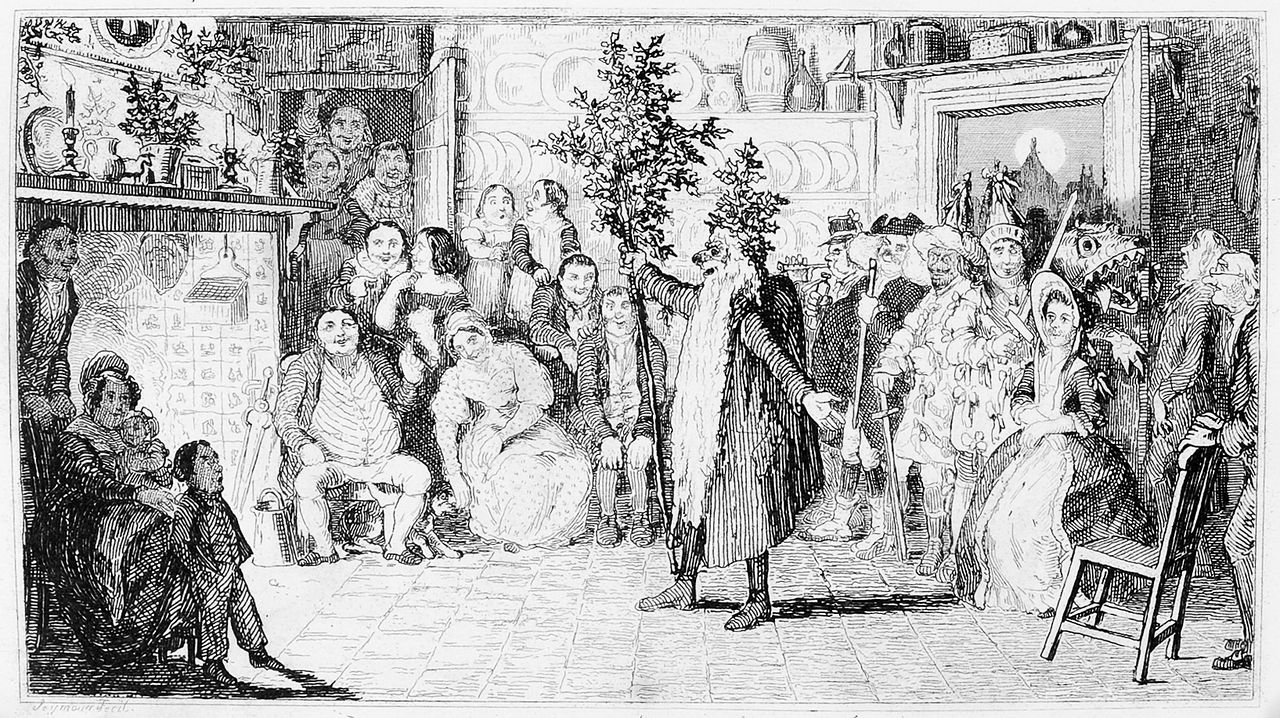
Father Christmas began less as a gift giver and more as a personification of midwinter cheer in England, appearing in early pamphlets as an elderly man in a fur lined gown crowned with holly. He embodied feasting, hospitality, and the idea that even in hard years households should try to keep a corner of warmth alive. When industrial cities grew and family centered Christmas traditions took shape in the Victorian period, this figure gradually merged with gift giving customs. The result kept his roots in food, laughter, and shared tables.
Santa Claus In North America
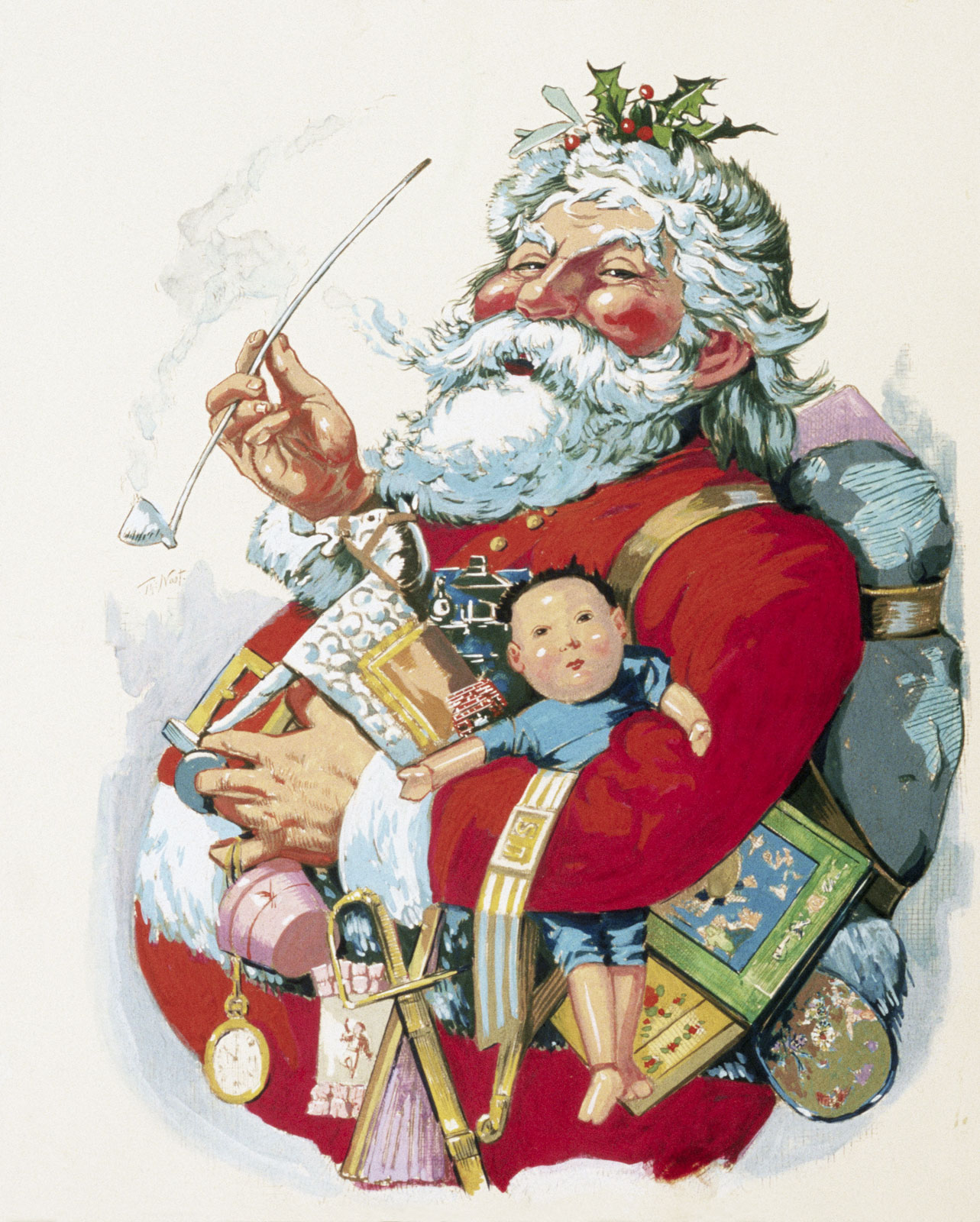
In North America, Santa Claus emerged when Dutch tales of Sinterklaas met English images of Father Christmas and were reshaped by writers, illustrators, and advertisers. A famous nineteenth century poem painted him as a small, lively figure arriving by sleigh and reindeer on Christmas Eve, sliding down chimneys with a sack of toys. Later artists made him larger, rounder, and unmistakably dressed in red, until that look became nearly universal in shops and films. Underneath the bright branding still sits a simple idea of surprise generosity in the darkest weeks.
Ded Moroz In Slavic Traditions
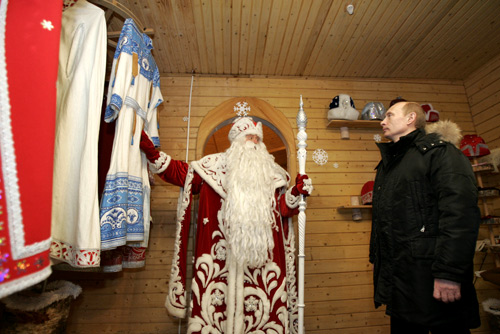
Ded Moroz, or Grandfather Frost, began in Slavic folklore as a stern winter spirit, more likely to freeze travelers than hand out presents. Over time, stories softened him into a tall, fur clad elder with a long beard and a staff, often dressed in blue or deep red, accompanied by his granddaughter Snegurochka, the Snow Maiden. In the twentieth century he shifted from Christmas to New Year celebrations, appearing at parties beside decorated fir trees. His presence keeps a sense that winter is both beautiful and dangerous, demanding respect and offering joy.
Joulupukki, The Finnish Christmas Goat
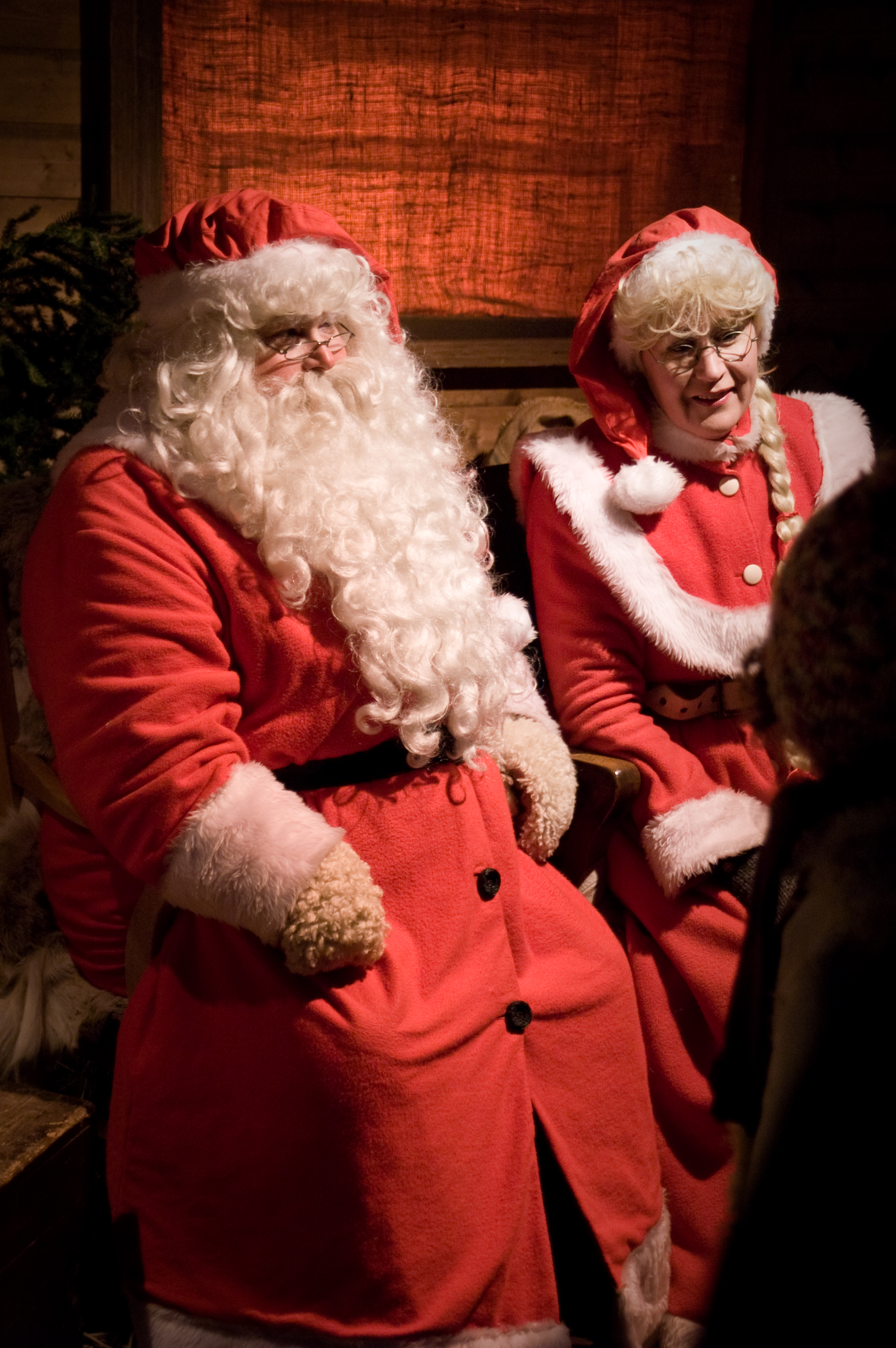
Finland’s Joulupukki literally means Christmas goat, and the name points back to a time when a horned Yule Goat moved through villages demanding offerings and sometimes frightening children. As Christianity and newer customs spread, that unsettling figure gradually transformed into a kinder visitor who now looks closer to Santa while still carrying the old name. Modern Joulupukki traditionally knocks on the door in person on Christmas Eve, asking whether any well behaved children live there. The legend remembers that winter spirits once had sharp edges, even as they now bring gifts.
Julenissen In Norway
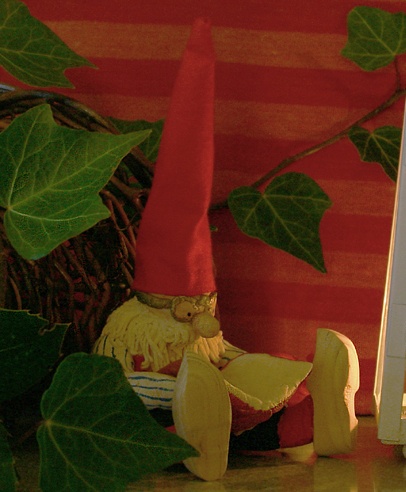
In Norway, Julenissen blends the old farmyard spirit nisse with later Santa imagery, creating a figure who feels rooted in barns, attics, and snow covered hills. Traditional nisser were small, cap wearing guardians of homesteads who rewarded families that treated animals and workers well and played tricks on those who did not. As Christmas customs changed, this watchful presence took on the role of gift giver, sometimes walking on foot through the snow, sometimes riding a sleigh. The story ties kindness to animals, neighbors, and guests directly to how the season unfolds.
Christkind In Central Europe
In parts of Germany, Austria, Switzerland, and nearby regions, many families tell children that the Christkind, or Christ Child, brings presents on Christmas Eve. Rather than a literal infant, this figure is often imagined as an angelic, light filled presence who slips in quietly after church or during a festive meal. The tradition grew during the Reformation as an alternative to Saint Nicholas while still preserving the joy of surprise gifts. Markets, parades, and pageants give Christkind a visible role, yet the heart of the legend remains gentle and almost unseen.
La Befana In Italy
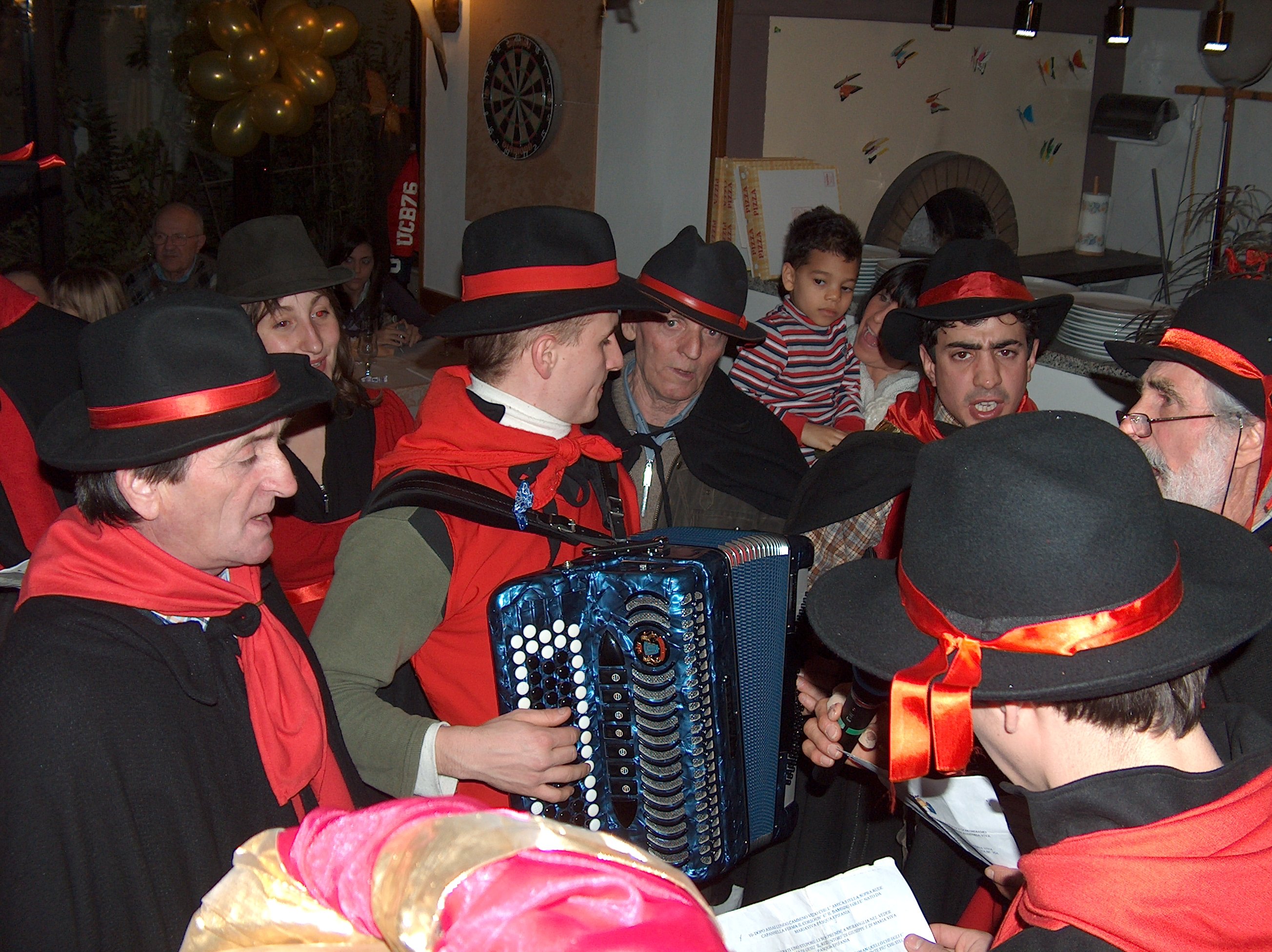
In Italian folklore, La Befana is an elderly woman who travels from house to house on the night before Epiphany, Jan. 6, carrying a broom and a bulging bag. Children say she enters by the chimney, leaving sweets, nuts, and small toys for the kind and coal or dark candy for the rude. One well known story claims she was too busy sweeping to join the Magi on their way to Bethlehem, then regretted her choice and has searched for the holy child ever since. Her rounds close the season with a mix of humor and regret.
The Three Kings In Spain And Latin America
Across Spain and much of Latin America, the main gift givers are often the Three Kings, or Reyes Magos, who arrive on the night of Jan. 5. Children leave hay or grass and bowls of water for the royal camels, then set shoes by beds, windows, or doors, hoping to find them filled with presents by dawn. Cities organize parades where Melchior, Gaspar, and Baltasar ride through streets, tossing sweets into outstretched hands. The tradition stretches the festive period into early January and anchors it in a story of long journeys and thoughtful offerings.
Hoteiosho In Japan
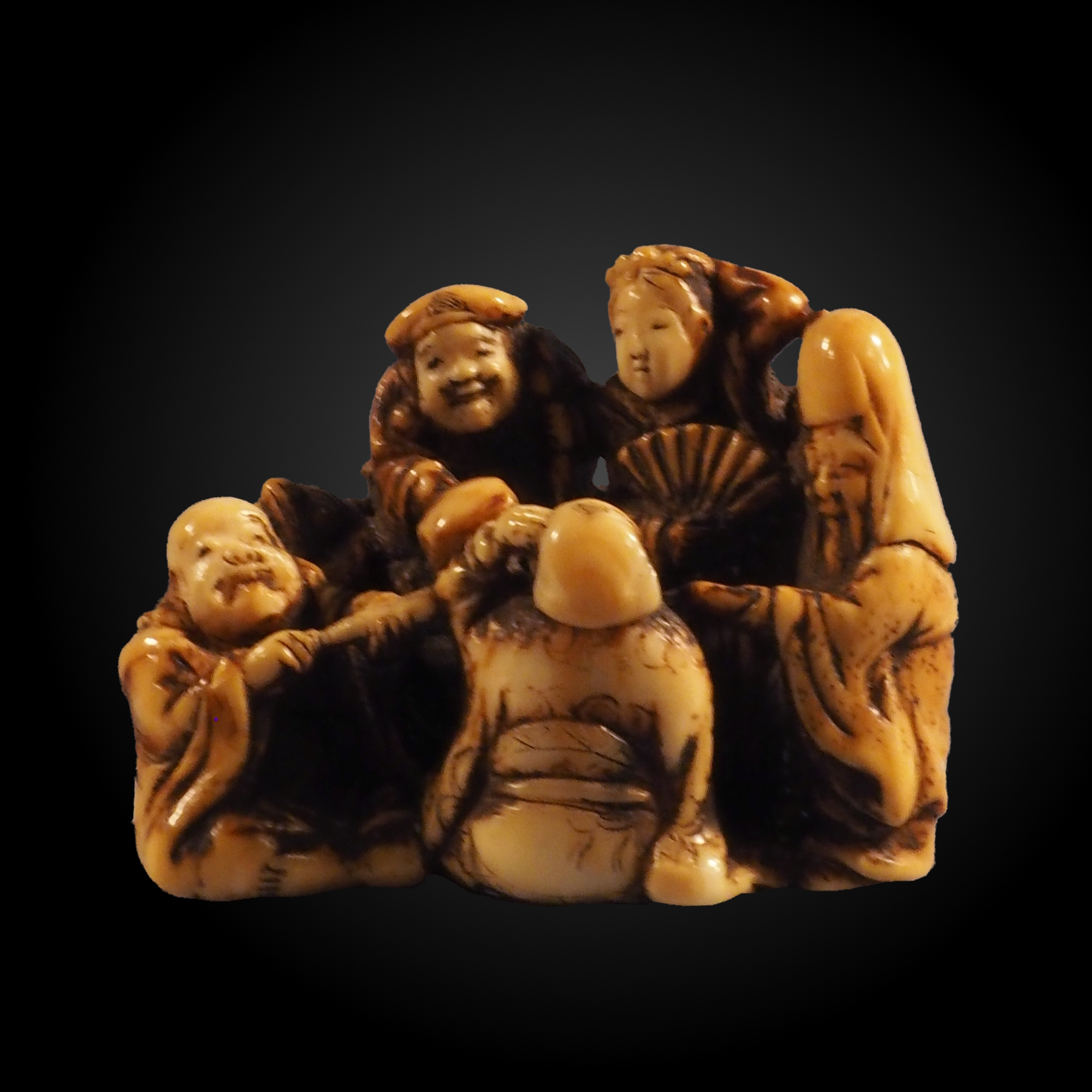
In Japan, Hoteiosho draws on Hotei from the group known as the Seven Lucky Gods, a cheerful figure of abundance often shown with a round belly and a large cloth bag. Some stories say he has an extra pair of eyes on the back of his head, allowing him to quietly notice how children behave even when they assume no one is looking. As Christmas gained a light, secular presence in Japanese cities, Hoteiosho was sometimes likened to Santa and associated with year end gifts. His presence shows how older symbols of luck adapt to new calendars.
Papai Noel In Brazil
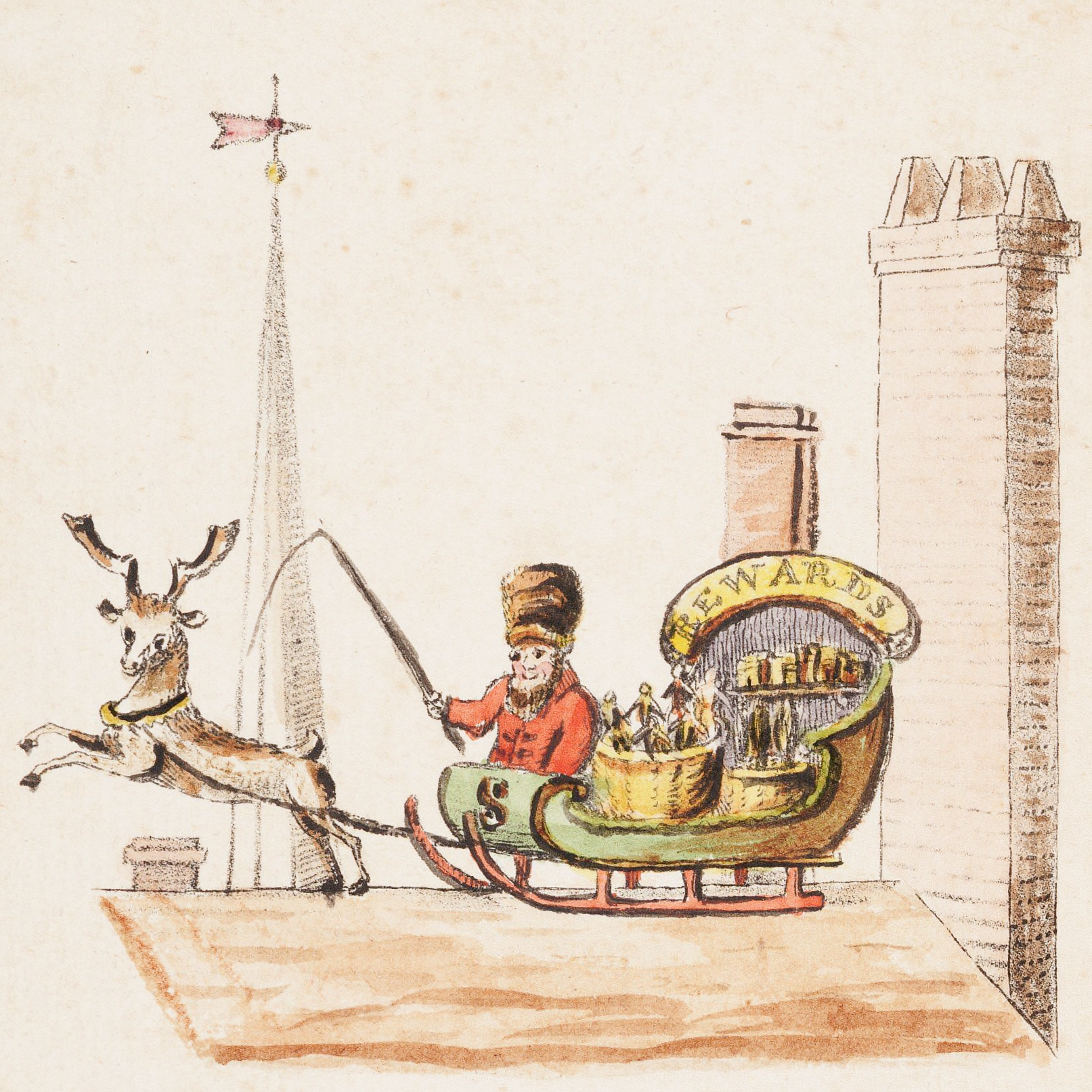
In Brazil, Papai Noel is clearly related to the familiar red suited Santa but reshaped by tropical heat, summer school holidays, and a rhythm of life that spills outdoors. Some tales place his home in the snowy north, while others simply treat him as a traveler who swaps heavy furs for lighter fabrics when December arrives. Families gather for late night meals, fireworks, and often beach visits, so his imagined path runs more through balconies and open windows than chimneys. Charity projects and river journeys carrying Papai Noel to remote communities underline how the legend travels with real acts of care.