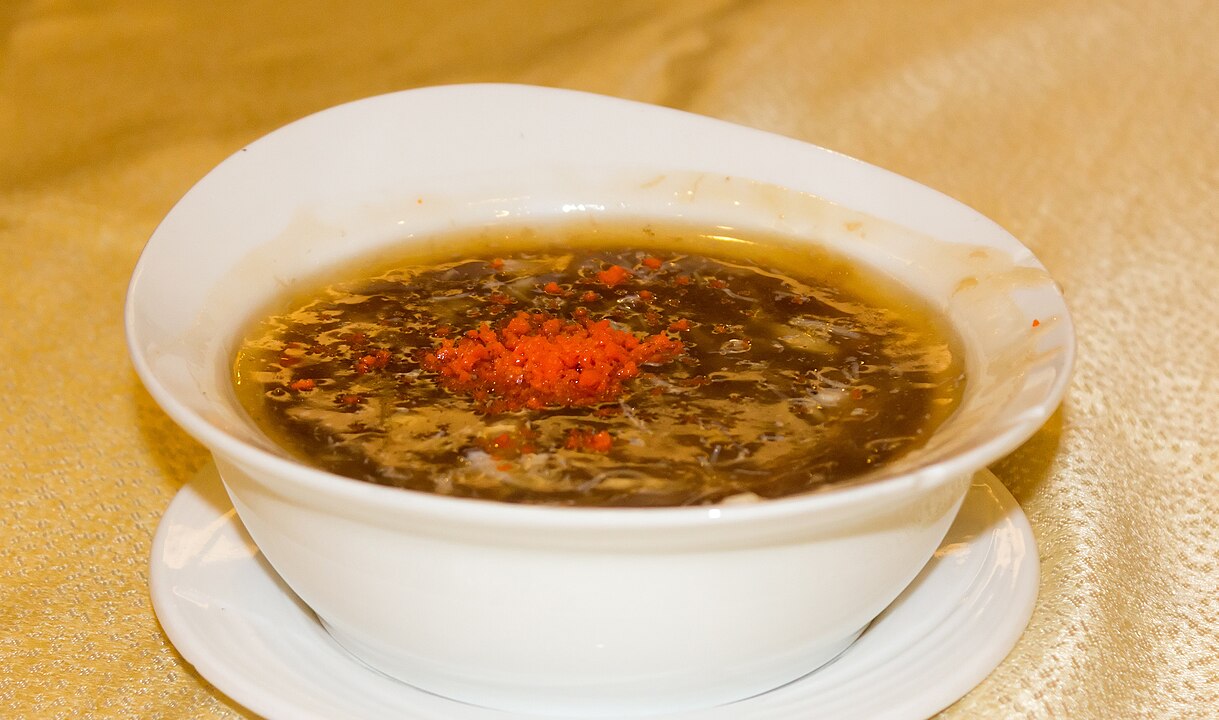
Food laws are rarely just about taste. Behind every ban sits a story about power, fear, memory, or ecology. Some dishes vanish because they threaten endangered species, others because they challenge public health rules, religious boundaries, or even transit systems. A few are casualties of overzealous regulators and moral panics. Together, these forbidden foods show how governments, activists, and communities negotiate risk and pleasure, and how a simple plate of something delicious can become a political and cultural battlefield.
Fugu: Pufferfish That Can Kill In A Single Bite
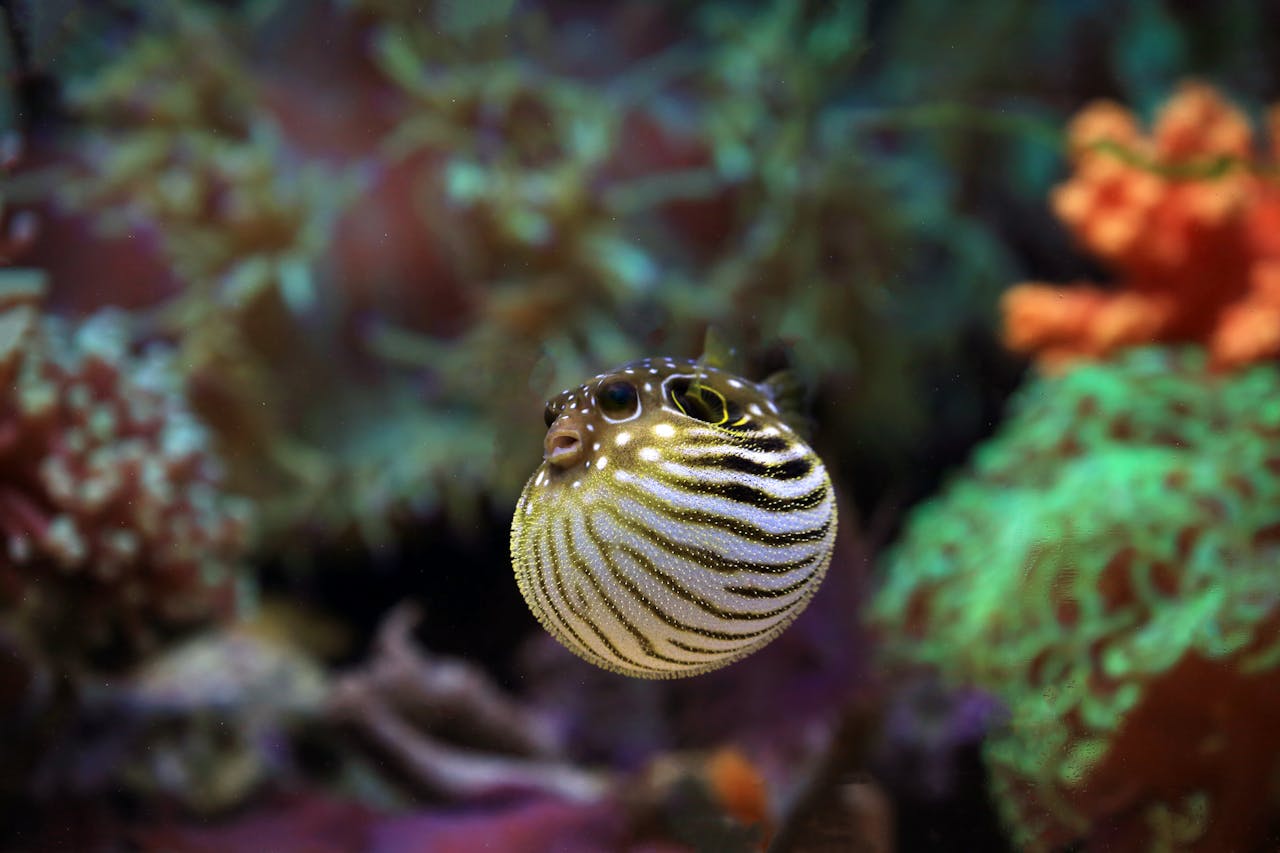
In Japan, fugu is a badge of culinary bravery, but in many countries it is treated like contraband. The fish’s organs hold a lethal neurotoxin that can paralyze muscles and stop breathing if a chef makes the slightest mistake. Japan requires years of training and strict licensing, while regions such as the European Union ban it outright. Each legal serving becomes a closely managed performance where risk, skill, and status matter as much as flavor.
Casu Marzu: Sardinia’s Illicit Maggot Cheese
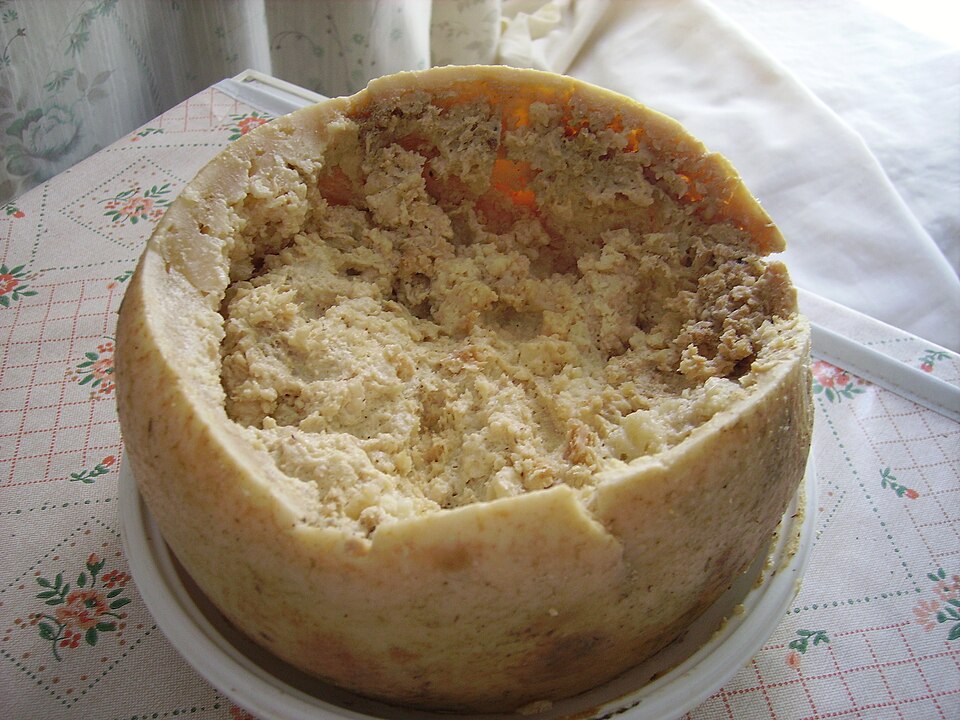
Casu marzu looks like a humble wheel of pecorino until it starts wriggling. Cheese flies are invited to lay eggs inside, and their larvae transform the interior into a pungent, oozing paste that some Sardinians revere as the ultimate expression of sheep’s milk. Food safety regulators see something else entirely. Because of contamination and infection risks, the cheese is banned from commercial sale, surviving in shadowy exchanges and family tables as a quiet act of cultural stubbornness.
Shark Fin Soup: Status Symbol Turned Conservation Target
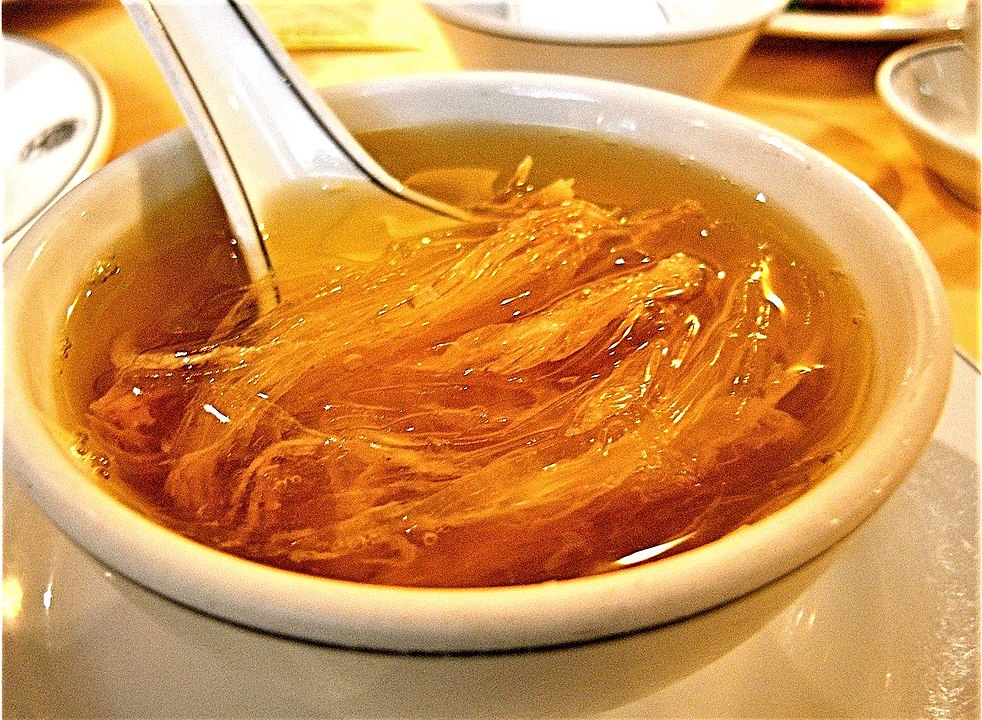
For generations, shark fin soup signaled success at weddings and banquets from Hong Kong to Jakarta. The mild-tasting broth is less important than the prestige of serving a rare and expensive ingredient. Conservationists highlight the brutal reality behind that status, with millions of sharks killed and many species pushed toward collapse. As awareness grows, countries and states restrict fin trade or ban it completely, turning one luxurious bowl into a frontline issue for ocean protection.
Foie Gras: Rich Liver At The Center Of An Ethics Fight
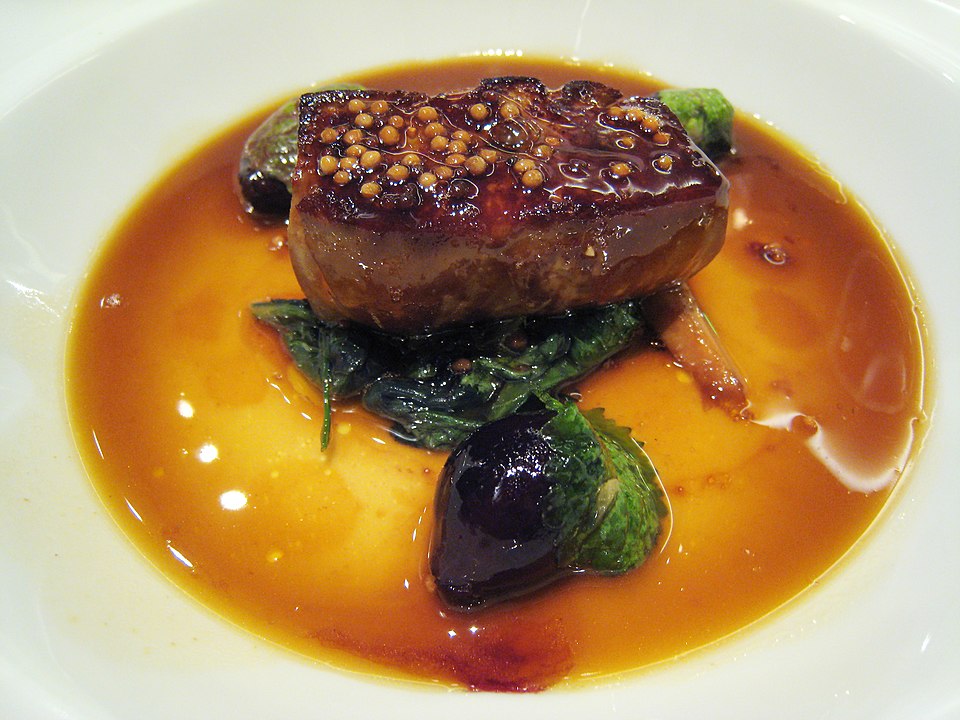
Foie gras offers a silk-smooth richness that French chefs treat as nonnegotiable heritage. The method behind it is what sparks bans. Ducks and geese are force-fed until their livers swell to many times normal size, a process that many veterinarians and activists call obvious cruelty. Some regions outlaw production, others block imports, and a few try to regulate practices into something more humane. The dish has become a test case for how far gastronomy can push animal bodies.
Kinder Surprise Eggs: Harmless Treat With A Legal Catch
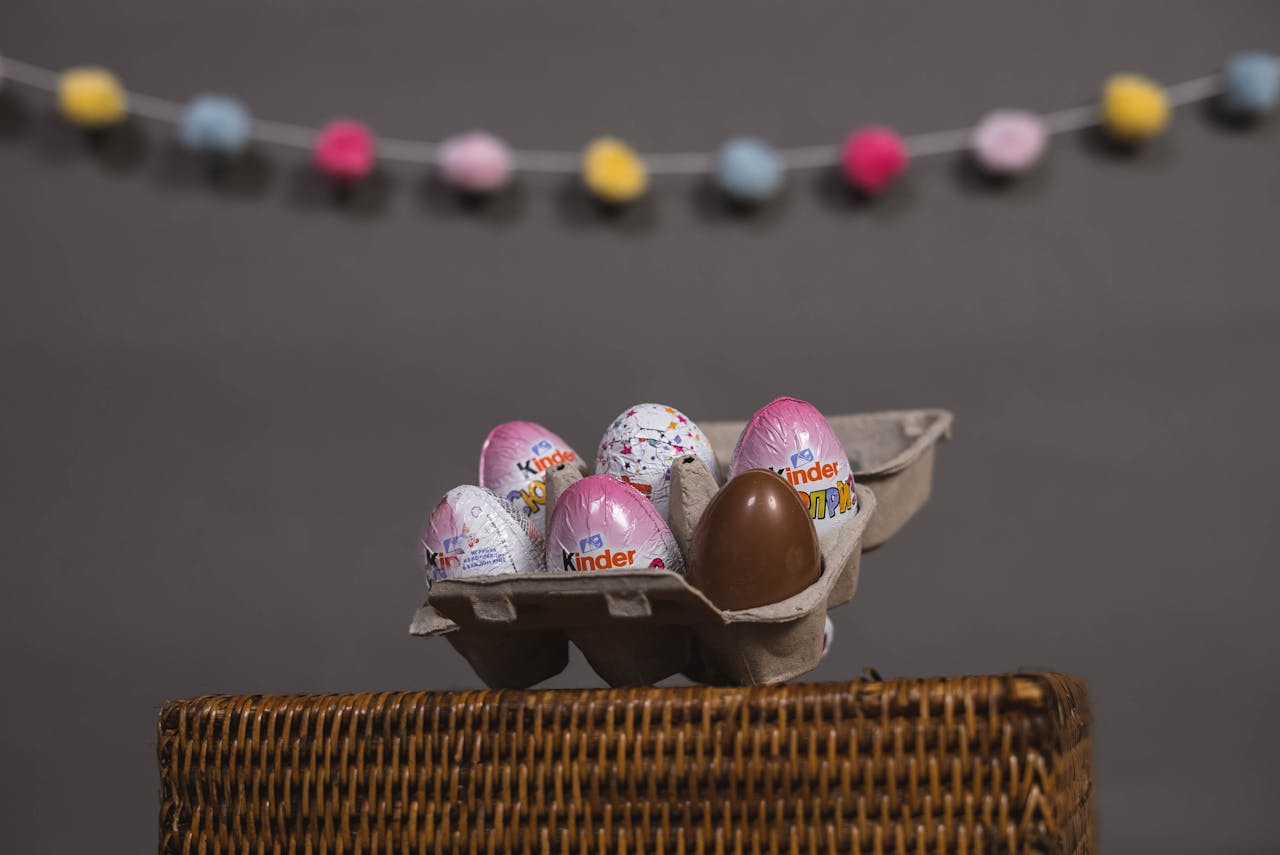
To many families abroad, Kinder Surprise eggs are just chocolate shells hiding tiny toys. In the United States, they collide directly with a long-standing rule that forbids embedding inedible objects completely inside food. Regulators worry that small children might swallow the capsules or parts, so the eggs are banned from sale and sometimes seized at the border. The manufacturer sells modified versions that separate toy from candy, a reminder that even whimsy can fall foul of strict code.
Chewing Gum In Singapore: Sticky Nuisance Turned Civic Crime

Singapore treats cleanliness and efficiency as nonnegotiable public goods. In the early 1990s, chewed gum stuck in train doors, under seats, and across sidewalks became a symbol of disorder and unnecessary cost. The government responded with an almost total ban on gum import and sale, except for approved medical products. Violations bring fines rather than a casual warning. A small, sugary habit ended up reshaping how an entire city thinks about personal responsibility in shared spaces.
Raw Milk And Unpasteurized Cheese: Tradition Under Scrutiny
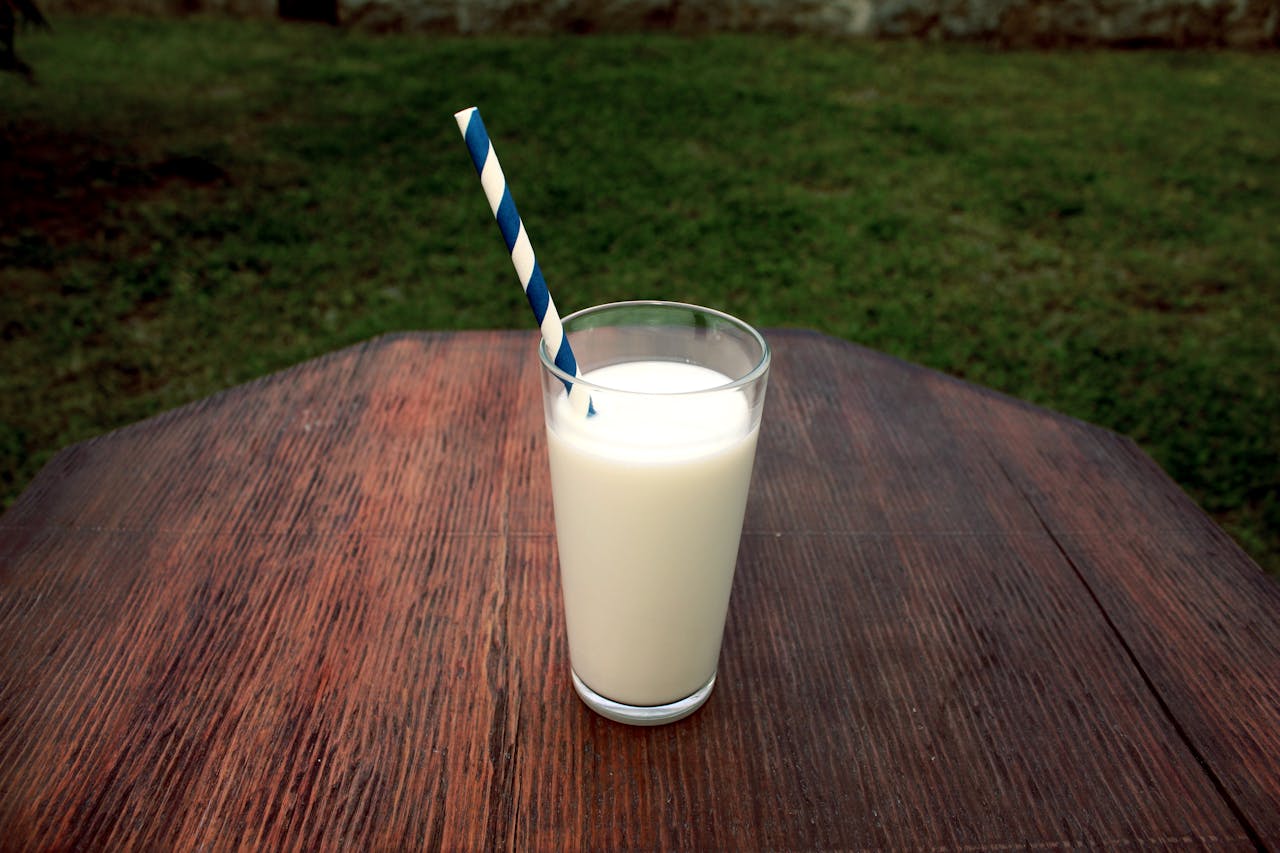
Raw milk and unpasteurized cheeses carry a romantic glow for those who prize old methods and complex flavors. Without pasteurization, though, they can host harmful bacteria that pose real risks to children, pregnant people, and anyone with fragile health. Different countries land in different places. Some allow sales only under tight rules and warning labels, others ban most forms entirely, and a few protect famous traditional cheeses as cultural treasures. Safety science and heritage keep colliding in each glass.
Beluga Caviar: Endangered Luxury Pushed Off The Market
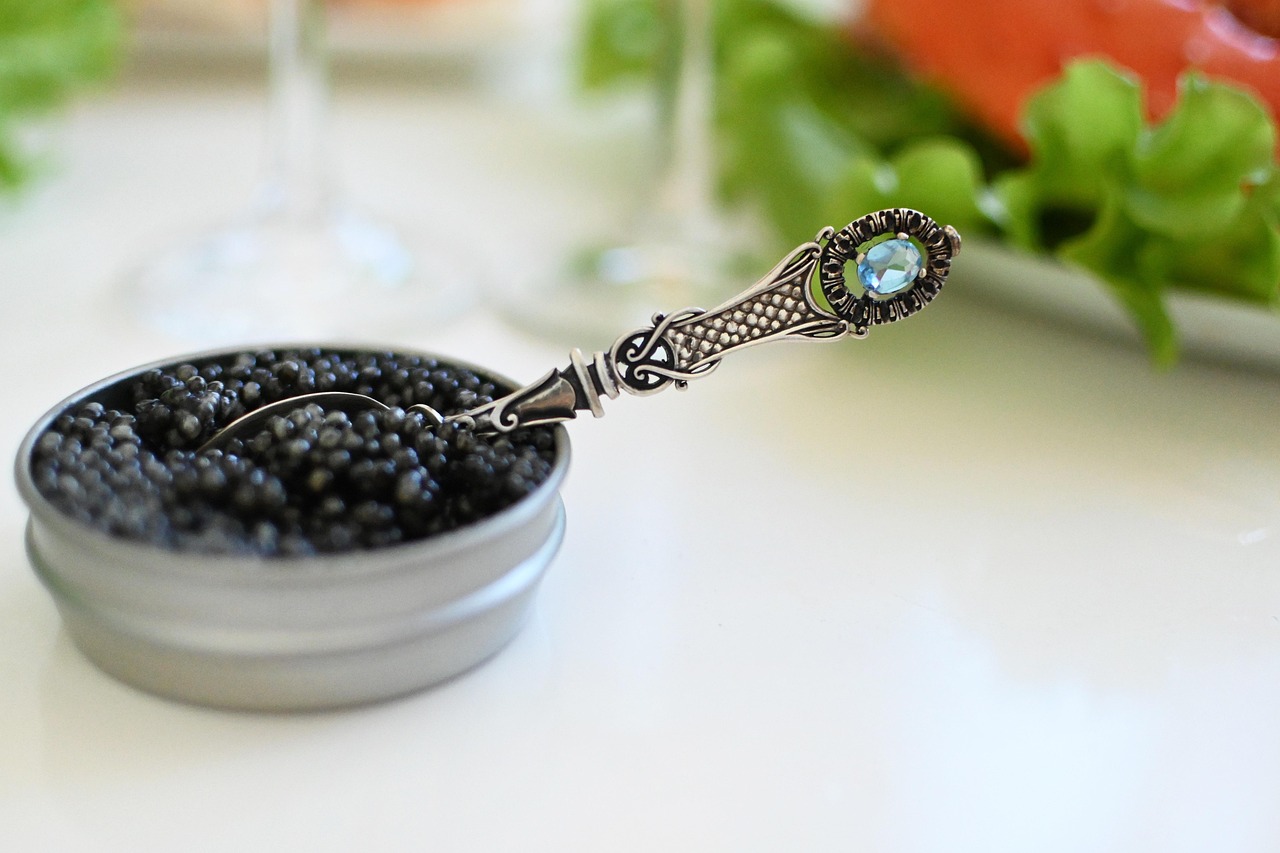
Beluga caviar became shorthand for wealth, served in small spoonfuls that cost more than many entire meals. The sturgeon that produces it is slow to mature and easy to overexploit, and decades of demand nearly wiped wild populations from key rivers. Governments responded with trade bans and strict controls, especially on true beluga from the Caspian Sea. Farms and substitutes try to fill the gap, but the old image of limitless tins in lavish dining rooms is gone.
Poppy Seeds: Baking Staple Treated As Suspicious Cargo
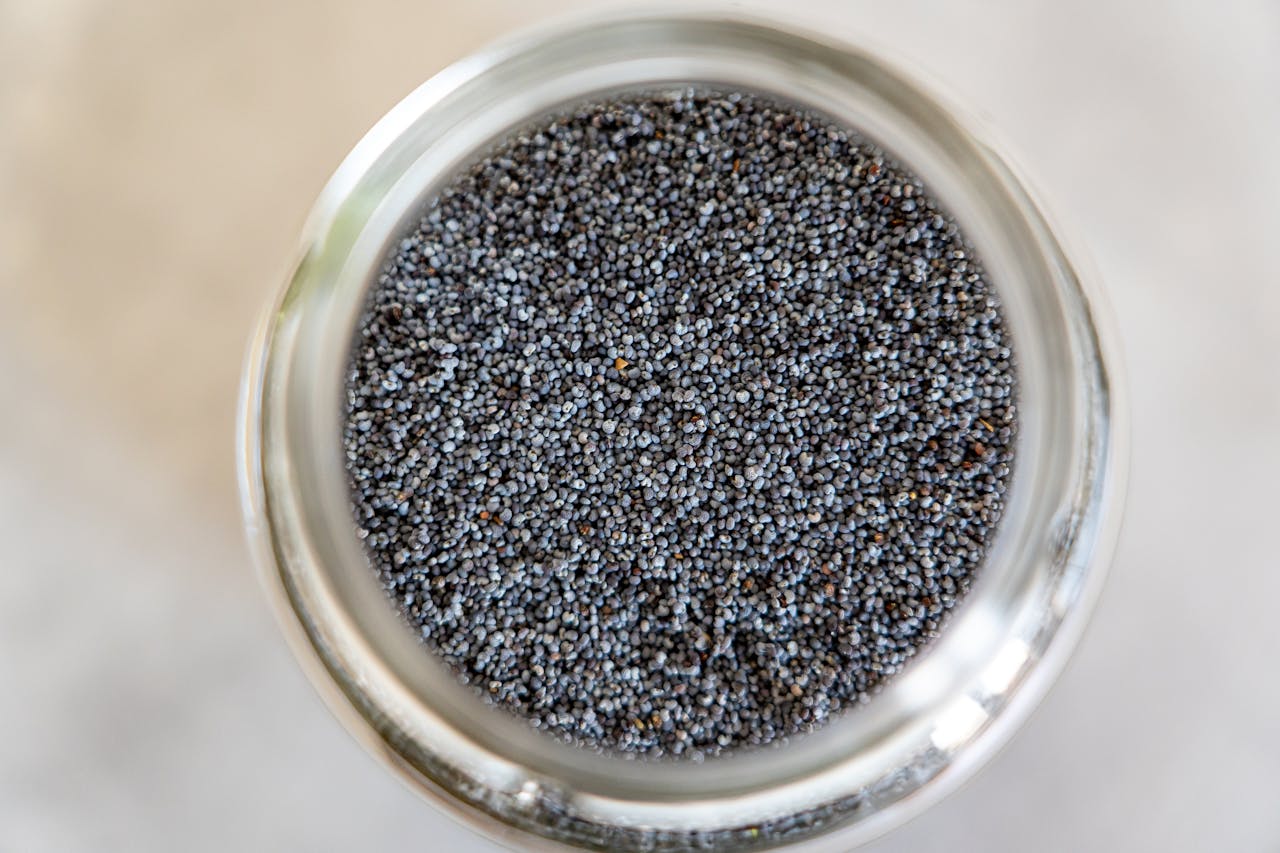
In many countries, poppy seeds are nothing more than crunchy toppings on rolls, cakes, and noodles. In others, they are tightly controlled or outright banned because of their link to opium poppies. Even trace residues can complicate drug enforcement and testing. Some Middle Eastern states refuse import shipments entirely, and travelers have faced interrogation over a single packet in luggage. A harmless-seeming bakery ingredient becomes a security issue once it crosses the wrong border.
Haggis With Sheep Lung: Scotland’s National Dish Blocked
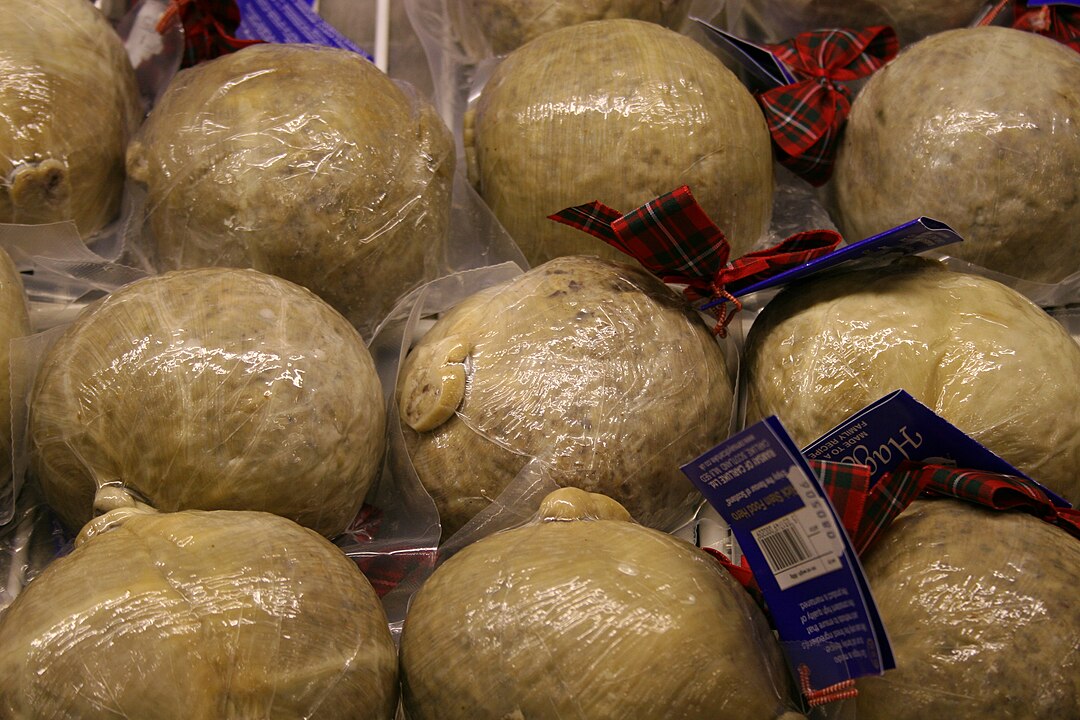
Traditional Scottish haggis blends minced sheep heart, liver, and lung with oats and spices, then simmers the mixture in a casing. The lung is the sticking point abroad. Food rules in the United States and some other markets forbid animal lungs in human food because inspectors cannot easily verify contamination inside that tissue. As a result, classic haggis cannot be sold there, only modified versions that purists dismiss as incomplete. A technical regulation ends up reshaping a cultural icon.
Ortolan Bunting: Tiny Bird With Outsize Moral Weight
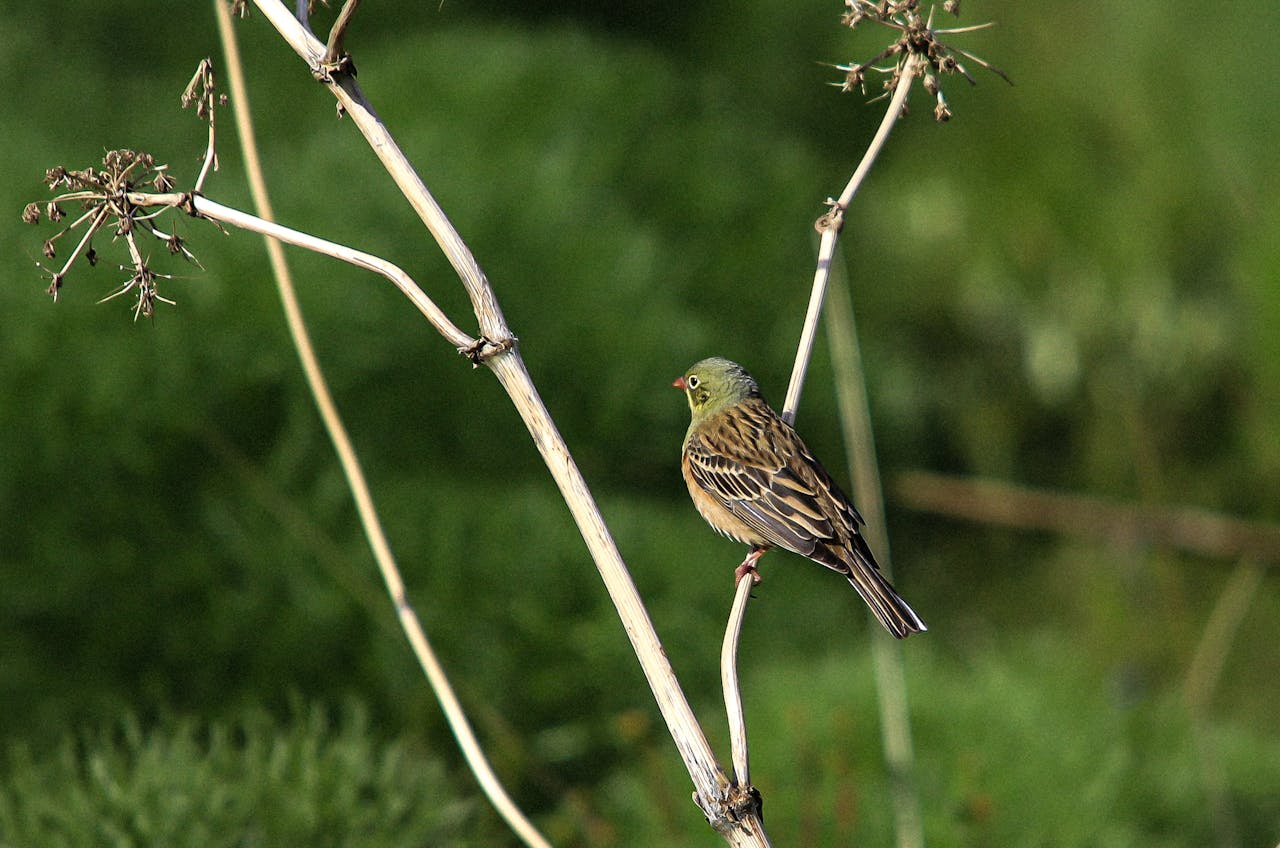
The ortolan bunting is a small migratory songbird that once appeared in secretive French feasts. Birds were fattened, drowned in alcohol, and eaten whole, often under a linen cloth. The ritual carried layers of symbolism about sin, shame, and indulgence, but it also helped drive populations downward. Europe eventually banned hunting and serving the bird, and France began enforcing those rules more seriously. The dish now lives mostly in memory and debate about indulgence, cruelty, and loss.
Samosas In Militant-Controlled Somalia: Snack Turned Symbol
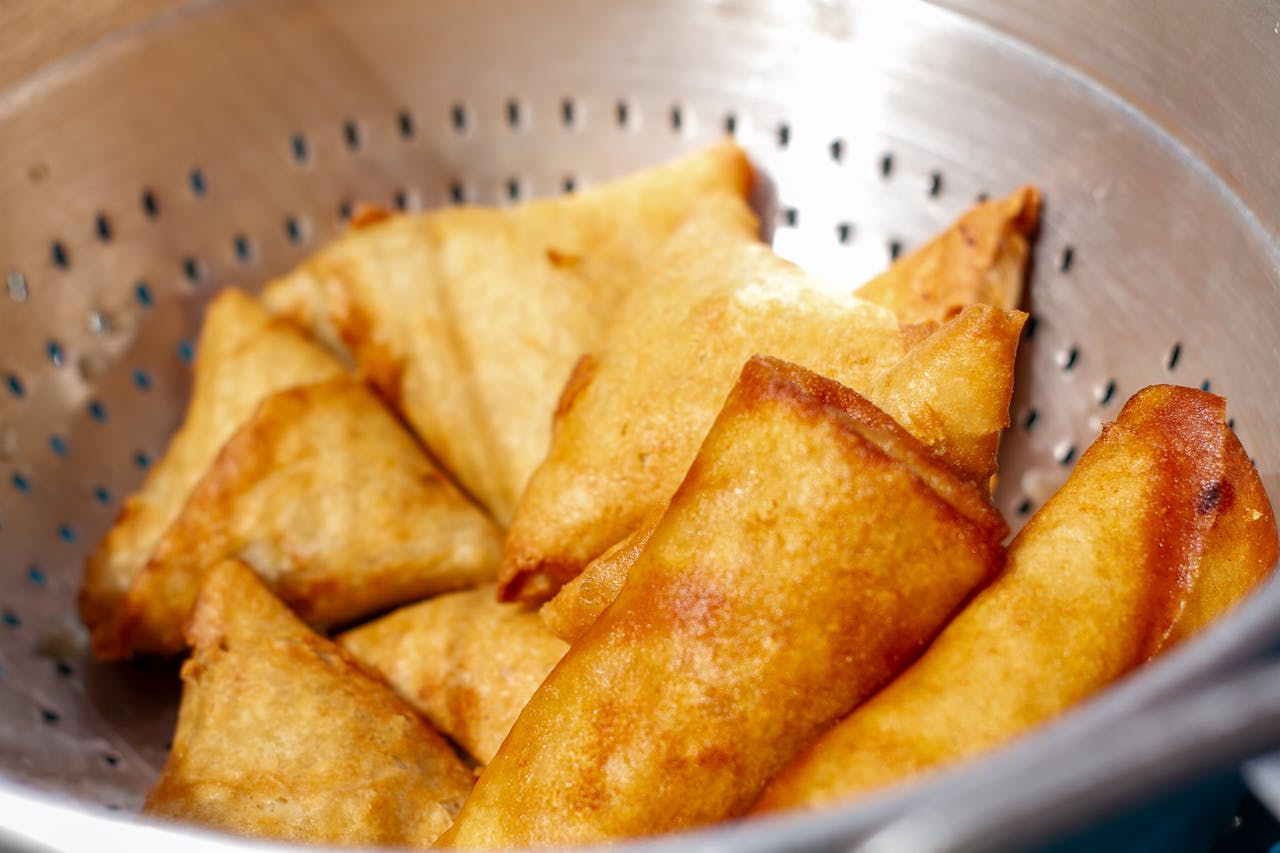
In parts of Somalia once controlled by the militant group al Shabaab, the simple samosa briefly became a target. Fighters reportedly objected to the pastry’s triangular shape, claiming it echoed Christian religious symbols. Street vendors and families suddenly saw a beloved, inexpensive snack framed as suspicious. The ban never had formal international weight, but it showed how ideology can reach deep into everyday food, turning an easy, shared pleasure into a quiet act of resistance and identity.