Across the United States, certain foods sit in a strange limbo between nostalgia and contraband. Lawmakers, health agencies, and activists keep pulling in different directions, leaving some ingredients heavily restricted while others vanish from menus altogether. Behind each ban is a mix of ethics, public health fears, environmental worries, and plain cultural discomfort. Taken together, these choices show how a country that celebrates freedom still draws sharp lines around what is allowed on the plate.
Kinder Surprise Eggs: Chocolate With A Hidden Catch
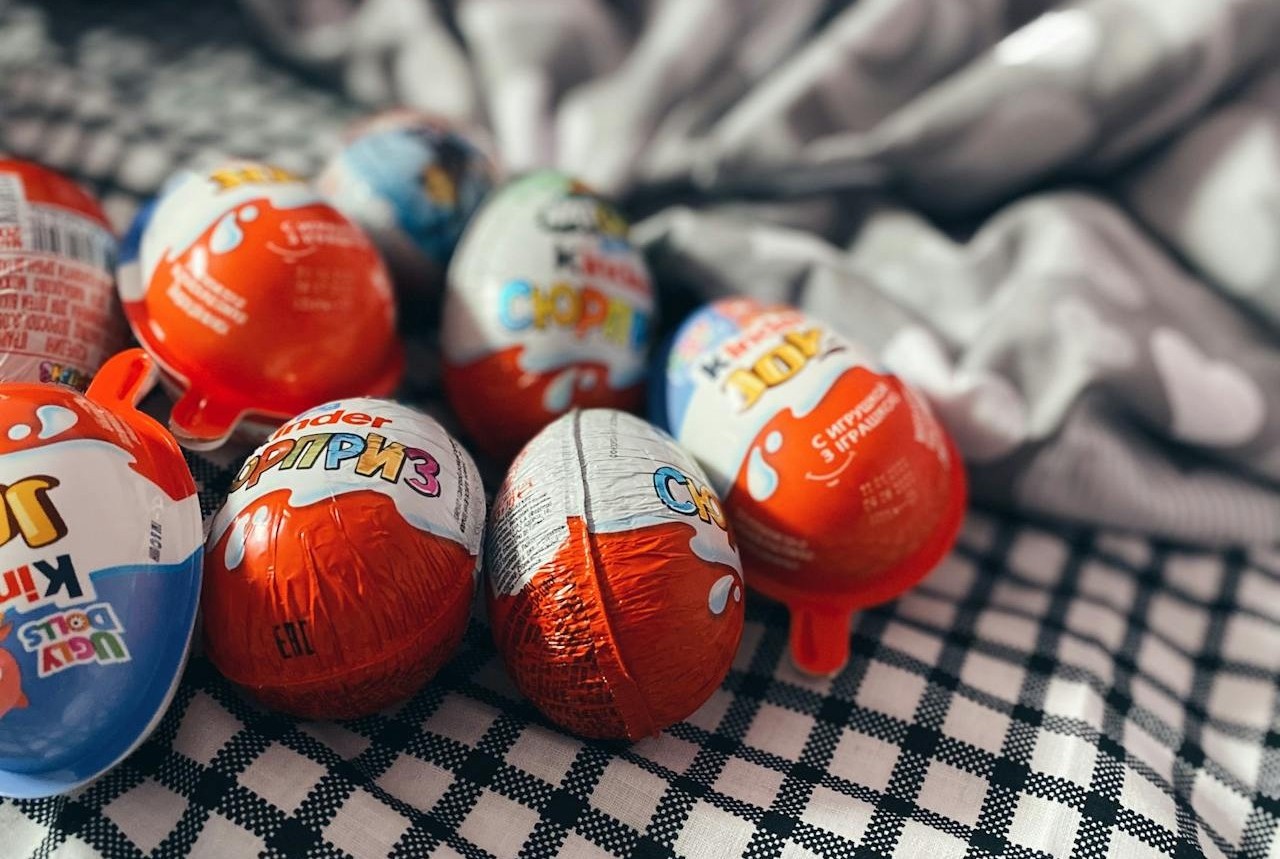
Kinder Surprise eggs look like harmless treats, but federal rules treat them as small hazards wrapped in foil. The problem is the hard plastic capsule buried inside the chocolate, which regulators see as a choking risk for young children. That tucked away toy puts the candy in violation of laws that forbid embedding non food objects in sweets. For travelers, the result is surreal: officers can confiscate a snack that seems far less dangerous than plenty of legal sugary options.
California Foie Gras: Ethics Versus Indulgence
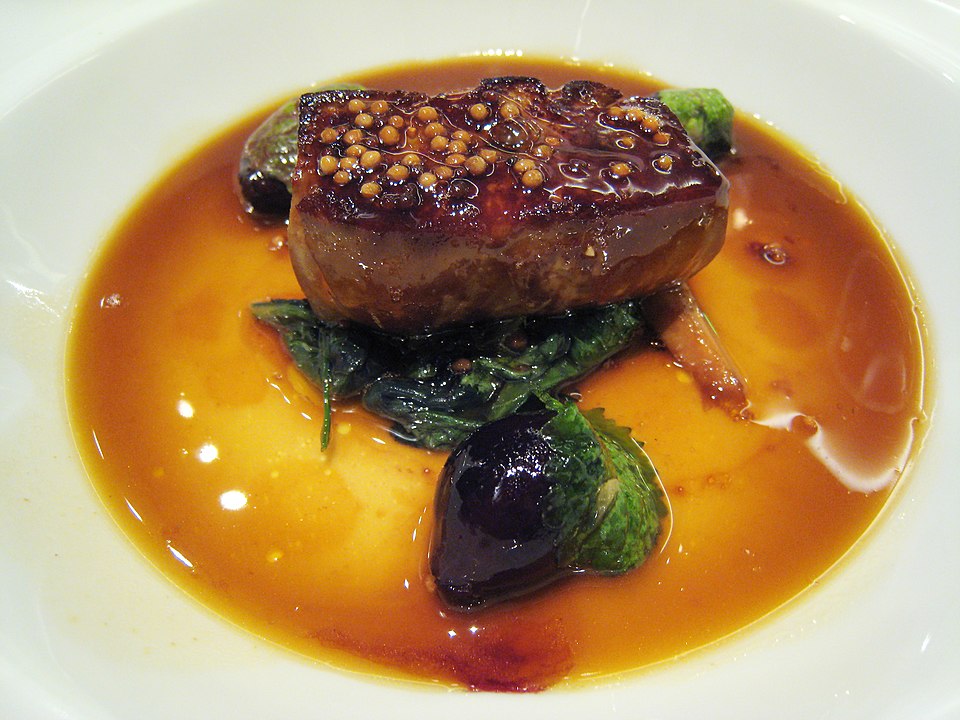
In California, foie gras turned into a symbol of how far people are willing to go for a rich, silky bite. Ducks and geese are force fed to enlarge their livers, a practice critics argue leaves the birds struggling to move or breathe. The state eventually banned the sale of foie gras made this way, after years of legal battles and tense chef protests. Some diners still hunt for loopholes or private tastings, while others see the absence as a quiet moral win.
Shark Fin Soup: Tradition Meets Conservation
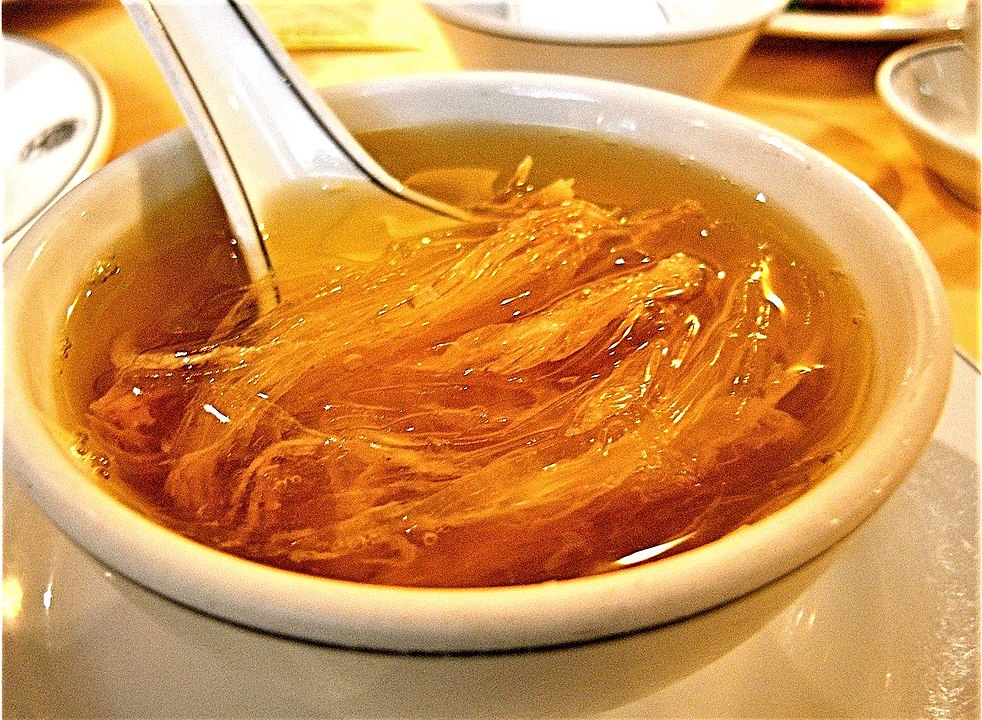
Shark fin soup once carried status at weddings and banquets, but it now sits at the center of a conservation fight. Several states and federal rules have moved to block the sale and trade of fins because many sharks are killed just for that single piece. Removing apex predators at scale can wreck marine ecosystems for decades. Supporters of the bans argue that culture can adapt, while defenders of the dish feel singled out, even as shark populations continue to slide.
Raw Milk: Pastoral Dream, Public Health Headache
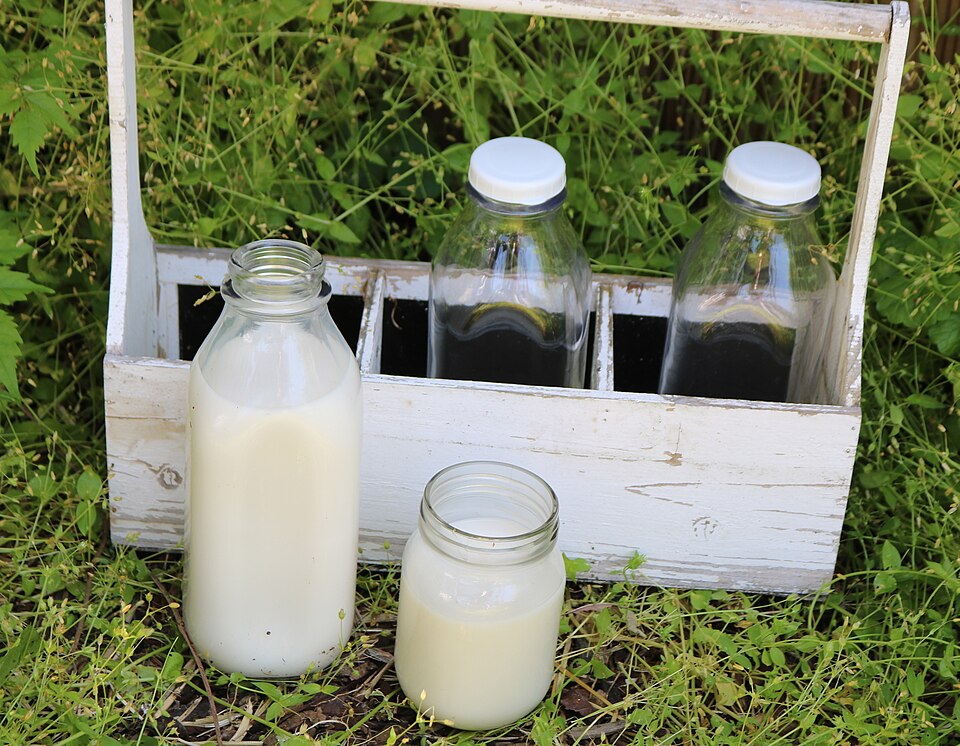
Raw milk represents a kind of farmhouse ideal, milk delivered with no pasteurization, no heat step, just straight from animal to bottle. Health officials see something very different on lab reports, filled with bacteria that can cause severe illness, especially in children, older adults, and pregnant women. Some states allow limited sales with warning labels or farm share schemes, while others block store shelves altogether. Fans describe deeper flavor and benefits, but outbreak data keeps regulators cautious and the debate permanently tense.
Old-School Sassafras: Root Beer’s Ghost Flavor
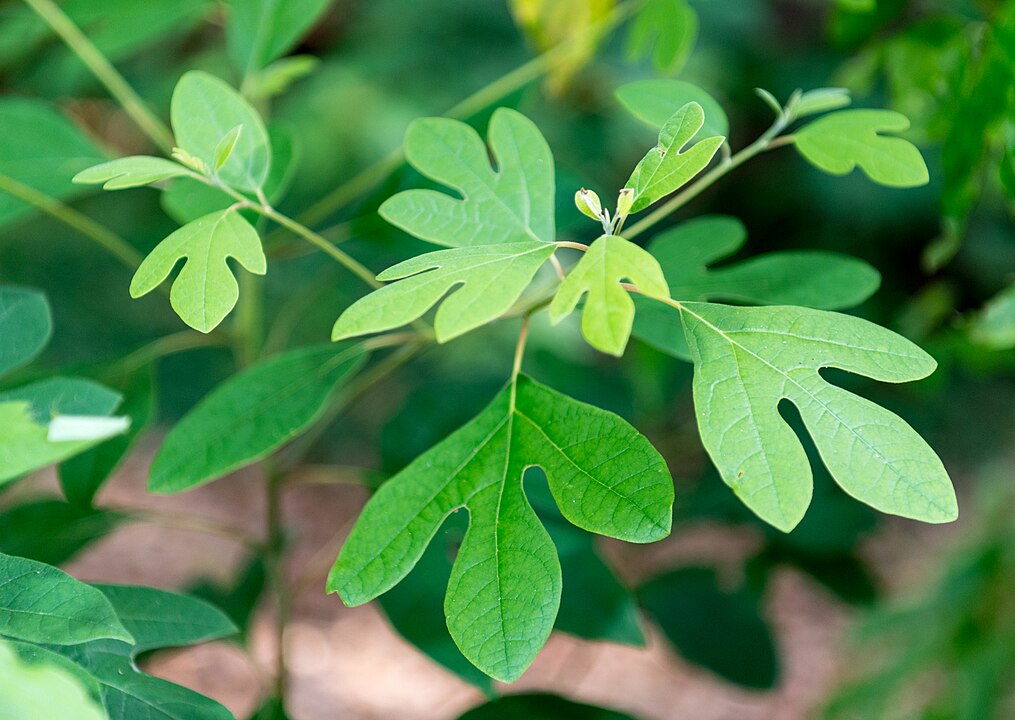
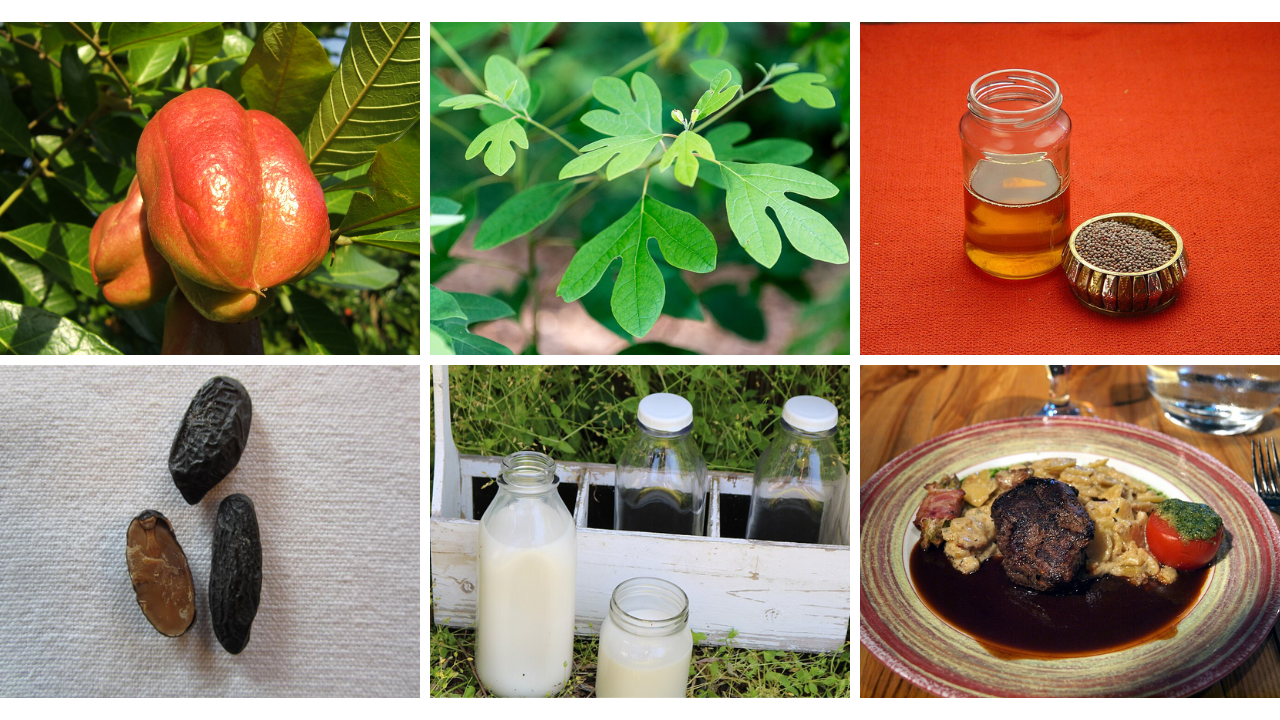
Sassafras once gave traditional root beer its distinct forest like aroma, the kind that made homemade brews feel almost medicinal. Studies later linked safrole, a natural compound in sassafras oil, to liver tumors in animals when consumed in high doses. The Food and Drug Administration stepped in and banned safrole as a food additive, pushing major brands to switch to artificial or safrole free versions. Modern root beer still foams and fizzes, but that classic note is now more memory than ingredient.
Tonka Beans: The Forbidden Vanilla Cousin
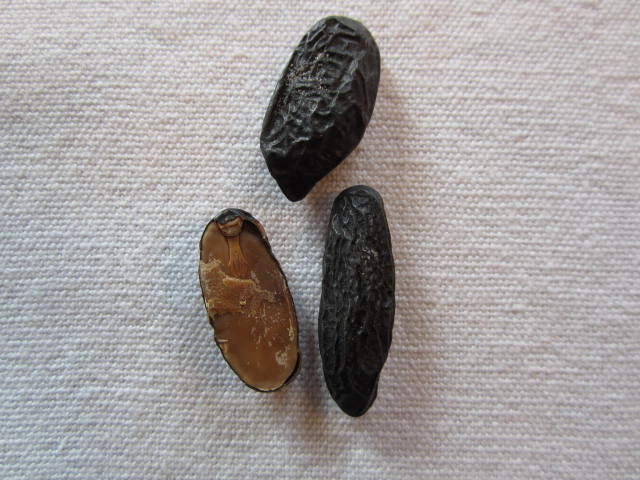
Tonka beans are small, wrinkled seeds that smell like an intense mix of vanilla, almond, and warm hay, which makes pastry chefs obsessed with them. They also contain coumarin, a compound that caused liver damage in animal experiments at high intake levels. Because of that, regulators banned tonka as a flavoring in food, at least on paper. In practice, some chefs still sneak tiny shavings into desserts for special guests, turning a simple bean into something that feels half perfume, half secret.
Traditional Haggis: One Organ Too Many

Traditional Scottish haggis has a reputation for being fearless comfort food, but American rules collide with one specific part of the recipe. Sheep lung is banned from human food because inspectors worry about trapped fluids, contaminants, and difficulty checking quality. That means authentic imported haggis cannot legally cross the border in its classic form. Producers offer lung free versions and say the spirit is intact, while purists insist that without the full mix, the dish turns into just another heavy sausage.
Casu Marzu: The Cheese That Still Moves
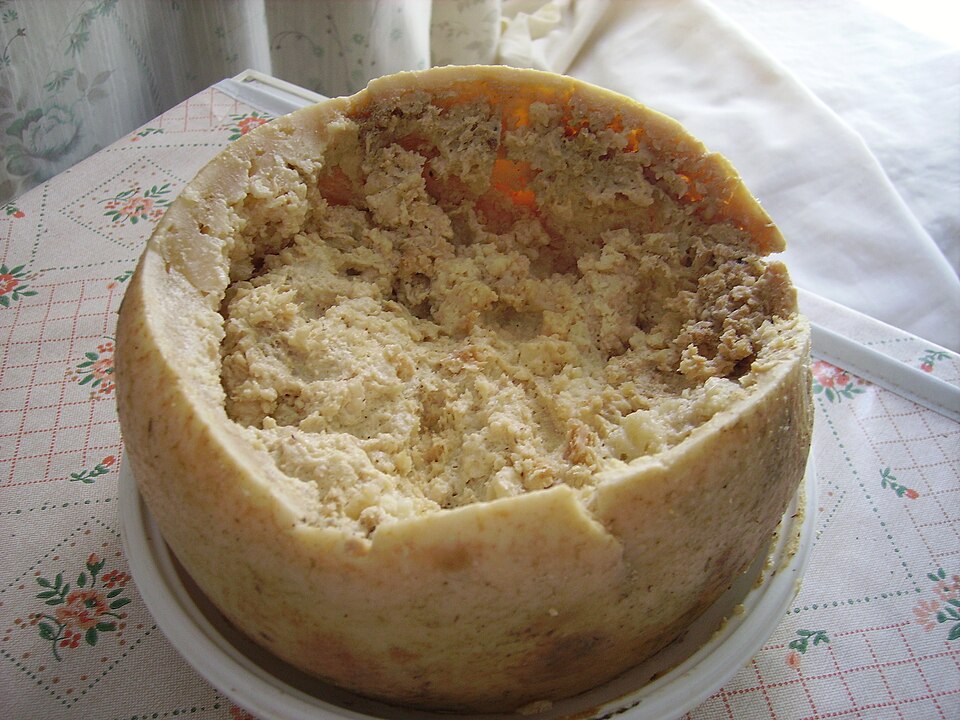
Casu marzu, a Sardinian sheep cheese, earns its notoriety because producers invite cheese fly larvae to break down the interior. The result is a soft, oozing paste that some locals swear is unmatched in flavor and intensity. Regulators focus on the idea that live larvae might survive in the human gut or introduce serious contamination. That concern keeps casu marzu off legal import lists. For most Americans, the cheese lives as a viral curiosity rather than something that could ever appear on a board.
Beluga Caviar: Protected By Scarcity
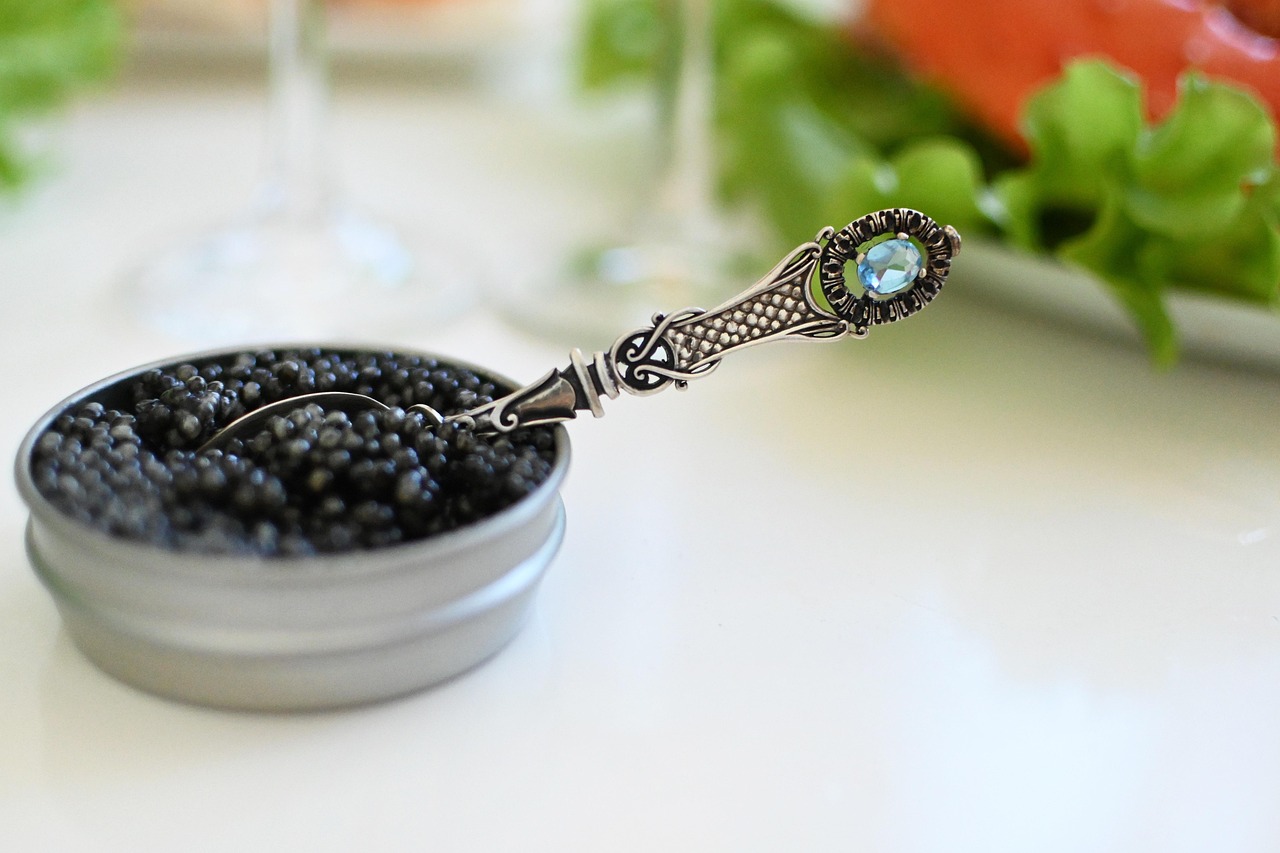
Beluga caviar is prized for large, delicate eggs that almost melt on the tongue, but the fish behind it is in deep trouble. Beluga sturgeon from the Caspian and Black Seas have been hammered by overfishing, pollution, and habitat loss, pushing them toward extinction. In response, the United States imposed strict bans on importing true beluga caviar to reduce pressure on wild stocks. High end diners now turn to farmed alternatives and hybrid species, while pure beluga remains as much myth as menu item.
Ackee Fruit: Dangerous When Unripe
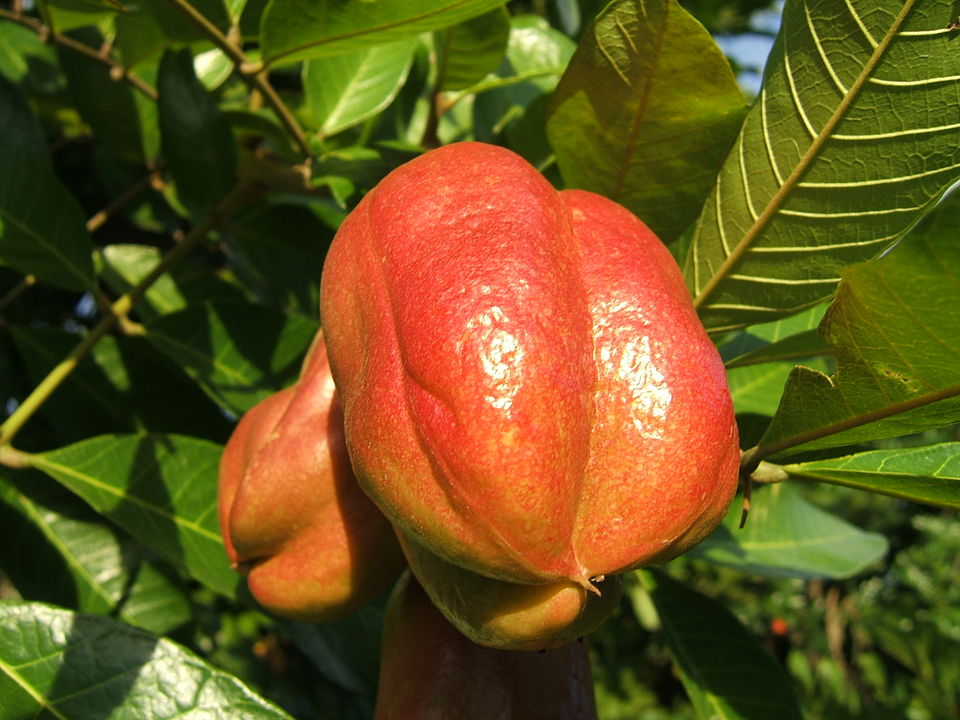
Ackee holds a place of pride in Jamaican cuisine, especially paired with salted fish, but the fruit comes with a dangerous catch. When unripe, it contains toxins that can trigger sudden drops in blood sugar, seizures, and even death, a condition once known as Jamaican vomiting sickness. To avoid accidental poisonings, United States regulators heavily restricted imports and demanded strict controls on processing and ripeness. For many Caribbean families abroad, safe canned ackee becomes a guarded taste of home, not a routine pantry staple.
Mustard Oil: A Kitchen Staple With Caveats
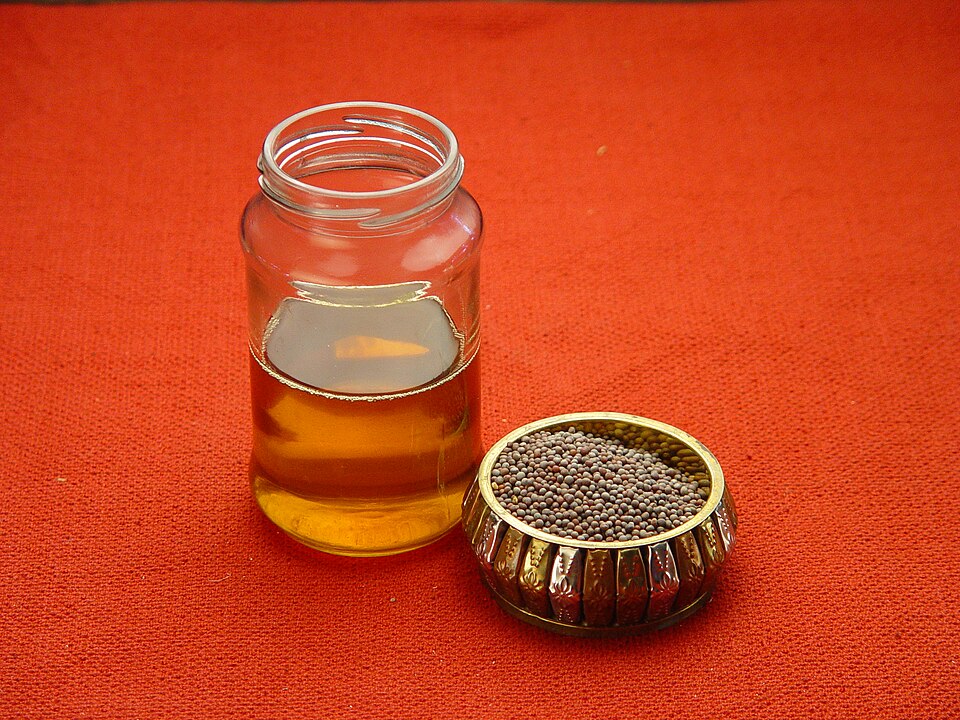
Mustard oil is a familiar smell in many South Asian kitchens, sharp and almost nose clearing when it hits a hot pan. Concerns about erucic acid, a fatty acid linked in some animal studies to heart damage at high levels, pushed American authorities to flag it. Bottles in grocery stores often carry labels that say it is for external use, as massage or hair oil, not food. Some households still cook with it anyway, relying on tradition and moderation rather than official approval.
Horse Meat: Cultural Line In The Sand
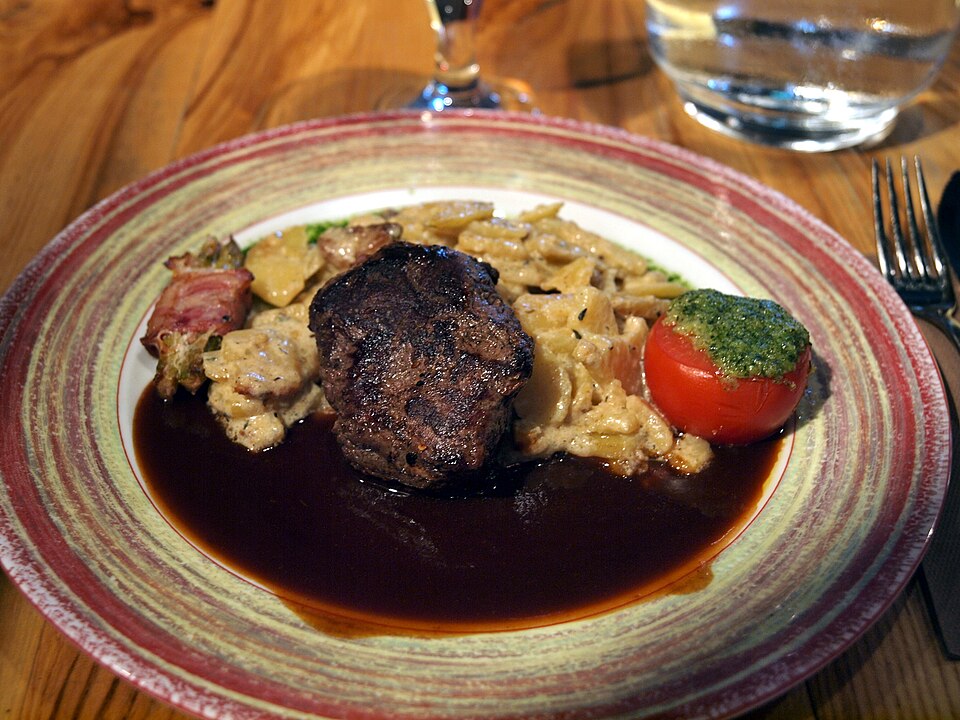
Horse meat is not inherently unsafe to eat, but the idea collides with how many Americans think about animals and companionship. Over time, several states passed laws against slaughtering horses for human consumption, and federal budgets blocked funding for inspections that slaughterhouses would need to operate. The combined effect is a practical ban, even if the law does not read like a simple prohibition. In other countries, horse steaks stay on menus; in the United States, the reaction is closer to outrage than curiosity.