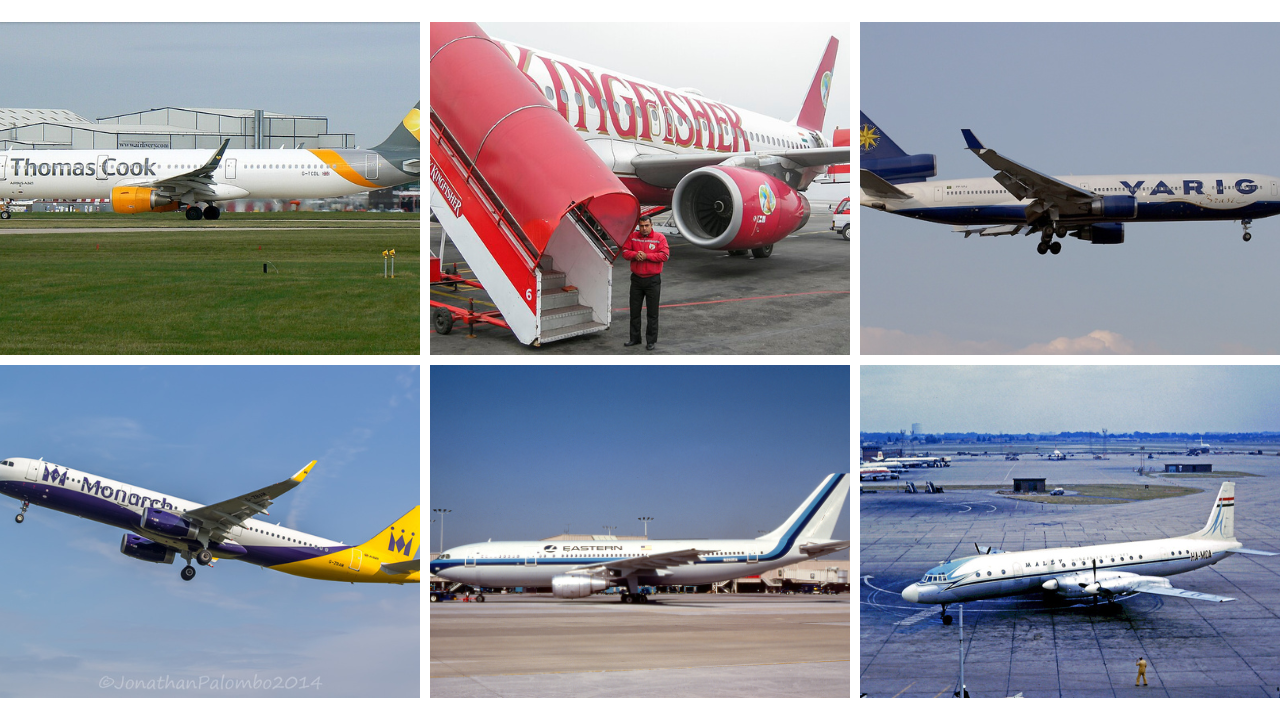
For much of the twentieth century, airline names carried a special kind of promise, stitched onto uniforms and stamped onto paper tickets. Some of those names have since vanished from departure boards, yet they still live on in family stories, old luggage tags, and aviation museums. Looking back at disappeared airlines is not only about nostalgia for free meals and roomy seats. It also shows how debt, deregulation, geopolitics, and shifting travel habits quietly reshaped the skies and left once mighty carriers grounded for good.
Pan American World Airways
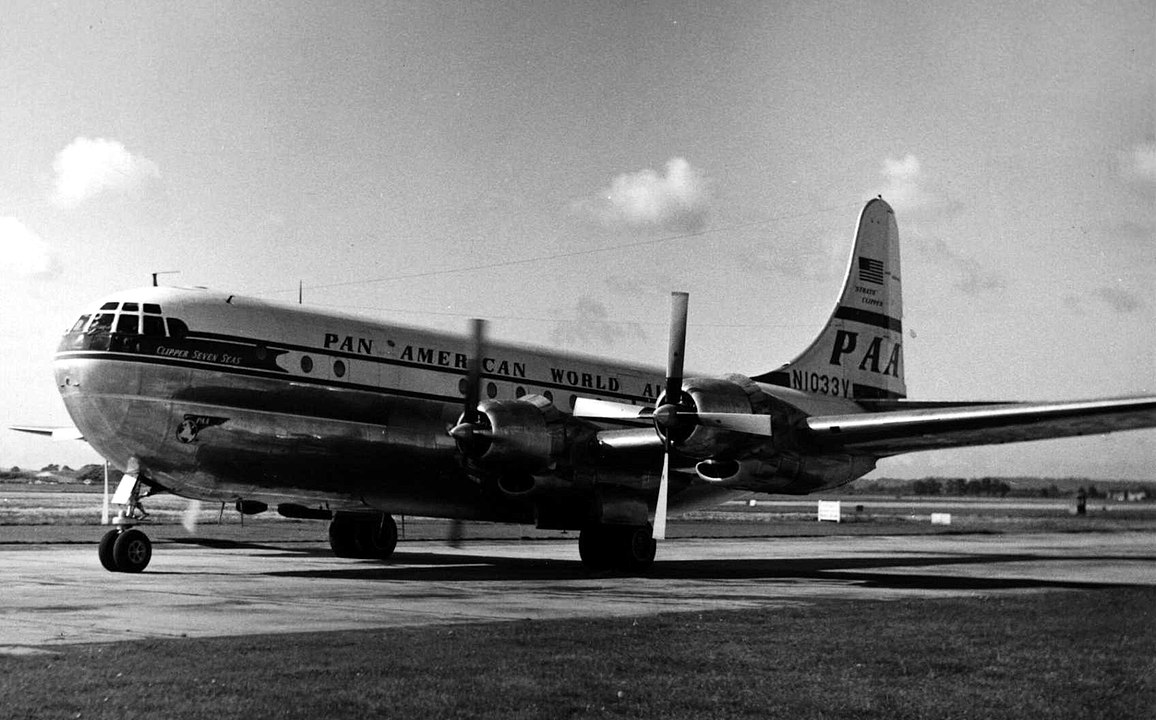
Pan American World Airways, better known as Pan Am, became a symbol of glamorous long haul flying, with globe spanning routes and iconic blue liveries. Its fortunes faded as fuel costs soared, deregulation squeezed fares, and newer rivals chipped away at market share. The Lockerbie bombing damaged both finances and reputation at a vulnerable moment. Asset sales and route cutbacks bought only a little time. By late 1991, after a final attempt to reorganize under bankruptcy protection, Pan Am shut down, leaving a powerful legacy in aviation design and culture.
Trans World Airlines
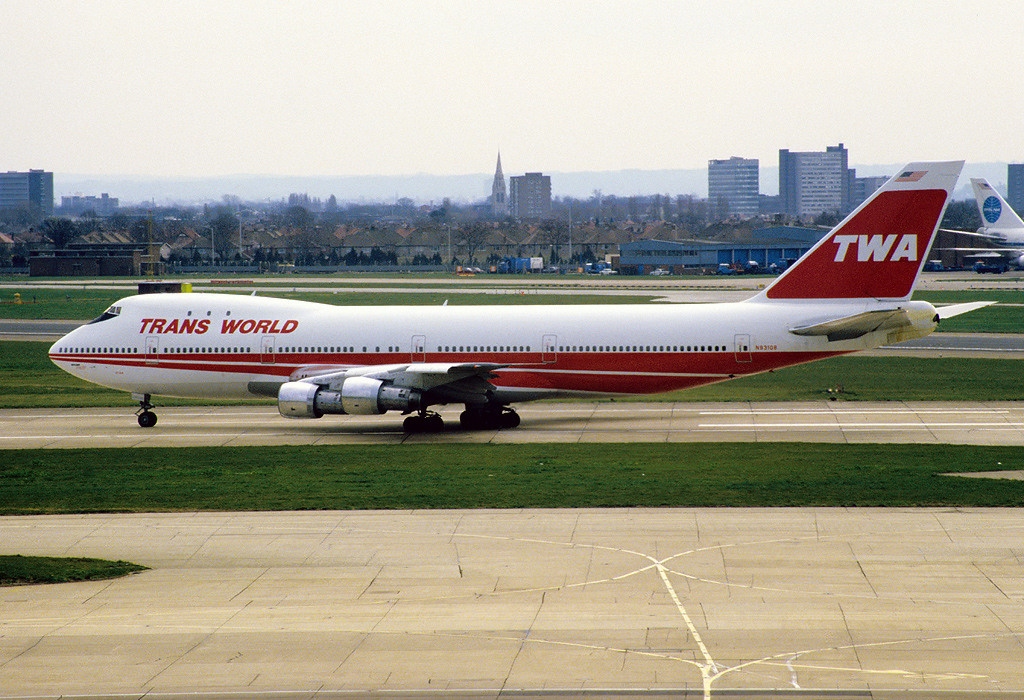
Trans World Airlines grew from a mail carrier into one of the most recognizable names in American aviation, linking coasts and continents from its hubs in St. Louis and New York. It became famous for stylish cabins and an instantly recognizable terminal at JFK that celebrated the jet age. Decades of heavy debt, intense fare wars after deregulation, and several trips through bankruptcy left the airline fragile. In 2001, American Airlines acquired most of its assets, routes, and employees. The TWA name disappeared from tickets, but its history still fascinates aviation fans and designers.
Swissair
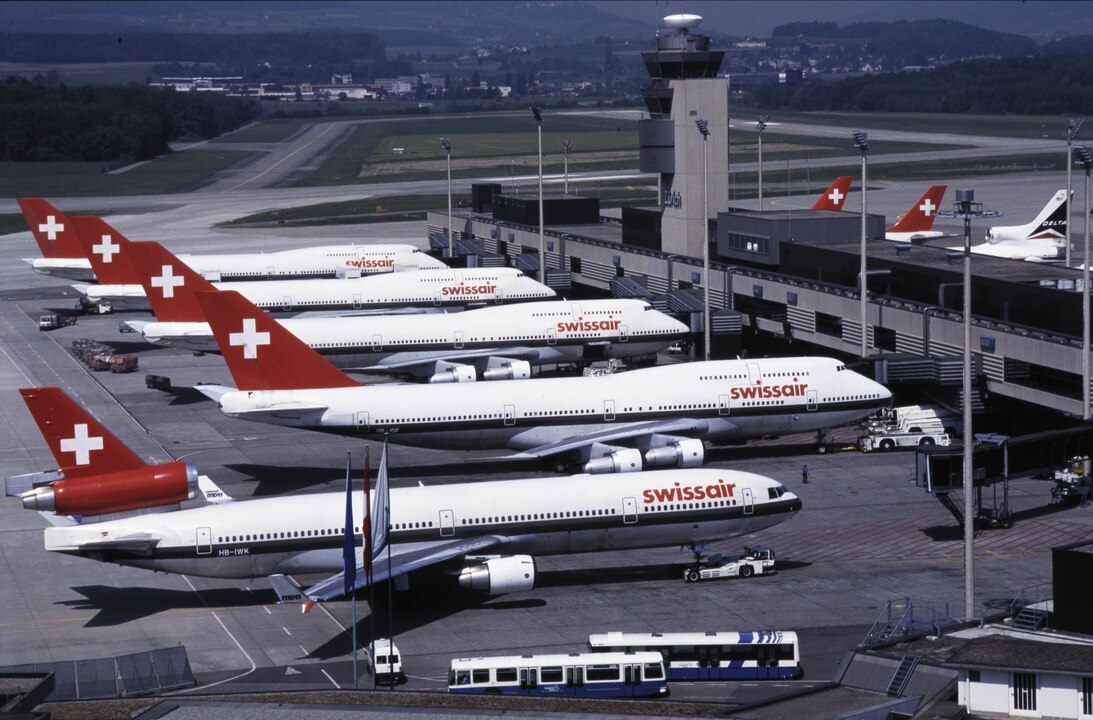
Swissair built a reputation for meticulous service and punctual operations that mirrored Switzerland’s image abroad. For years the airline was seen as financially conservative and almost untouchable, which made its later collapse even more shocking at home. An aggressive strategy of buying stakes in weaker European carriers in the late 1990s created a fragile network of losses. When demand slumped and credit tightened after Sept. 11, cash simply ran out. Aircraft were grounded almost overnight in 2001, stranding passengers. A new company, Swiss International Air Lines, eventually took over many routes but not the old identity.
Sabena
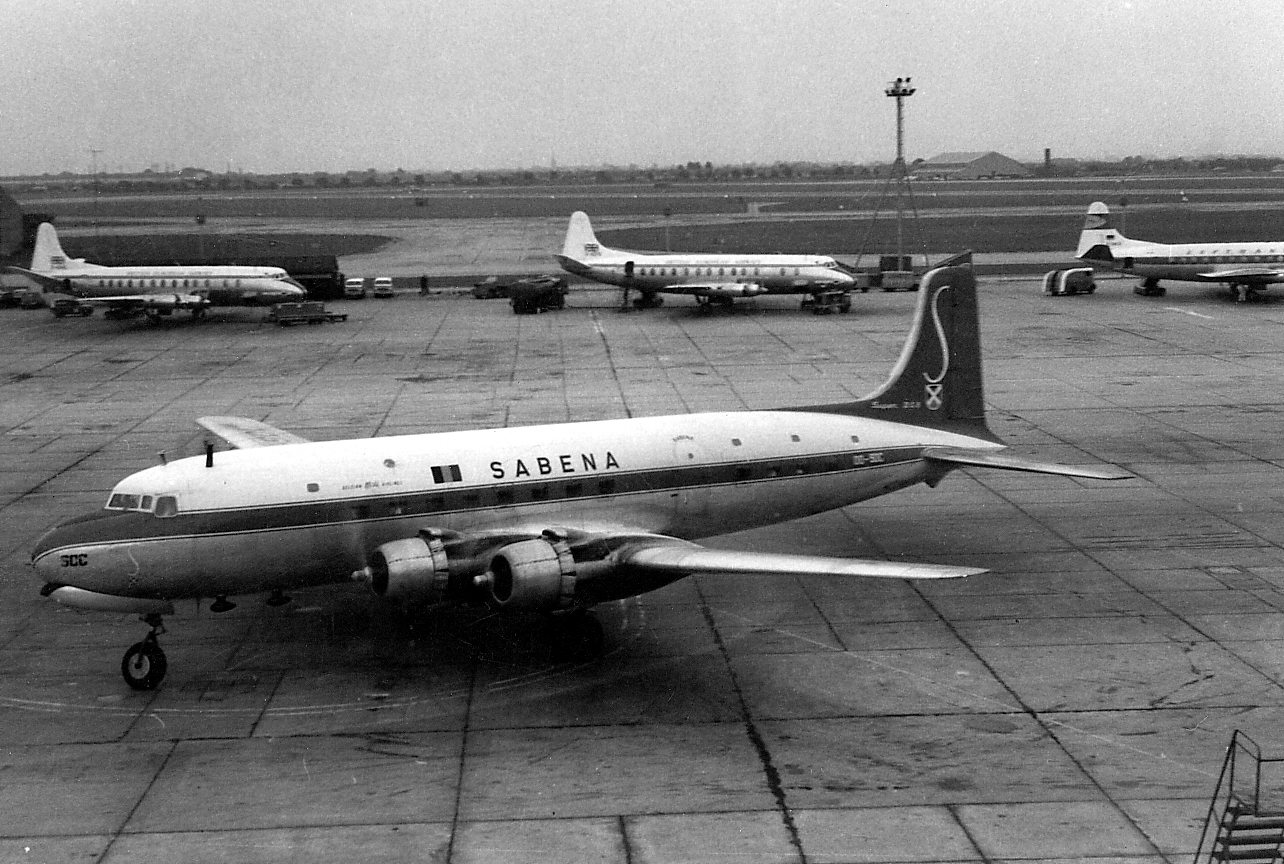
Sabena served as Belgium’s flag carrier for most of the twentieth century, connecting Brussels with Africa, North America, and key European cities. For many Belgians, the white and blue aircraft became part of family journeys, student trips, and business travel memories. Behind the scenes, chronic losses, ambitious fleet decisions, and complex ties to Swissair left the airline exposed. When promised funds from its major partner failed to arrive in 2001, Sabena ran out of money and entered liquidation. Its final flight in November of that year felt like a national farewell and a quiet reshaping of Brussels Airport.
Air Berlin
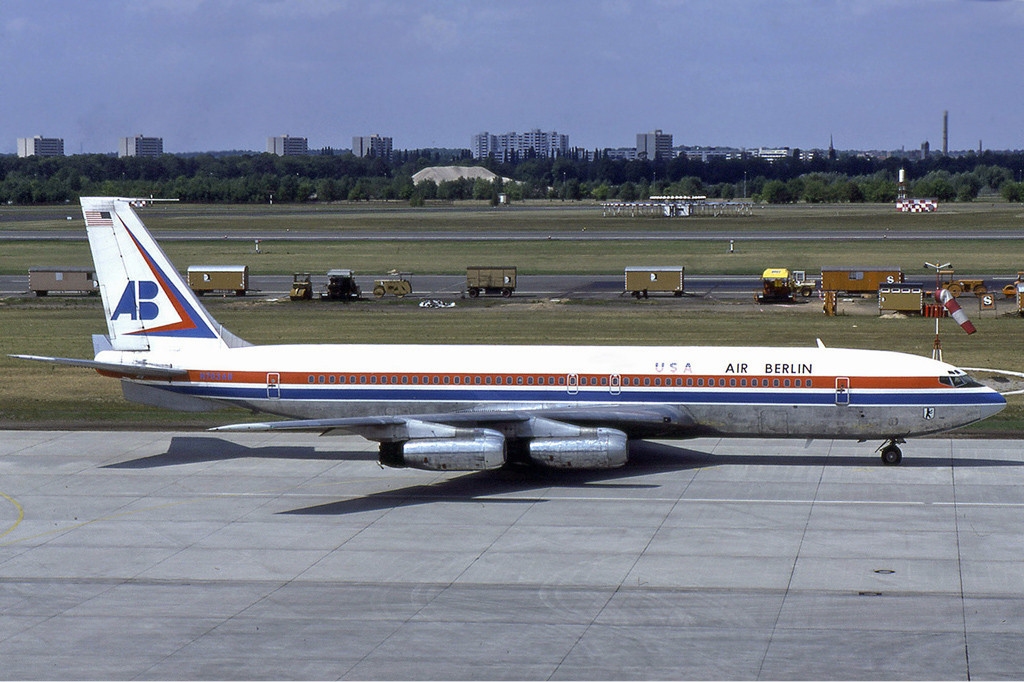
Air Berlin started as a niche charter operation focused on holiday flights, then evolved into Germany’s second largest airline with dense European networks and popular routes to Palma de Mallorca. Growth brought complexity. Partnerships, rapid expansion, and constant competition from both low cost and full service rivals thinned margins. The airline became increasingly dependent on financial support from a key shareholder. When that backing ended in 2017, Air Berlin entered insolvency. Operations wound down within weeks, with aircraft and slots picked up by other carriers. Many travelers still remember its friendly crews and practical routes from regional airports.
Jet Airways
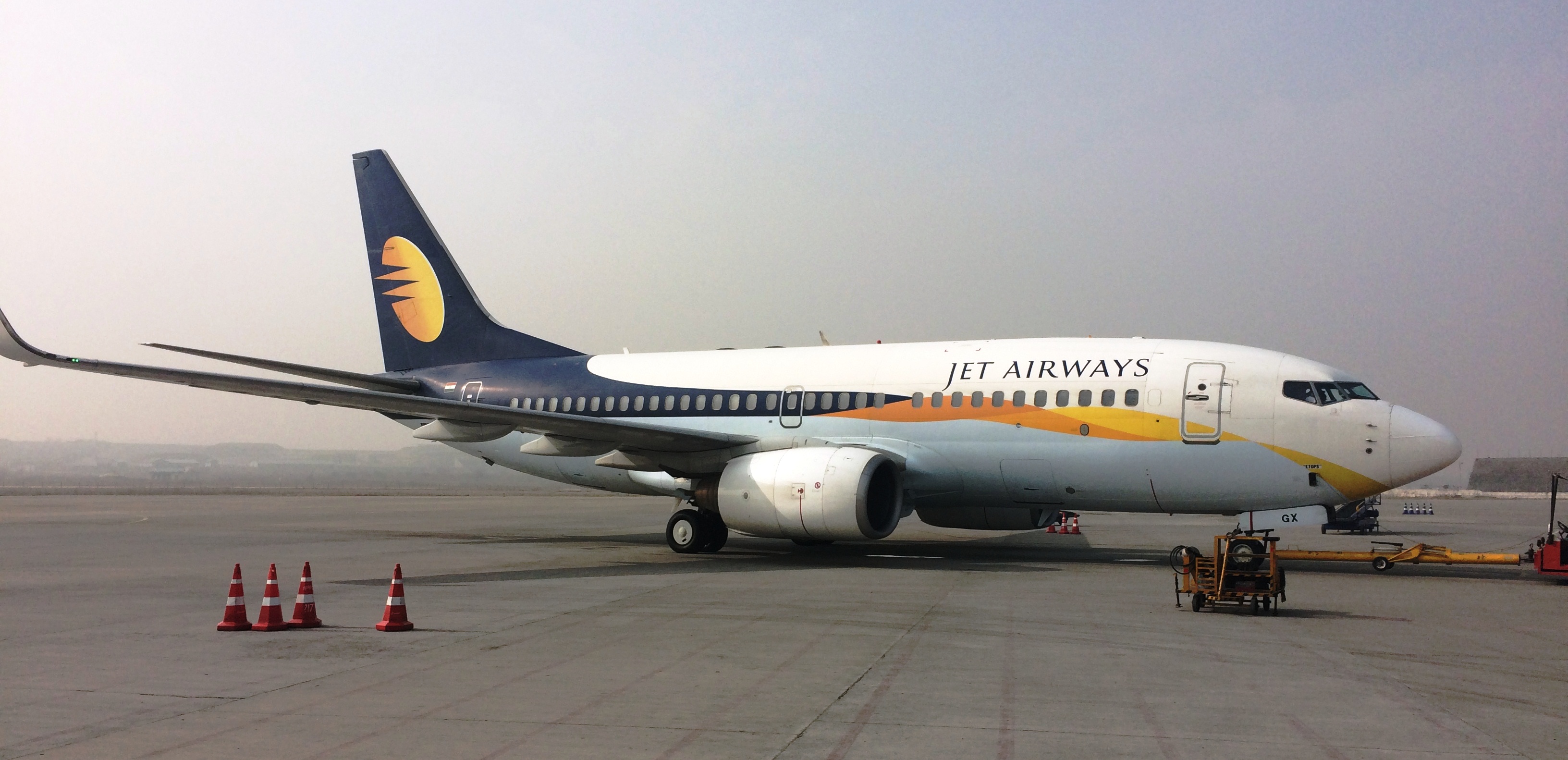
Jet Airways reshaped Indian aviation in the 1990s and 2000s, offering polished service and convenient schedules at a time when choices were limited. It built strong networks on busy domestic corridors and important international links from Mumbai and Delhi. Over time, high fuel taxes, currency swings, intense competition from nimble low cost rivals, and ambitious expansion combined into a heavy debt load. Delayed payments to staff and lessors signaled deep trouble. In April 2019, with lenders unwilling to extend more funds, Jet Airways suspended operations. Revival attempts dragged on for years, but the original airline never returned to regular service.
Kingfisher Airlines
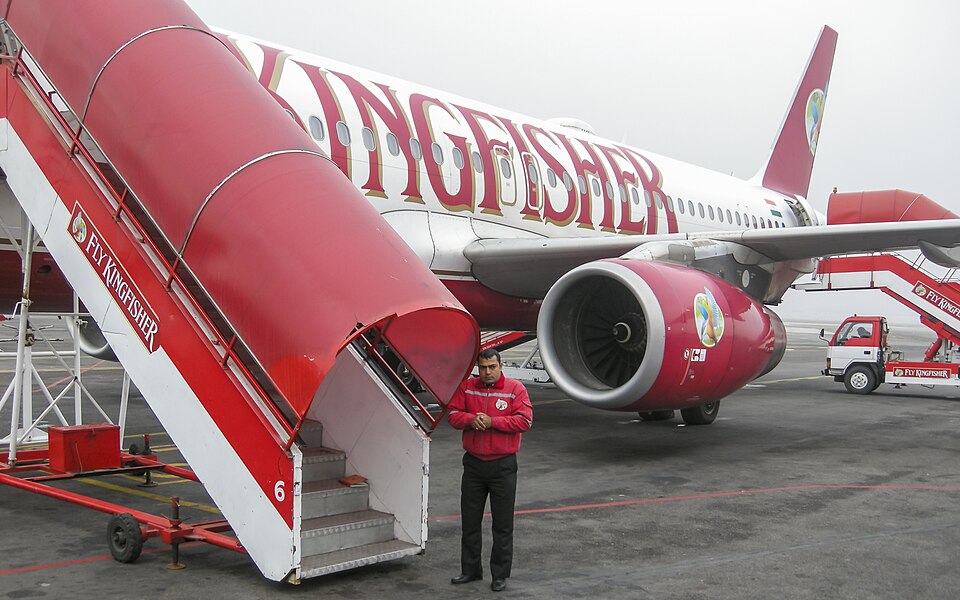
Kingfisher Airlines entered the market with bright branding, celebrity endorsements, and a promise of indulgent service at attractive fares. Passengers remembered wide seats, generous meals, and energetic crews, especially on major metro routes. The business model struggled under the weight of rapid expansion, unpaid dues, and high interest costs. Integration of its low fare arm added further strain instead of delivering the hoped efficiencies. By 2012, aircraft were grounded, salaries went unpaid, and regulators suspended the license on safety and financial grounds. The collapse became a textbook example in India of how glamour cannot outrun basic economics.
Varig
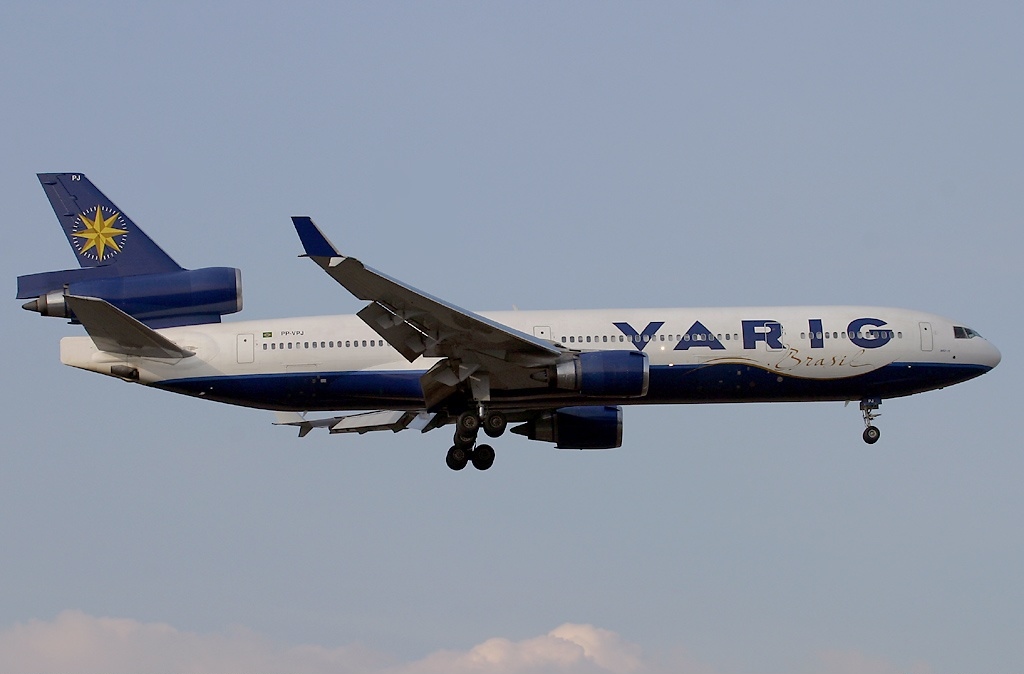
Varig once carried Brazilian ambitions around the world, flying from Rio de Janeiro and São Paulo to Europe, North America, and distant cities such as Tokyo. For decades its blue and gold logo represented a bridge between Brazil and the wider world. Economic crises, currency swings, and growing domestic competition gradually weakened the company. An aging fleet and rising maintenance costs made renewal expensive, while debt limited room to maneuver. Varig entered bankruptcy protection in 2005, and mainline operations stopped in 2006. Parts of the business moved to newer airlines, but the old name now belongs mostly to memory.
Malev Hungarian Airlines
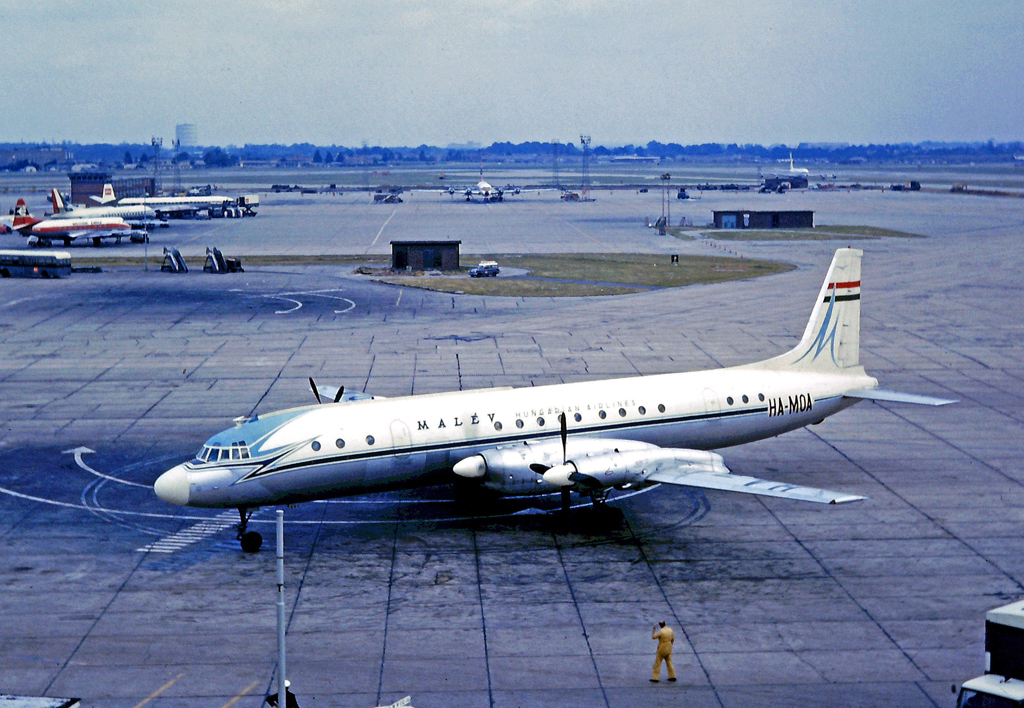
Malev Hungarian Airlines connected Budapest with key European hubs and select long haul destinations, often serving as the first carrier many Hungarian travelers ever used. After the end of state socialism, the airline struggled to adapt to a liberalized market crowded with low cost rivals. Years of losses led to repeated state support that kept the flag carrier flying but also attracted scrutiny. When European Union regulators ruled that some of this aid had to be repaid, the airline faced an impossible bill. In February 2012, Malev grounded its fleet, and foreign airlines quickly filled the vacant slots at Budapest.
Monarch Airlines
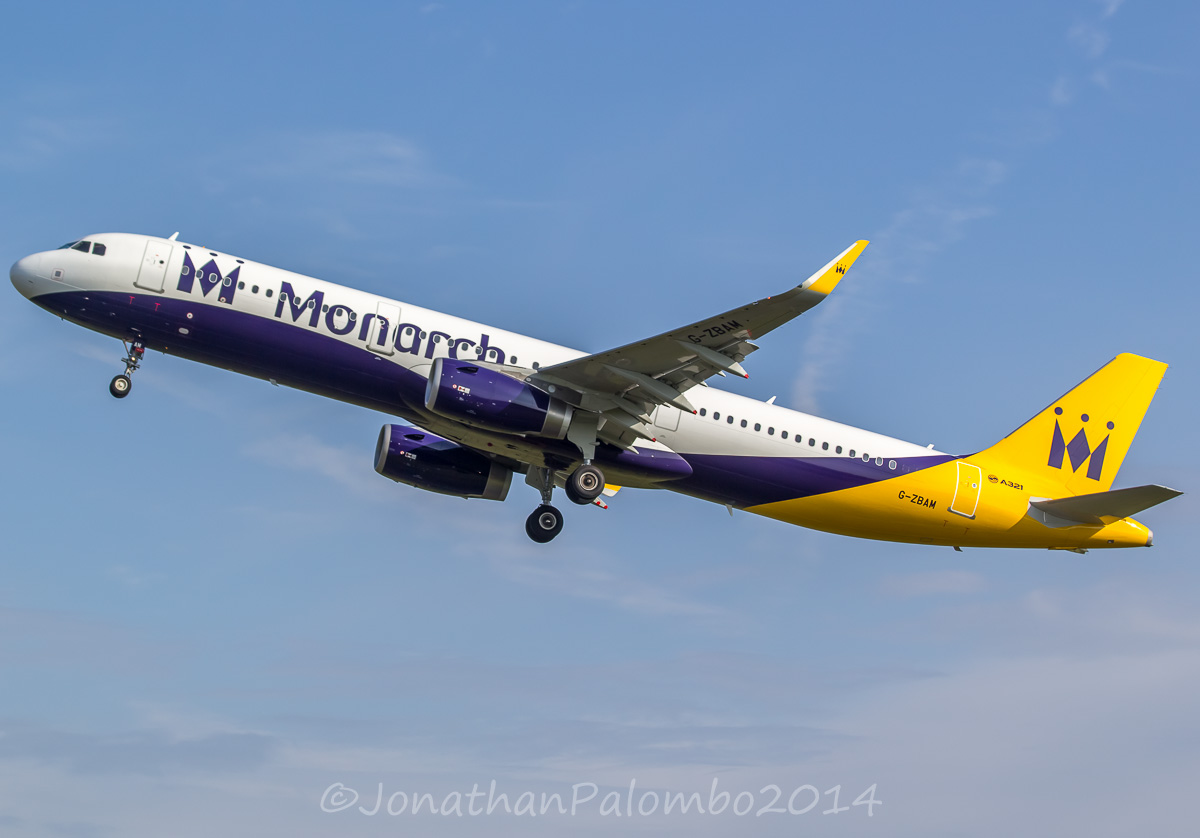
Monarch Airlines began as a specialist in charter flights from the United Kingdom to sun soaked resorts around the Mediterranean. Generations of British holidaymakers associated the brand with family trips, simple cabins, and reliable seasonal schedules. The airline later tried to reinvent itself as a hybrid low fare carrier, but the shift came amid intense competition and currency pressure after sterling weakened. Higher costs on key leisure routes eroded slim margins. In October 2017, Monarch entered administration and ceased trading. The shutdown triggered a massive government coordinated repatriation effort and renewed debate about financial oversight of leisure airlines.
Thomas Cook Airlines
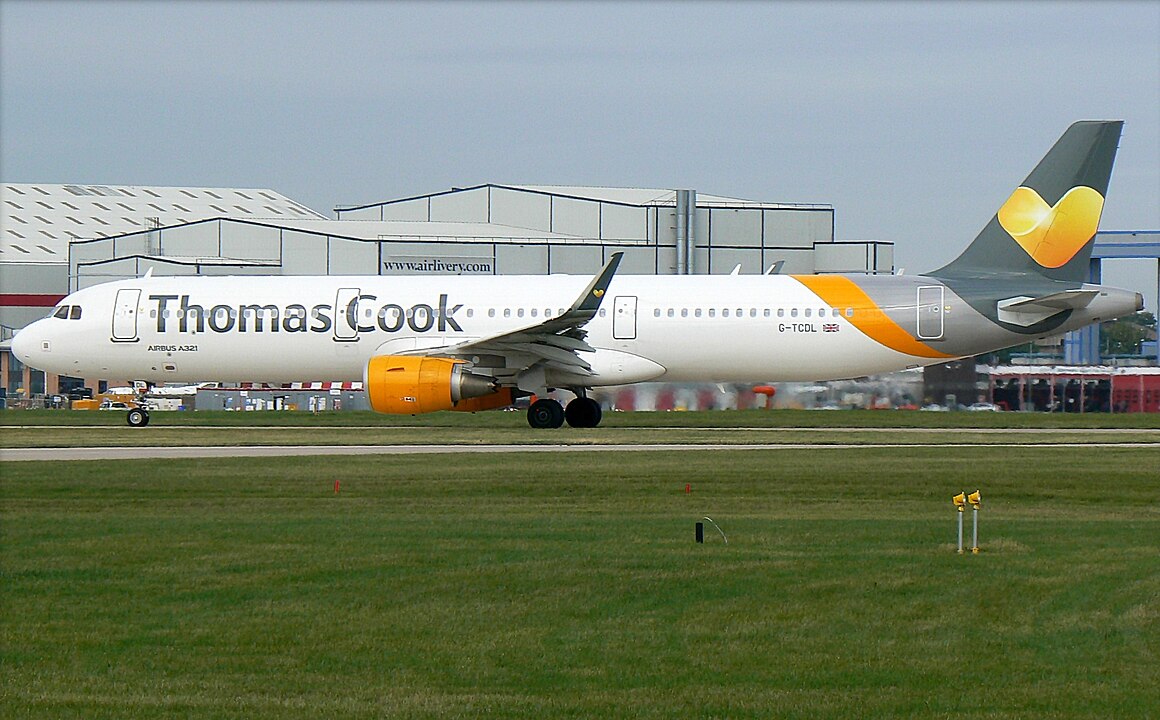
Thomas Cook Airlines sat at the heart of a broader travel group that assembled package holidays combining flights, hotels, and transfers for European travelers. Its aircraft, often flying to Spain, Greece, and long haul beach destinations, carried the history of a tour operator that dated back to the nineteenth century. Changing booking habits, with travelers preferring online options and dynamic packaging, put strain on the traditional model. Heavy debt and tough negotiations with creditors left little room for shocks. When a final rescue plan failed in September 2019, the group collapsed and the airline stopped flying, prompting another huge repatriation effort.
Eastern Air Lines
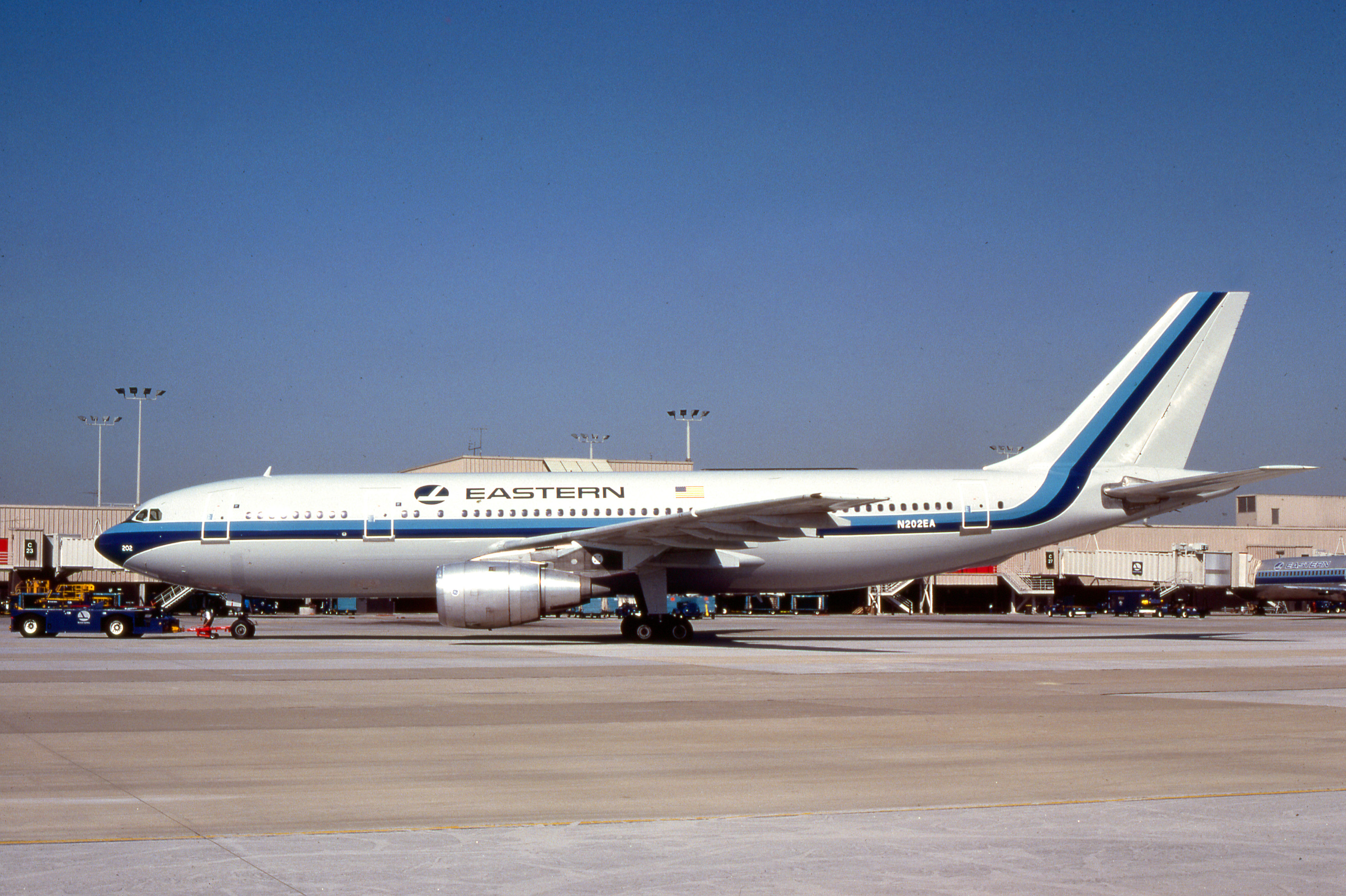
Eastern Air Lines dominated busy corridors along the eastern seaboard of the United States for much of the mid twentieth century, with a strong presence in Atlanta, Miami, and New York. It carried families, vacationers, and business travelers to Florida and the Caribbean, becoming an everyday name in the region. Deregulation exposed older cost structures and sharpened competition. A series of labor disputes, high fuel prices, and controversial management decisions eroded performance. A crippling strike in 1989 accelerated the decline. By 1991, Eastern was liquidated, and its once familiar aircraft disappeared, leaving only vintage footage, photographs, and employee reunions.