Rising seas are not a distant science headline but a slow rewrite of familiar coastlines. Scientists warn that a rise of about five feet this century is still possible under high emissions scenarios, especially once ice sheet instability is factored in. That much water would push tides into streets that now hold cafés, commuter trains, and schoolyards. From Florida to the Nile Delta, planners already juggle flooded basements, eroding beaches, and anxious residents, reminding the world that every extra inch of water carries real homes, memories, and futures with it.
Miami, United States
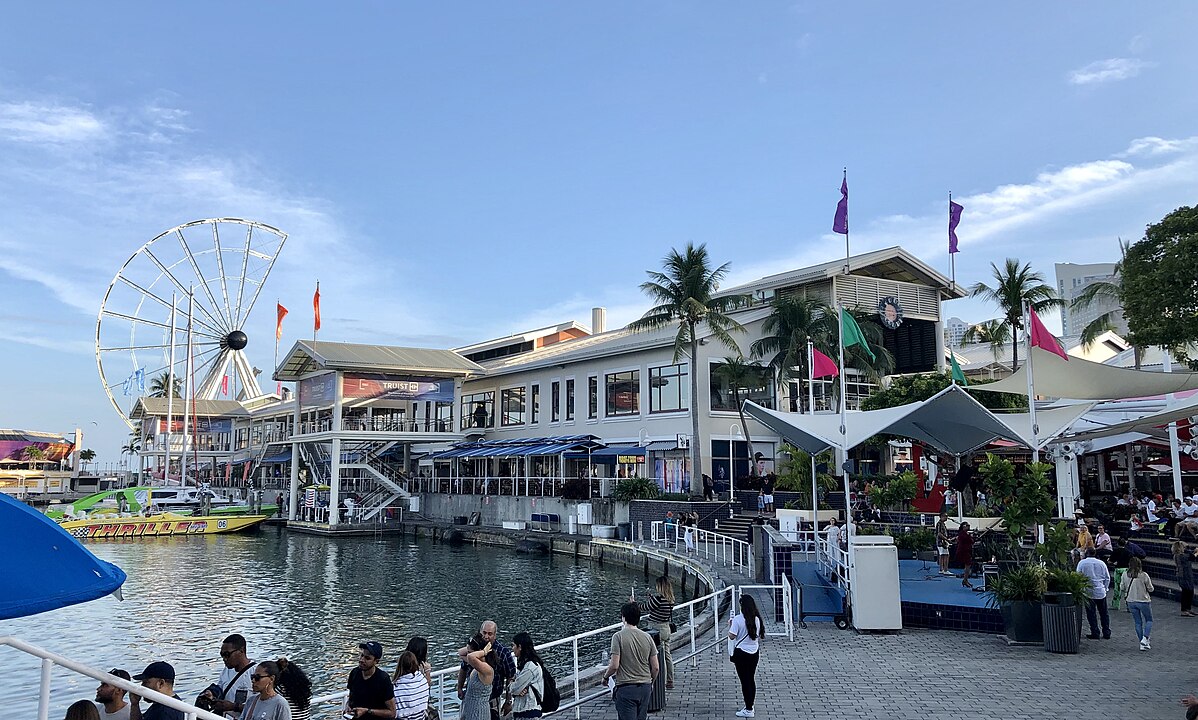
Miami sits almost flat against the Atlantic, perched on porous limestone that lets salt water seep in from below. Even now, seasonal king tides push water through storm drains and across streets on clear blue days, turning daily errands into careful detours and leaving cars marooned at intersections. A five foot rise would place large parts of Miami Beach, Brickell, and low lying neighborhoods at or below high tide, while saltwater intrusion creeps into the aquifer that supplies drinking water) Insurance costs, uneven protections, and constant repairs would shape who can stay, who leaves, and which versions of the city survive.
New Orleans, United States
New Orleans already lives with the uneasy fact that many neighborhoods sit below sea level, ringed by levees and pumps that hold back the Gulf and the Mississippi River. A five foot rise would sharply increase the odds that storm surge overtops defenses during major hurricanes, turning familiar avenues into fast moving channels. Low income communities in Plaquemines and Saint Bernard parishes, along with coastal fishing towns, would absorb repeated blows as wetlands erode and natural buffers vanish. The question would slowly shift from how to rebuild after each flood to where, and for whom, rebuilding still makes any sense at all.
New York City, United States
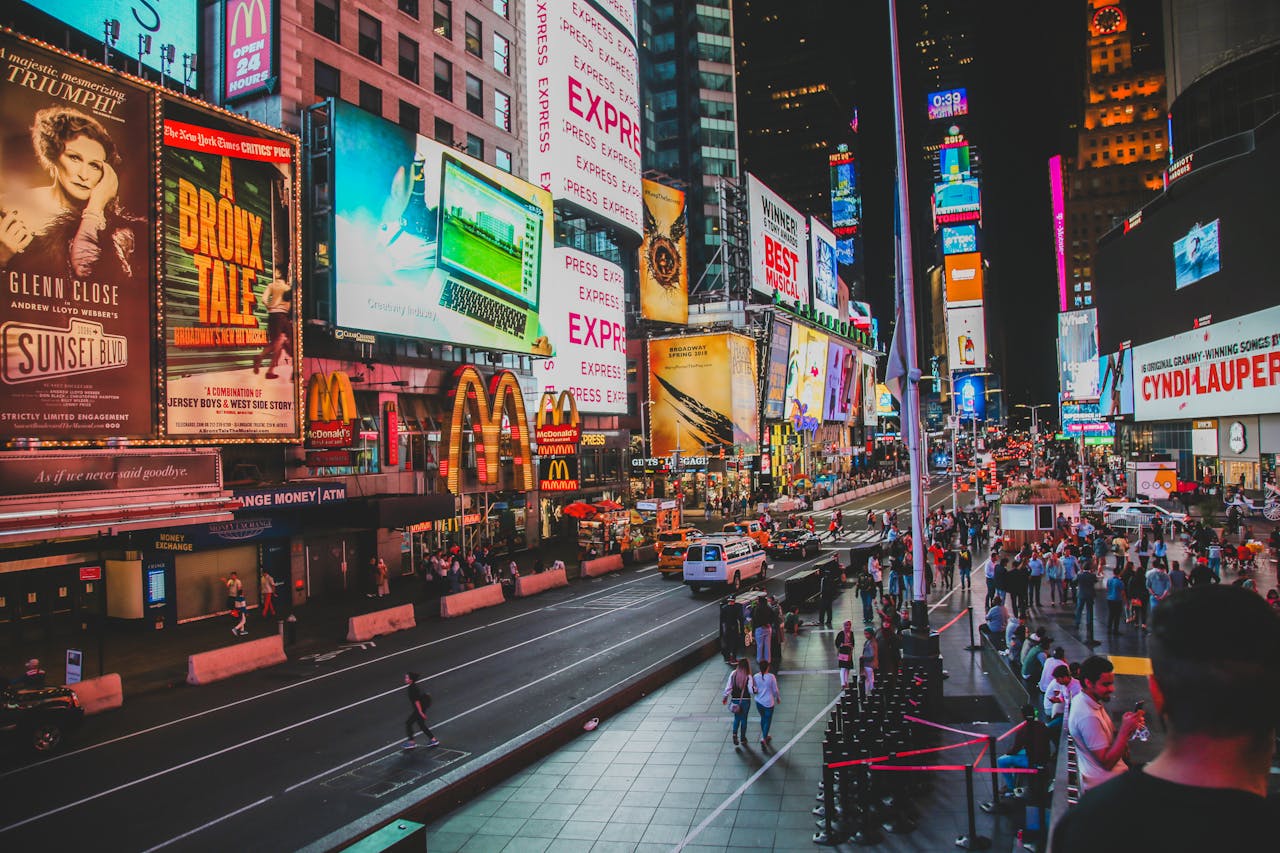
New York has already seen subway tunnels, power stations, and waterfront homes swallowed by storm surge during Hurricane Sandy, and planners now work with scenarios that include several feet of additional sea level this century. With five extra feet in play, large parts of Lower Manhattan, the Rockaways, Coney Island, and slices of Brooklyn and Queens would sit at or below regular high tide unless ringed by massive barriers. Coastal housing projects, aging industrial zones, and small businesses along the waterfront would bear the brunt of frequent flooding. The city’s future would hinge on whether protections extend beyond iconic landmarks and financial towers to the workers who keep the metropolis running.
Norfolk and Virginia Beach, United States
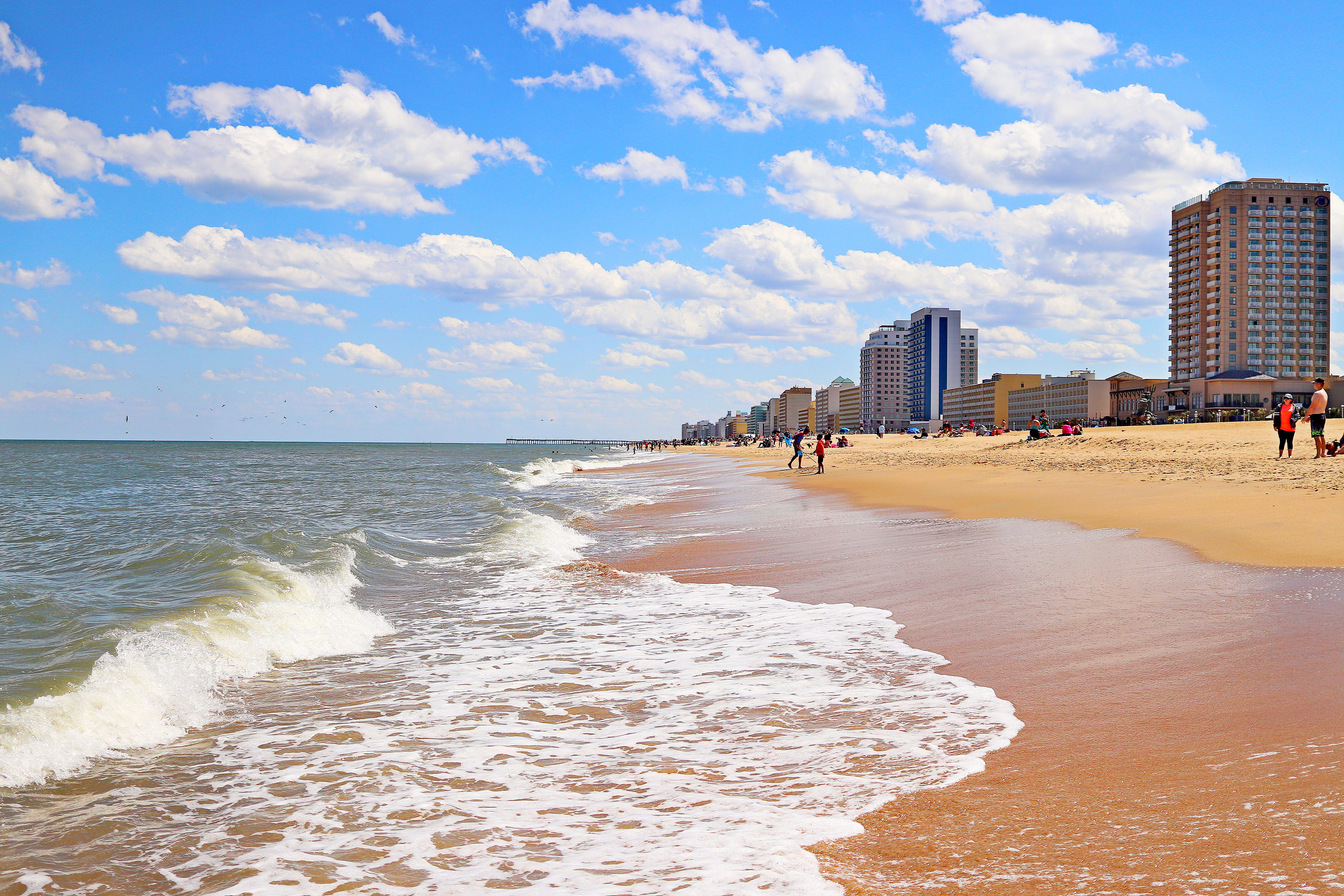
The region around Norfolk and Virginia Beach faces some of the fastest relative sea level rise on the U.S. East Coast because sinking land stacks on top of a higher ocean. Neighborhoods already cope with frequent high tide flooding that closes roads and seeps into yards even on calm days. Naval bases, shipyards, and critical ports that anchor the local economy sit on vulnerable waterfronts where even small surges cause real disruption. A five foot rise would push floodwater far inland along rivers and creeks, threatening evacuation routes and isolating communities during storms. Decisions about which roads, bases, and neighborhoods to defend would carry national security and social justice weight at the same time.
Mumbai, India
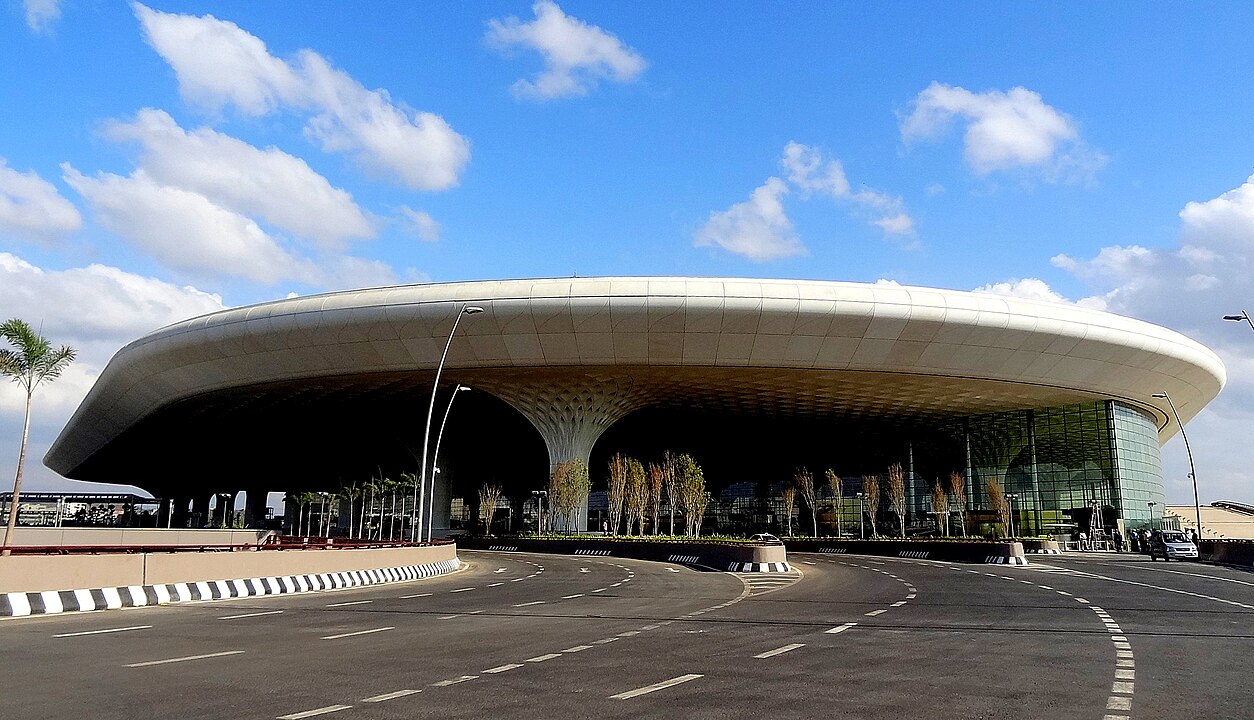
Mumbai’s dense peninsula has always balanced between monsoon rains and the sea, but the balance grows more fragile every decade. When high tide, storm surge, and heavy downpours line up, local trains grind to a halt and streets turn into deep channels that trap residents in their homes. With five additional feet of sea level, reclaimed areas, informal settlements along creeks, and parts of the historic island city would face chronic flooding that no simple drainage upgrade can manage. Critical infrastructure including suburban rail lines, highways, and low lying business districts would be exposed to repeated outages. The impact would not be evenly shared; those with the least margin already live closest to the rising water.
Kolkata, India
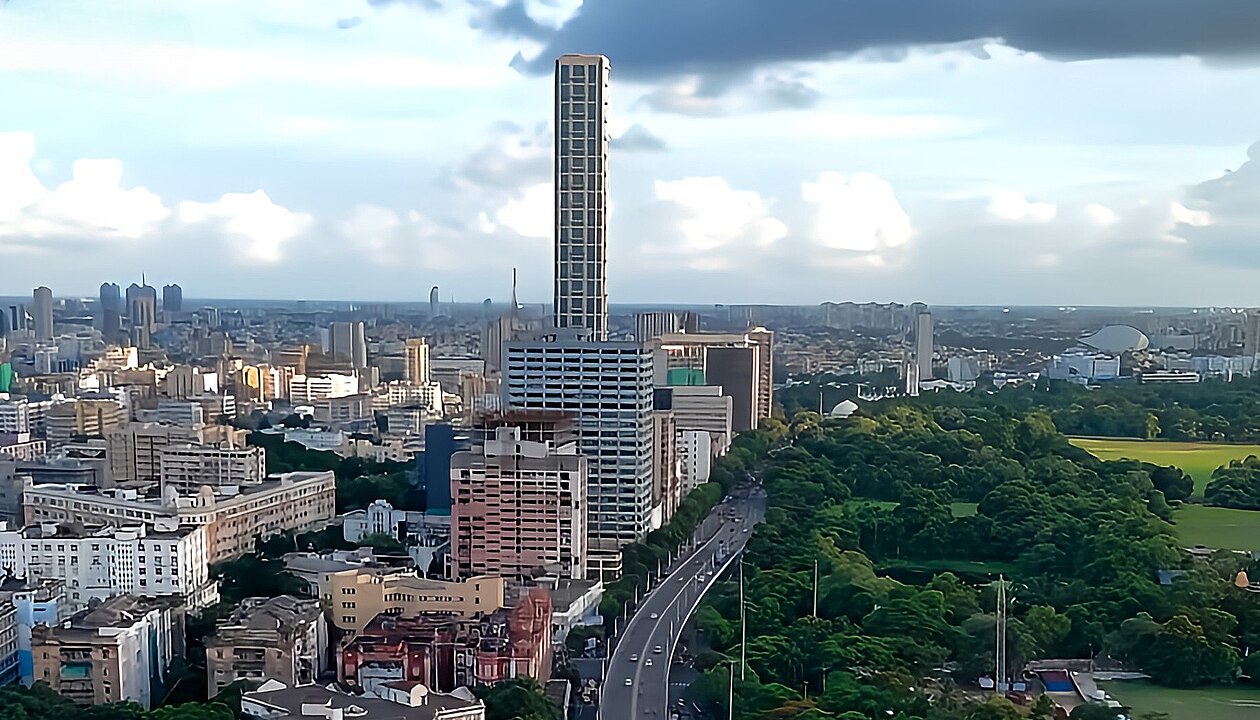
Kolkata sits near the head of the Bay of Bengal, tied closely to the Hooghly River and the wider Ganges delta, one of the most climate exposed regions on Earth. Studies already flag the metropolitan area as extremely vulnerable to sea level rise, cyclones, and river flooding, with millions living just a few meters above high tide. A five foot rise would push saline water farther inland, weakening agricultural lands and wetlands that currently help blunt storm surges. Low income neighborhoods, port zones, and aging embankments would face deeper, longer lasting floods after cyclones. For many families, the slow salting of soil and groundwater could become as decisive as any single storm when they weigh whether to stay or move.
Jakarta, Indonesia
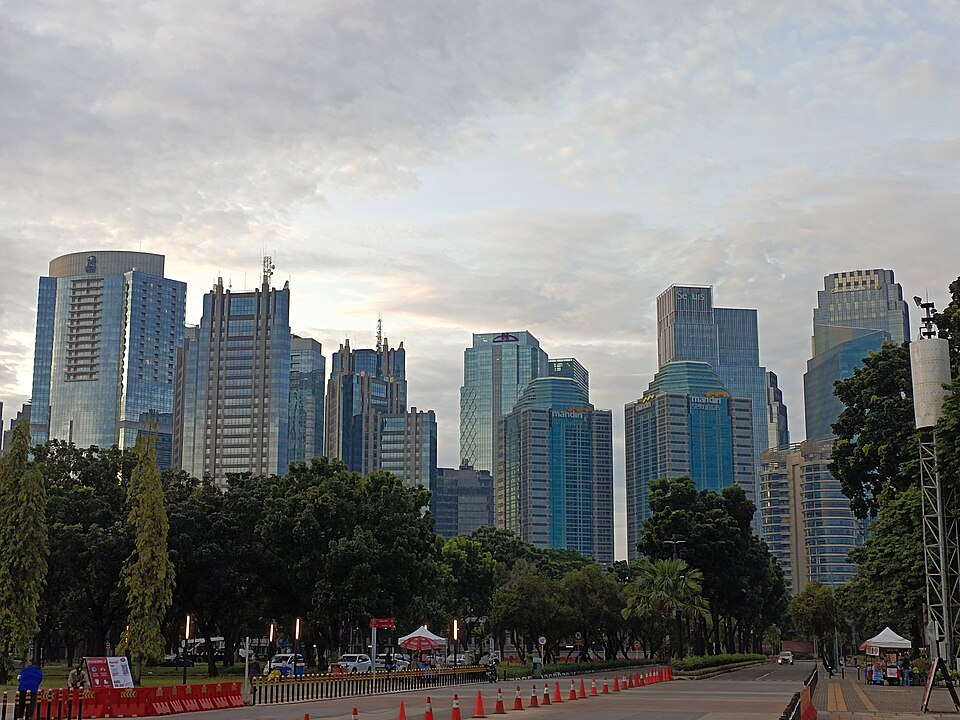
Jakarta faces the double bind of rising seas and sinking ground, with large sections of the city already below sea level due to heavy groundwater pumping. Chronic flooding has pushed the national government to begin relocating the capital to Nusantara in Borneo, even as new sea walls are planned for the existing metropolis. A five foot global rise would push the Java Sea deeper into northern districts, overwhelming poorer coastal communities that lack strong protections. Port facilities, warehouses, and informal settlements would share the same narrowing strip of dry land. The result would not be a single dramatic disappearance but a gradual retreat as streets become impassable more days of the year.
Bangkok, Thailand
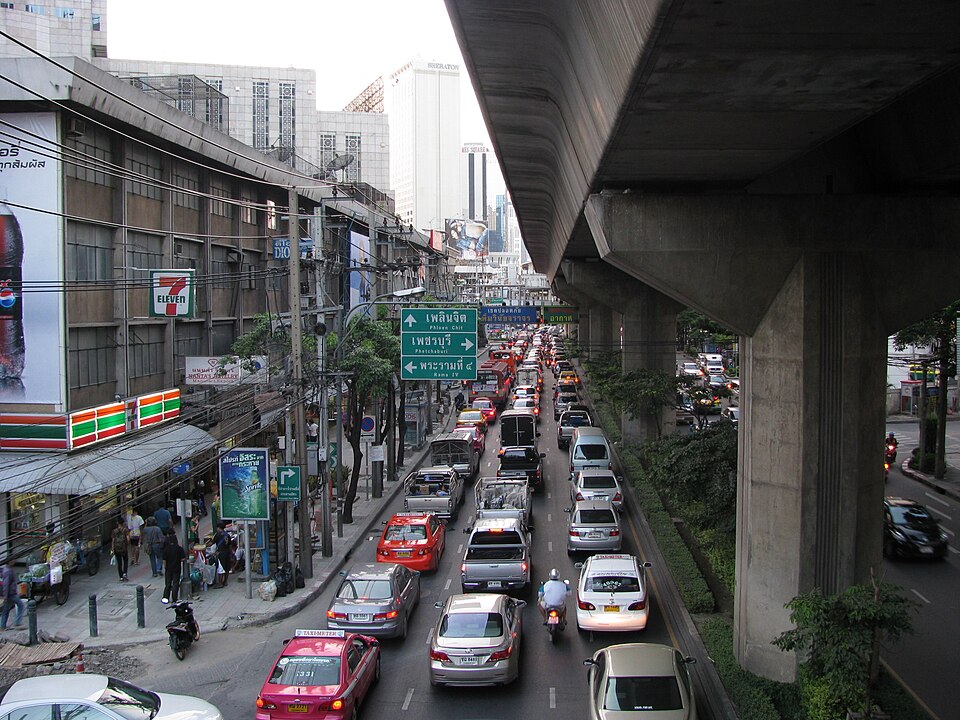
Bangkok rests on soft delta soils only slightly above present sea level, and decades of groundwater extraction have caused the ground itself to sink. The Chao Phraya River already spills into streets during extreme monsoon events, and planners warn that the combination of land subsidence and rising oceans sharply increases long term risk. With five additional feet, many canals, industrial estates, and outer suburbs would face regular tidal flooding that lingers for days. Flood walls and pumps could keep core business districts functioning for a time, but outlying neighborhoods, peri urban farms, and informal housing would fall behind. The social geography of the city would slowly reorganize around which areas can still stay dry.
Shanghai, China
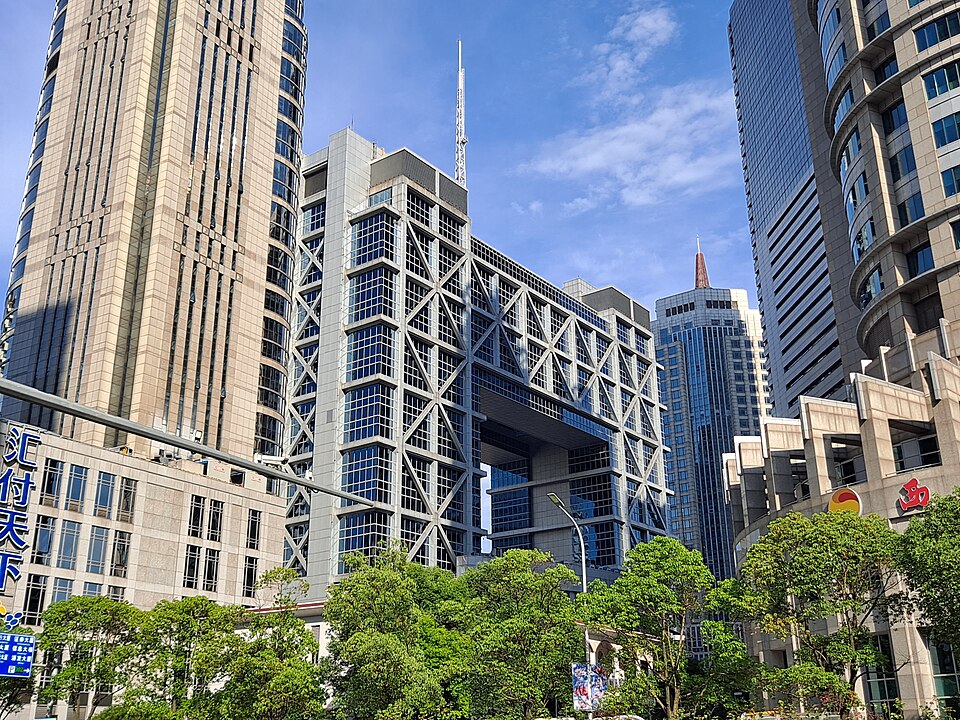
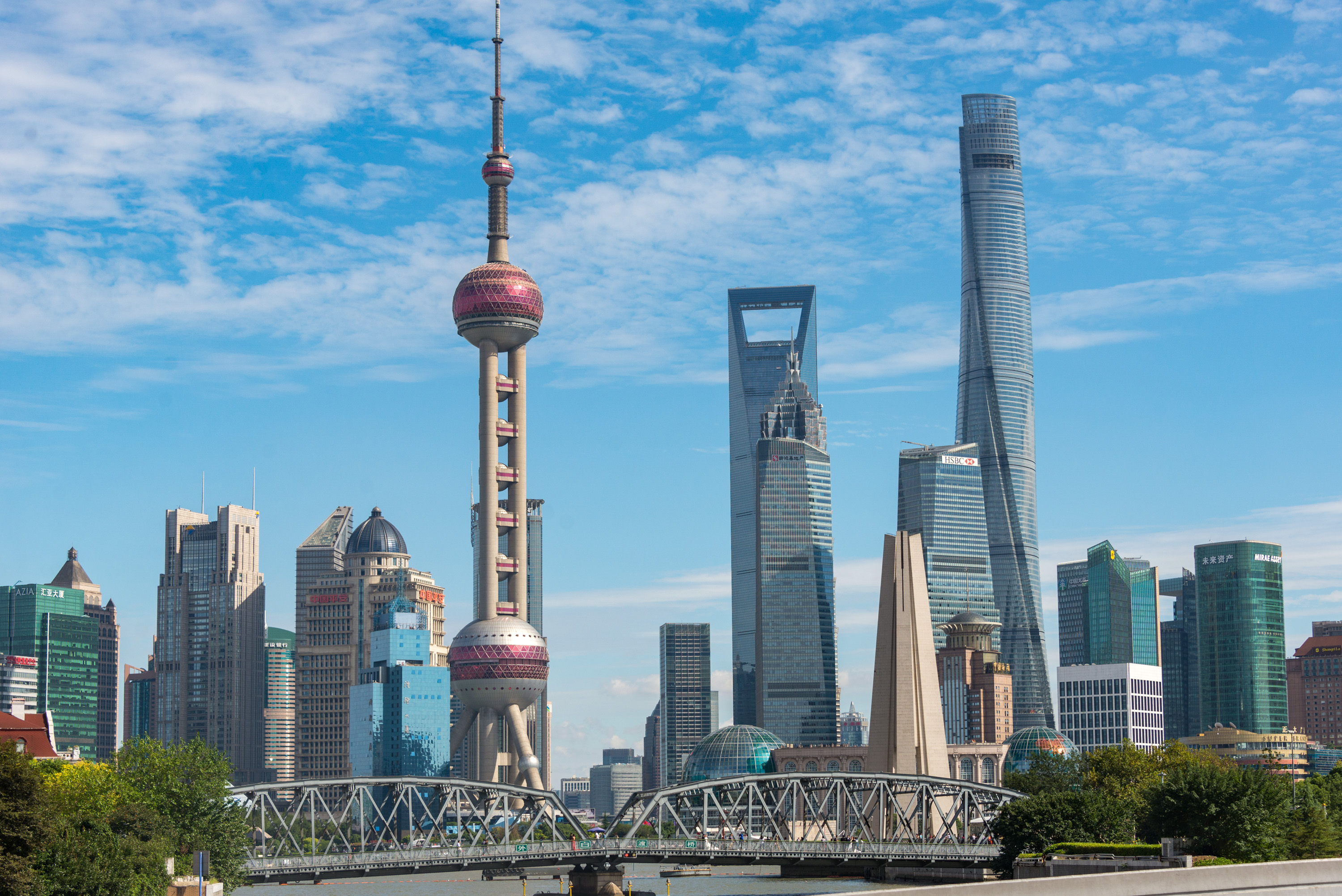
Shanghai anchors the Yangtze River estuary, a low lying powerhouse where heavy development, land subsidence, and stronger storms intersect with sea level rise. Extensive sea walls and tidal gates already guard key districts along the Huangpu River, but extreme typhoons and higher base water levels raise the odds that defenses will be overtopped. Industrial parks, port terminals, and dense residential blocks cluster on ground only a few meters above current high tide. A five foot rise would leave much of this landscape reliant on constant pumping and perfectly functioning barriers. Any failure during a major storm could send water racing through subway tunnels and road underpasses, with cascading risks for global supply chains that depend on the city’s ports.
Alexandria, Egypt
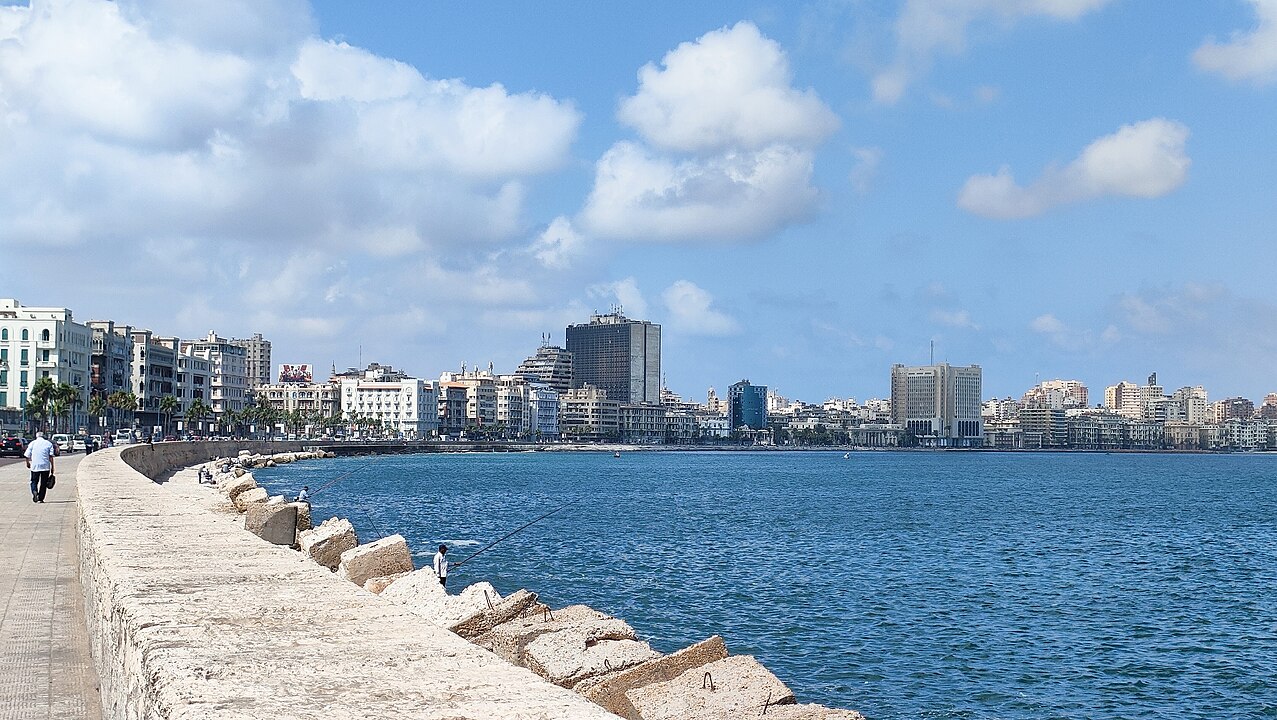
Alexandria stretches along a narrow coastal strip between the Mediterranean and the lagoons of the Nile Delta, a region already eroding as sediment supplies dwindle. Researchers warn that even modest rises could submerge parts of the delta by the end of the century, including low lying suburbs around the city. Sea walls and breakwaters now shield sections of the waterfront, but storm waves still flood streets and seep into foundations during winter storms. A five foot rise would make many of those floods semi permanent in working class neighborhoods and historic quarters. Cultural treasures, busy port facilities, and fragile fishing communities would sit on the same shrinking ribbon of habitable land.
Saint-Louis, Senegal
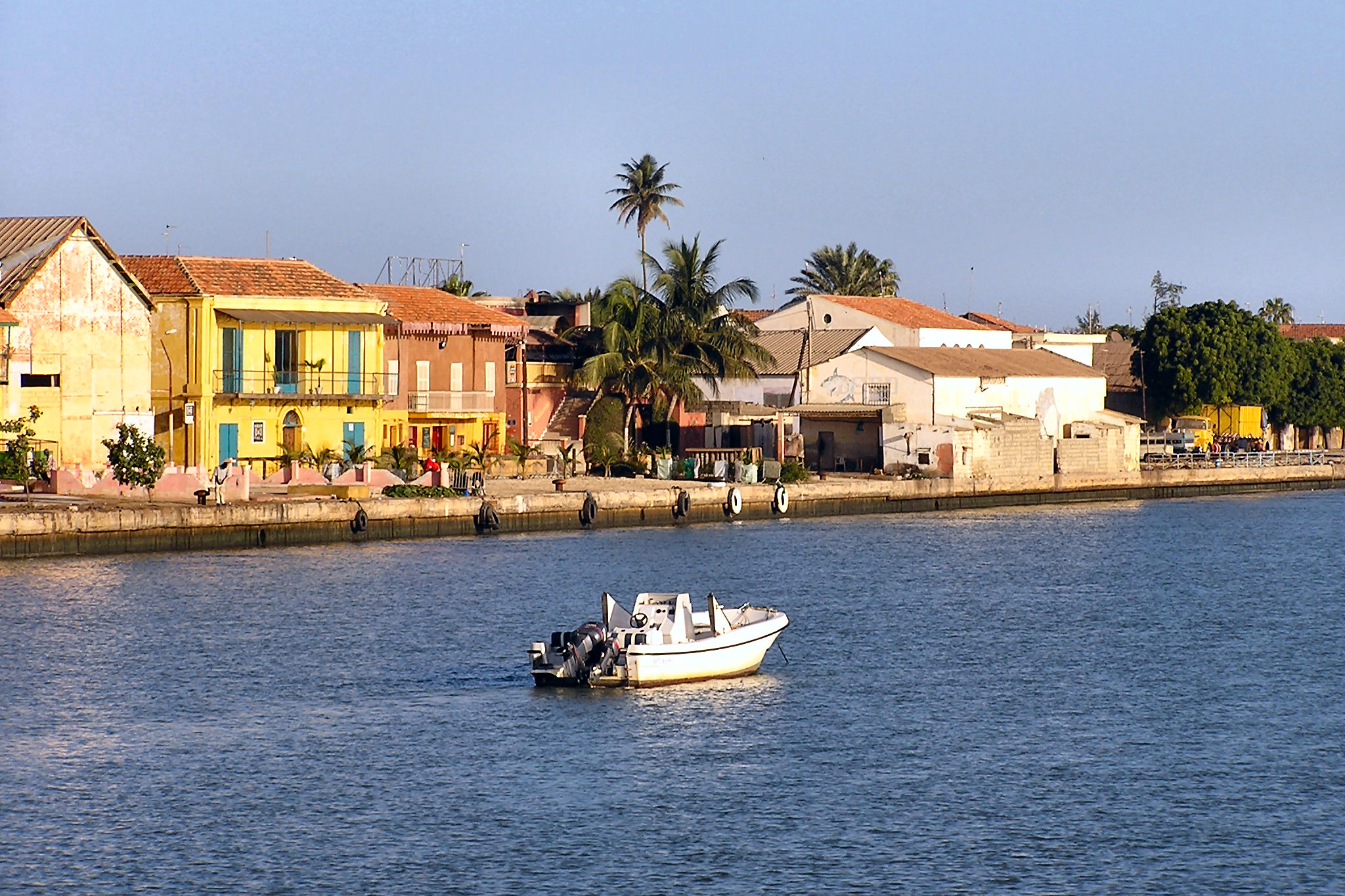
Saint-Louis, often called the African Venice, occupies a sandbar and surrounding lowlands at the mouth of the Senegal River. That geography has always been beautiful and precarious, and rising seas now tilt it firmly toward danger. Coastal erosion, powerful Atlantic swells, and river floods have already destroyed homes in fishing districts, forcing relocations inland. With five extra feet of sea level, the historic city center and nearby villages would face chronic flooding and more violent storm surges. Protective dunes and barriers can delay, but not cancel, those trends. The emotional cost of leaving centuries old streets and family graves behind would be as heavy as the financial price of rebuilding elsewhere.
Rotterdam, Netherlands
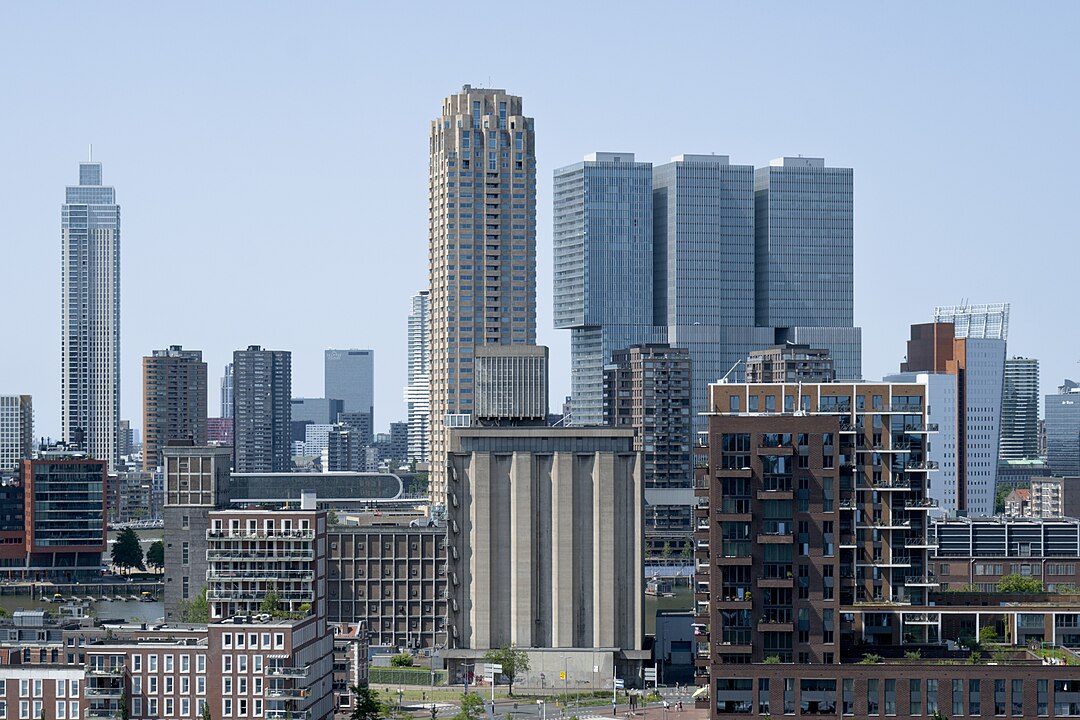
Rotterdam is a symbol of how much human engineering can accomplish, yet also a reminder of its limits. Much of the city already lies below sea level, defended by a finely tuned system of dikes, surge barriers, and water plazas that store excess rain, Dutch planners are planning for higher seas, but a global rise of five feet would demand even taller defenses and more frequent closures of crucial shipping channels. Outer districts and agricultural polders might become too expensive to protect compared with denser urban cores. Residents would continue living with water, but the margin for error would shrink, turning every storm forecast into a civic stress test.