Innovation rarely looks elegant at the start. Many of the ideas that quietly reshaped daily life began as punchlines, failed experiments, or odd little gadgets no one knew how to categorize. Friends rolled their eyes, investors walked away, and shop clerks were unsure where to put them on the shelf. Yet some of these strange creations found the exact problem they were meant to solve. Together they show how curiosity, persistence, and a bit of humor can turn the ridiculous into something surprisingly useful.
Post It Notes That Started As Weak Glue
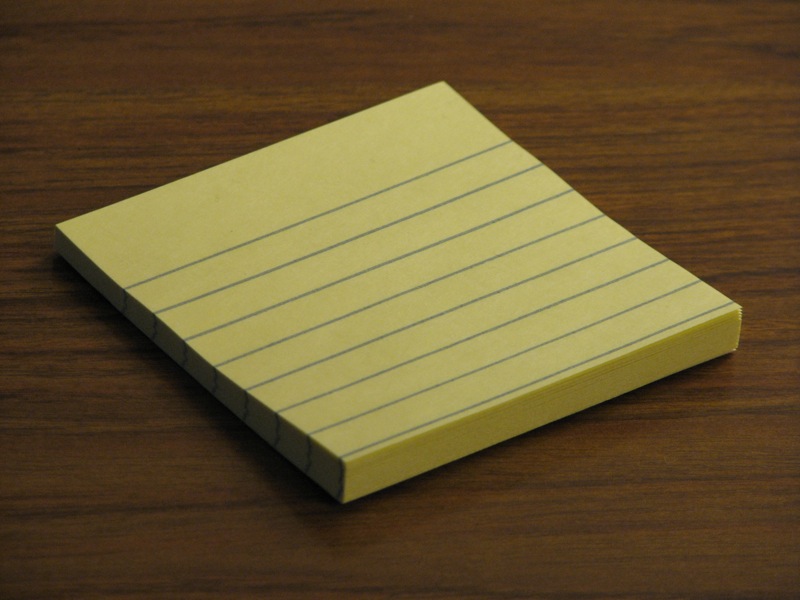
Post it Notes began when 3M chemist Spencer Silver accidentally created an adhesive that was too weak for permanent use but refused to smear or fully let go. For years, the glue sat without a clear purpose until colleague Art Fry tried it on scraps of paper to mark pages in a hymnal. The temporary hold turned out perfect for moving notes around without tearing. What started as a failed glue quietly became an office staple that organizes ideas, reminders, and brainstorms across desks worldwide.
Velcro Inspired By Alpine Burrs
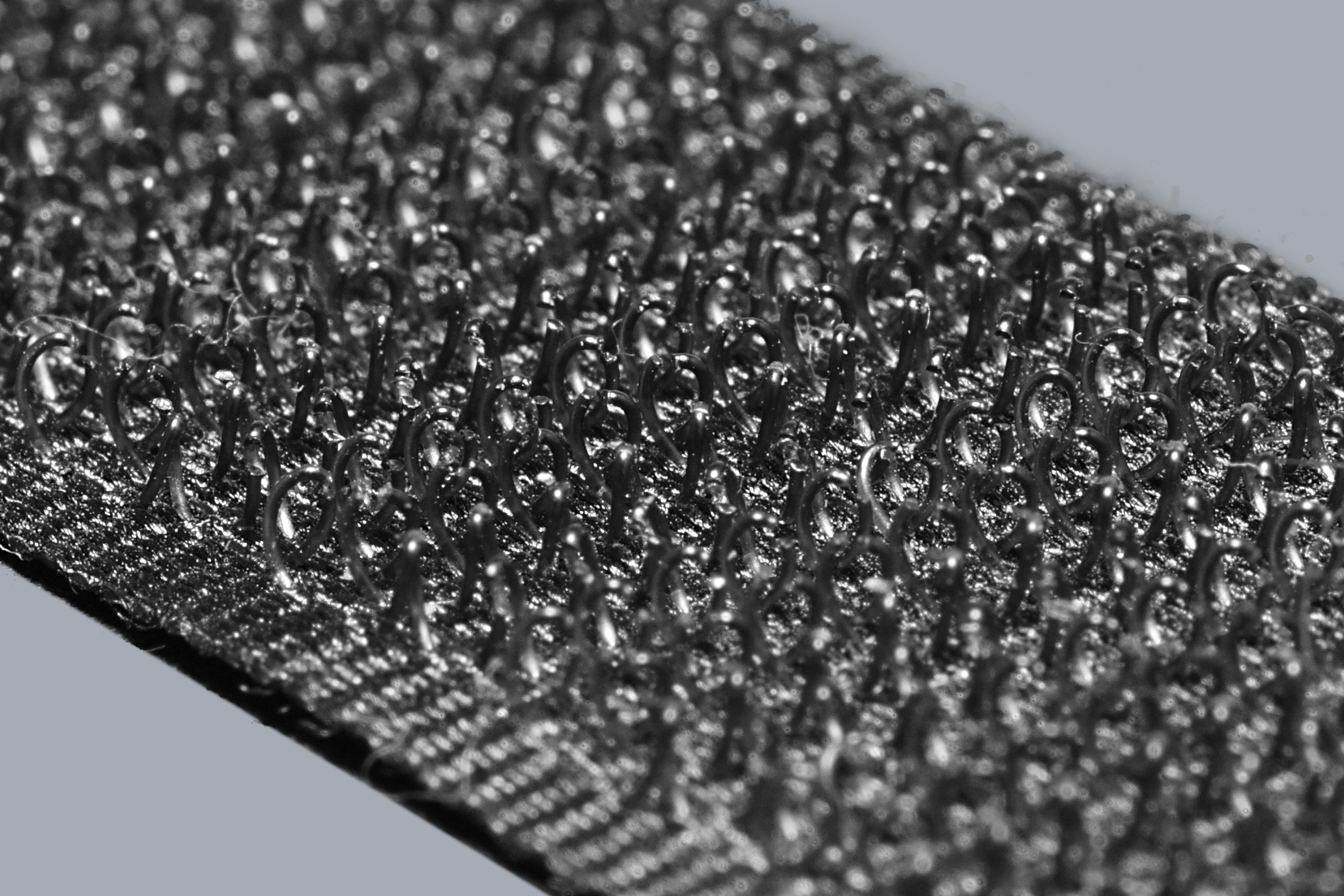
Velcro grew from an annoying hike in the Alps when engineer George de Mestral noticed tiny burrs stuck stubbornly to his clothes and his dog’s fur. Under a microscope, he saw rows of hooks gripping loops in the fabric and realized nature had already solved a fastening problem. After years of refining synthetic hooks and loops, his new closure moved from skeptical factories into shoes, jackets, space suits, and medical gear. The simple rip apart sound marked one of the most practical successes ever born from a walk through the grass.
Bubble Wrap That Failed As Wallpaper
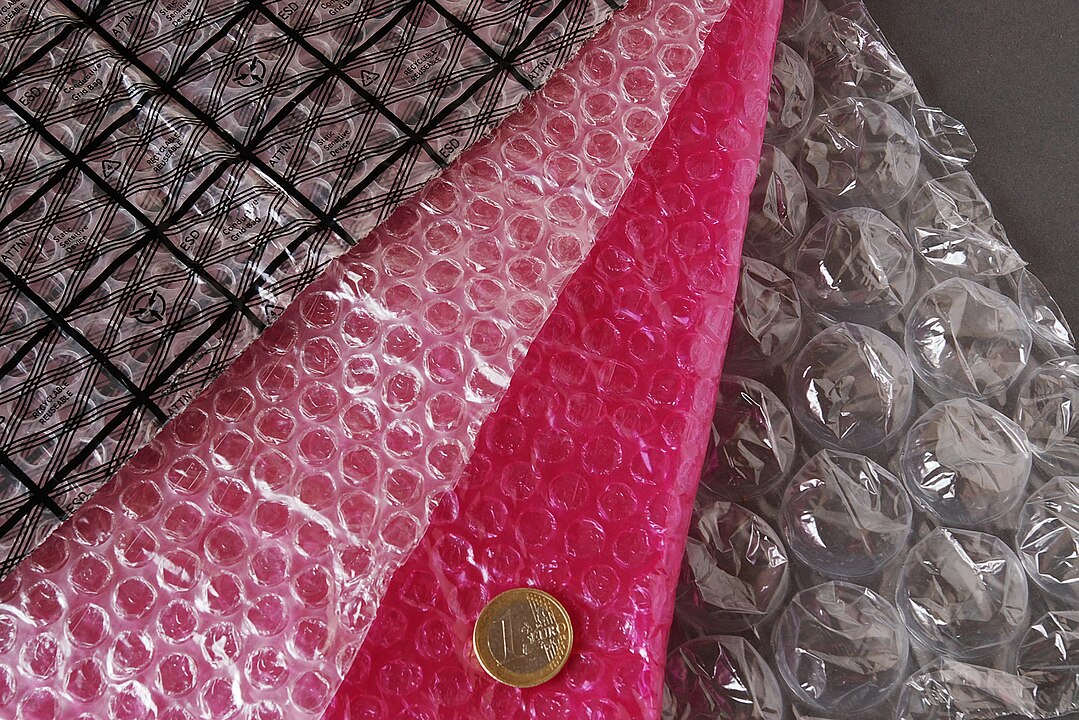
Bubble Wrap began as a design experiment for textured plastic wallpaper when Alfred Fielding and Marc Chavannes sealed two shower curtains together and trapped bubbles of air inside. Interior designers passed on the unusual wall covering, leaving the inventors with rolls of strange, bumpy plastic. Its true potential appeared when electronics companies needed safer shipping for delicate equipment. Those air pockets turned into reliable cushioning for fragile goods. Today Bubble Wrap protects everything from lab gear to family heirlooms, while the irresistible popping became its own kind of stress relief.
Pet Rock Turned Joke Into Jackpot
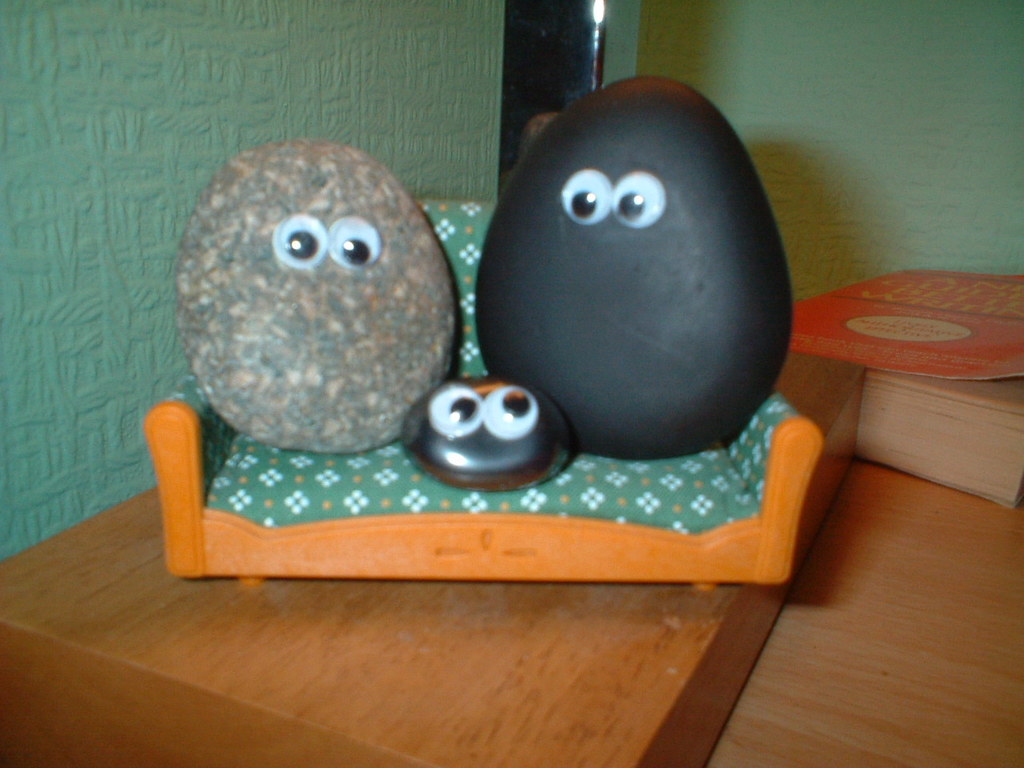
The Pet Rock started as a tongue in cheek idea from ad man Gary Dahl, who joked that a smooth stone could be the perfect hassle free companion. He packed each rock in a ventilated cardboard box with straw bedding and a witty care manual that parodied training guides. The humor landed perfectly with shoppers in 1975, and millions of Pet Rocks sold in a short burst of fame. The fad soon faded, yet the venture became a classic example of how timing, packaging, and a simple joke can create a small fortune.
Snuggie The Blanket With Sleeves
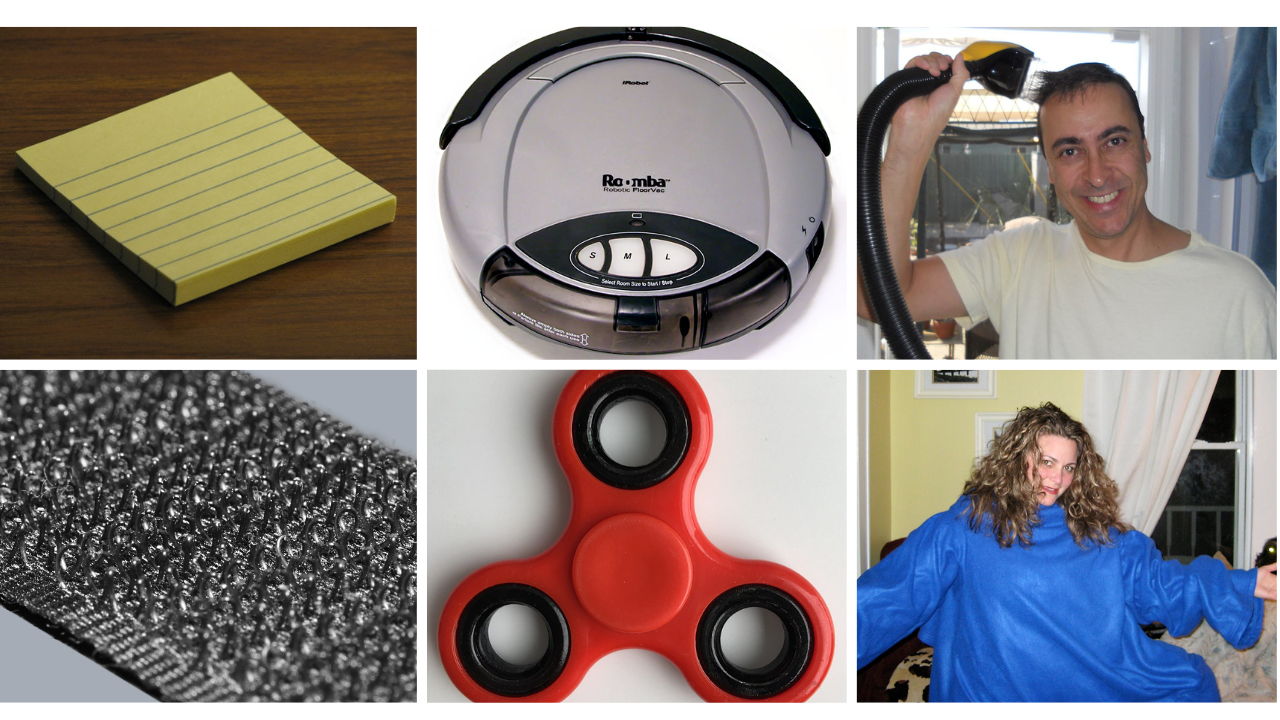
The Snuggie arrived on television as a fleece blanket with sleeves, modeled by families who looked slightly absurd wearing matching garments on couches and at outdoor games. Viewers laughed, parodied the look, and turned it into a costume at parties, yet the basic promise felt honest. People wanted to stay warm while reading, eating, or changing the channel without losing their blanket. Once that need clicked, sales exploded. The Snuggie turned into a wildly successful reminder that comfort often matters more than elegance when evenings feel cold and long.
Crocs Foam Clogs That Refused To Disappear
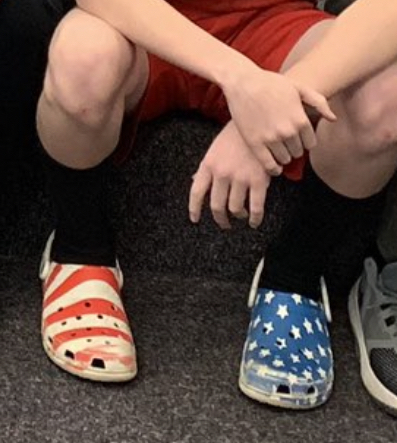
Crocs entered the market as thick foam clogs with bright colors and large ventilation holes that seemed to ignore every fashion rule. Many people mocked the chunky shape, while chefs, nurses, and boaters quietly bought pair after pair for the comfort and easy cleaning. Over time, collaborations with designers and musicians nudged Crocs from work shoe to playful style statement. The very qualities that critics disliked made them durable, lightweight, and practical. What began as a strange plastic clog ended up on city streets, beaches, and even red carpets.
Selfie Stick Extending The Camera Arm
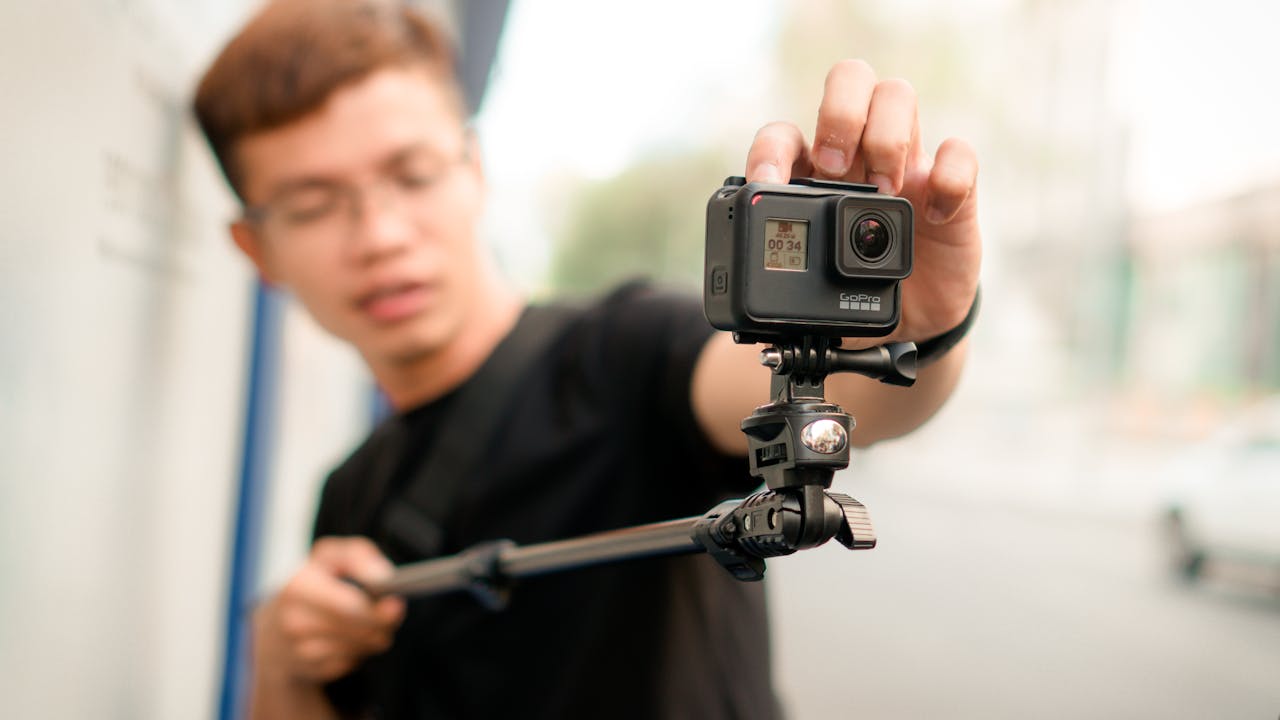
The selfie stick first appeared as a telescoping arm that let a camera or phone sit just beyond normal reach, giving travel shots more background and fewer close up faces. Early reactions focused on vanity and tourist behavior, and some cities even considered rules about where they could be used. Yet the device neatly solved a simple problem for solo travelers and small groups who wanted wider photos without asking strangers for help. As phone cameras improved, the selfie stick became a common sight at landmarks, festivals, and family gatherings.
Flowbee Vacuum Powered Haircuts At Home

The Flowbee looked like a comedy prop when ads in the 1980s showed a vacuum hose attachment trimming hair while clippings disappeared straight into a canister. The gadget combined a set of blades with suction, promising consistent cuts without loose hair coating the floor. Despite jokes and late night skits, the system worked well enough for thrifty families, RV travelers, and even a few celebrities who appreciated the tidy efficiency. Decades later, the Flowbee still has devoted fans who see it as a practical answer to basic home grooming.
Roomba The Wandering Robot Vacuum
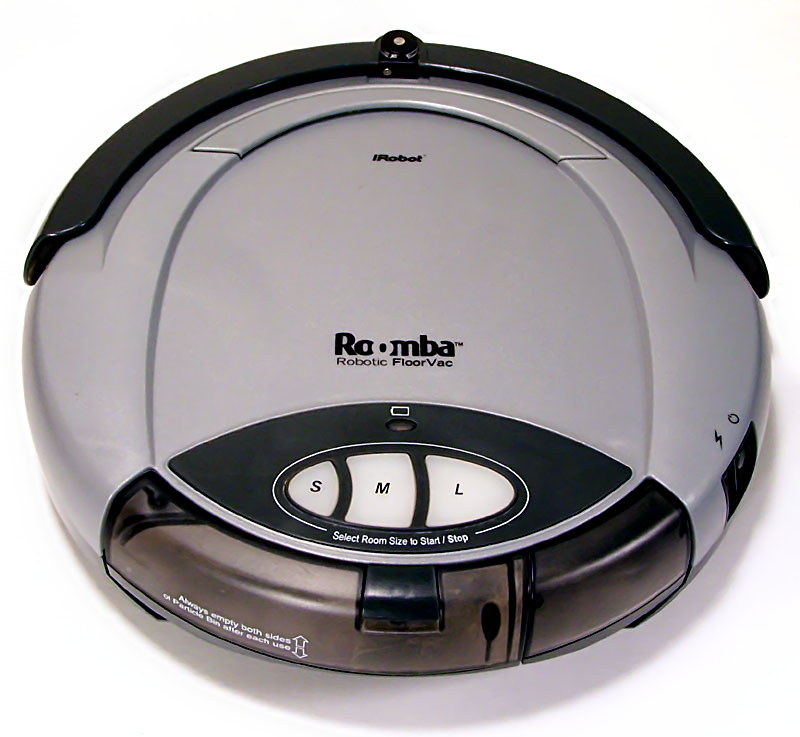
When the first Roomba rolled across living room floors, the small round robot seemed more like a toy than a serious cleaning tool. It bumped into chair legs, spun in odd patterns, and occasionally wedged itself under sofas, which amused and confused early owners. Yet the idea of a device quietly handling everyday sweeping while people did something else proved powerful. As sensors and mapping software improved, Roombas and similar robots became reliable helpers. They now patrol hallways and corners in homes and offices, turning a once strange gadget into a normal sight.
Fidget Spinner Tiny Whirl Of Focus
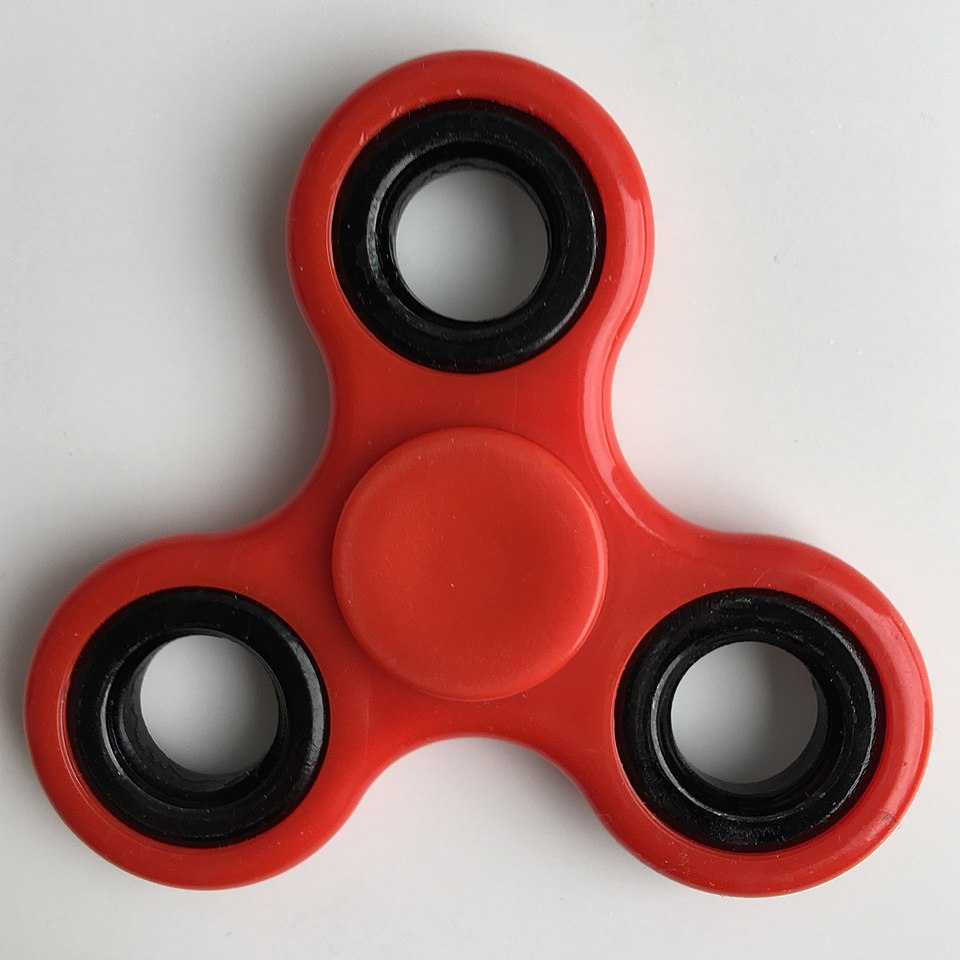
The fidget spinner appeared as a simple palm sized toy with three weighted arms that spun smoothly around a central bearing. Marketed as a focus aid for restless hands, it spread quickly through classrooms and offices as videos of tricks and spins filled social media. Some teachers banned them, while others saw benefits for certain students who needed subtle sensory input. The craze eventually shrank, but not before millions of spinners sold worldwide. The tiny whirling gadget left a lasting mark on conversations about attention, stress, and everyday tools for calming the mind.
Clapper Lights Activated By Applause

The Clapper arrived on television with a catchy jingle and memorable commercials showing people clapping twice to turn off lamps or televisions from the couch or bed. At first it looked like a novelty item, easy to parody and dismiss as a gimmick. Yet for people with limited mobility, dark hallways, or cramped bedrooms, sound activated control felt genuinely useful. The device sold steadily for years, even with occasional misfires from barking dogs or loud televisions. Its playful design quietly paved the way for modern smart plugs, motion sensors, and voice controlled lighting.
Wind Up Radio Broadcasting Without Batteries
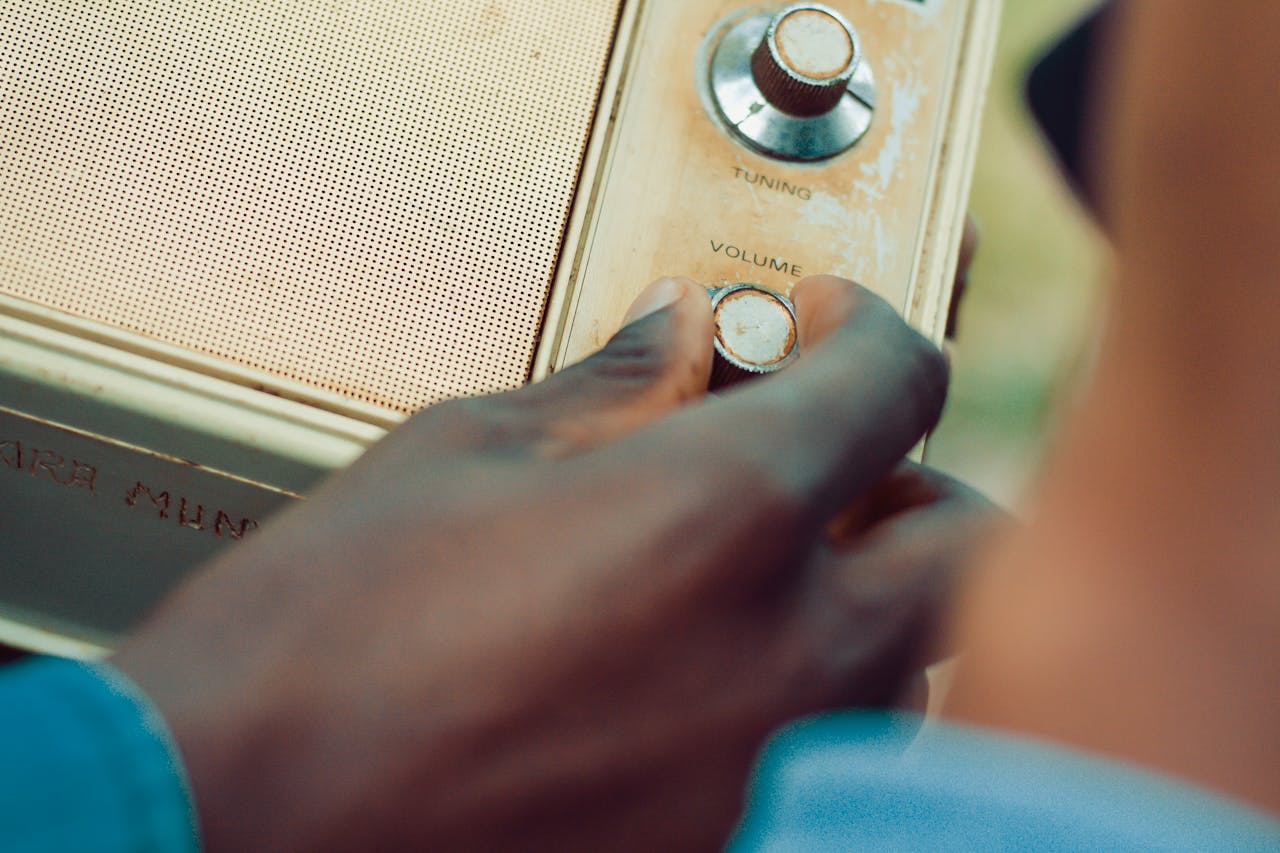
The wind up radio was created by Trevor Baylis after he heard radio reports about the HIV crisis in parts of Africa where many families lacked access to batteries or dependable electricity. He designed a receiver powered by a hand crank that stored energy in a spring, allowing news and health messages to reach remote communities after just a few turns. The first models looked bulky but proved durable in rough conditions. Aid organizations soon adopted them for disaster zones and remote villages, where information could make the difference between isolation and timely help.