
For years, many Americans treated Europe as a place where a passport and a plane ticket were enough. That easy rhythm is shifting. By 2026, new European systems will check travelers in advance, store fingerprints, and keep precise logs of who comes and goes. None of this makes a Paris weekend impossible, but it does change how early planning needs to start. The more travelers understand these rules now, the less likely they are to meet them for the first time at a crowded border kiosk.
ETIAS Pre-Approval Becomes Non-Negotiable

From 2026 onward, most U.S. citizens will need ETIAS approval secured before boarding a flight or ferry to much of Europe, even for short vacations. ETIAS is not a full visa, but a mandatory security screening that sits between booking and departure, checked electronically by airlines and border guards. Anyone who forgets to apply, or is denied, will face the problem at the gate instead of the passport booth. Spontaneous trips will still exist, just with an extra digital lock on the door.
Paying The New ETIAS Application Fee

The ETIAS form will live online, paired with a modest but unavoidable application fee charged per adult traveler. The fee will be nonrefundable and tied to the specific passport used in the application, which means mistakes or last-minute renewals can become expensive. Once approved, the authorization will last for multiple trips over several years, so the cost spreads out in practice. Still, it turns the old habit of “just show up with a passport” into a paid, logged step that every adult must handle.
Biometric Registration At The Border
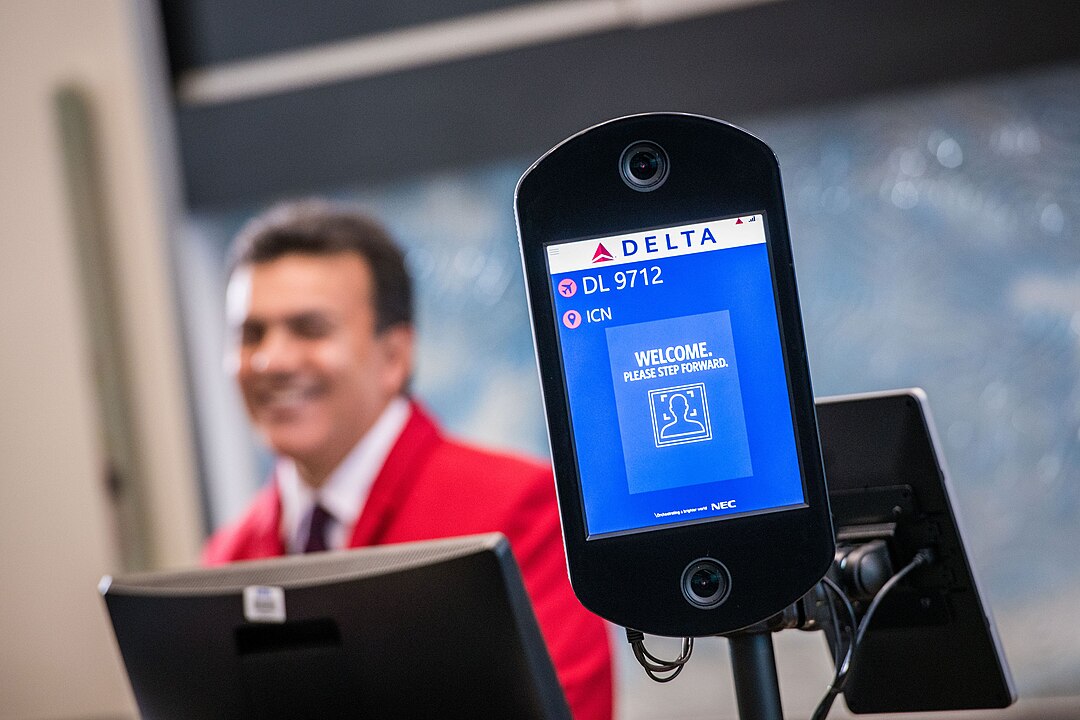
The EU’s Entry/Exit System will bring biometric checks to nearly every first Schengen arrival after rollout. U.S. travelers can expect fingerprints and a facial image to be captured at automated kiosks or supervised booths before stepping fully into the arrival hall. That data will be stored for years and reused on later entries, allowing faster checks but also deeper tracking. The first time through will likely feel slower and more clinical, as officers balance long lines with strict new procedures.
Passport Stamps Replaced By Digital Records
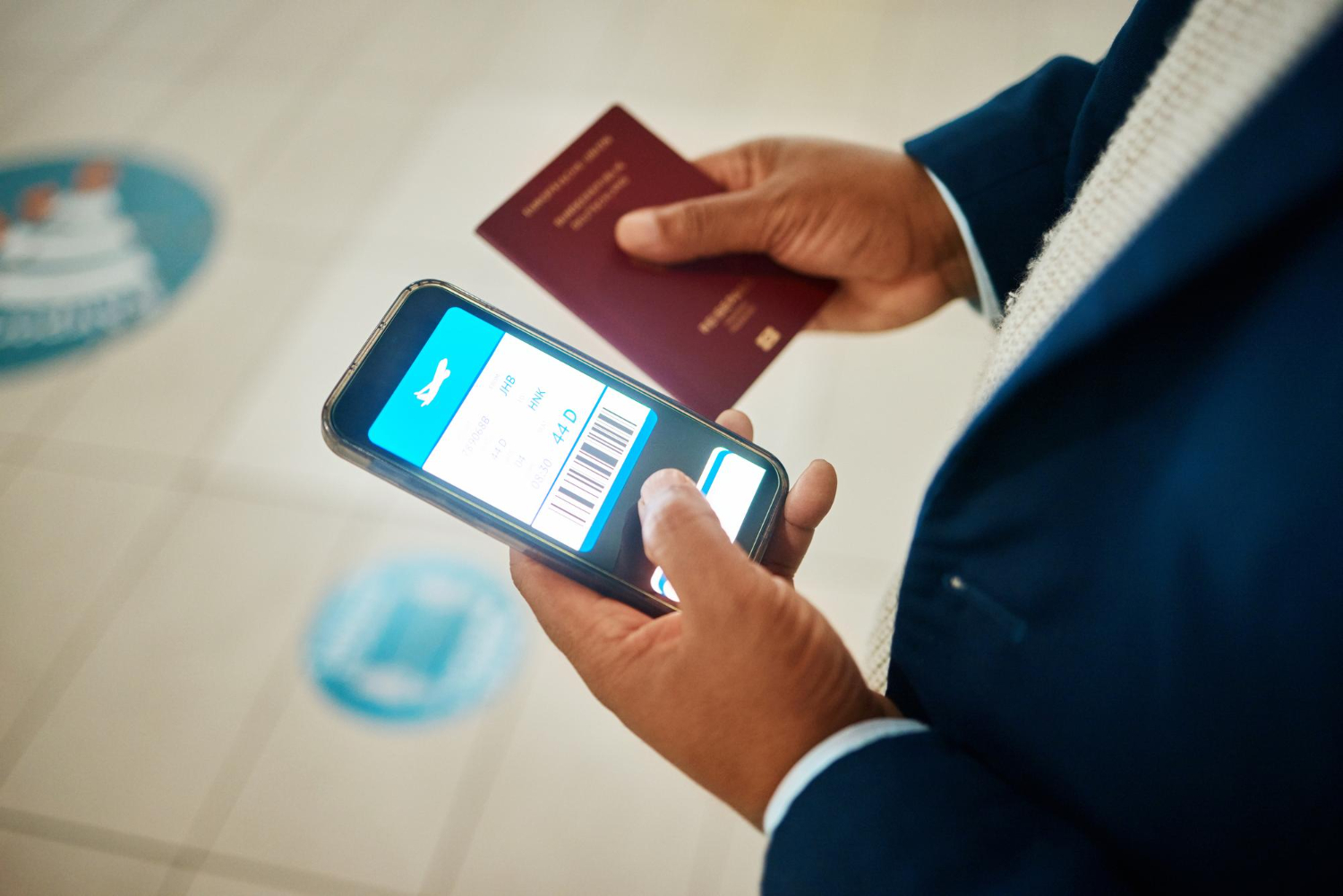
Ink stamps have always looked simple, but they were easy to misplace, smudge, or misread. With EES, each entry and exit will be logged electronically, tying dates and border crossings to a central database instead of the pages of a booklet. For many travelers, that means no more flipping through stamps to count days or prove previous trips. For authorities, it becomes far easier to spot patterns, overstays, or conflicting stories in seconds, not minutes at a booth.
Stricter Attention To Passport Validity
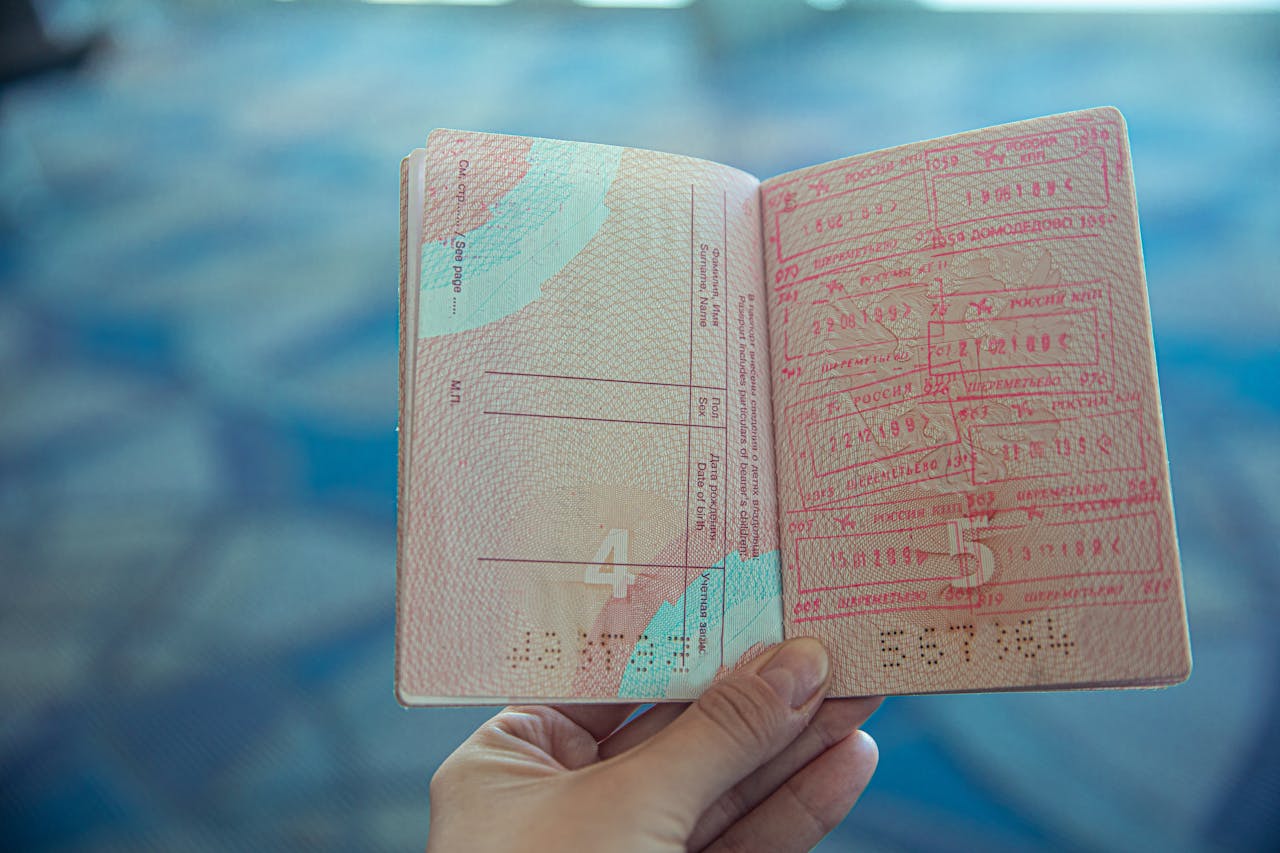
Officially, Schengen rules require a passport that remains valid at least three months beyond the planned departure date and is not more than 10 years old on entry. In reality, airlines and border officers often prefer a six-month safety cushion to avoid drama at check in. By 2026, with digital checks tightening, trying to squeeze in a “last” trip on a nearly expired passport will be a gamble. Renewing sooner rather than later becomes the calmer choice, not an overreaction.
Real Enforcement Of The 90/180 Day Rule
The long-standing rule still holds: up to 90 days of stay in any rolling 180-day window across most of the Schengen Area. What changes is how easily it can be enforced once every crossing is stored in EES. Overstays that used to be glossed over or miscounted may now surface instantly during future entries or ETIAS checks. A casual decision to stay “just a bit longer” can ripple into denied boarding, on-the-spot questioning, or a travel ban that stretches far beyond one summer.
Deeper Background Questions On Every Application
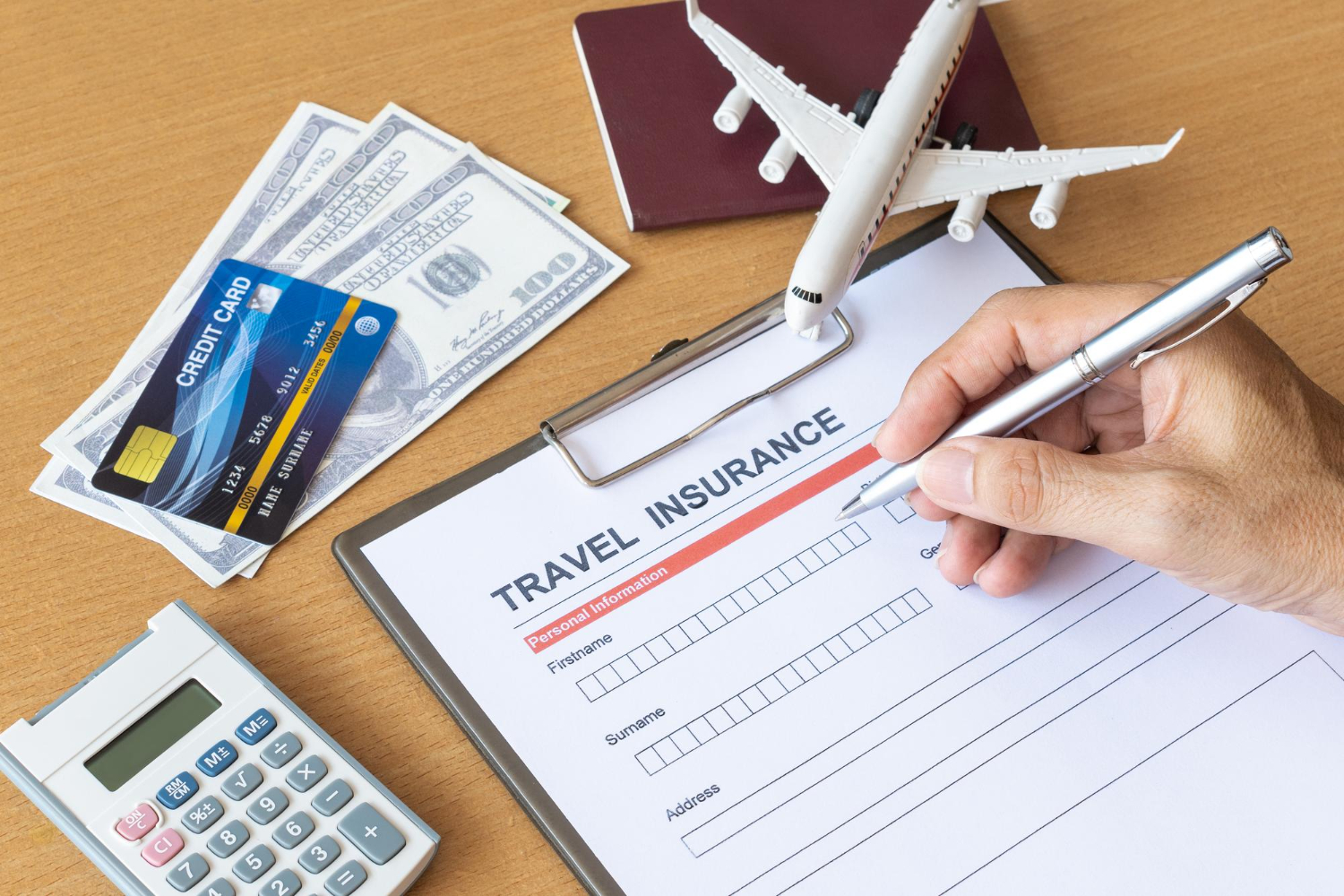
ETIAS will ask more than simple passport and contact details. U.S. applicants can expect questions about employment, education, travel history to specific regions, and any past criminal records. Those answers will be run against security and migration databases before approval is granted or refused. For most people, the process will be uneventful and quick. For anyone with a complicated history, the days of sorting things out only at the counter in the airport will shrink considerably.
One Authorization Per Person, No Exceptions
Every traveler, from infants in strollers to grandparents on a retirement tour, will need a separate ETIAS authorization linked to a unique passport. Families will be able to file applications together, but the outcome lives at the individual level. One relative facing extra scrutiny will not automatically block or free the rest. Multi-generational trips will require one more round of coordination, with someone double checking that every passport number, date of birth, and confirmation email lines up.
Keeping ETIAS And Passport Details Perfectly Synced
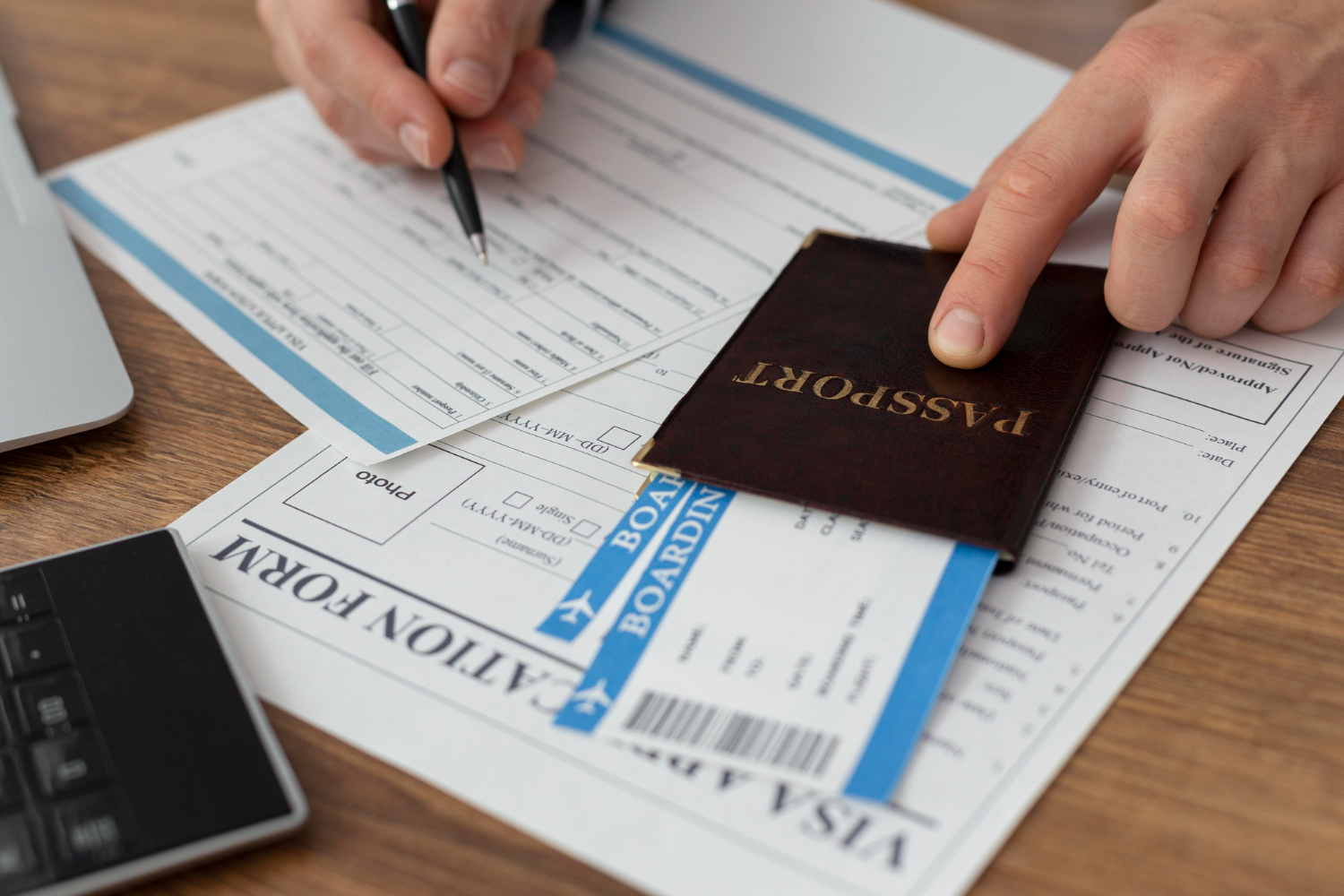
Because ETIAS connects directly to a specific passport, any renewal or replacement breaks that link. A traveler who upgrades a passport between applying and flying will need to file a new ETIAS with the fresh document, or risk confusion when airline systems and border databases fail to match the numbers. That can turn up at the worst possible time, like a boarding gate in peak season. Knowing this, careful travelers will treat ETIAS and passport renewal as a single planning puzzle, not two separate chores.
Allowing Extra Time For New Airport Routines

Even when systems work well, first trips through biometric kiosks and new procedures tend to move slower than old routines. During the early years of EES and ETIAS, European airports and ferry ports will still be adjusting staffing, signage, and repair schedules for new equipment. Lines may spike when a kiosk fails or a flight full of travelers all need fingerprint scans for the first time. Smart itineraries will quietly add extra time before connections, hotel check-ins, and dinner reservations instead of assuming a quick shuffle through.
Understanding Where The Rules Actually Apply

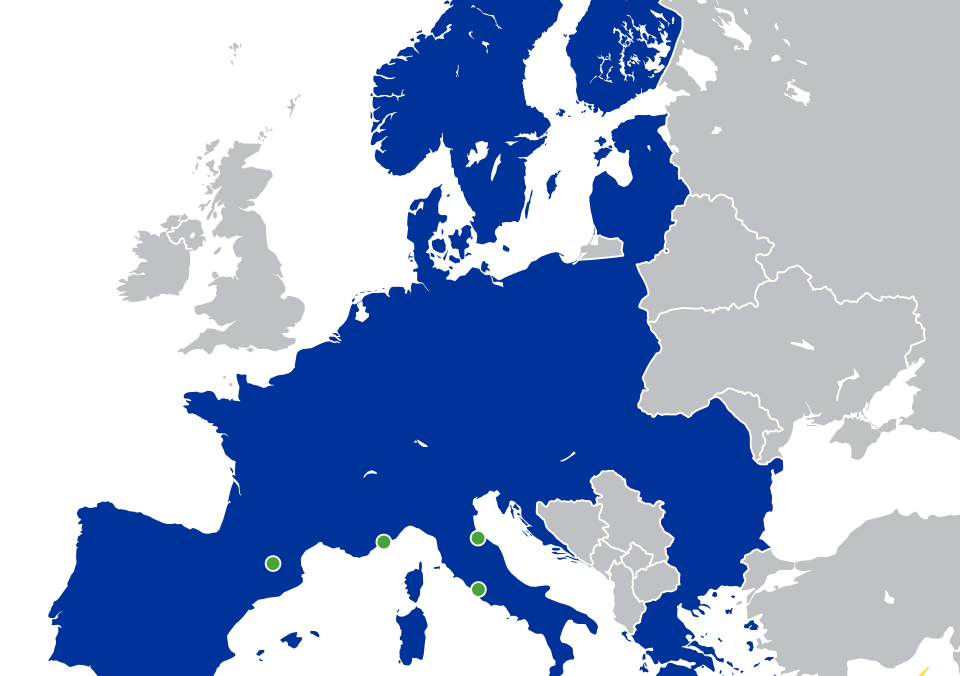
Europe is not a single legal block, even if it looks that way on a standard map. ETIAS and EES will cover Schengen states and some associated countries, but not every popular spot on a travel wishlist. Ireland, for example, will keep its own entry rules for U.S. citizens, and some Balkan countries will sit on a separate track for a while. Anyone planning rail-heavy or multi-country trips will need to know which borders fall under the new systems and which still operate under older, separate arrangements.