Across the country, there are places where the noise stopped but the buildings stayed. Factory floors that once shook with machines now echo with dripping water. Forts that guarded harbors sit quiet behind fences, while grand theaters hide peeling ceilings behind boarded doors. These sites are not just curiosities for urban explorers; they are leftover chapters from wars, booms, and busts that reshaped entire towns. Walking through them, it is hard not to feel both awe and a little unease.
Packard Automotive Plant, Detroit, Michigan

The Packard plant in Detroit once turned out luxury cars inside a concrete maze that stretched for blocks. When the company folded, production stopped and the buildings slowly emptied, leaving offices with papers still on desks and assembly lines frozen midstep. Decades of scrapping and weather punched holes through floors and roofs, and trees now grow from upper levels. Even in partial demolition, the site feels like a physical diagram of how quickly an industry can rise, dominate, and then collapse.
Bethlehem SteelStacks, Bethlehem, Pennsylvania

Bethlehem Steel once supplied metal for skyscrapers and ships, and its blast furnaces defined the town’s skyline. When the plant closed in the 1990s, the huge stacks and catwalks rusted in place, towering over silent rail lines and empty yards. Today, parts of the site host concerts and markets, but the furnaces remain dark and imposing, like an industrial cathedral. Their size and stillness say more about the scale of lost jobs and pride than any museum label ever could.
Carrie Blast Furnaces, Near Pittsburgh, Pennsylvania

The Carrie Furnaces along the Monongahela River look almost unreal, giant iron beasts covered in rust and vines. These structures once turned ore into the hot metal that fed Pittsburgh’s steel mills, running nonstop shifts that lit up the valley at night. Since shutting down in the early 1980s, they have stood mostly untouched, their pipes, ladders, and platforms frozen miduse. Tours now wind through the site, where graffiti and wildflowers share space with massive machinery that once anchored a whole regional economy.
Fort Ord, Monterey Bay, California
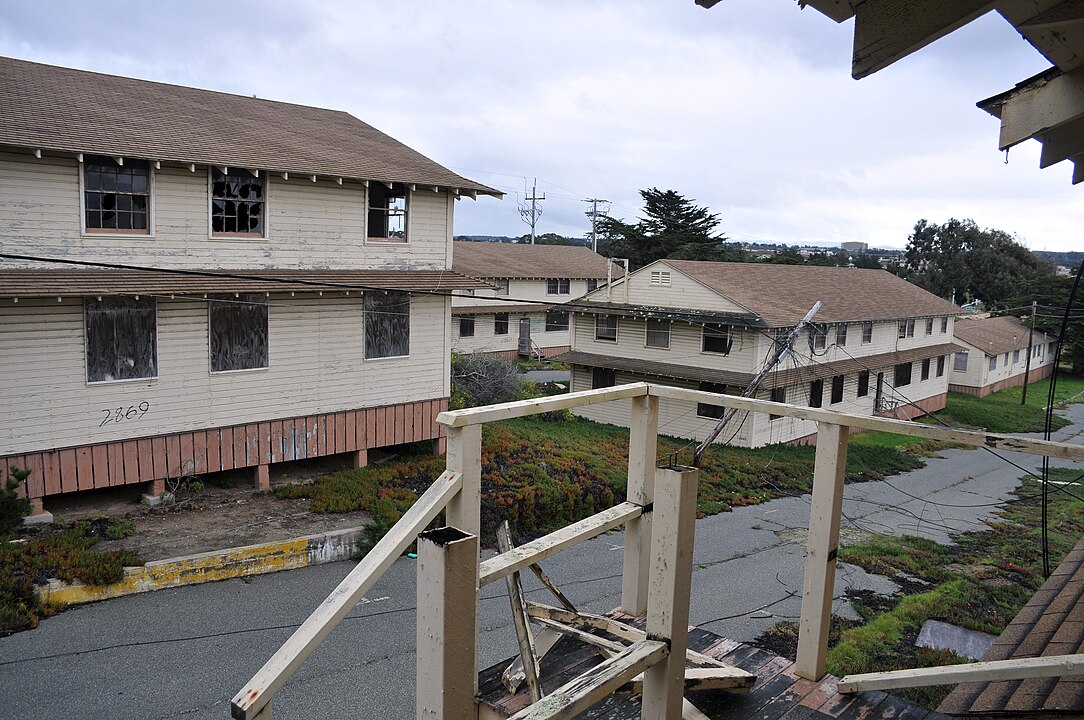
Fort Ord trained soldiers for much of the twentieth century, its barracks and ranges spread across prime coastal land. When the base closed in 1994, rows of wooden buildings and concrete dorms emptied out, leaving beds, lockers, and signs behind. Some of the land has been reborn as trails and a national monument, but large clusters of structures remain sealed and slowly collapsing. Nature creeps in through broken windows while cleanup crews wrestle with old toxins, turning the area into a rare blend of ruin and renewal.
Fort Hancock Batteries, Sandy Hook, New Jersey
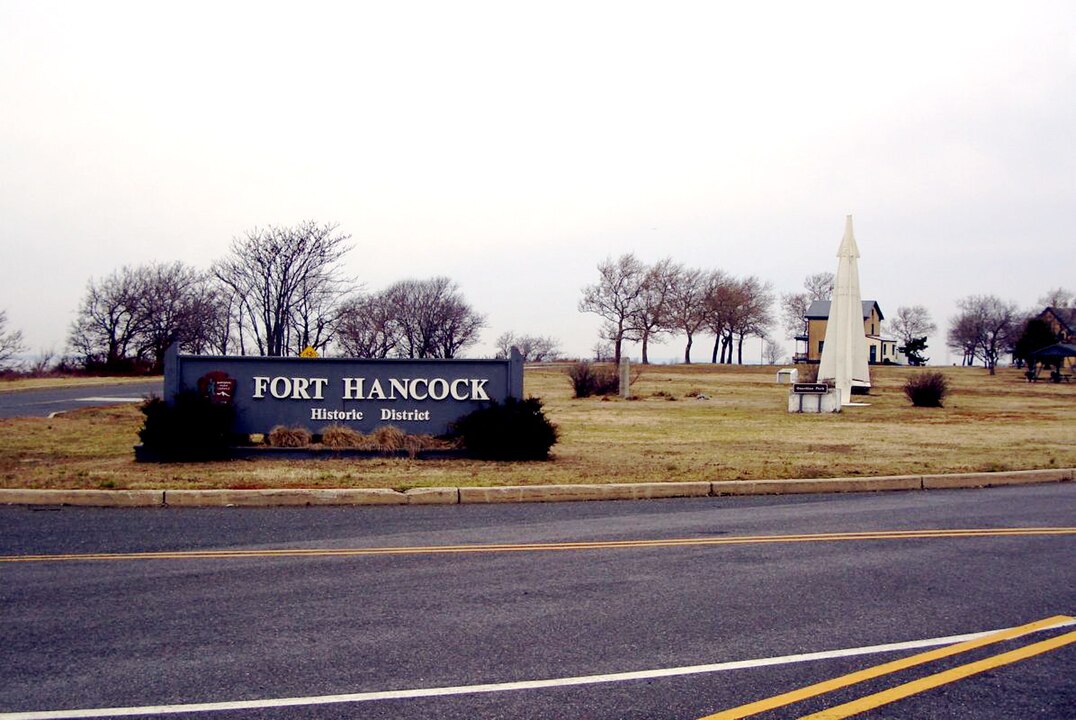
At the edge of Sandy Hook, Fort Hancock’s batteries sit half hidden in grass and sand, staring out at New York Harbor. Concrete gun emplacements and damp corridors once held heavy artillery, later replaced by missile sites that guarded the coast. After the fort’s mission faded, officers’ houses peeled in the salt air and porches sagged, giving the post the feel of a deserted seaside town. Some buildings found new uses, yet many stand vacant, a quiet reminder that even vital defenses can lose their purpose.
Buffalo Central Terminal, Buffalo, New York

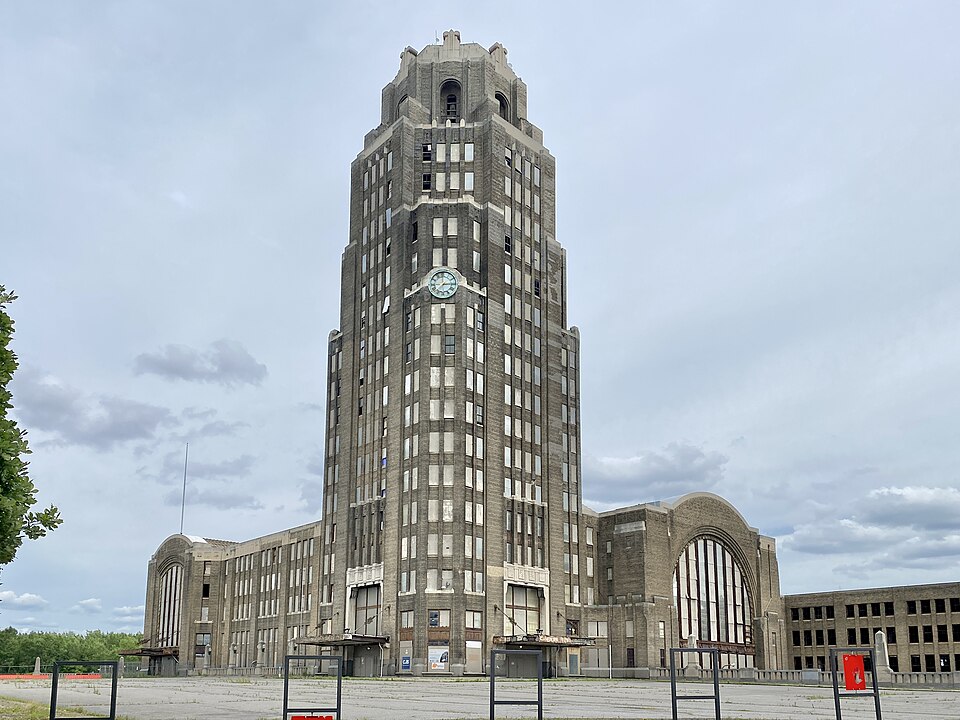
Buffalo Central Terminal was designed as a statement, with an Art Deco tower and a vast concourse to handle booming rail traffic. When passenger service left in 1979, the station emptied quickly, and years of neglect followed. Water leaks, missing glass, and stripped fixtures turned the interior into a favorite backdrop for ruin photography. A local group now stabilizes the structure and hosts events, but most of the hall still sits quiet, like a stage waiting for crowds that may never fully return.
Palace Theater, Gary, Indiana

In downtown Gary, the Palace Theater’s faded marquee and broken windows watch over mostly empty streets. The theater opened in the 1920s and once drew big crowds for films and live acts, feeding off the nearby steel mills. As the local economy shrank and residents moved away, the Palace closed and slowly decayed, its seats torn out and its ceiling collapsing in sheets. Occasional proposals to restore it collide with cost and population loss, leaving the building as a stubborn symbol of a city’s long downturn.
Orpheum Theatre, New Bedford, Massachusetts
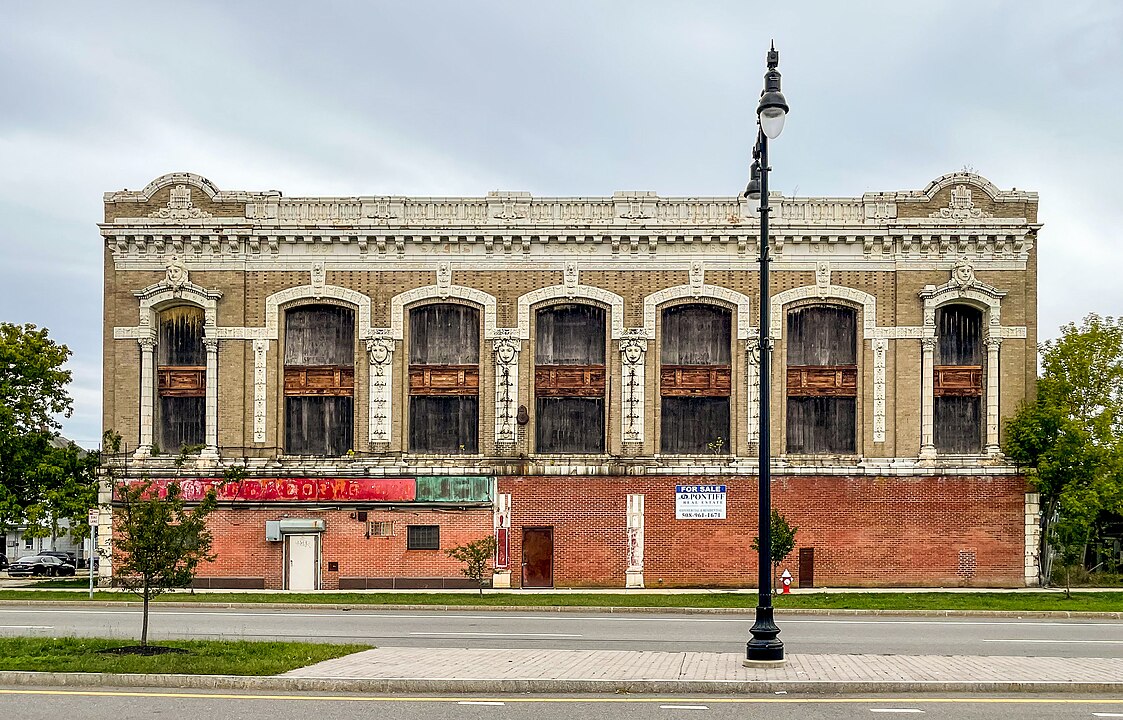
The Orpheum in New Bedford debuted in 1912 with ornate plasterwork and a busy schedule of vaudeville and films. Over time, audiences thinned, and by midcentury the theater’s doors were mostly shut, even as part of the building found new life as a small market. Behind those storefronts, the auditorium sits dark, with intricate balconies and moldings slowly crumbling into dust. Preservation efforts flare and fade, and the Orpheum remains caught between ambitions and budgets, grand but stuck in a long pause.
Ohio State Reformatory, Mansfield, Ohio
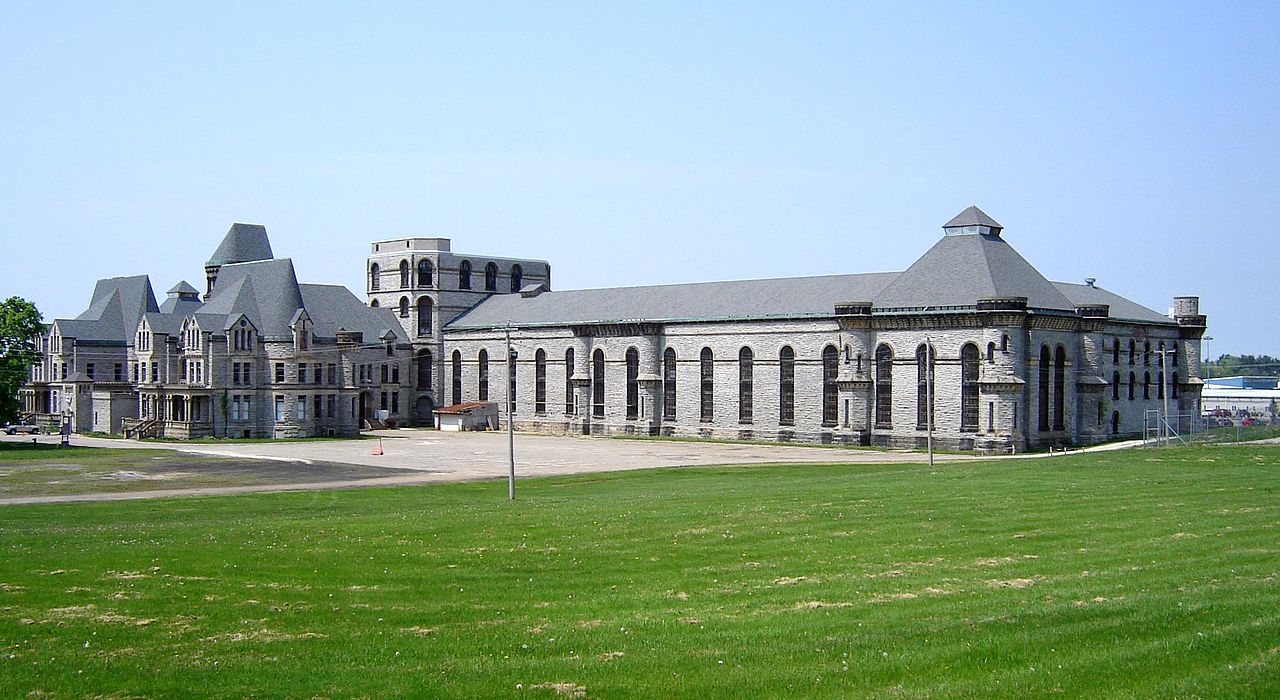
The Ohio State Reformatory looms over Mansfield with stone towers and a long, imposing facade that looks more like a castle than a prison. Inside, tiers of steel cells rise six stories high, once packed with inmates and now rusted and empty. After closing in 1990, the site nearly faced demolition before advocates stepped in. Tours today move through peeling corridors and echoing chapels, where the setting of “The Shawshank Redemption” intersects with the very real history of overcrowding and punishment.
Eastern State Penitentiary, Philadelphia, Pennsylvania

Eastern State Penitentiary pioneered a system of solitary confinement in the 1800s, with cellblocks radiating from a central hub like spokes on a wheel. When it finally closed in the 1970s, the complex slipped into slow collapse, with trees sprouting in exercise yards and cats wandering through empty cell wings. Preservation work has stabilized the site but left much of the decay visible, from flaking paint to rusted hinges. Walking those corridors feels less like visiting a polished museum and more like stepping into a concrete memory.
RKO Keith’s Theater, Flushing, Queens, New York
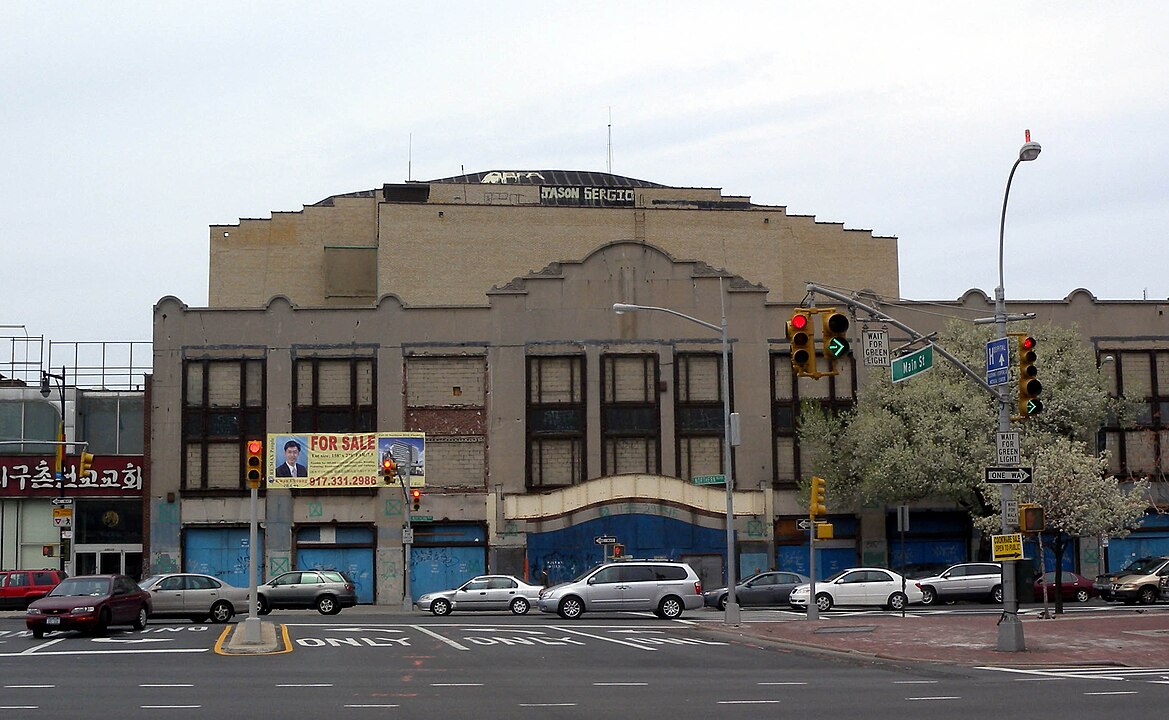
RKO Keith’s in Flushing opened as a lavish movie palace dressed in Spanish Baroque details, hiding an ornate lobby behind a modest street front. The theater closed in the 1980s, and neglect chewed through its once luxurious auditorium, even as preservationists fought to save at least parts of the building. Redevelopment plans now thread a new complex around a landmarked lobby, leaving most of the original space gutted or gone. The remaining fragments feel like a memory tucked into a modern shell.