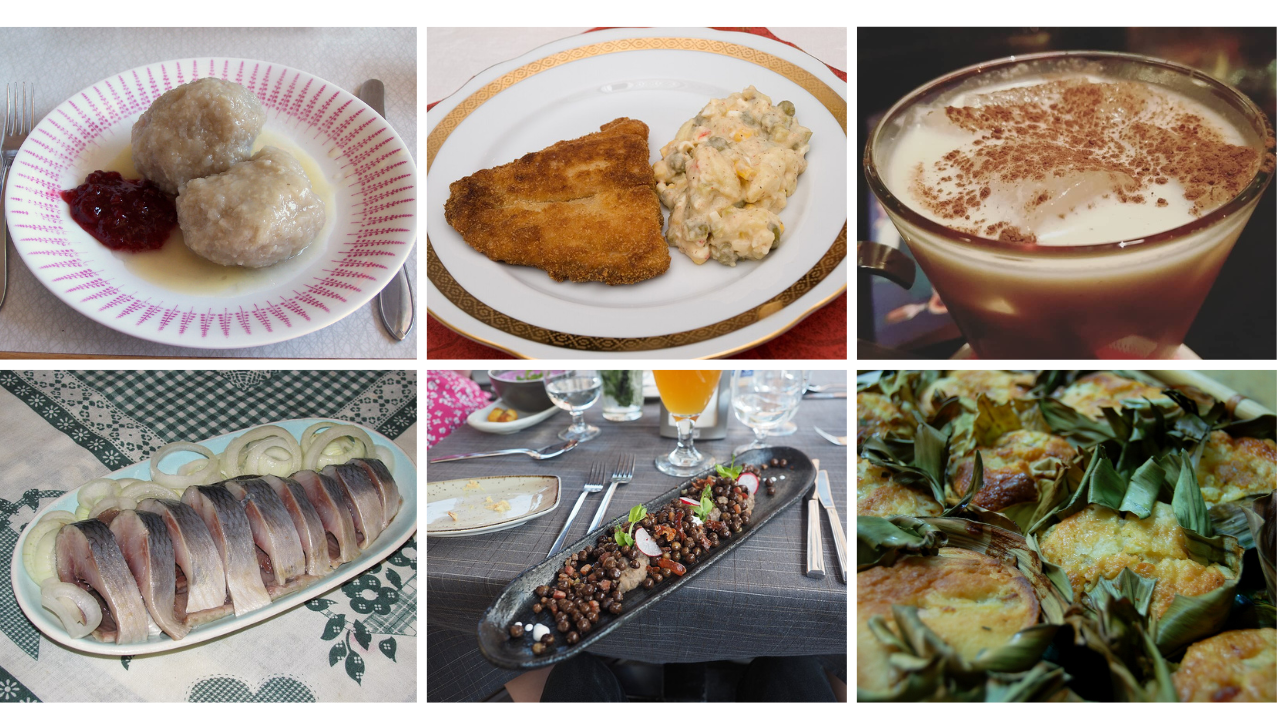
December is often imagined as a blur of cookies, cocoa, and familiar roasts, yet many families celebrate with dishes that defy expectation. Some recipes smell intense, look unusual, or arrive in forms that surprise guests, but they carry deep roots in place and memory. Tracing these foods, from fermented fish to purple rice cakes, reveals how people turn hard winters, migration, and faith into flavors that anchor the season and quietly tell their own stories. Each unusual plate becomes a reminder that celebration can be both comforting and bravely curious.
Lutefisk On Norwegian Christmas Tables
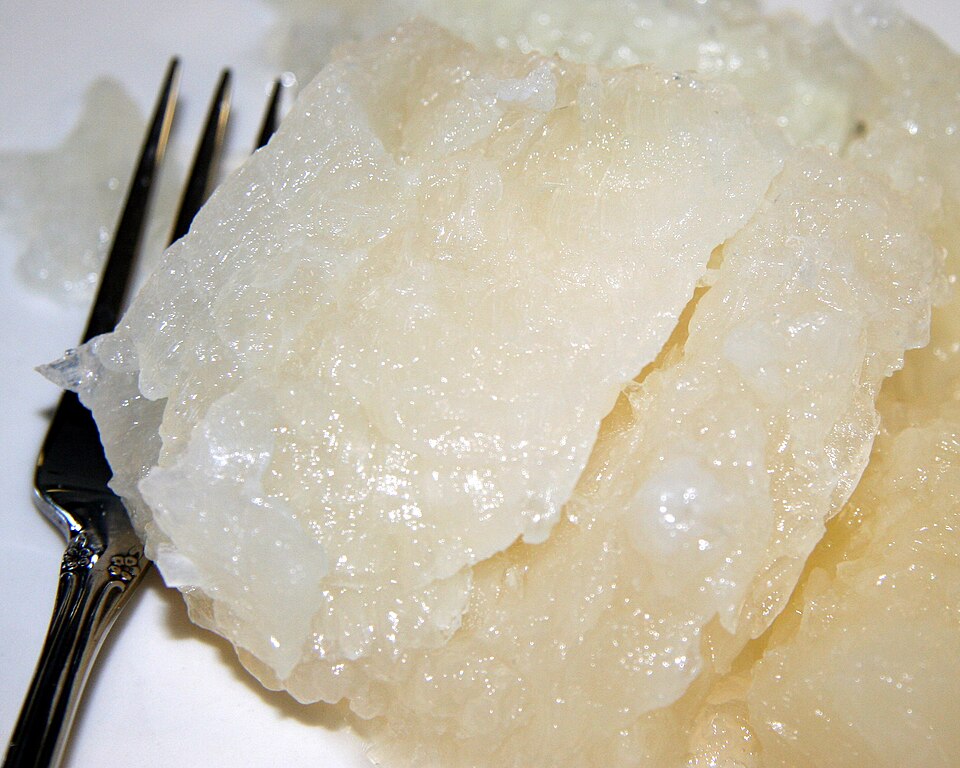
In Norway and in Scandinavian communities abroad, Christmas gatherings often revolve around lutefisk, dried cod that has been soaked, treated with lye, then rinsed until it turns almost translucent. Baked and served with potatoes, peas, and crisp bacon or wrapped in soft lefse, it carries stories of seafaring families and long winters when preserved fish meant survival. People joke about the smell and texture, yet the ritual of preparing and sharing it signals that the season has truly taken hold and ties cousins, grandparents, and new partners into one long, salty, laughing story that returns every year.
Fermented Skate For Thorlaks Mass In Iceland
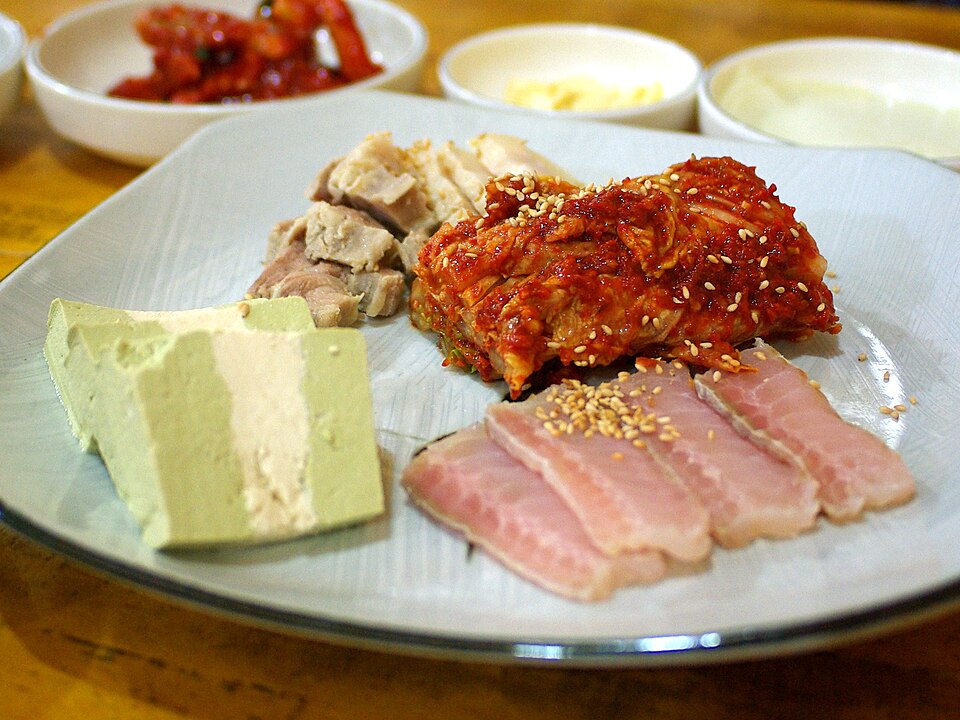
In Iceland, Dec. 23 brings Thorlaks mass and the strong, unmistakable smell of fermented skate drifting from kitchens and seaside cafes. The fish has been cured until an ammonia like aroma fills the room, then boiled and served with potatoes, melted butter, and often a shot of local schnapps for courage. For many Icelanders, one or two bites are enough, yet the tradition matters less for taste than for the sense that another dark winter has been met head on together, with jokes, wrinkled noses, and shared plates around crowded tables that feel brighter afterward, if only slightly, for a while.
Bathtub Carp In Central Europe
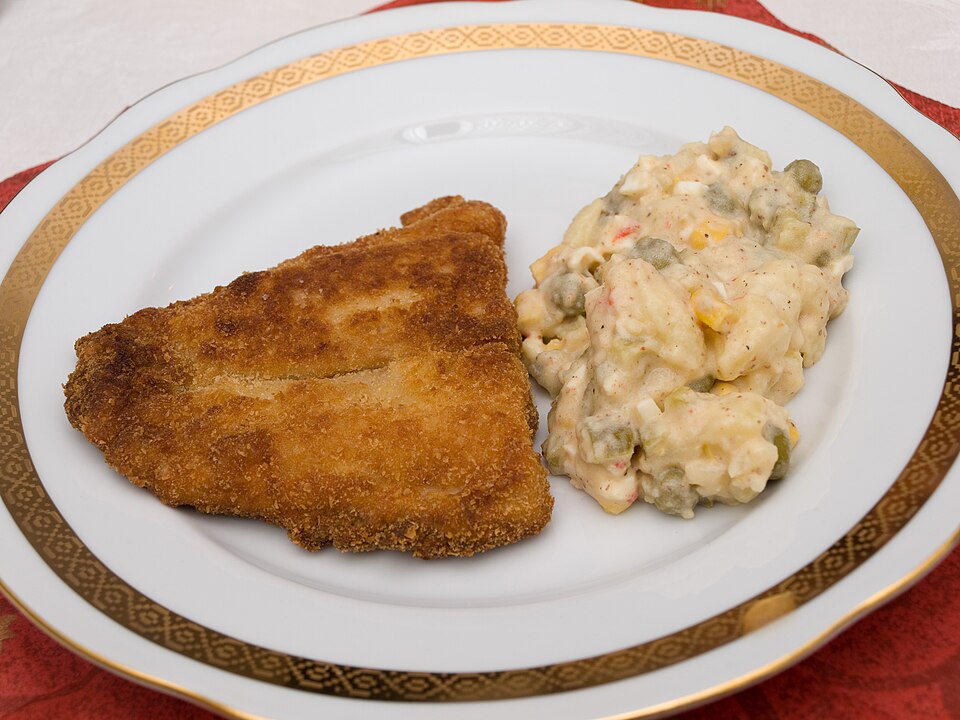
Across Poland, Czechia, and Slovakia, December often means a live carp circling quietly in the family bathtub for a few days before Christmas Eve. Children tap the rim and whisper to it, fully aware that soon it will become breaded fillets, fish soup, or slices set in shimmering aspic on the vigil table. The custom grew from fasting rules and limited winter meat, yet it now carries layers of humor and sentiment, from lucky scales kept in wallets to stories told about that one escape artist carp that almost got away and splashed the hallway, soaking everyone and leaving wet footprints on cold tiles.
Kiviak Fermented Seabirds In Greenland
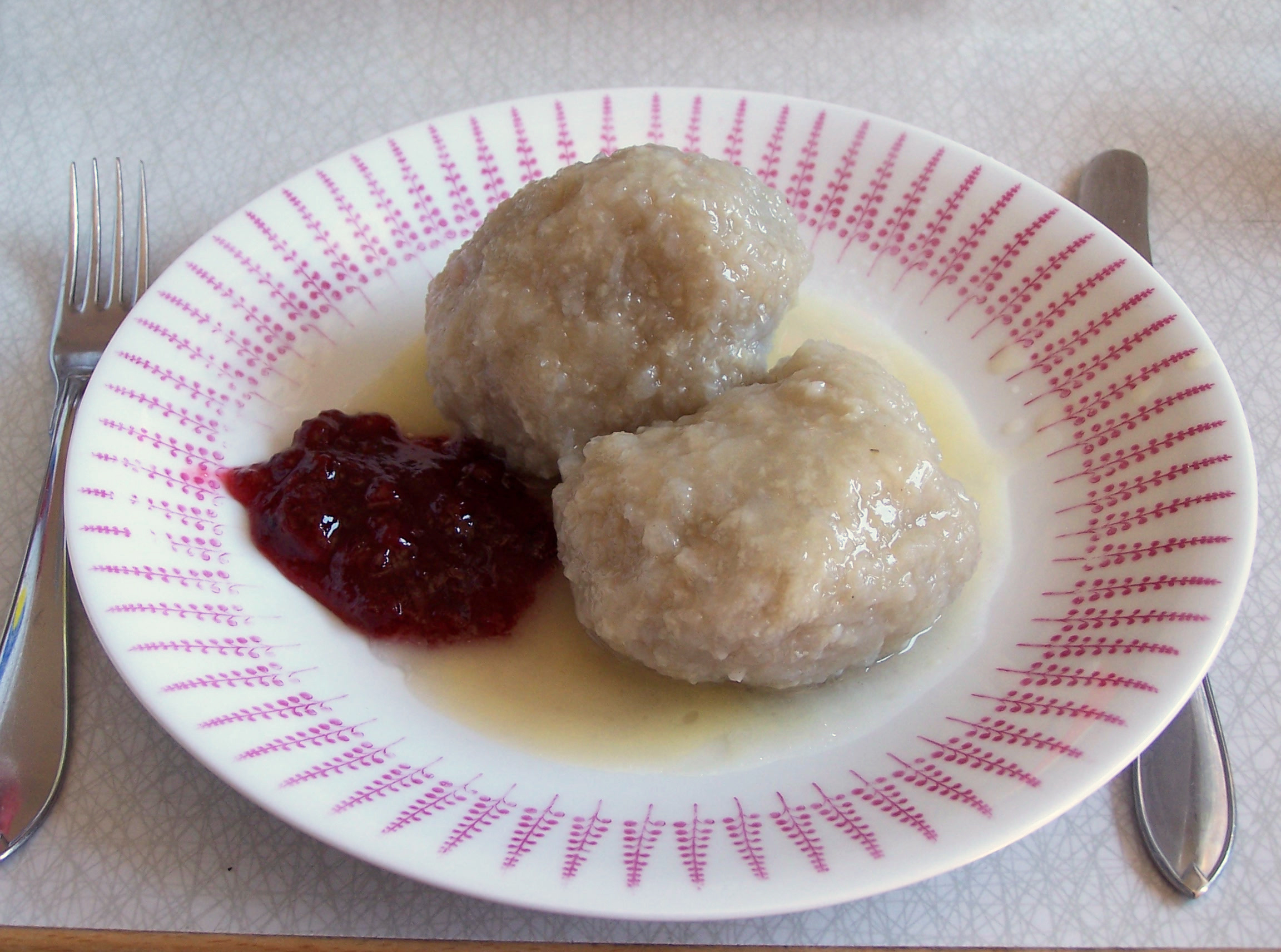
In Greenland, some winter feasts feature kiviak, a dish that can unsettle visitors but comforts many local families. Hunters pack small seabirds into a sealskin, seal it with fat, and leave it under rocks to ferment for months before it is opened around Christmas or midwinter. When the skin is finally cut, the aroma is strong and the meat intensely rich, yet each bite connects people to ancestors who survived polar nights with preserved food. Sharing kiviak becomes a way of honoring endurance, skill, and the stark Arctic landscape that shapes daily life and memory, even as tastes slowly change.
Grey Peas With Bacon In Latvia
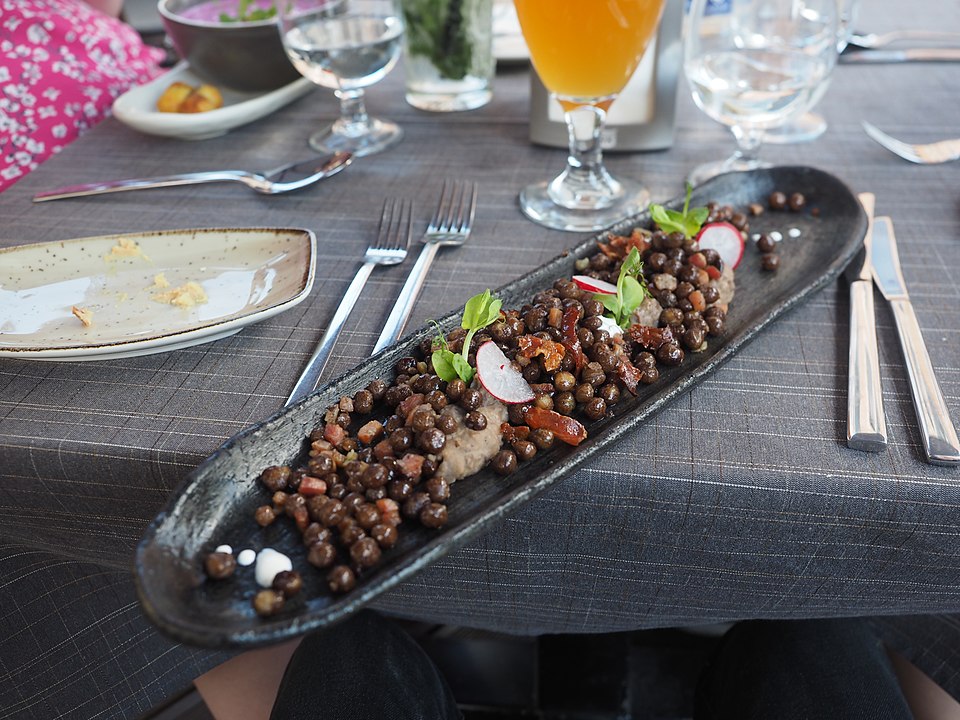
In Latvia, a simple bowl of grey peas with bacon quietly anchors many Christmas Eve tables. Local peas simmer until tender, then are mixed with fried pork and onions, sometimes finished with a spoonful of tangy dairy, creating a dish that feels earthy and filling in the middle of winter. Folklore suggests that eating the peas helps leave worries behind in the old year, so hosts encourage guests to finish their portion. The recipe highlights local crops, thrifty habits, and the belief that modest food can still carry real comfort and good luck into January, no matter the weather outside the village.
Fried Eel Capitone In Italy
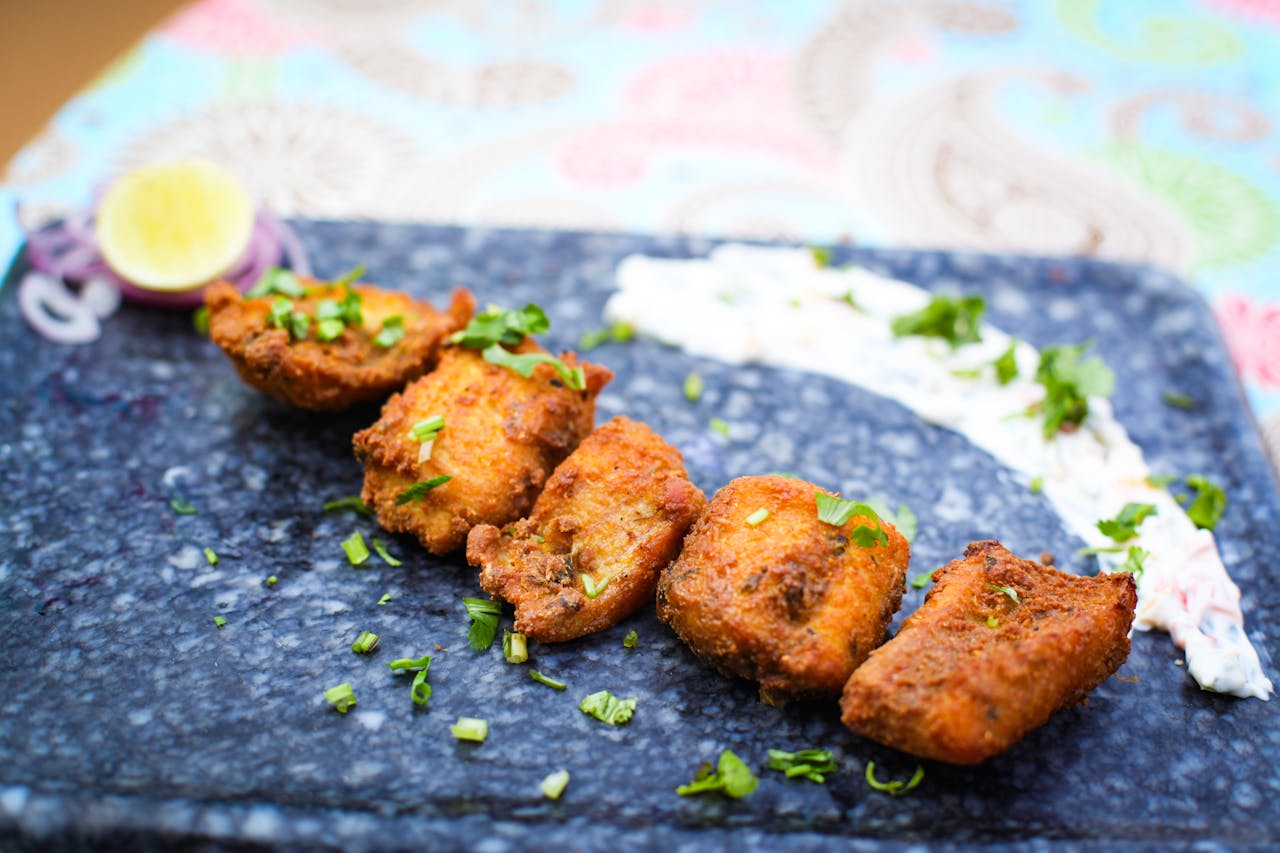
In parts of southern and central Italy, Christmas Eve is marked not by turkey but by capitone, the large female eel that becomes the star of the vigil meal. Market stalls display live eels in crowded tanks, and choosing one is almost a small ceremony before it is cleaned, sliced, and fried or stewed in tomato. The eel has long symbolized misfortune and the serpent, so eating it is seen as a way to tame bad luck. Even relatives who prefer milder fish acknowledge that the smell of capitone belongs to December and crowded family kitchens, humming with talk late into the night over wine and bread.
Pickled Herring At Eastern European Vigils
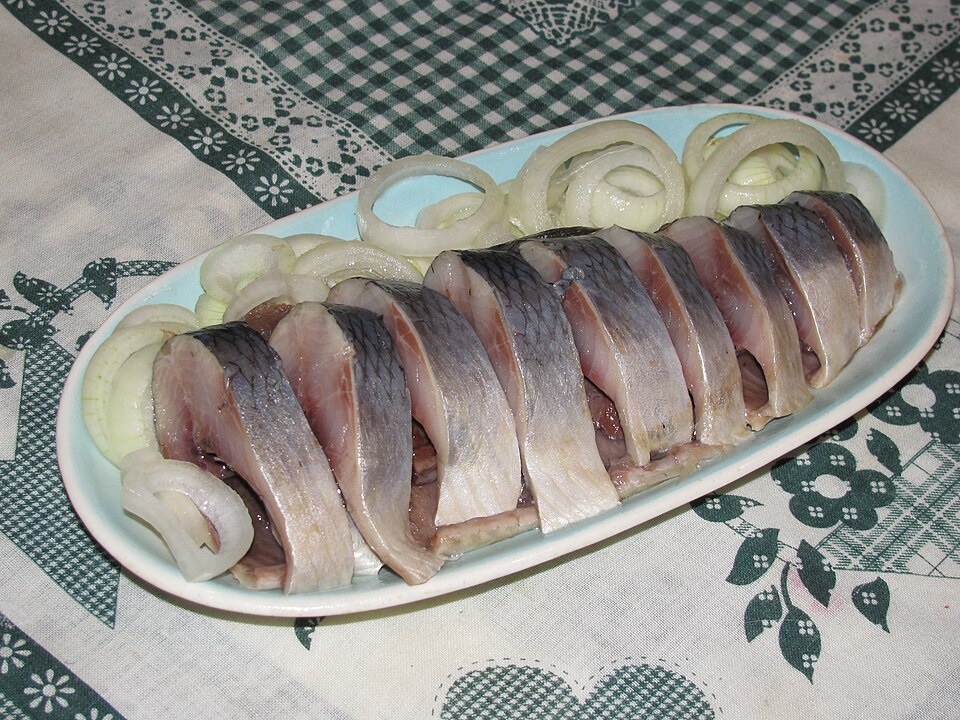
Across parts of Poland, Lithuania, and Ukraine, pickled herring is a small but essential presence on Christmas Eve vigil tables, even for those who only take a cautious forkful. Fillets cured in salt, then marinated with vinegar, onions, spices, or beetroot, appear in several versions among the traditional twelve dishes. The fish reflects both old fasting rules and the importance of preserved seafood in cold winters, when fresh options were rare. Its silvery skin and many bones have also come to symbolize abundance, so hosts treat it with quiet respect and never forget to serve it beside candles.
Christmas Buckets Of Fried Chicken In Japan
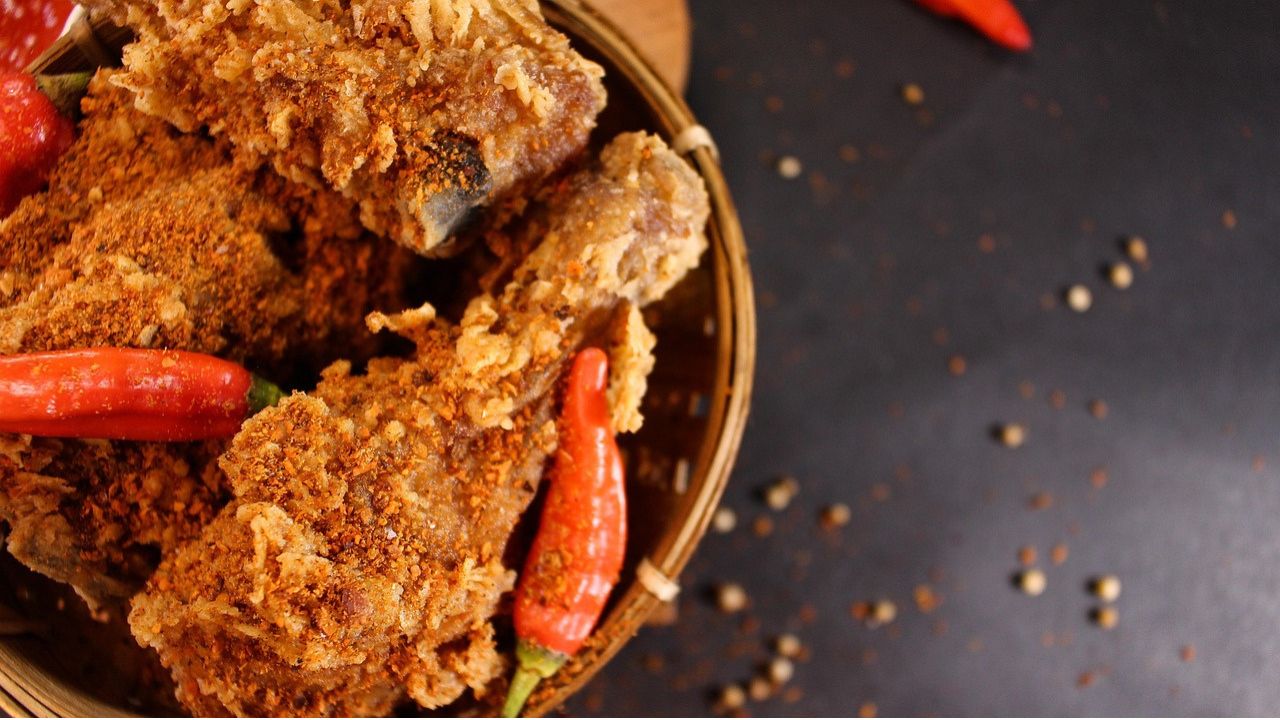
In Japan, a surprising December ritual involves prepaid buckets of fried chicken rather than home roasted birds. Since a successful 1970s campaign linked the brand with Western style Christmas dinners, families and couples have reserved party sets days or even weeks in advance, lining up at busy counters on Dec. 24 to collect them. Boxes of chicken, sides, and cake are then shared in small apartments or offices, turning a fast food meal into a seasonal symbol. For many, that familiar red bucket now signals that the holidays have truly arrived and should be photographed, posted, and remembered.
Bibingka And Puto Bumbong In The Philippines
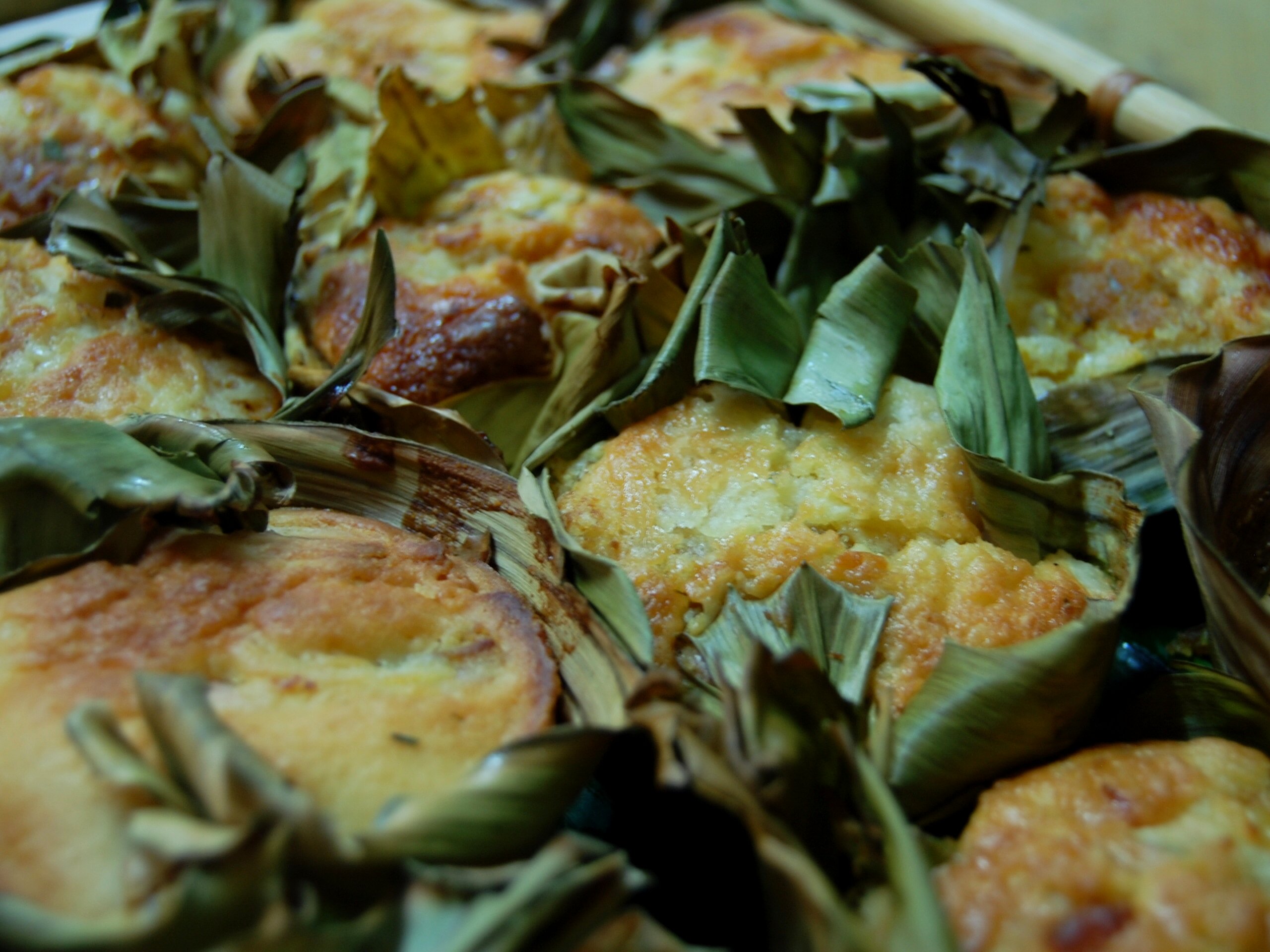
In the Philippines, the nine nights of Simbang Gabi wrap faith and food together, and the most vivid tastes often wait just outside the church doors. Vendors tend clay pots lined with banana leaves, baking soft bibingka rice cakes over charcoal, then brushing them with butter and topping them with coconut, cheese, or salted egg. Beside them, purple puto bumbong slips from bamboo tubes, rolled in sugar and more coconut. Eating these warm sweets in the cool dawn or late evening turns the street itself into part of the celebration and lingers in memory long after decorations are stored away in closets.
Coquito Coconut Holiday Punch In Puerto Rico

In Puerto Rico and in Puerto Rican communities abroad, glass bottles of coquito start appearing in refrigerators and gift bags well before Dec. 24. This creamy coconut drink blends coconut milk, condensed milk, spices, and rum into something that resembles eggnog but feels firmly tied to island kitchens and family handwriting. Relatives trade versions, some extra thick, some lighter, and spend evenings pouring small glasses for guests who stop by. An almost empty bottle by New Year signals that there were plenty of visits, late talks, generous refills, and toasts to better days, even if the year was hard.