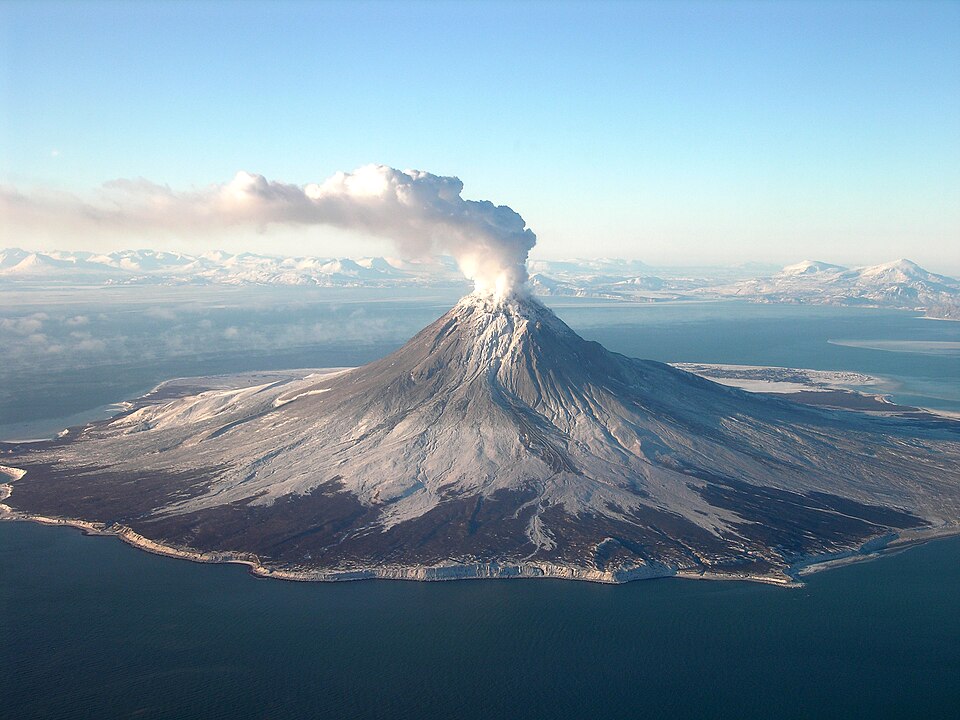
Beneath familiar parks and mountain ranges, giant volcanic systems sit locked in slow motion, storing energy on timescales far longer than any news cycle. Most will never erupt in a way that affects modern society, yet the rocks show that past blasts have changed continents, climates, and migration routes. Exploring those scenarios is not about panic. It is about scale, perspective, and the quiet reminder that cities, farms, and highways rest on ground that is still learning its final shape.
Yellowstone Ash Across The Heartland
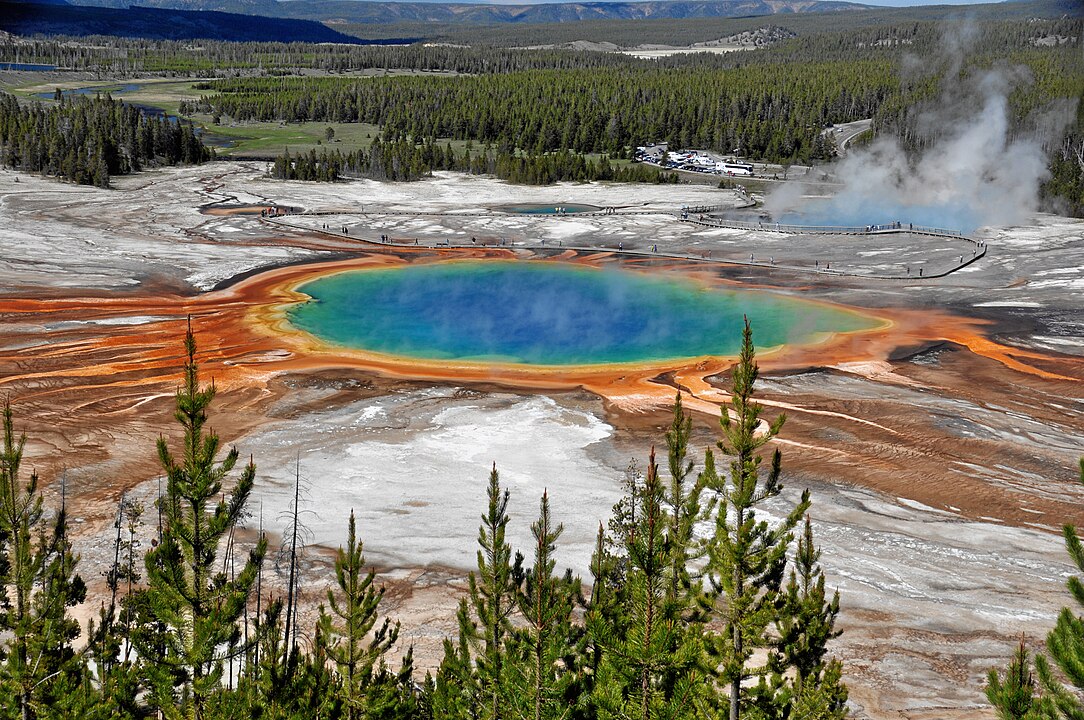
In a full scale Yellowstone eruption, ash columns could punch into the upper atmosphere and drift east with prevailing winds. The fine, abrasive material would not fall evenly. Some towns might get a dusting, while parts of the Plains and Midwest could see drifts thick enough to collapse roofs, choke machinery, and smother corn and wheat fields. Cleanup would take years, and the regions that usually feed large parts of the world might suddenly need to import staples instead.
Yellowstone Caldera Lake And New Thermal Landscape
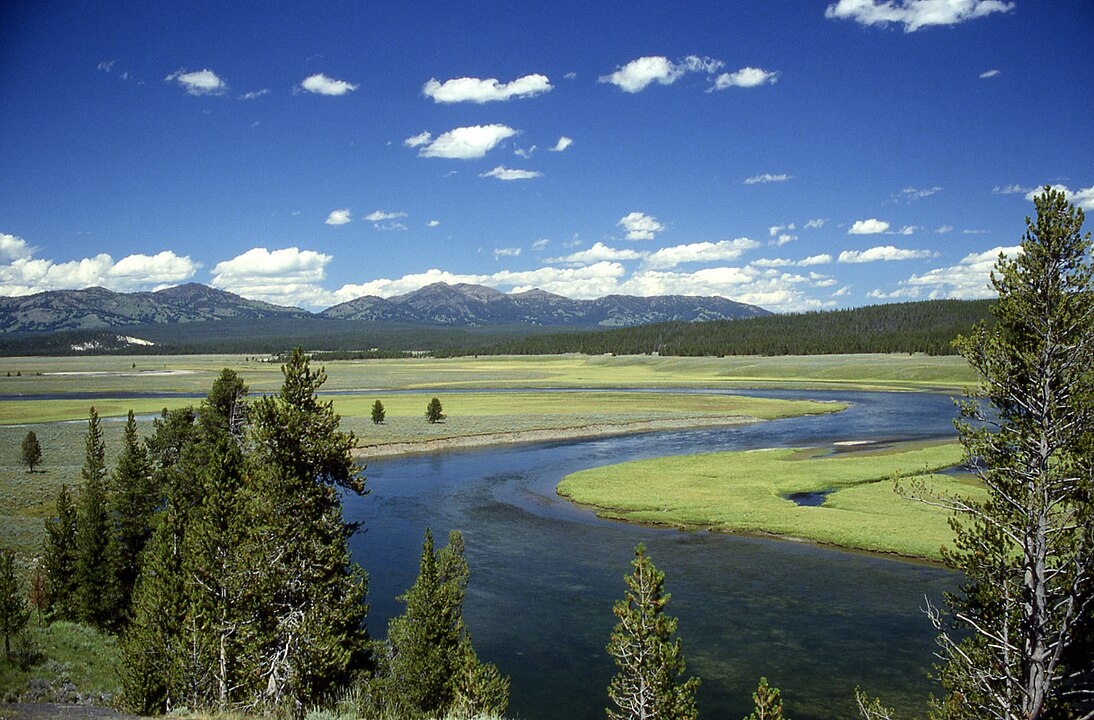
Another outcome centers on collapse rather than distant ash. If the magma chamber partially empties and the surface drops, a larger caldera could form, later filling with a deep lake. Rivers would reroute, roads would vanish, and geyser basins could be reborn in new clusters around the shoreline. Towns in Wyoming, Montana, and Idaho would face flooded valleys and fractured infrastructure. Tourism might eventually adapt, but the sense of place shaped by today’s views would never quite return.
Long Valley Caldera Disrupting California’s Spine

Long Valley in eastern California already bears scars from a massive ancient eruption. A new large event there could bury parts of the Sierra Nevada foothills and Owens Valley in hot flows and ash. Key east west roads linking coastal cities with inland basins might be severed, while transmission lines and aqueducts that support Los Angeles and farming in the Central Valley could be damaged or clogged. California’s familiar water and power map would suddenly look shaky, fragile, and incomplete.
Valles Caldera Casting A Shadow Over The Southwest
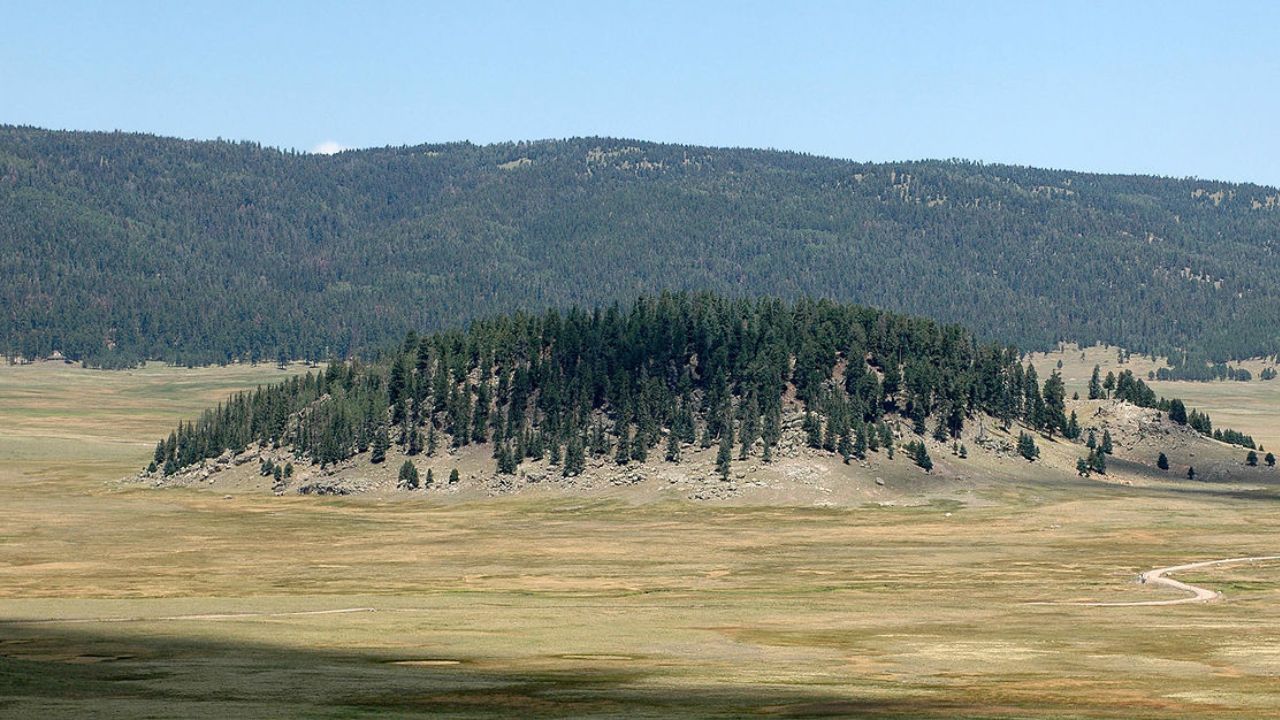
In northern New Mexico, Valles Caldera sits in a region threaded with pueblos, scientific laboratories, and growing cities. A major eruption would not just be a geological story; it would be social and cultural. Ash could settle across the Rio Grande corridor, coating solar panels, ranchland, and high desert forests. Traditional lands would change shape, and long standing relationships to mountains and valleys might be disrupted. Recovery would have to respect both rebuilt roads and the deeper ties communities hold to that ground.
La Garita Reawakened In The San Juan Mountains
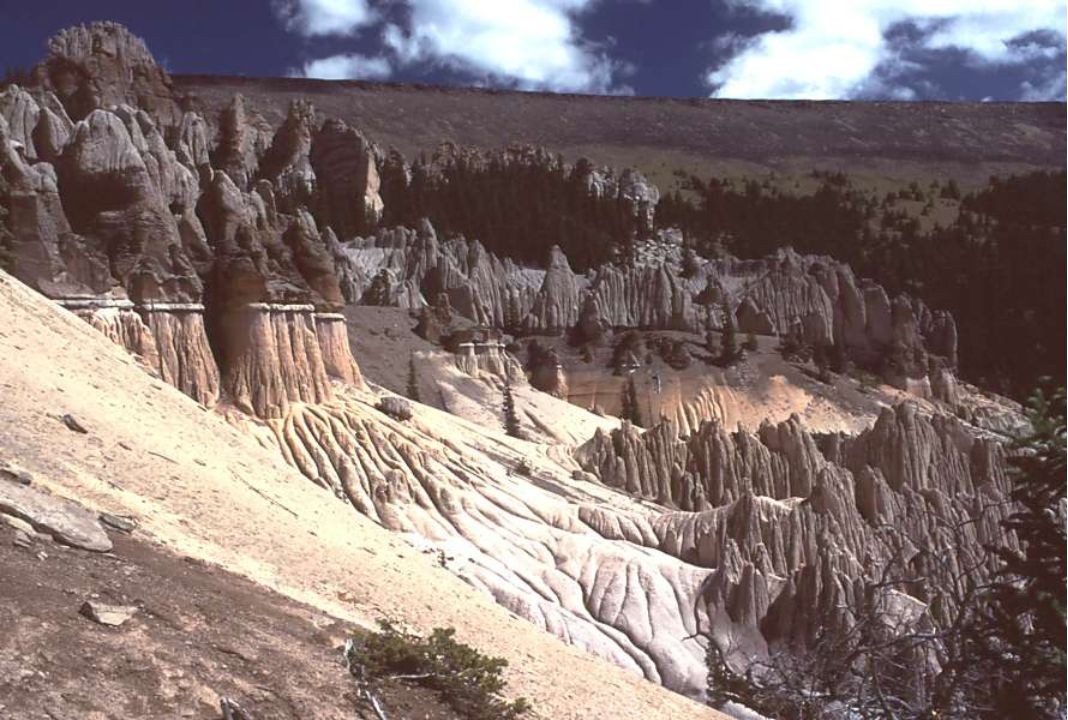
La Garita in Colorado is famous among geologists for past eruptions so large they are hard to imagine. If a similar scale event happened in a modern context, thick volcanic deposits could swallow entire mountain valleys in the San Juan region. Ski towns, mining communities, and backcountry roads would vanish under welded rock. Ashfall could spread far beyond the Rockies, muddying rivers that supply cities downstream. The result would feel less like a natural disaster and more like a partial rewriting of regional geography.
Chain Reaction Along The Snake River Plain

The same hotspot that feeds Yellowstone once drove a series of big eruptions across what is now the Snake River Plain. A renewed phase of large caldera events along this corridor could disrupt life from eastern Oregon into Wyoming. Highways that carry freight across the interior Northwest might be cut or buried. Agricultural centers in Idaho, already juggling water rights and soil health, would face new layers of ash and altered river courses, forcing big shifts in crops, irrigation, and even long term settlement.
Supervolcanic Winter And Global Climate Shock
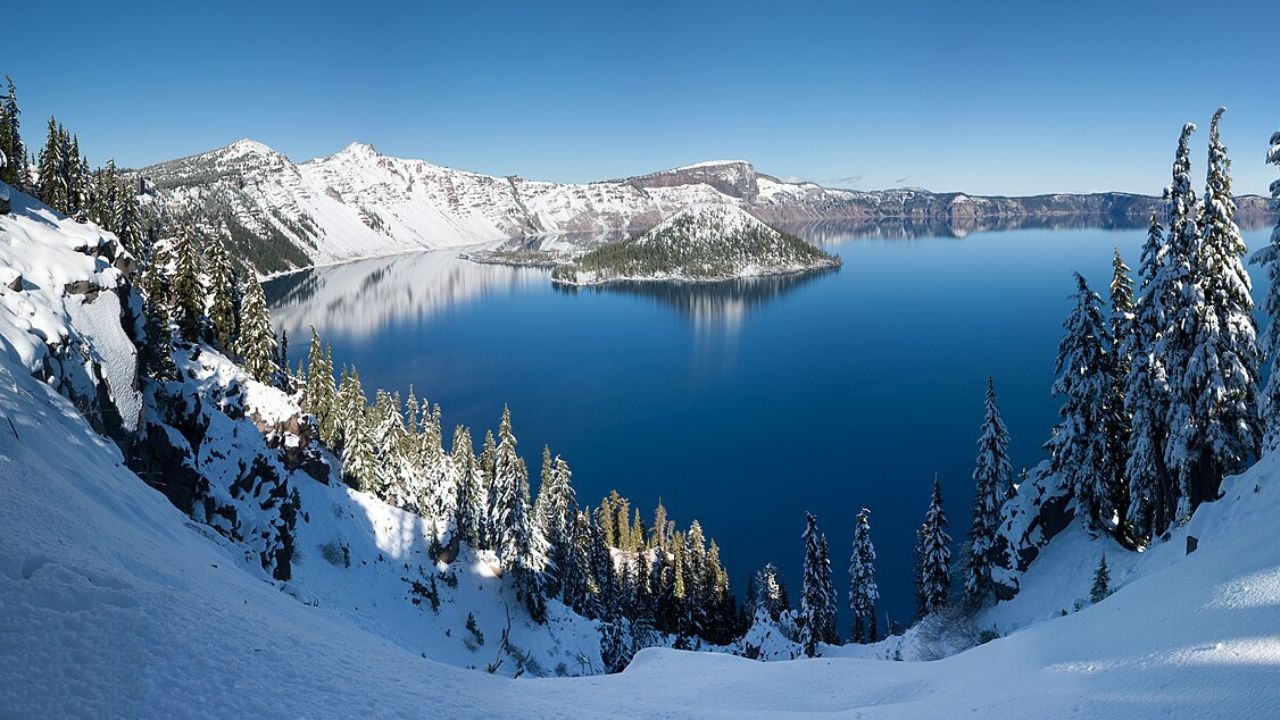
Any large eruption that injects enough sulfur rich gases into the upper atmosphere could trigger a noticeable volcanic winter. Sunlight reaching the ground would drop, lowering temperatures worldwide for several years. Growing seasons across the Midwest and Southeast might shorten. Energy demand for heating could spike while hydropower and wind patterns shift. Other nations would feel the chill too, but the United States, with its large role in grain exports, would sit at the center of a tense global conversation about food and shared risk.
Supply Chains Tested By Continental Ashfall
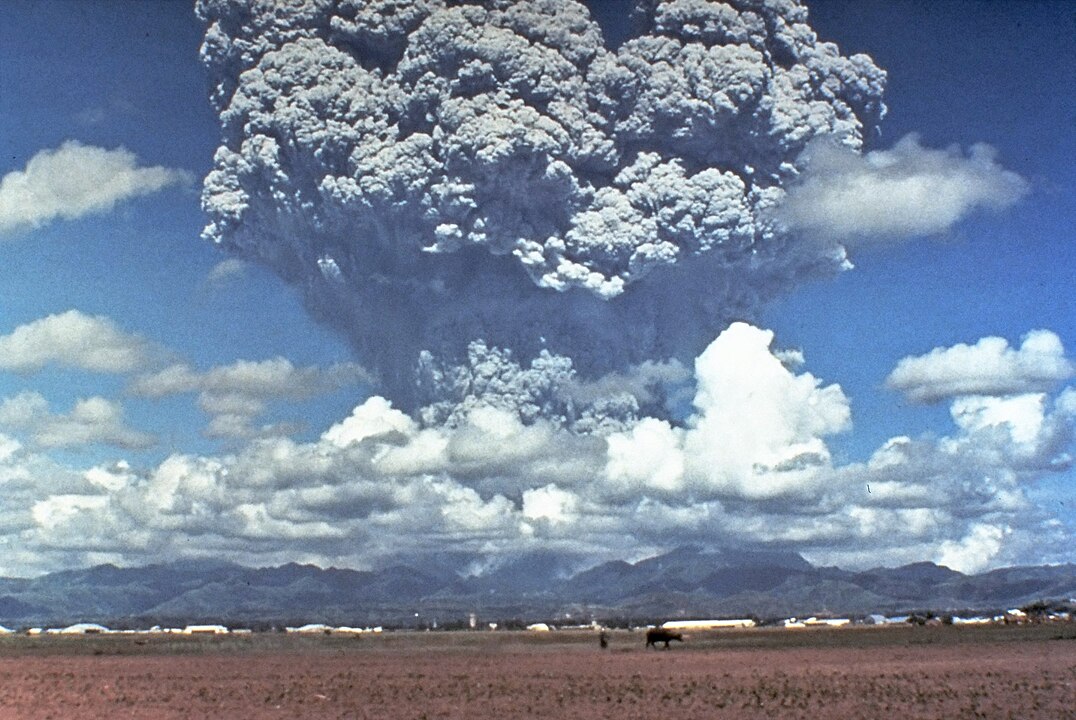
Modern logistics depend on clear skies and clear roads. A supereruption in the interior West could ground flights over large portions of the country, while ash on runways and interstates grinds long haul trucking to a halt. Power plants might struggle as turbines clog, and data centers could face cooling problems. Coastal ports and rail lines in unaffected regions would become lifelines, redirecting imports and exports. Some inland cities might decline sharply, while others near intact routes emerge as new industrial and distribution hubs.
Urban Centers Strained By Mass Relocation
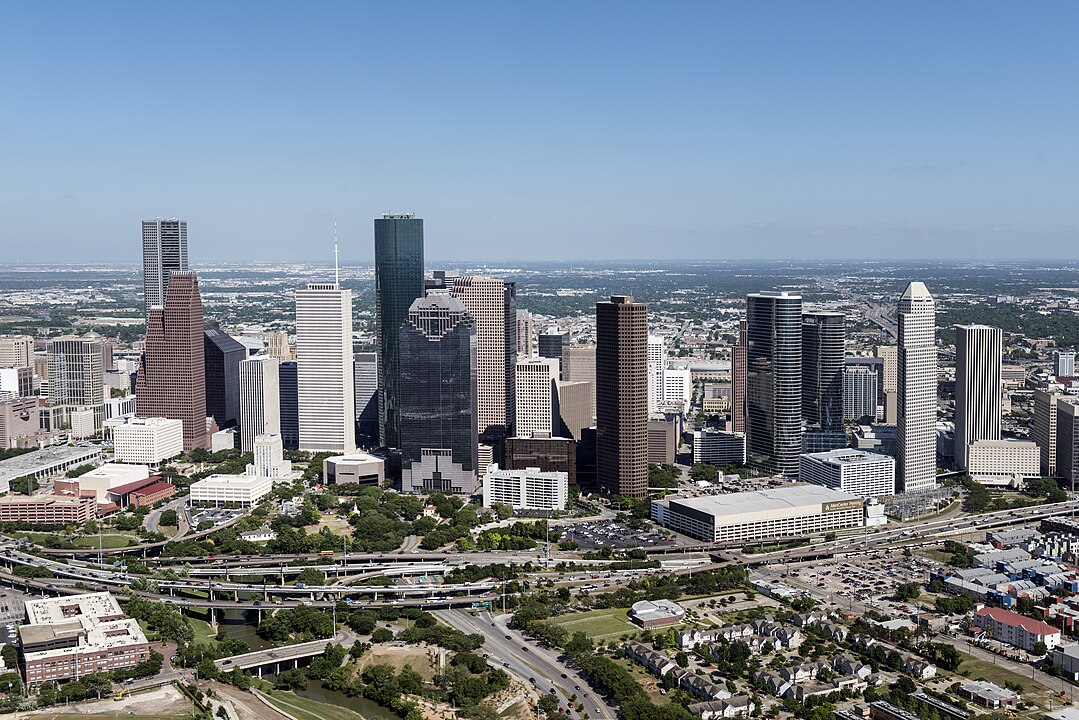
If farming regions, aquifers, or whole mountain basins became unstable or unlivable, millions of people could move within a decade. Gulf Coast, Midwest, and Atlantic cities might see sudden population surges, testing housing, hospitals, and schools. Small towns that receive evacuees could change character quickly, gaining new cultures and skills while struggling with basic capacity. Meanwhile, some interior communities might simply empty out, leaving behind ash covered roads, shuttered schools, and a different kind of ghost town scattered across volcanic plains.
A New National Relationship With Geologic Time
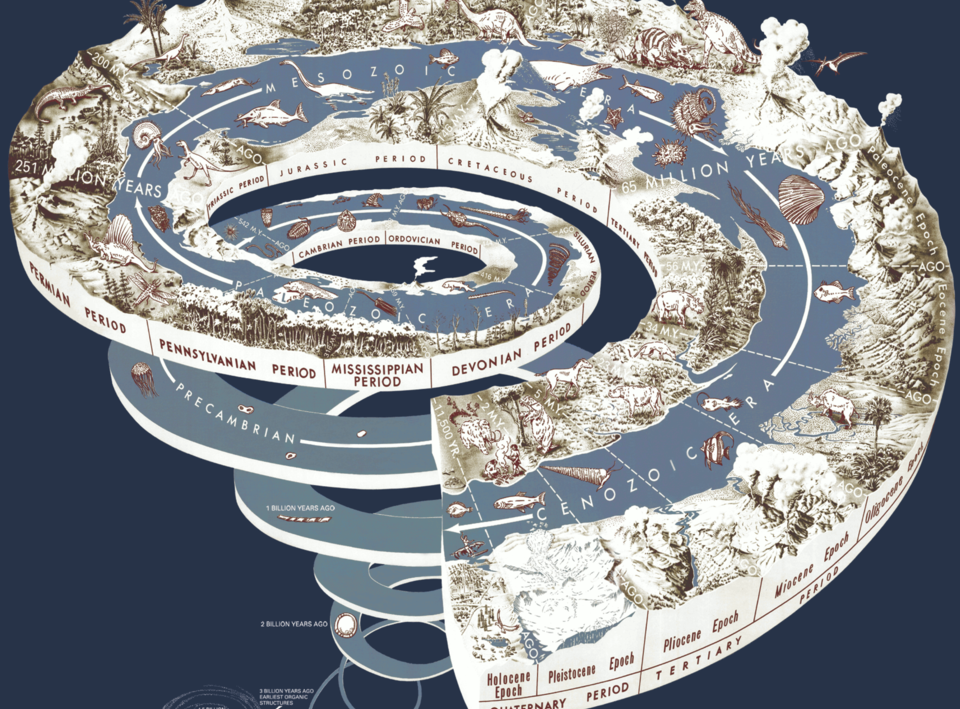
A giant eruption on U.S. soil would force a longer view of risk than most policy debates usually allow. Zoning laws, insurance models, and infrastructure planning might start to account for deep time, not just election cycles and quarterly reports. Classes in schools could spend more time on local geology and hazard awareness. Over decades, the country might learn to treat supervolcanoes as reminders of scale and humility, shaping a culture that balances ambition with a clearer respect for the restless ground beneath it.