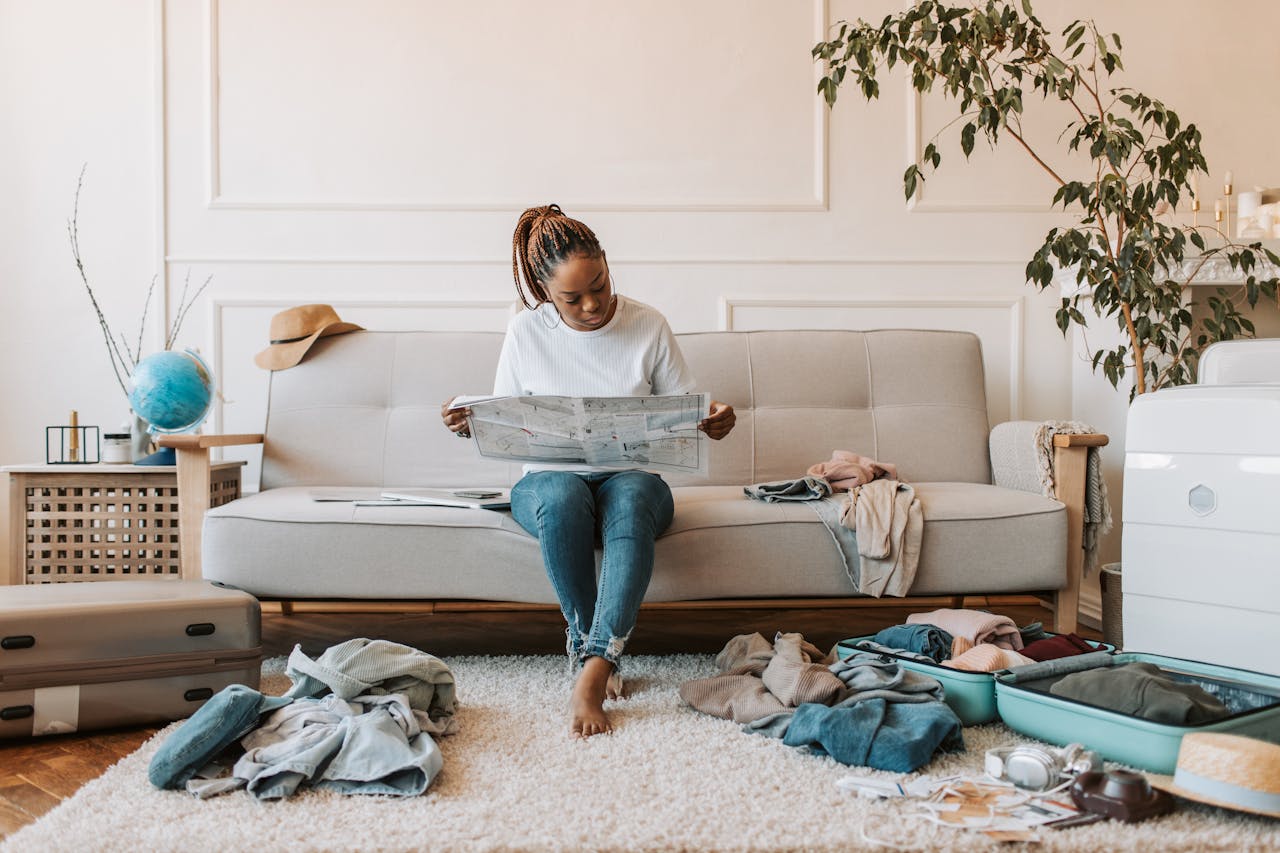
The shift toward slower holidays grows stronger each year as more people quietly admit they are exhausted by crowded schedules and the pressure to perform joy on command. Instead of racing between events, they gravitate toward long breakfasts, gentle routines, and days arranged around real rest. The season starts feeling less like an obstacle course and more like an invitation to breathe. By choosing presence over performance, households craft celebrations that reflect who they are now, not who they feel obligated to be. That honesty changes everything.
Protecting Unstructured Time

Slow holidays often begin with one intentional choice: defend blocks of time with no plans at all. People set aside afternoons where nothing is scheduled, letting the day shape itself through conversations, small tasks, and simple comforts. Board games appear, tea gets made, and nobody feels pulled toward the next appointment. The absence of hurry creates a sense of ease that spreads through the house. Children relax, adults soften, and the space between activities becomes just as meaningful as the celebrations themselves. What once felt like a luxury becomes a necessity.
Staying Closer To Home
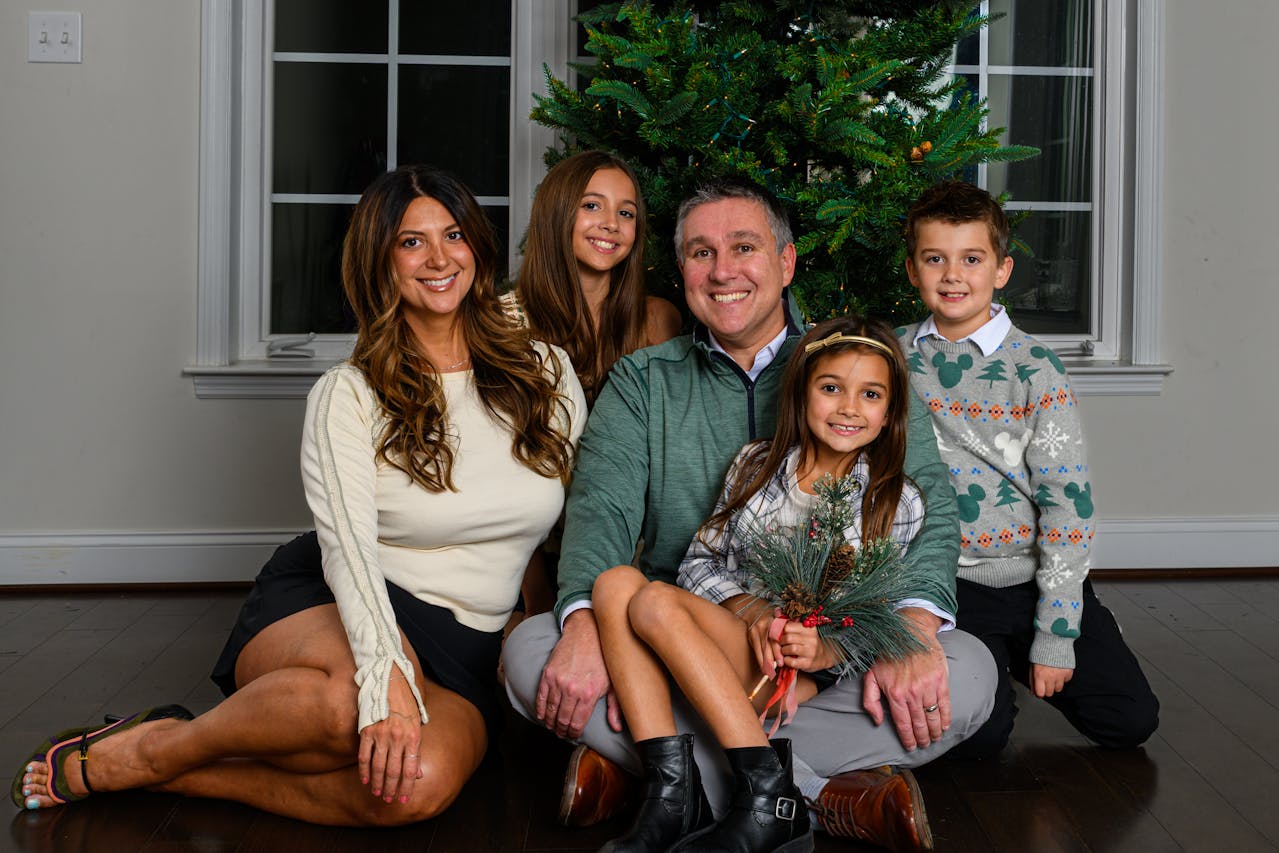
Travel prices, airport delays, and long commutes push many families to stay closer to home, but the shift becomes emotional as well as practical. Without the strain of logistics, people settle into one place long enough to notice the details they usually miss. Meals stretch longer, neighbors drop by, and familiar rooms feel warmer. Money saved from canceled trips goes toward better food, small treats, or simple comforts that make staying put feel intentional. What begins as a financial decision often becomes a deeper appreciation for calm and continuity during an already busy season.
Drawing Real Lines Around Work

A growing number of households treat holidays as true off time instead of softened extensions of the workweek. Laptops stay shut, notifications get silenced, and messages wait until January. The line between job and life becomes visible again. This separation allows people to arrive at gatherings with clearer attention instead of juggling tasks in the background. Moments stretch, conversations deepen, and the nervous energy that usually hums beneath the surface quiets. When work stops intruding, rest feels like something earned rather than stolen, and the entire season settles into a healthier rhythm.
Letting Finances Shape Kinder Traditions
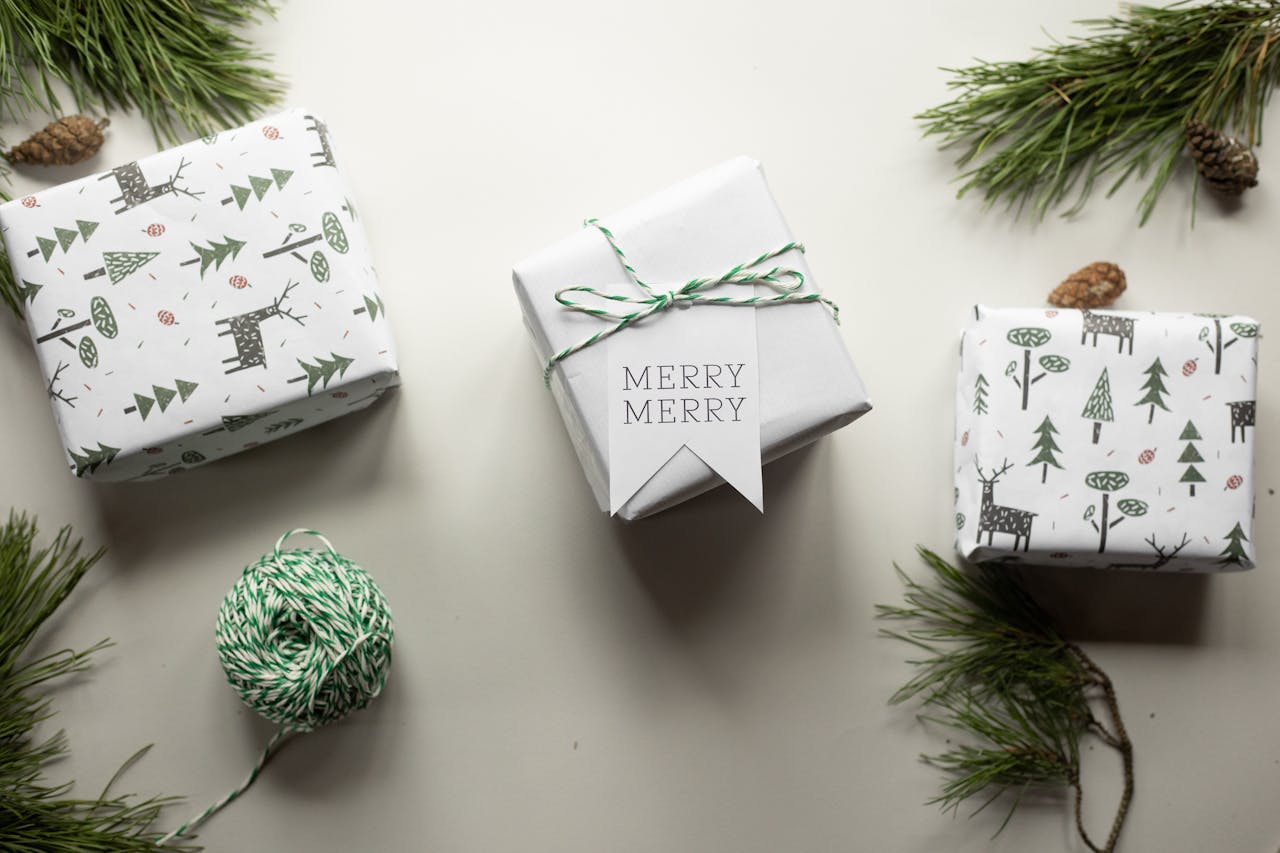
Inflation and rising costs naturally shape holiday choices, yet the result is often gentler than expected. Families rethink how many gifts they truly need, shifting toward shared meals, handmade items, and smaller gestures that carry more thought than price. Instead of competing with extravagant expectations, people simplify traditions to match their reality. This honesty lightens emotional pressure and creates space for generosity that is grounded rather than performative. Over time, these modest adjustments turn into traditions that feel more sustainable and meaningful than any shopping marathon ever did.
Choosing Fewer, Deeper Gatherings
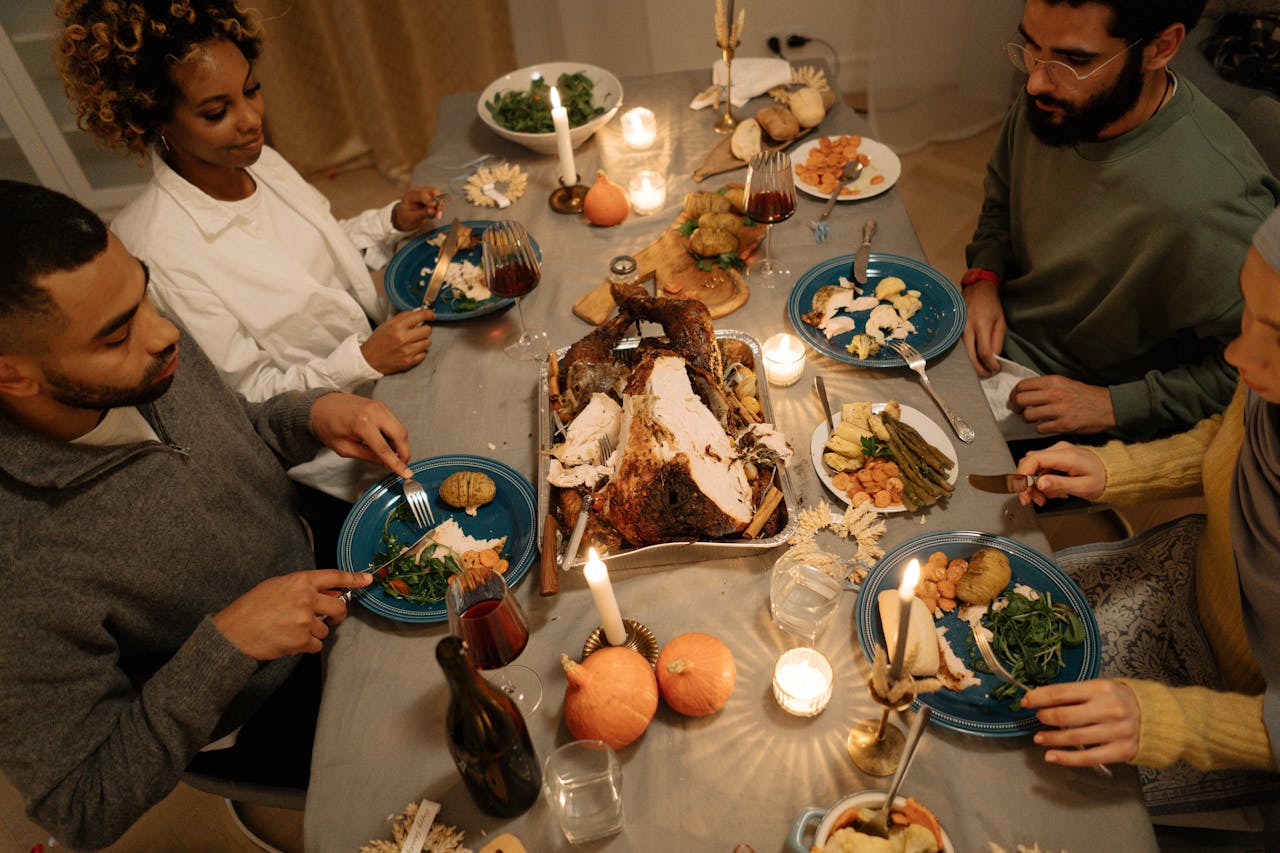
Instead of sprinting between overlapping events, many people now choose fewer gatherings so they can actually enjoy the ones they attend. Longer visits replace rushed drop-ins, giving friendships and family ties room to breathe. Conversations unfold without the clock looming. Guests settle into couches instead of hovering near doors, and hosts feel less strained by constant turnover. By trimming the social load, each gathering gains emotional weight. People leave feeling connected instead of drained, and those moments linger far more than any whirlwind weekend packed with obligations.
Centering Small, Repeatable Rituals
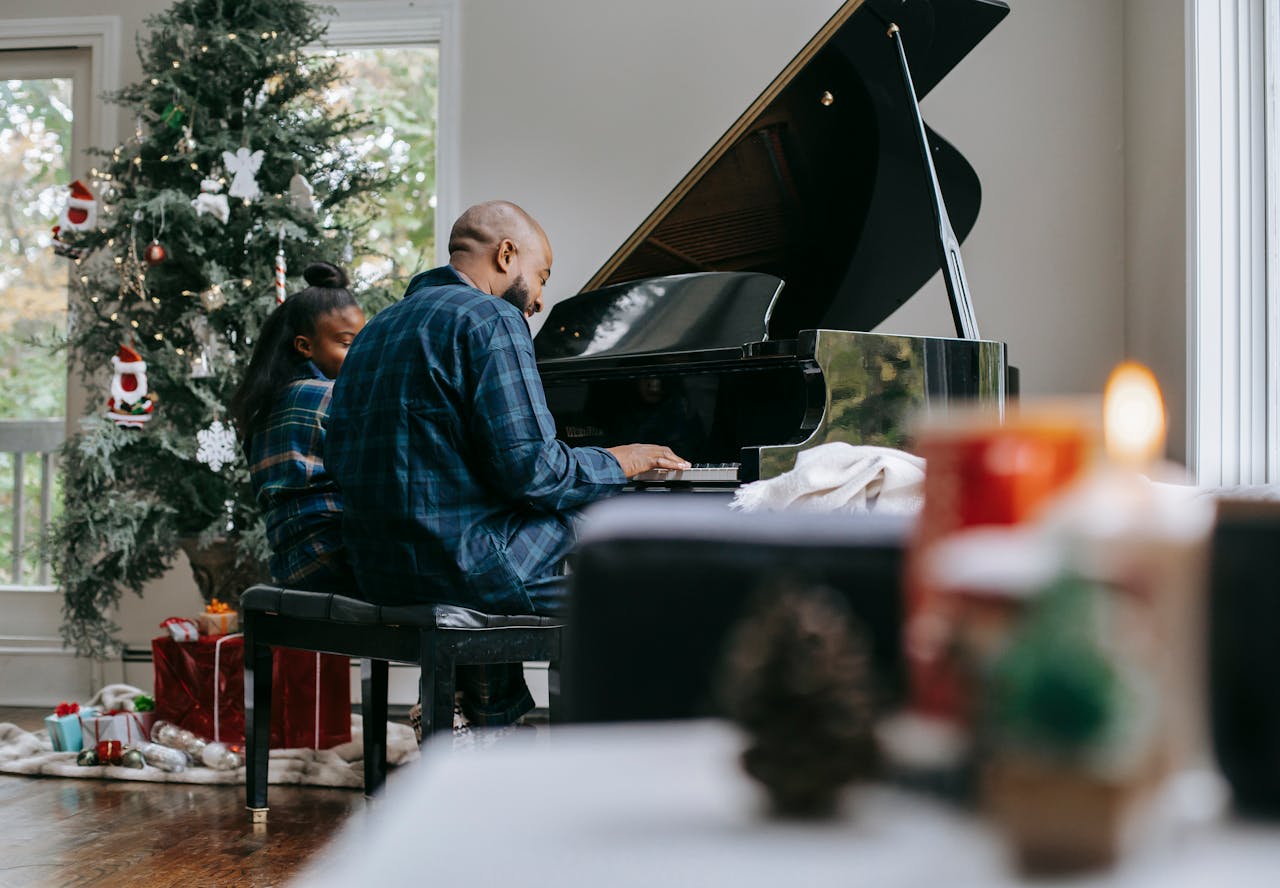
Slow holidays favor rituals that are simple enough to repeat every year without stress. Families choose one or two shared activities that hold genuine meaning, like baking a specific recipe, listening to a favorite album, or walking to see lights around the neighborhood. These rituals create quiet anchors in the season, offering comfort without requiring elaborate preparation. Their simplicity makes them accessible across generations, and repeating them builds a sense of tradition that feels earned rather than forced. Over time, these small habits become the memories people reach for first.
Honoring Rest As A Shared Value

Shorter daylight hours and colder weather naturally encourage slower rhythms, and more families embrace rest as something worth protecting rather than minimizing. Sleeping in, afternoon naps, and slow evenings by the fire stop feeling like guilty indulgences and start feeling like practical choices. When everyone in a household treats rest as legitimate, tension drops noticeably. Conflicts shrink, patience increases, and gatherings feel less brittle. By acknowledging physical and emotional fatigue, people create holidays that support their well being instead of draining it.
Easing Social Media Pressure
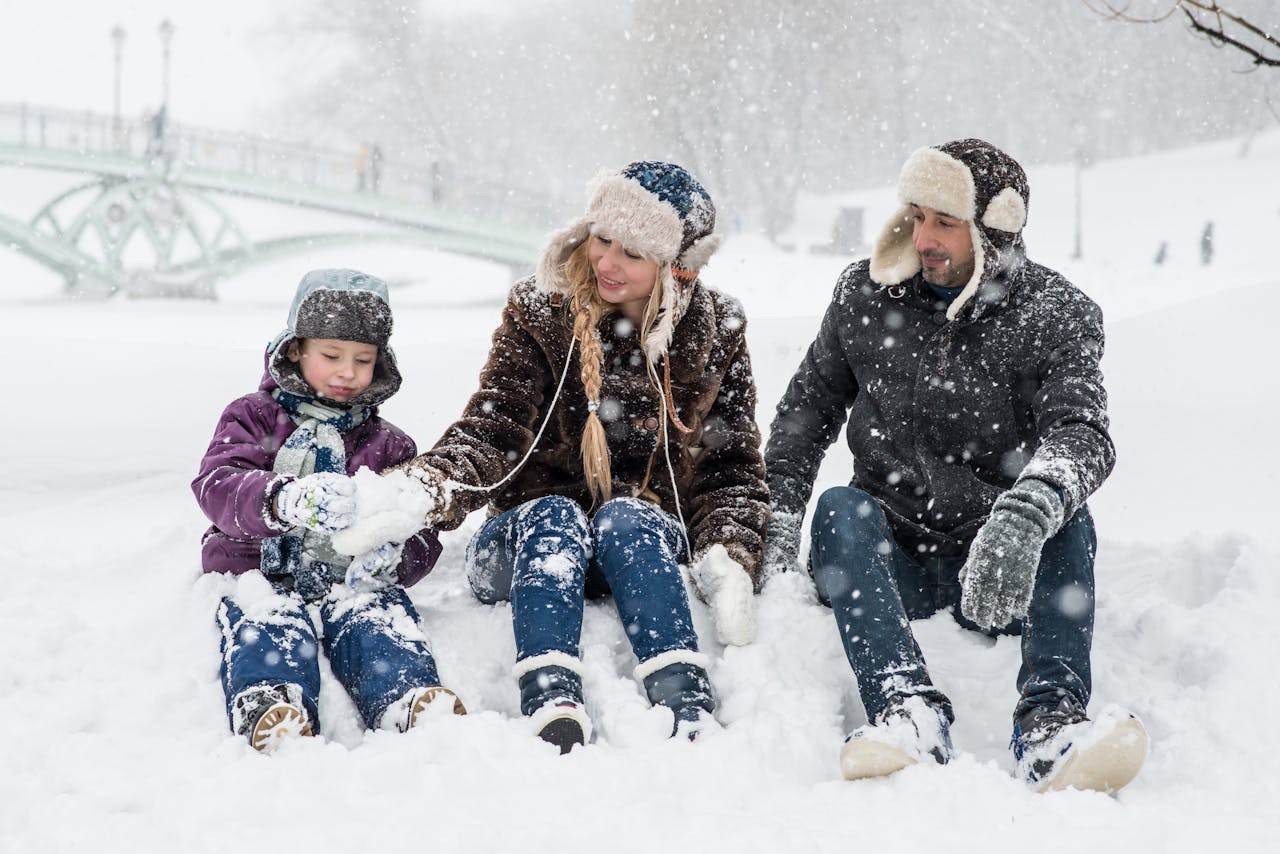
Slow holidays often reduce the constant urge to document everything. Instead of staging perfect scenes for public view, many people take fewer photos or keep them within private circles. Freeing the season from performance brings focus back to real presence. Moments become easier to enjoy when they are not evaluated for how they might look online. The lack of comparison softens expectations and allows celebrations to unfold naturally. In the quiet that follows, small sounds, gestures, and conversations regain their shape, offering memories that feel more personal than anything shared on a timeline.
Returning To Nearby Nature
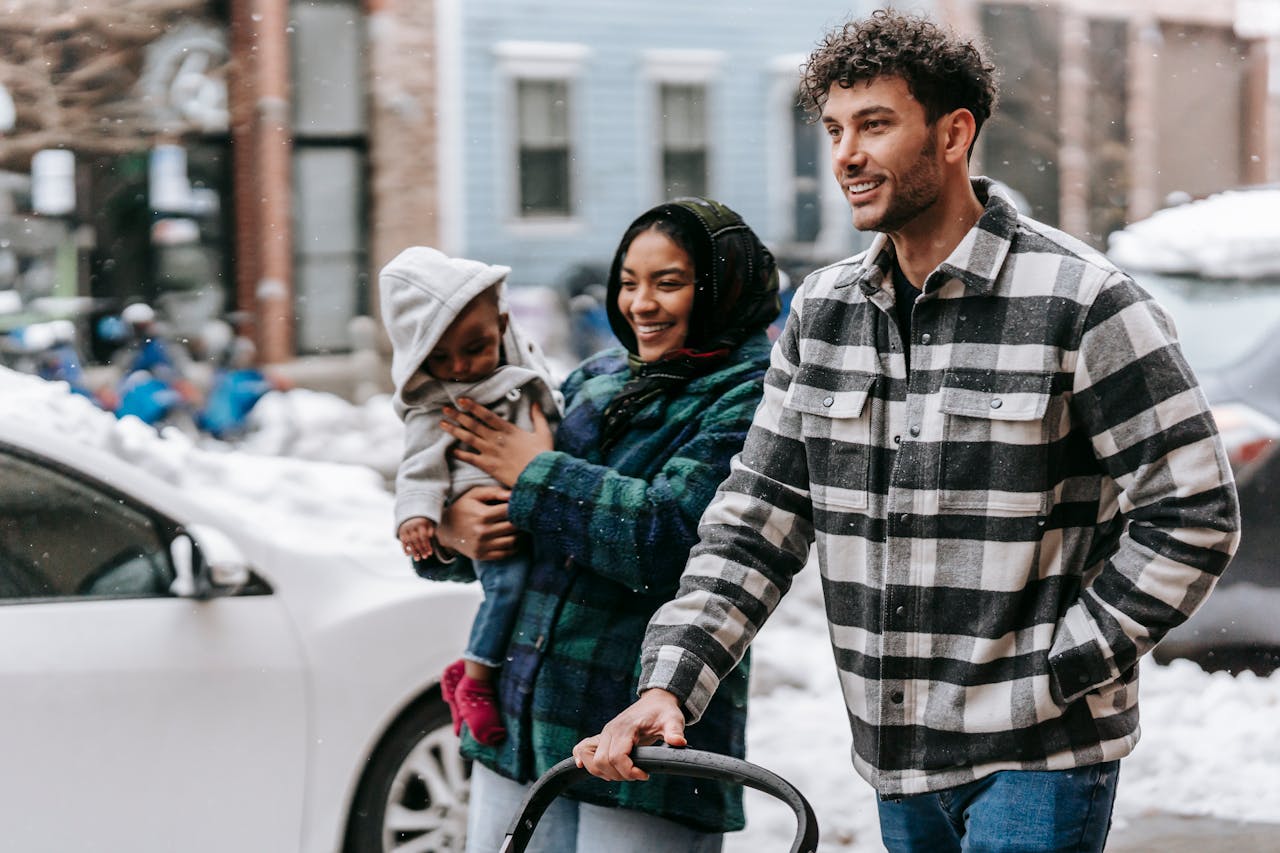
Even in cold climates, slow holidays often include simple time outdoors. A short walk after a meal, a trip to see decorations, or a visit to a nearby trail helps clear mental clutter. Nature asks nothing of anyone, which can feel like relief after weeks filled with to-dos. The rhythm of walking side by side steadies conversations, allowing feelings to surface without pressure. Cold air sharpens attention and makes indoor spaces feel even warmer afterward. These small excursions cost nothing yet often become the most vivid memories of the season.
Making Space For Emotional Catch-Up
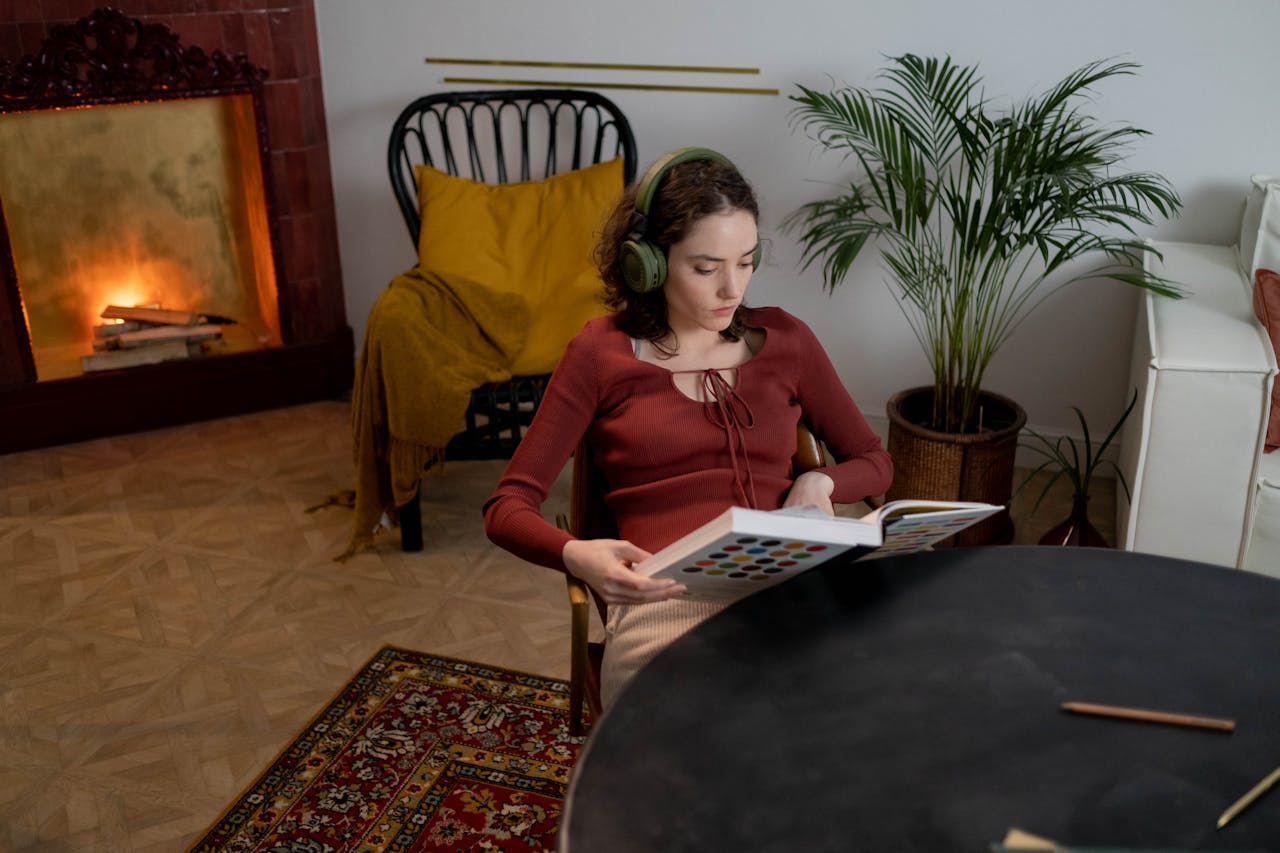
When the pace slows, people finally have room to notice their inner landscape. They reflect on the year’s changes, sit with emotions that were pushed aside, and share thoughts that never fit into rushed conversations. This emotional catch-up creates stronger connection than any flashy holiday plan. It also gives families and friends a chance to understand one another with more depth. The season becomes a pause where people gather not just to celebrate but to regroup and steady themselves before another year begins. That kind of honesty strengthens bonds long after the decorations are packed away.