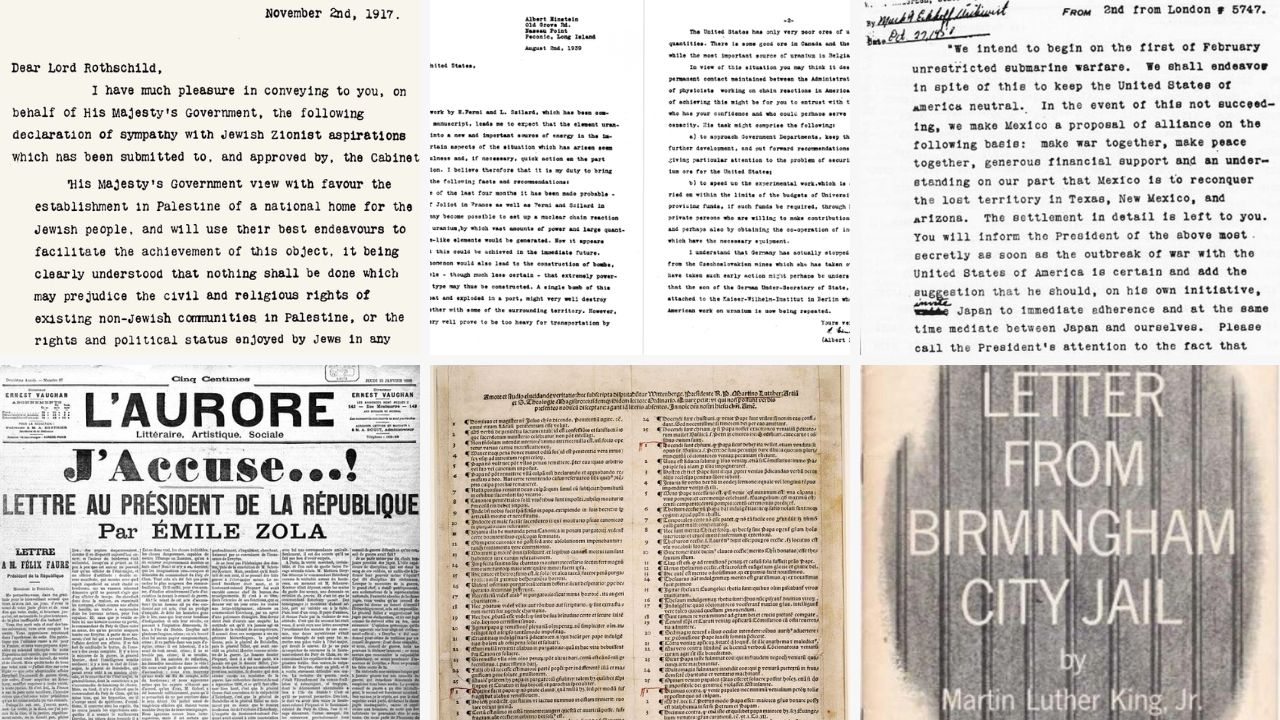
History often turns not on battles or speeches, but on pages written quietly by individuals who believed their words could alter events. These letters were crafted in studies, prison cells, wartime encampments, and government offices, yet each carried an authority far greater than its physical weight. Leaders hesitated, revolutions sharpened, and public opinion shifted because a writer chose clarity over fear. What makes these letters endure is not only their historical impact but the sense that their authors wrote from conviction, trusting that honest language could pierce through noise and reshape the world beyond their reach.
Martin Luther’s Letter With The Ninety-Five Theses
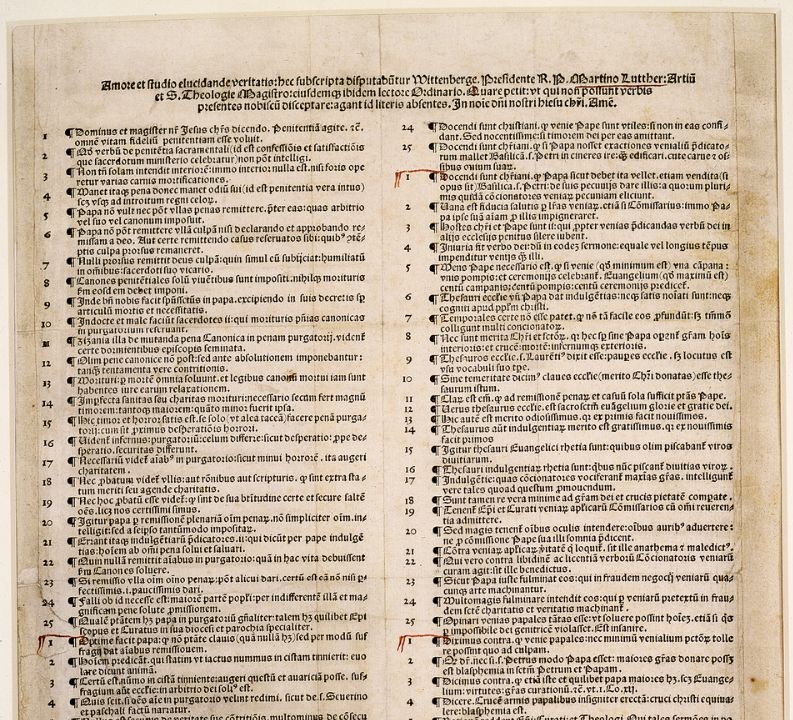
When Luther sent his letter to Archbishop Albrecht in 1517 with the Ninety-Five Theses attached, he hoped to spark debate within the church, not rupture it. He questioned whether indulgences preyed on the fears of ordinary believers and distorted the meaning of forgiveness. As printers copied his arguments into local languages, the ideas traveled far faster than he expected and stirred doubts about long-standing authority. What began as an invitation to discuss theology soon pushed Europe toward sweeping changes in faith, politics, and education. The letter’s straightforward tone forced people to ask whether tradition alone could justify a practice, and that question carried a force no decree could quiet.
Abigail Adams’ “Remember The Ladies” Letter
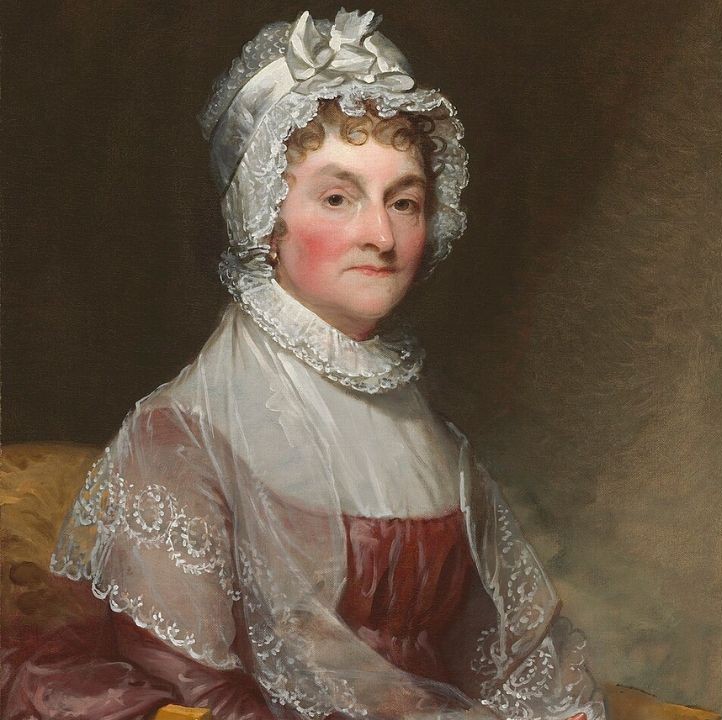
Abigail Adams wrote her 1776 letter while the colonies braced for conflict and families lived with uncertainty. She urged John Adams and other leaders to consider women’s rights as they shaped a new political structure, warning that laws written without attention to women’s well-being would replicate the same dominance they claimed to escape. Her words came from daily experience managing home, finances, and safety in wartime, giving the message a grounded authority. Though her plea was dismissed, the preserved letter became an early roadmap for later movements seeking fairness. It demonstrates how political insight often comes from those outside formal power.
Abraham Lincoln’s Letter To Horace Greeley
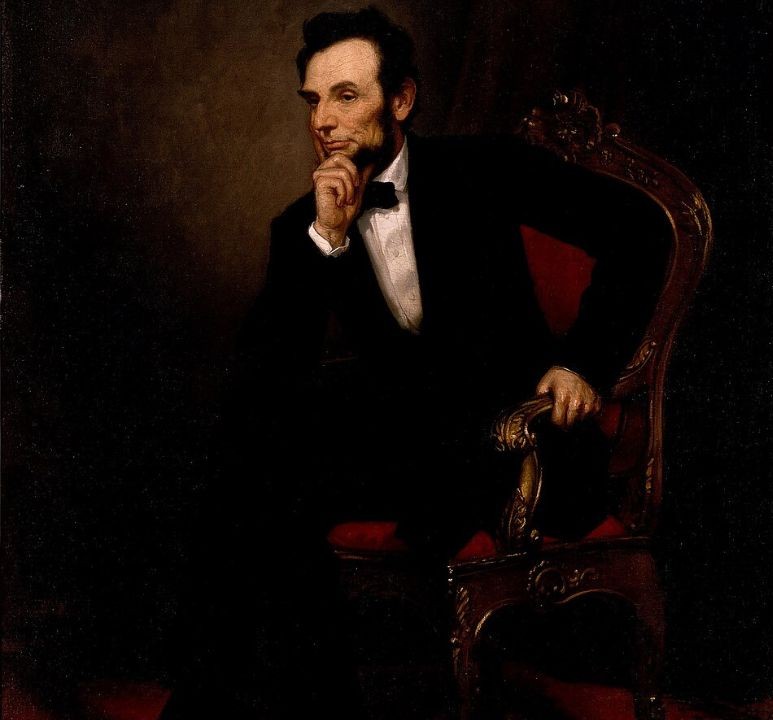
Lincoln’s Aug. 1862 letter to editor Horace Greeley blended honesty with careful strategy. He explained that his primary goal in the Civil War was preserving the Union, even as pressure mounted to end slavery immediately. His measured language calmed some skeptics while giving himself room to act, since he was already preparing the Emancipation Proclamation. The letter allowed the public to adjust to an approaching shift in national policy without feeling blindsided. Its power lies in Lincoln’s ability to guide divided audiences toward acceptance of a choice that blended moral purpose with political calculation, showing how steady reasoning can prepare a country for profound change.
Émile Zola’s “J’Accuse…!” And The Dreyfus Affair
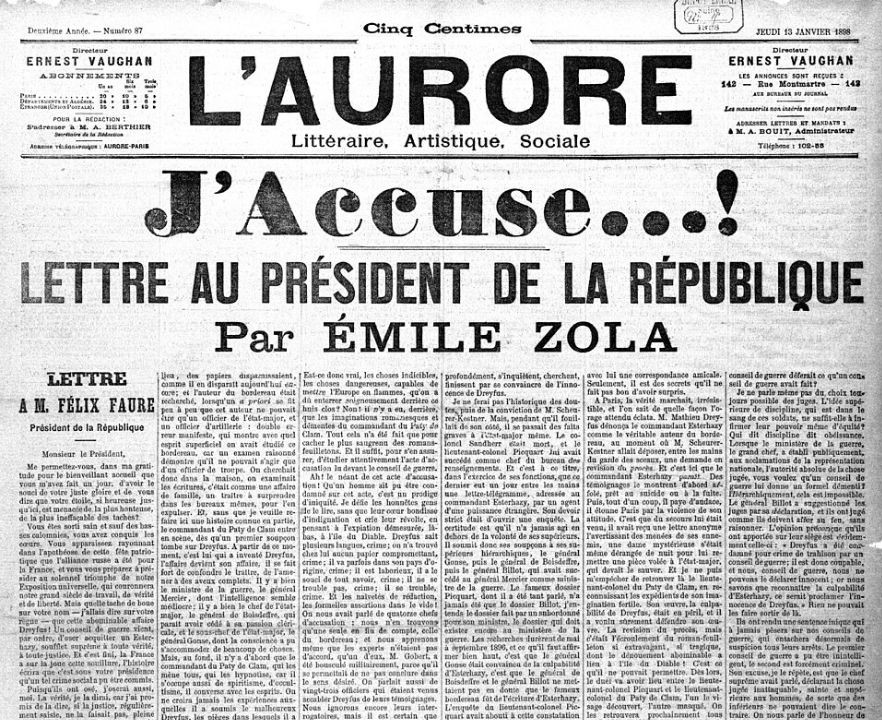
Zola’s 1898 open letter erupted into French public life with uncommon directness. He accused officials and military leaders of condemning Alfred Dreyfus through a biased process shaped by prejudice and national pride. Rather than softening his claims, Zola named individuals and documented failures that many preferred to ignore. His words forced the public to confront a case the government hoped to keep buried. Although he faced conviction and exile, his letter broke the illusion of a closed matter and drew Europe into a debate about justice, truth, and civic responsibility. Its legacy endures because it shows how moral courage on paper can pierce the armor of institutions.
The Balfour Declaration And A Contested Homeland
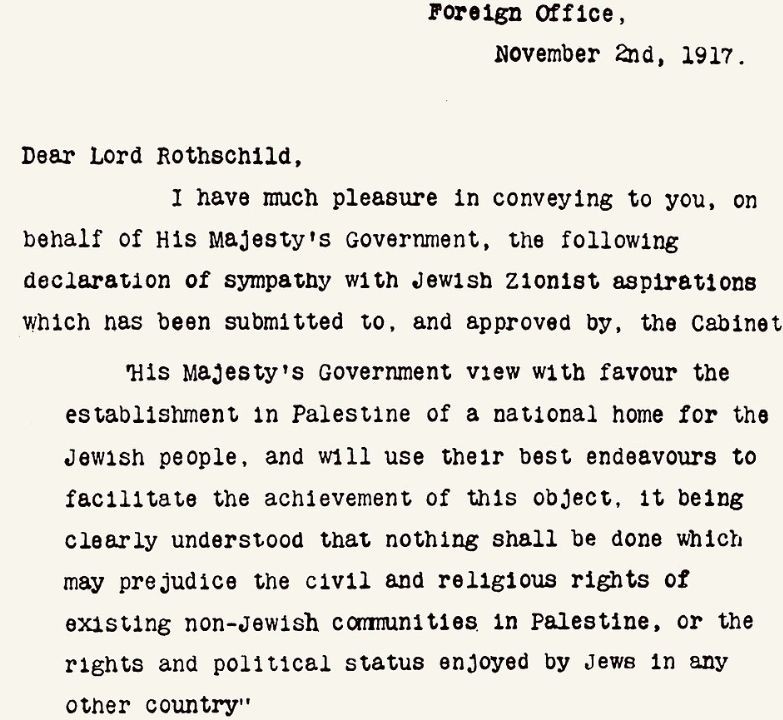
Balfour’s 1917 letter to Lord Rothschild was brief but transformative. By expressing British support for a national home for the Jewish people in Palestine while vaguely acknowledging the rights of existing communities, it opened doors for one people and uncertainty for another. The letter’s language carried hope for Jewish groups seeking recognition, but its ambiguity alarmed Palestinians who feared loss of land and self-determination. Over time, these conflicting interpretations became part of the region’s political framework. The declaration’s impact comes from its careful phrasing, which shaped expectations and grievances that long outlasted the empire that produced it.
The Zimmermann Telegram And America’s Road To War
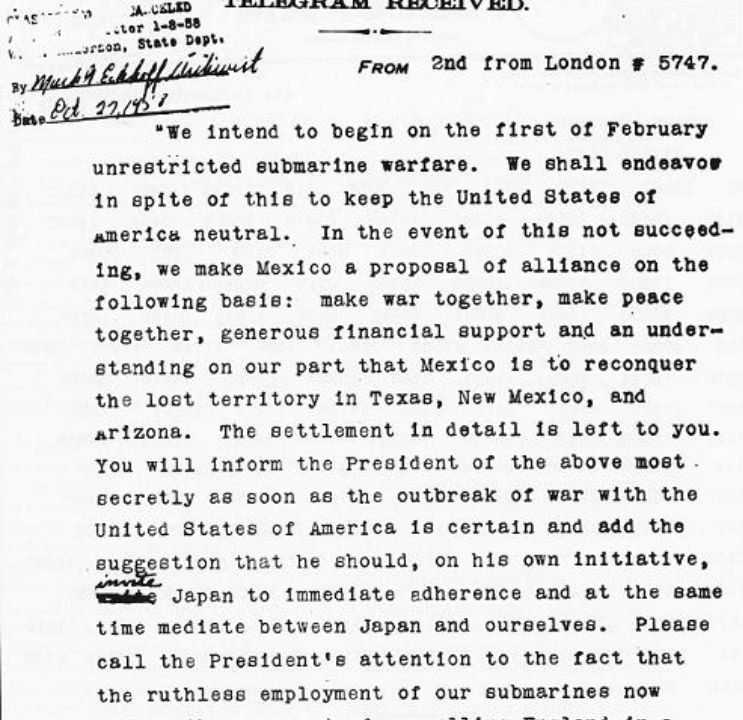
The Zimmermann Telegram of 1917 began as a secret diplomatic message but turned into a catalyst for American involvement in World War I. Germany proposed an alliance with Mexico if the United States joined the conflict, promising support and suggesting the recovery of lost territories. When British intelligence intercepted and revealed the contents, the message stunned the American public. The idea of foreign powers negotiating over U.S. soil broke any lingering sense of safety. The telegram did not single-handedly lead to war, but it shifted the national mood by making neutrality seem unrealistic. Its bluntness exposed global tensions that could no longer be ignored.
Gandhi’s Letter To Lord Irwin Before The Salt March
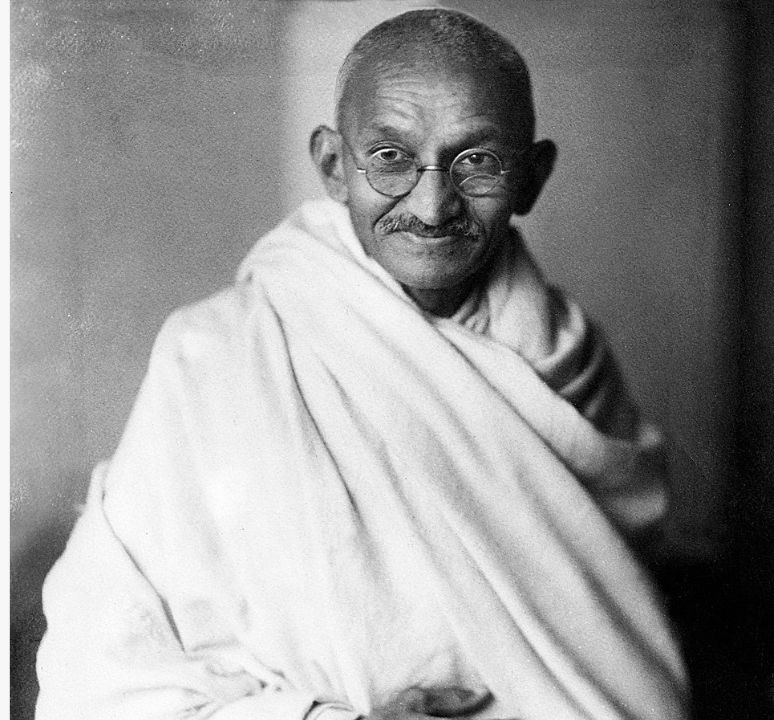
In 1930, Gandhi wrote to Viceroy Irwin outlining injustices rooted in British policy, with particular emphasis on the salt tax that burdened India’s poorest communities. He stated plainly that if reforms did not come, he would lead a campaign of civil disobedience beginning with a march to the Arabian Sea to make salt. Irwin dismissed the warning, assuming salt could not inspire mass protest. Gandhi’s letter framed the coming action as moral necessity rather than rebellion, shifting public sympathy before the march even began. The letter’s calm logic and emphasis on dignity helped define nonviolent resistance as a disciplined, principled force.
Einstein–Szilard’s Letter To Roosevelt
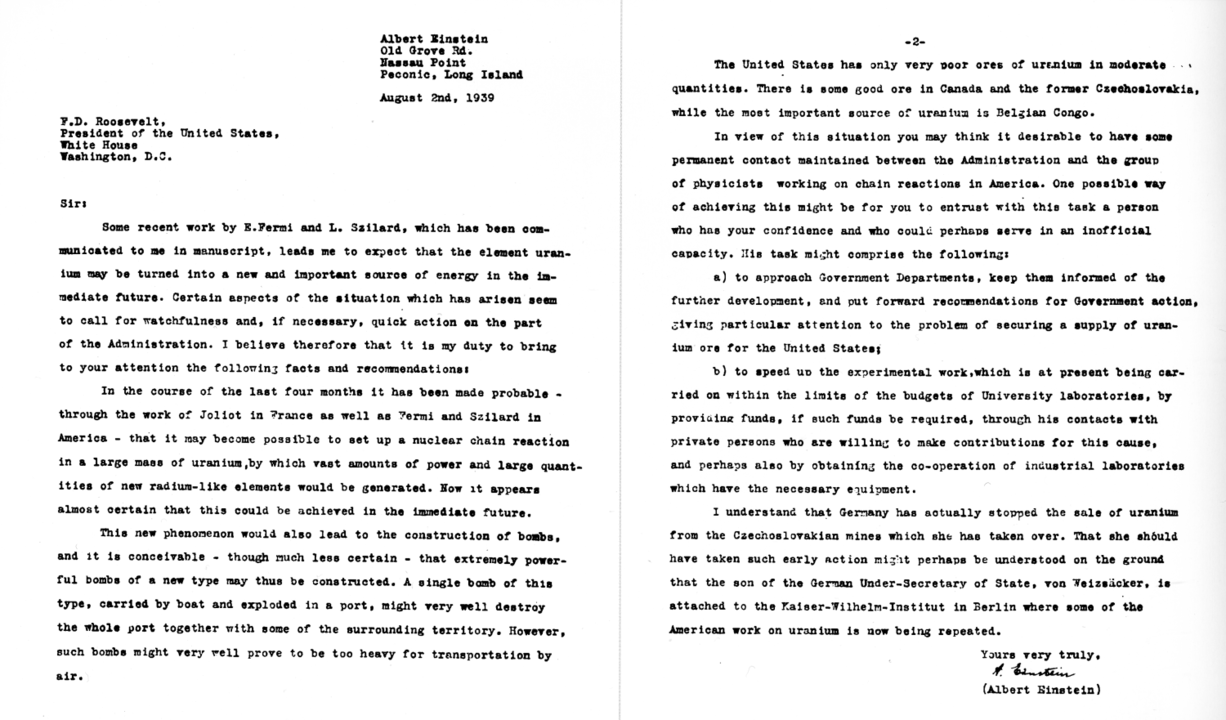
The 1939 letter signed by Einstein and drafted by Szilard warned Roosevelt that recent scientific advances made powerful atomic weapons possible. It urged the United States to take the threat seriously and consider supporting research to avoid falling behind Germany. The tone was steady and factual, shaped by scientists who understood how quickly theory could turn into capability. Roosevelt’s decision to act on the letter’s concerns set in motion the early stages of the Manhattan Project. Einstein later regretted the role he played, but the document remains a striking example of how scientific insight, once placed in political hands, can reshape global security.
Martin Luther King Jr.’s “Letter From Birmingham Jail”
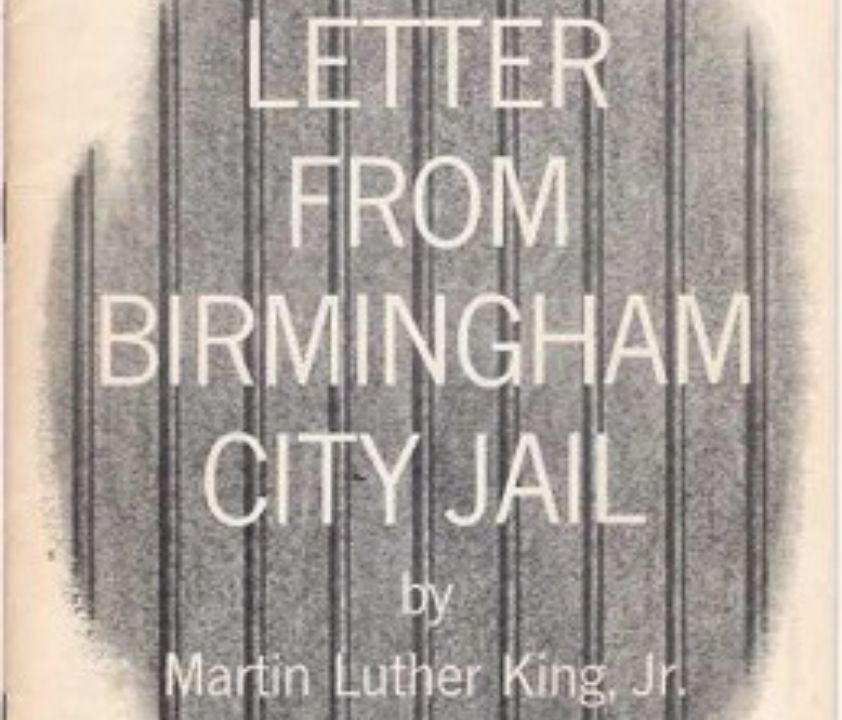
King wrote his 1963 letter while confined after protesting segregation in Alabama. Responding to clergy who urged patience, he described the exhaustion of waiting for rights denied for generations and laid out the moral framework for nonviolent resistance. His words captured both the daily cruelty of segregation and the deep resolve behind peaceful protest. The letter traveled far outside Birmingham, influencing activists, students, and lawmakers who were trying to understand the urgency of the civil rights movement. Its clarity challenged comfortable avoidance and reframed delay as a form of injustice, making neutrality impossible for many who read it.
Nelson Mandela’s Refusal Of Conditional Freedom
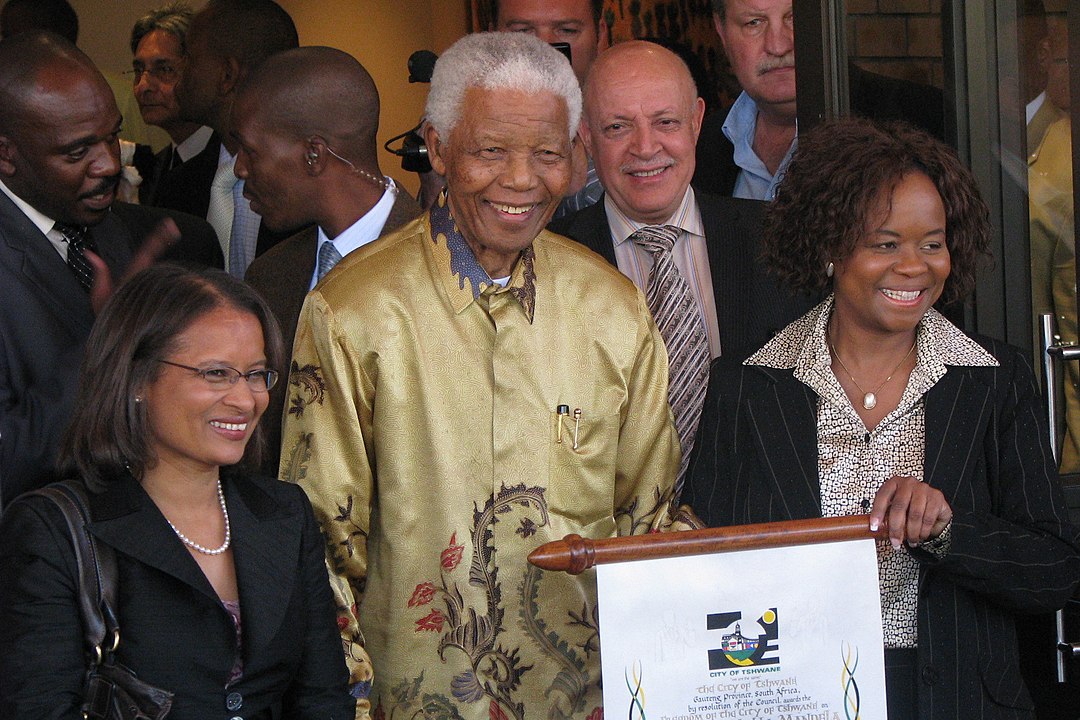
In 1985, Mandela responded to an offer of conditional release that required him to abandon political principles while apartheid remained intact. His statement, read publicly by his daughter Zindzi, asked what freedom meant if millions of his people remained without rights. He refused to separate his well-being from theirs, choosing continued imprisonment over a compromise that ignored the larger struggle. The letter reinforced global criticism of apartheid and strengthened unity among supporters. It showed how steadfastness inside a prison cell could influence a movement far beyond its walls and reveal the character of a leader long before his release.