Christmas isn’t a single story told the same way everywhere. It shifts shape as it moves across countries and cultures, turning into rituals that feel playful, spiritual, and sometimes a little strange. Some traditions come from ancient folklore. Others started as modern habits and quietly became part of the season. What they all share is the desire to make winter brighter and give families a reason to gather. Even the most unusual customs reveal the same heartbeat of celebration, belonging, and small moments of wonder.
Japan: KFC For Christmas
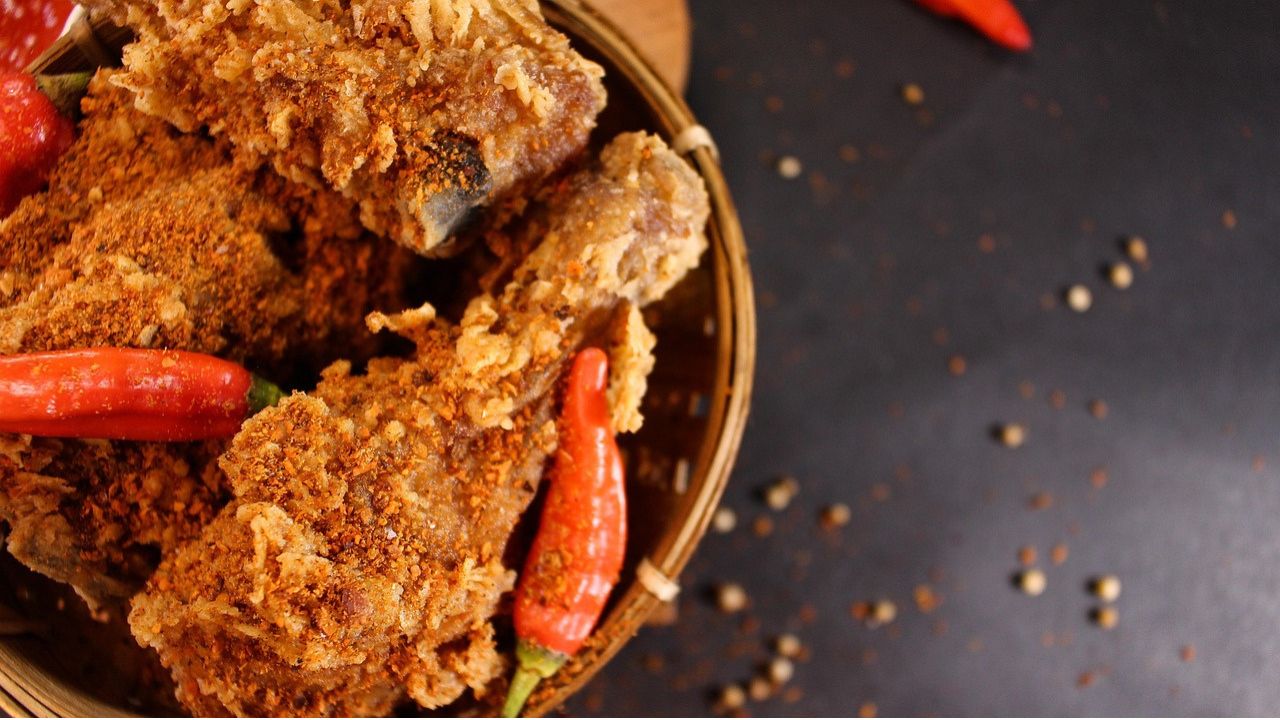
Japan takes Christmas in a surprisingly practical direction. Instead of a home-cooked dinner, families preorder KFC party buckets weeks in advance and turn fast food into a holiday feast. Restaurants decorate their storefronts with Christmas lights and Colonel Sanders statues dressed in Santa outfits. Crowds wait in long lines through cold December nights, laughing and sharing snacks while they wait to pick up their meals. What began as a marketing campaign quietly became a national tradition rooted in convenience, novelty, and the simple pleasure of sharing a meal together.
Iceland: Yule Lads And The Christmas Cat

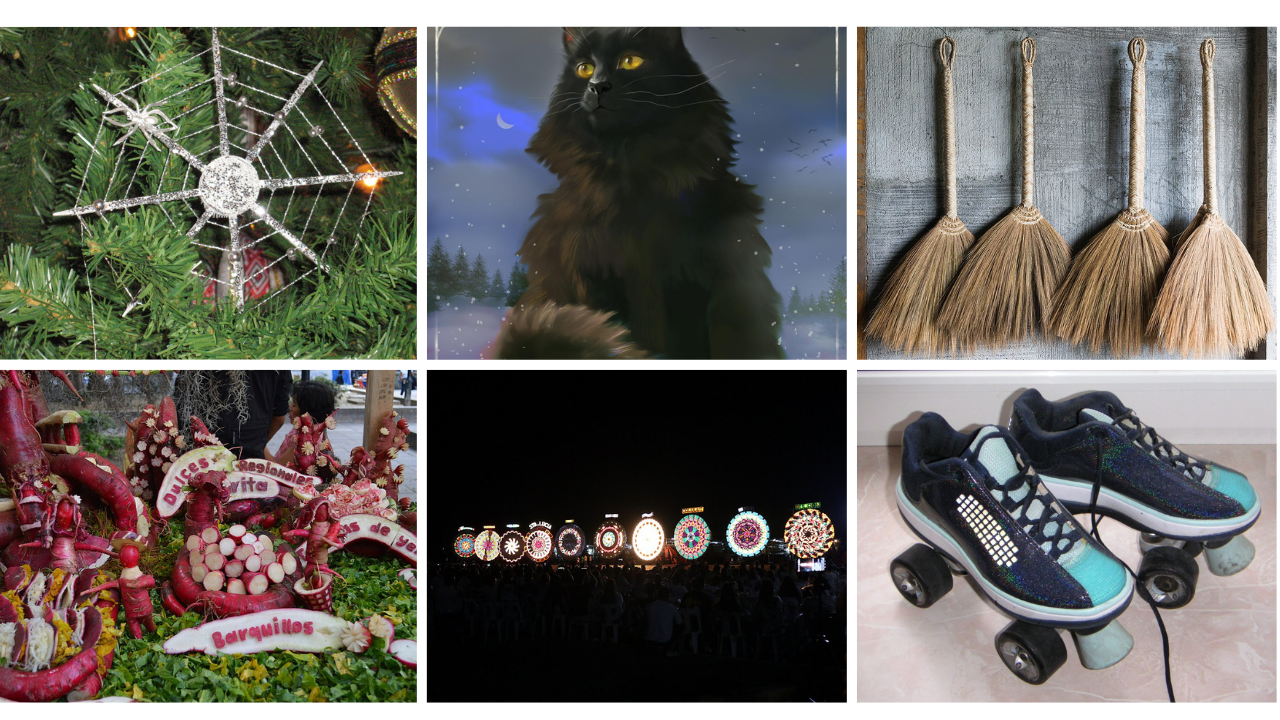
Instead of a single gift-giving figure, Iceland celebrates thirteen mischievous Yule Lads who visit homes during December. Each one has a name and personality and leaves treats or rotten potatoes depending on a child’s behavior. Another folklore figure, the massive Christmas Cat, prowls the snowy countryside and is said to eat anyone who has not received new clothes by Christmas Eve. These spooky and playful legends give the holiday a slightly eerie charm. Candlelit houses, snowy landscapes, and old stories come together to create a winter celebration that feels both whimsical and ancient.
Catalonia: The Gift-Giving Log

Catalonia trades the idea of a traditional gift giver for a wooden log with a painted smile and red hat called the Tio de Nadal. For weeks, children feed it small treats and cover it with a blanket so it stays warm by the fireplace. On Christmas, it becomes a lively part of the celebration. Families gather around it, sing special songs, and playfully hit it with sticks until it produces candy, dried fruit, and small toys. The ritual is loud, funny, and full of anticipation. A simple log turns into the heart of the gathering.
Alpine Europe: Krampusnacht Parades

In the Alps, Christmas is paired with a darker companion. Krampusnacht fills the streets with horned masked figures who stomp through towns with bells and chains. The legend is rooted in fear and behavior, acting as the opposite side of Saint Nicholas. Huge costumed parades move through snowy villages, sparking excitement and a little nervous energy. Fires, drums, and handmade fur suits turn the streets into a living folk tale. What might sound frightening becomes an expression of community, tradition, and the shared thrill of keeping old myths alive.
Ukraine: The Christmas Spider’s Web

Ukrainian Christmas trees come with a twist. Families decorate them with spider ornaments and delicate webs made of glass or straw. The tradition comes from a folktale about a poor family whose bare tree was magically covered in webs that shimmered like silver. It turned hardship into blessing and made the spider a symbol of luck and care. Today, the web sits among lights and ornaments as a reminder of patience and the belief that small moments of beauty can change everything. The meaning is quiet, personal, and deeply tied to the season.
Norway: Hiding The Brooms On Christmas Eve

Norway keeps a link to old superstitions. Families hide their brooms on Christmas Eve to prevent wandering spirits and witches from stealing them to fly through the winter night. It is a playful gesture rooted in folklore from long before the modern holiday existed. Even in city apartments, the ritual continues. Parents tell stories, children search for hiding places, and everyone enjoys the idea that something mystical might be passing through the quiet winter darkness. The act is small yet powerful, pulling past and present into the same celebration.
Caracas, Venezuela: Dawn Roller Skates To Mass

In Caracas, Christmas mornings begin on wheels. Streets close at dawn throughout December so people can roller skate to early Mass, gliding through the cool morning air. Families and friends skate together while church bells echo through the neighborhoods. Children tie strings from their toes to doors so others can tug them awake before sunrise. The tradition feels festive and communal. Faith, movement, and shared excitement turn the city into an open-air celebration. The journey becomes just as meaningful as the destination.
Oaxaca, Mexico: Night Of The Radishes

Oaxaca transforms Christmas into an art exhibition. On Dec. 23, artists carve oversized radishes into villages, saints, animals, and detailed scenes that only last a few hours before they wilt. People line the streets to see each display and vote for their favorites. Music, food stalls, and crowds fill the square as the sculptures glow under the lights. The festival blends creativity, competition, and a strong sense of community. Even though the radishes fade quickly, the event leaves a lasting memory and marks the true beginning of the Christmas celebration.
Philippines: Giant Lantern Festival In San Fernando

San Fernando earns its title as the Christmas capital of the Philippines with lanterns the size of buildings. Neighborhoods compete to create enormous spinning parols made of steel, colored panels, and thousands of lights. The lanterns shift and pulse with music, forming patterns that look like stained glass. Families watch from stands, eating street food and cheering as each lantern lights up the night. It is a celebration of craftsmanship and pride. The festival turns ordinary streets into a glowing landscape that captures the spirit of the season.