Around the world, people have always turned free time into competition, then pushed those contests to strange extremes. Some games began as community celebrations or tests of courage and ended up exposing darker instincts around cruelty, control, and how far crowds will go for a story to tell later. As laws tightened and values shifted, a handful of once popular events were banned outright. What remains now are old posters, news clippings, and the uneasy realization that laughter and discomfort often lived side by side at the edge of the arena.
Octopus Wrestling Championships
In the 1960s, octopus wrestling in Washington state drew divers and onlookers who treated the seafloor like a rough arena. Competitors swam into cold green water, pried giant Pacific octopuses from rocks, and hauled them to shore to be weighed and displayed for cheering crowds. Local papers praised bravery and spectacle, barely mentioning the stress on intelligent animals pulled from their own world. As marine biology and public ethics caught up, regulations on wildlife protection quietly strangled the sport, leaving only strange photos and uneasy pride in coastal memory. The old trophy shots now feel almost accusatory.
Dwarf Tossing Nights
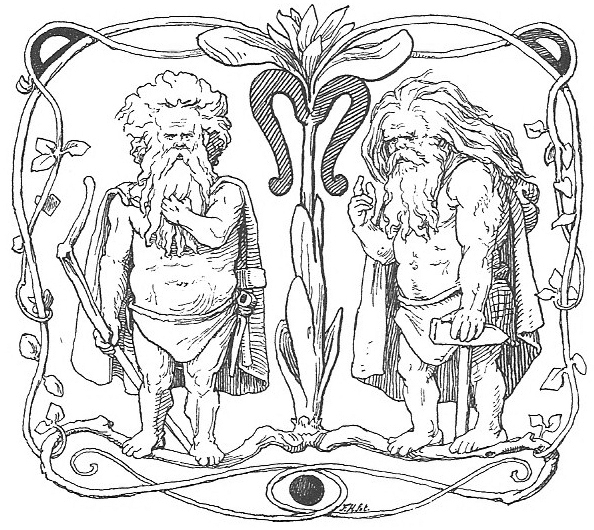
Dwarf tossing took shape in bar culture, where patrons paid to throw willing participants with dwarfism across padded floors while distance judges and laughing crowds looked on. Organizers framed it as edgy fun and even a source of income, but disability advocates saw something harsher beneath the joke, a ritual that turned real bodies into props. As debates about dignity grew louder, lawmakers restricted or banned the contests, and many venues quietly dropped them, leaving behind legal cases and interviews that read now like arguments from another moral era. Old posters now look more like warnings than nostalgia.
Goose Pulling Festivals
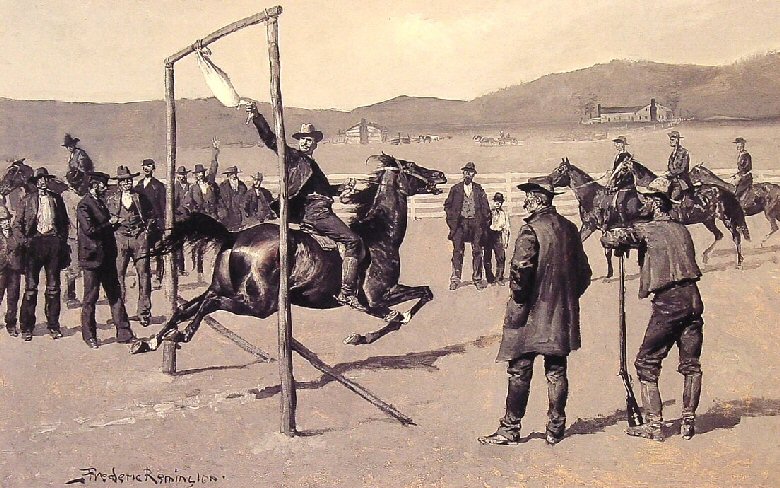
Goose pulling began as a lively street spectacle in parts of Spain, Belgium, and the Netherlands, where riders or boatmen tried to tear the head from a goose hung upside down over the route. Musicians played, bets changed hands, and competitors were praised for strength and grip while the bird’s terror was treated as part of the show. As animal welfare laws grew stronger and public opinion shifted, live geese were outlawed, then even carcasses felt wrong, and many towns replaced the tradition with harmless props and a more reflective sense of heritage. Old festival photos now carry a quieter, uneasy weight.
Eel Pulling In Amsterdam
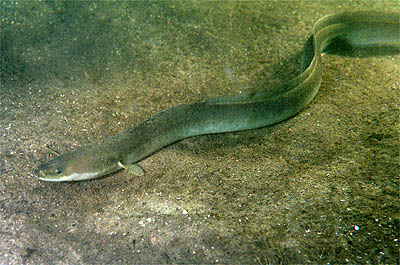
In 19th century Amsterdam, eel pulling turned a canal into an improvised arena, with a live eel tied from a rope above the water while teams in small boats tried to grab and yank it free as they passed, risking a soaking with every reach. Crowds jammed bridges and windows, roaring with laughter when contestants slipped, while the desperate animal thrashed at the center of the joke. When officials finally enforced a ban and police intervened during one illegal contest, the resulting riot left dead and injured and forced the city to rethink what it had once cheered and how fragile public order could be.
Fox Tossing At Aristocratic Parties
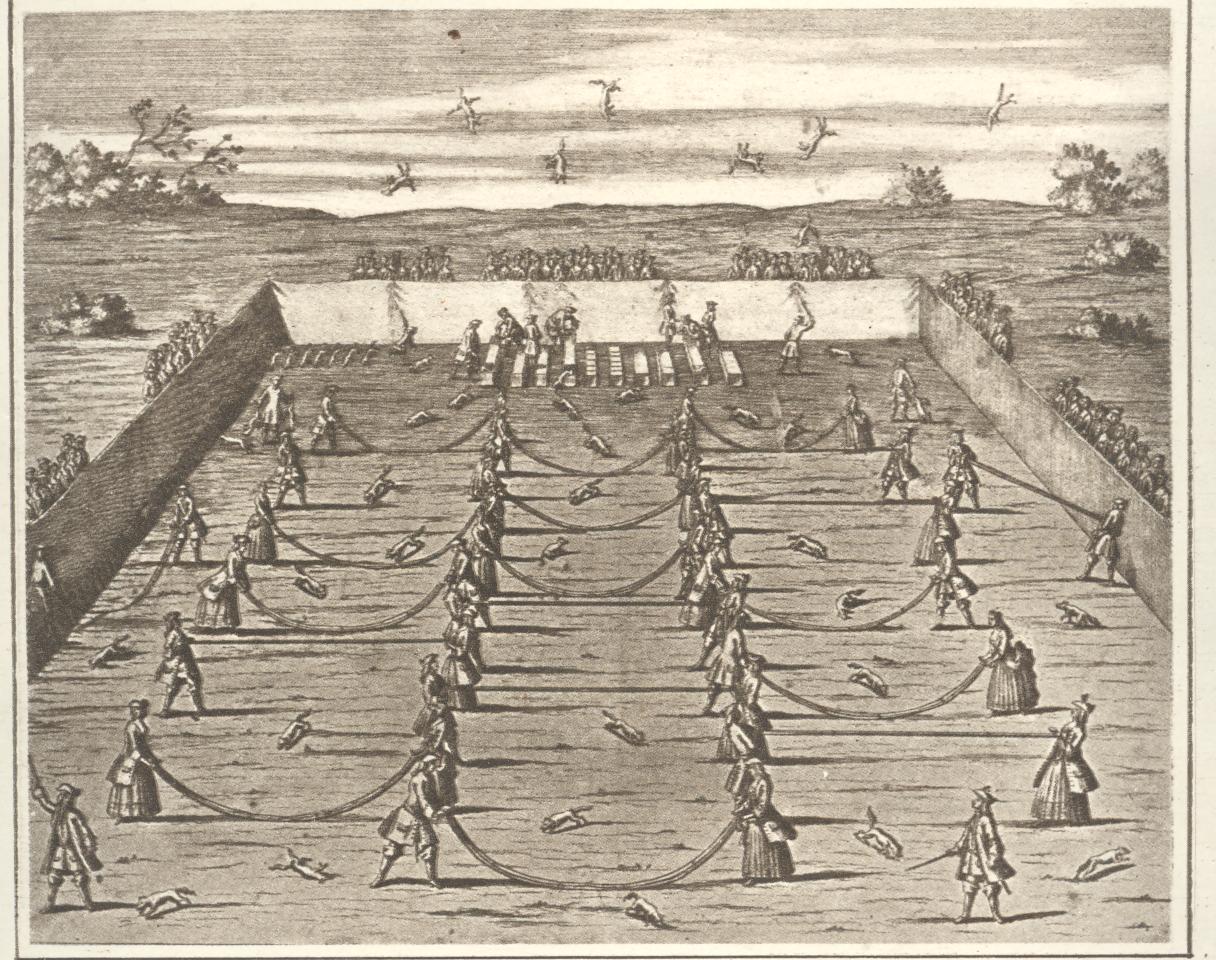
Fox tossing flourished in some European courts during the 17th and 18th centuries, staged as a fashionable game for nobles dressed in silk and lace. Pairs held long slings on the ground while frightened foxes, cats, or even small pigs were driven across, then yanked skyward like stones, often breaking bones or killing animals outright. Participants sometimes suffered injuries from claws and falling bodies, but over time it was the cruelty, not the risk, that drew criticism, and the spectacle faded as changing ideas of refinement could no longer square brutality with elegance. Old accounts now sound more like horror than leisure.
Campus Goldfish Swallowing
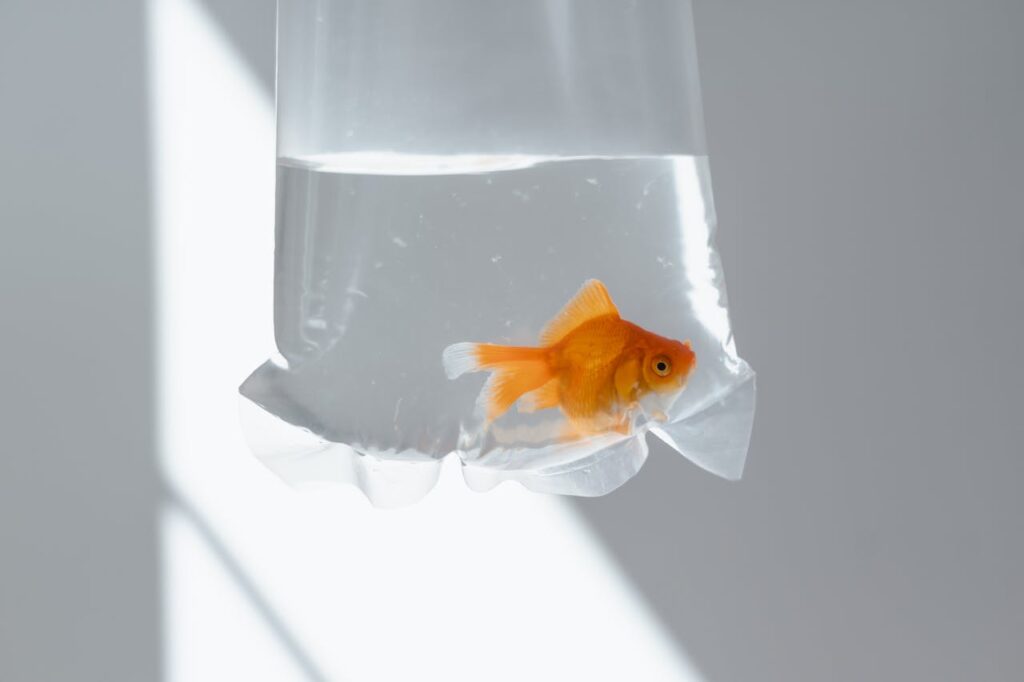
Goldfish swallowing exploded on American campuses in 1939 after a Harvard student trying to win a class election ate a live fish in front of reporters and classmates. Rival students rushed to break records, turning living animals into tally marks as newspapers breathlessly listed how many goldfish each person managed to gulp. Doctors warned about parasites and infections, and animal advocates questioned why humiliation of creatures had become a badge of daring. As campus culture changed, the fad shrank to an embarrassing anecdote about what some students once called harmless fun. In hindsight, the whole craze feels oddly joyless.
Mutton Busting At Rodeos
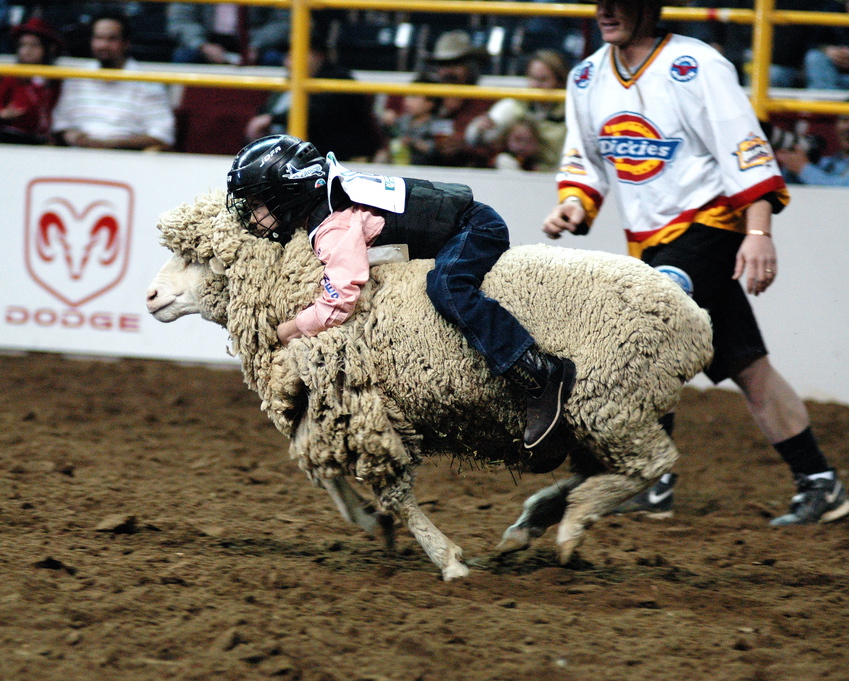
Mutton busting grew inside rodeo culture as a kind of training ground, where small children in helmets and vests climbed onto the backs of sheep and tried to hold on as the animals bolted across the arena while dust and noise filled the air. Announcers joked about future bull riders while parents filmed tumbles that looked comic from the bleachers and less so up close, when tears replaced laughs. Critics argued that frightened animals and children should not be raw material for a show, and some regions moved to ban the event, framing it as an unnecessary mix of risk and distress that no longer fit with modern ideas of family fun.
Jallikattu Bull Taming
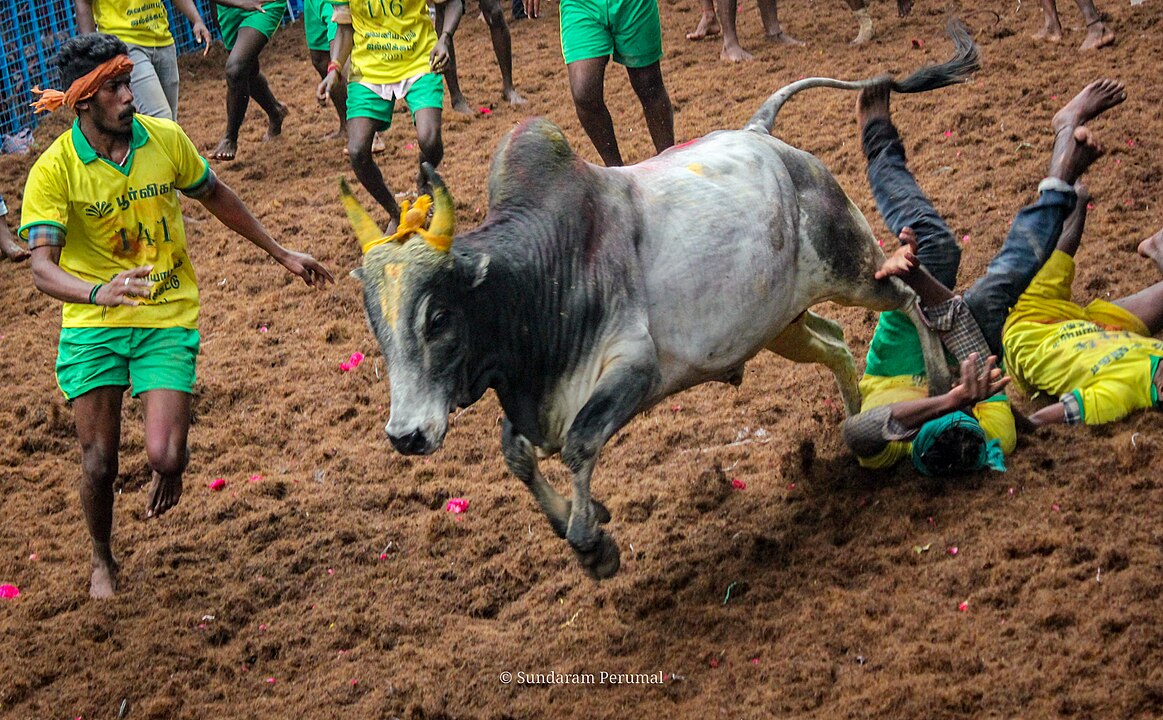
Jallikattu in Tamil Nadu is less a simple contest and more a charged ritual, where young men crowd narrow village arenas trying to cling to the hump of a powerful bull as it surges forward through dust and noise. Families treat success as proof of courage and local pride, while critics document gouged eyes, broken bones, and animals tormented into panic before the release. Court battles and temporary bans followed, met by mass protests that framed the sport as identity itself, leading to new regulations that keep it alive in a constant state of scrutiny. Each year the arena fills again, carrying that argument in its very dust.