December has a way of rearranging life around children. School days end in rehearsals, kitchens turn into craft tables, and small rituals quietly take over living rooms, streets, and village squares. In different parts of the world, kids light candles before sunrise, knock on neighbors doors in costume, and whisper wishes into the night sky. These traditions may spring from religion, folklore, or family habit, but each one gives children a role to play and a reason to feel that the month truly belongs to them.
St. Nicholas Shoes Filled With Sweets
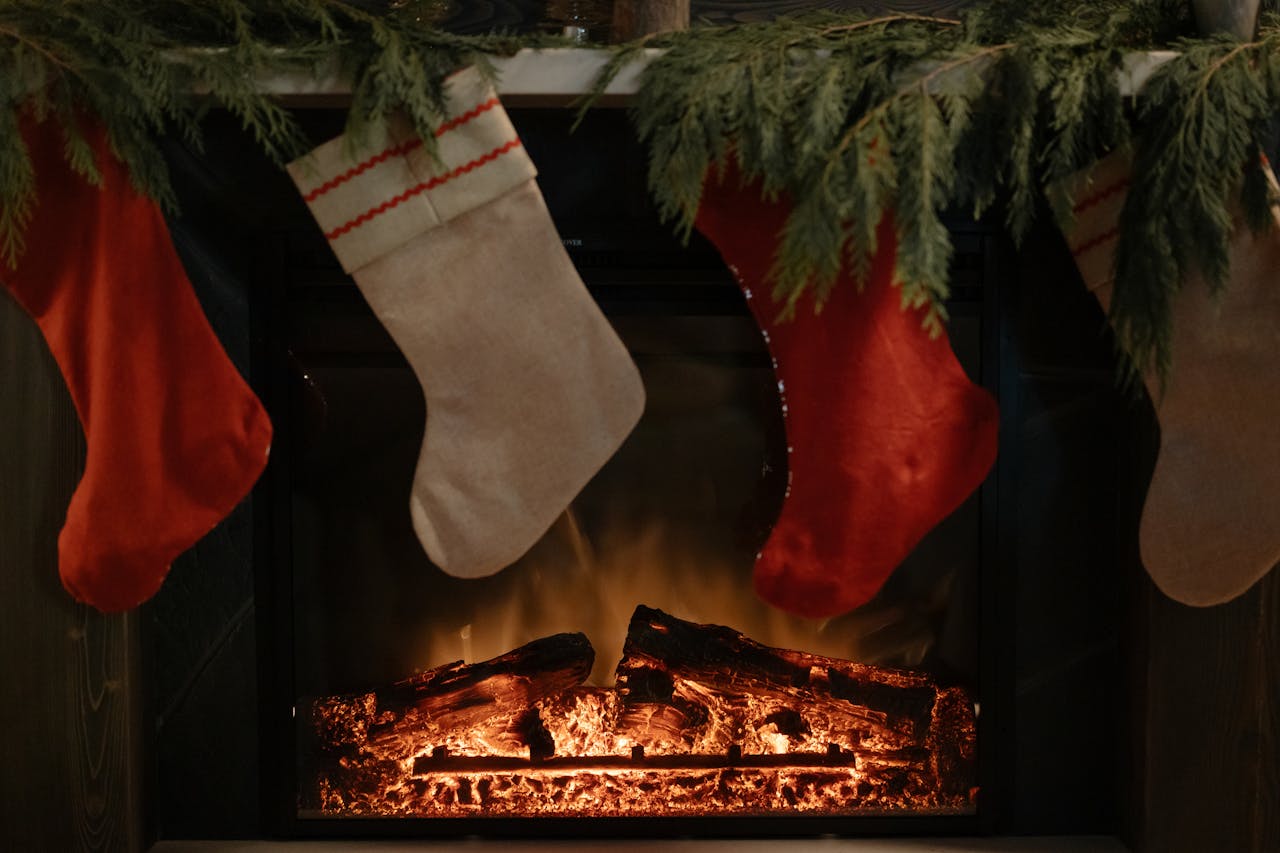
In many European families, early December begins with the soft scrape of children polishing their shoes for Saint Nicholas. On the evening of Dec. 5, boots line up by doors and windowsills, each one a quiet question waiting to be answered. By morning, they hold oranges, nuts, and small sweets, or sometimes a single twig meant as a playful warning. The ritual is simple, but it teaches care, anticipation, and the odd thrill of seeing everyday objects turn into proof that someone has been watching kindly all through the night. Years later, adults still remember the cold floor and that first glance inside.
Advent Calendars Open One Secret At A Time
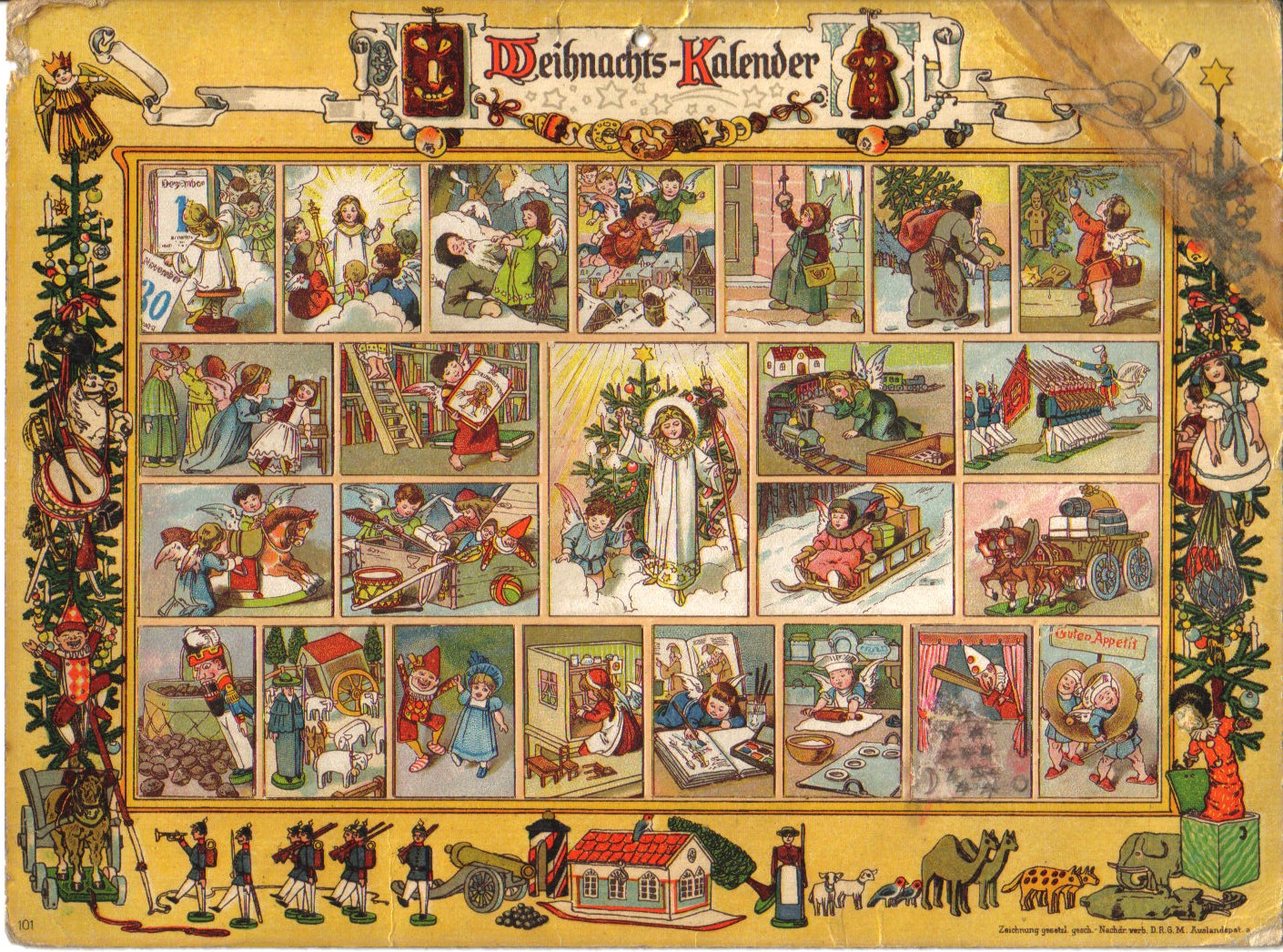
For many children, the first of December means hunting for a tiny door with a number one on it. Advent calendars hang in kitchens or sit on bedroom shelves, packed with chocolates, toys, or small notes tucked away behind perforated squares. Each morning, sleepy hands search for the right date and press it open, letting out a brief rush of excitement that lasts just long enough to cut through the dark. The countdown turns a whole month into a string of small, manageable sparks of joy that sit quietly beside homework, chores, and ordinary school days that would otherwise blur together in winter.
Letters To Santa And Quiet Honesty
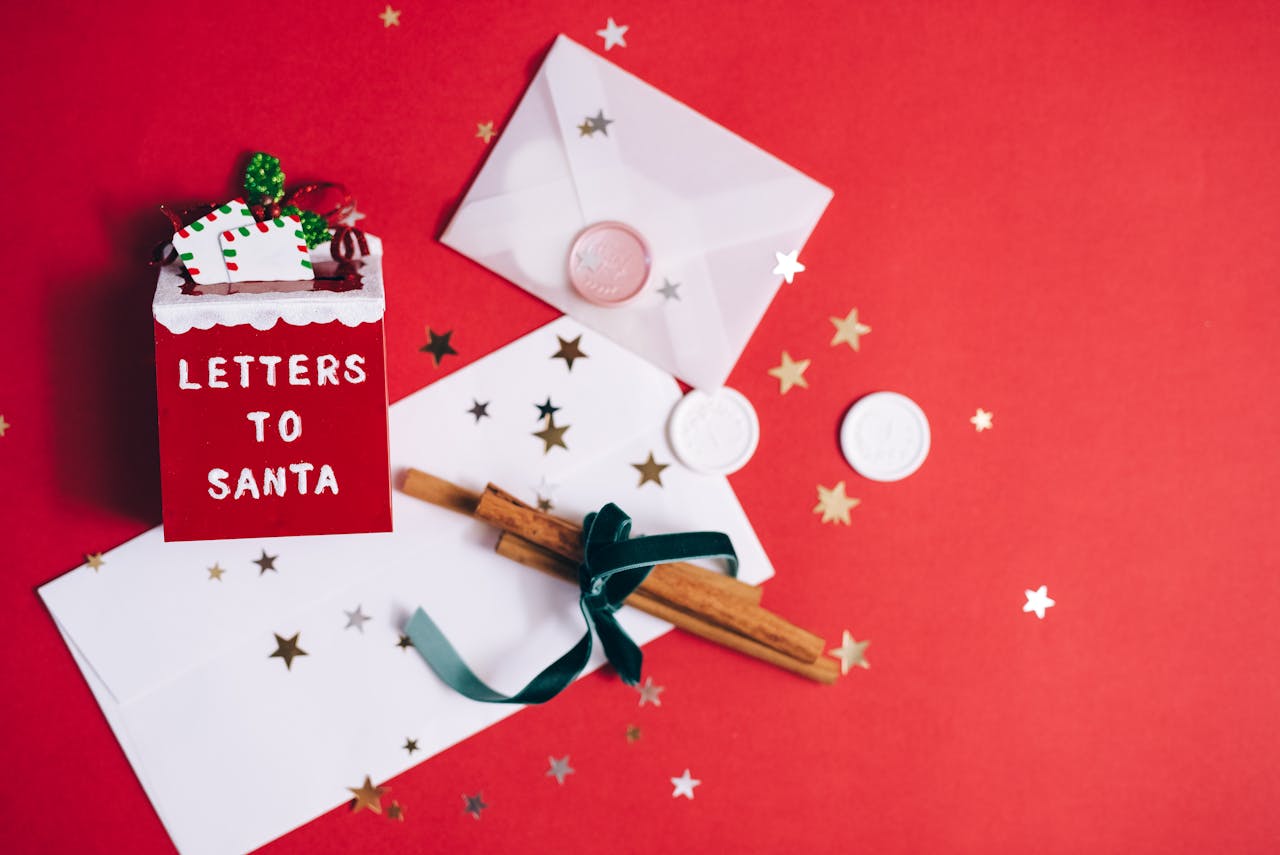
At some point early in December, living rooms and classrooms fill with the scratch of pencils as children write letters to Santa. The language might shift with each country, but the shape is similar everywhere: a polite greeting, a confession of behavior, a careful list of wishes, and sometimes a line asking for something kind to happen to someone else. Envelopes carry those hopes to imagined workshops or real postal programs that quietly match strangers. The act of writing turns vague desire into something clear, honest, and unexpectedly revealing about what matters most that year, even to the adults reading.
Saint Lucia’s Candlelit Morning In Sweden
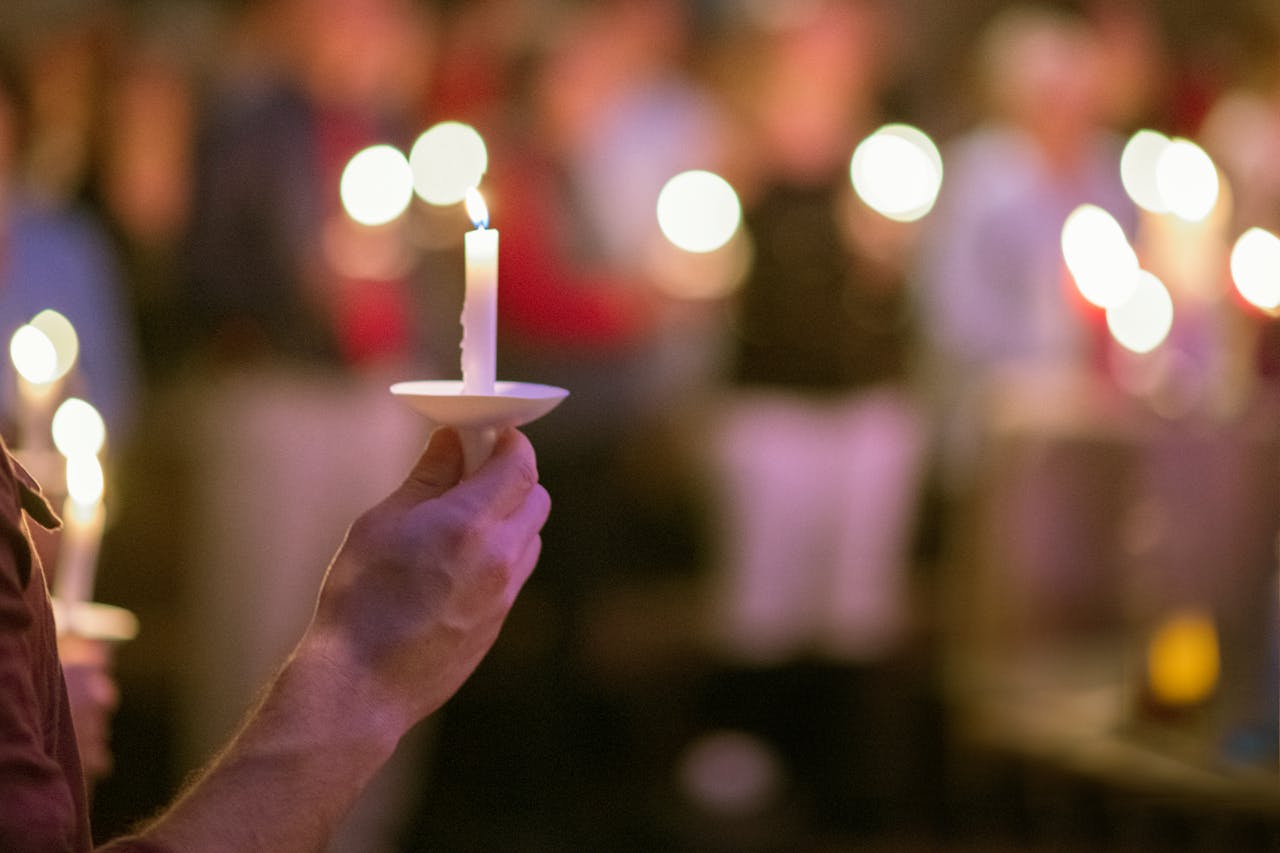
In Sweden and some neighboring countries, the morning of Dec. 13 often begins before sunrise, when children dress in white for Saint Lucia. One child wears a wreath of candles, real or electric, while others follow with paper star wands, red sashes, or pointed hats. They walk through schools, churches, and homes singing songs that feel soft and steady in the dark. Trays of saffron buns and coffee trail behind them, carrying warmth and a yeasty sweetness. The procession turns a bleak winter morning into a moving lesson in courage, care, and shared light that lingers long after the candles are gone.
Las Posadas Doorways And Piñatas
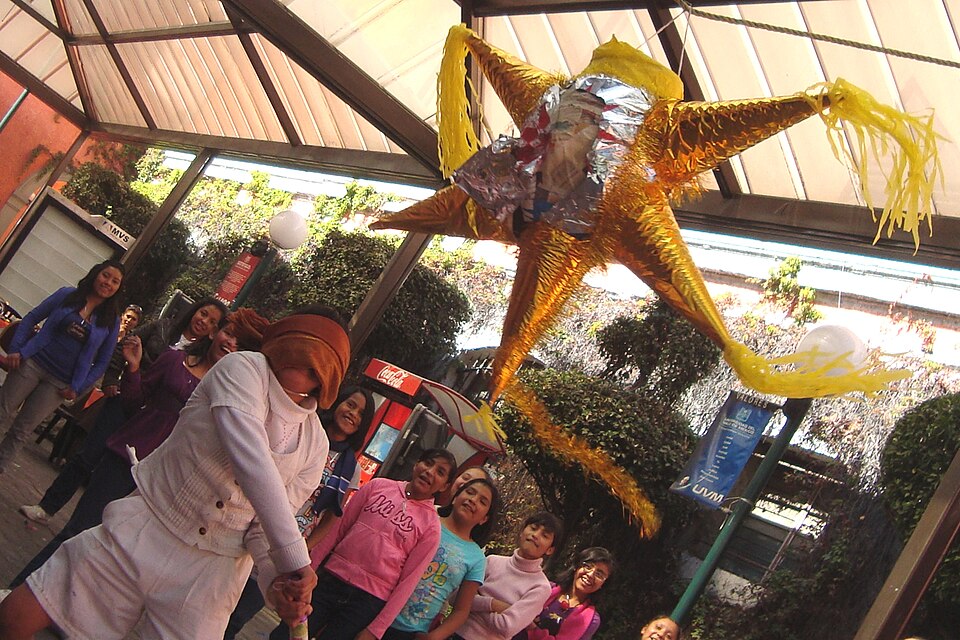
Across Mexico and parts of Central America, children step into the story of Las Posadas during the nights leading up to Christmas. Groups move from house to house with candles and paper lanterns, some dressed as Mary, Joseph, or small angels, singing verses that ask for shelter while others answer from behind closed doors. The refusal is part of the script, as is the moment when a final home opens wide. Inside, there is food, song, and the loud burst of star shaped piñatas that shower candy and confetti across crowded patios, so trust and welcome become things they can feel, not just spoken words.
Filipino Parol Lanterns And Simbang Gabi
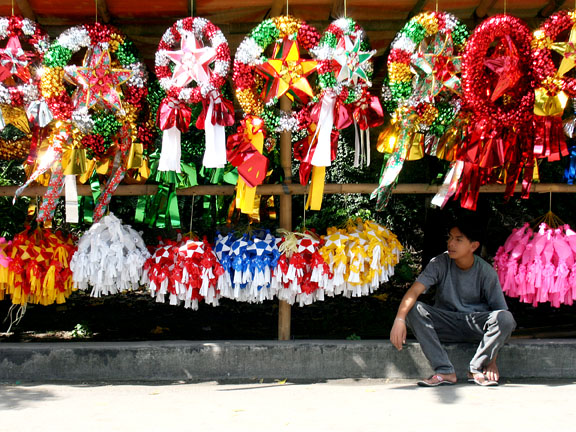
In the Philippines, December evenings shine with parols, star shaped lanterns that children help design and hang outside homes, schools, and churches. Made from bamboo, paper, or capiz shells, they echo the star that guided the nativity story and glow above streets already busy with carols. Kids carry these lanterns to Simbang Gabi, the series of dawn or late night Masses that begin nine days before Christmas. Sleepy but proud, they learn that keeping watch, even when tired, can feel like a gift offered back to family, neighbors, and faith, held quietly in small hands that refuse to drop the light.
Children’s Nativity Plays And Pageants
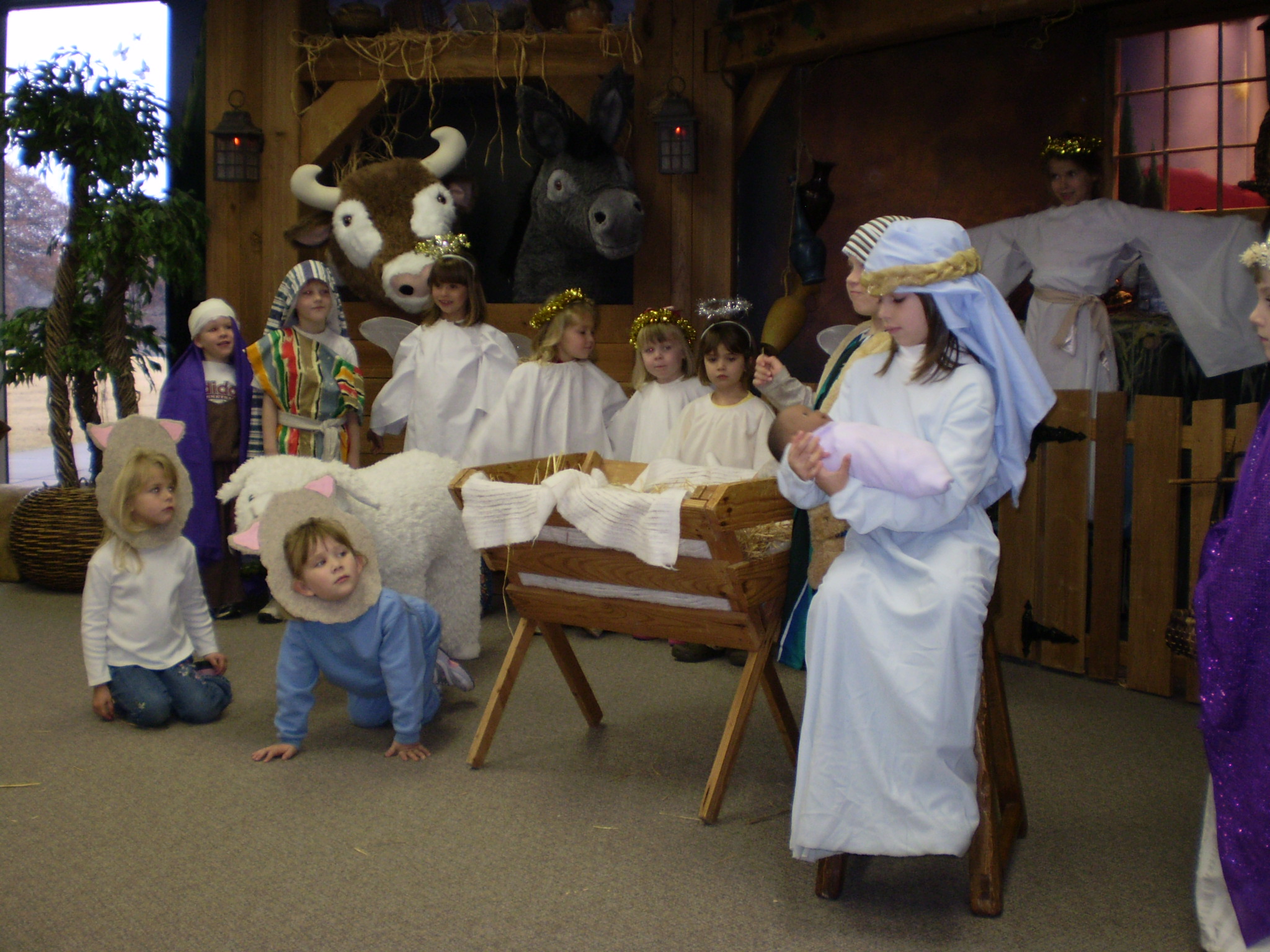
All through December, school halls and church basements turn into temporary backstage areas for children’s nativity plays and seasonal pageants. Costumes made from old sheets, cardboard crowns, and cotton ball sheep turn shy kids into angels, kings, and shepherds who march across makeshift stages under bright lights. Lines are forgotten, improvised, or whispered from the wings, and that is often the best part. For many families, seeing a child stand there, wobbling but determined, becomes the moment when ancient stories feel close enough to belong to ordinary, daily life, not distant history at all.
Kwanzaa Kinara Nights And Family Principles
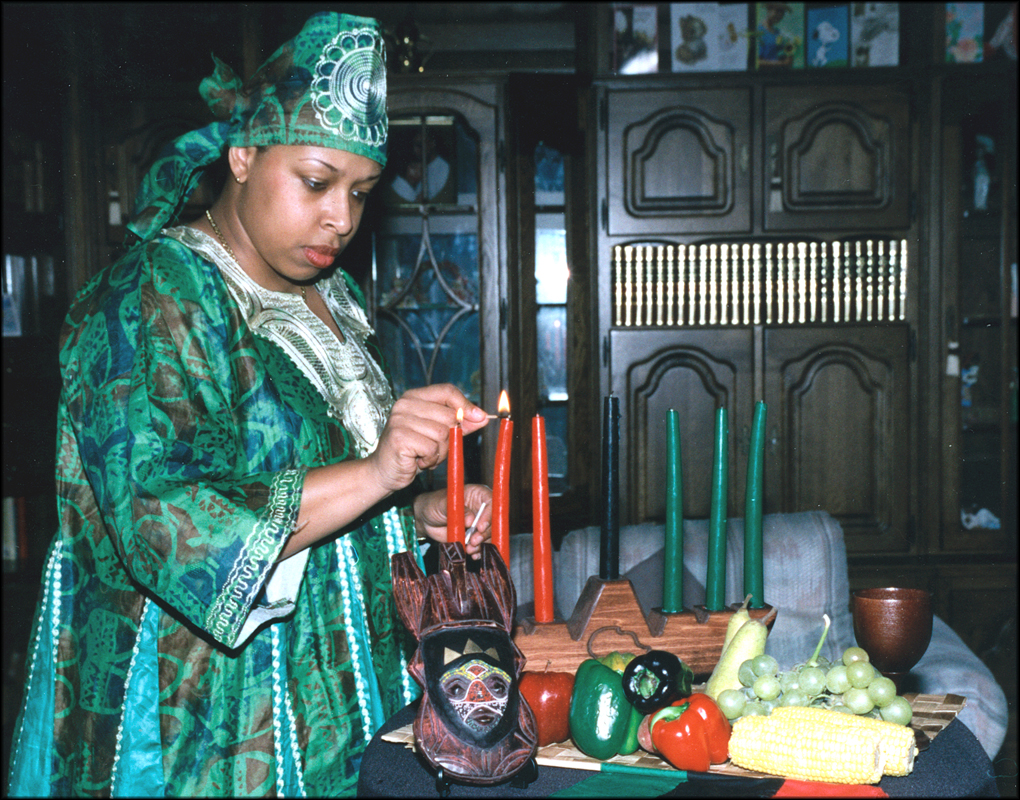
At the end of December, many African American families celebrate Kwanzaa, and children often stand at the center of each night’s ritual. Together with parents or grandparents, they help light the candles on the kinara, each flame linked to a principle such as unity, creativity, or purpose. The words are big, but the setting is close and familiar, filled with food, music, and stories of ancestry and community that name ancestors and neighborhoods out loud. Kids absorb those ideas not as a lesson on a board, but as part of the rhythm of a joyful celebration made for them, repeated every single year.