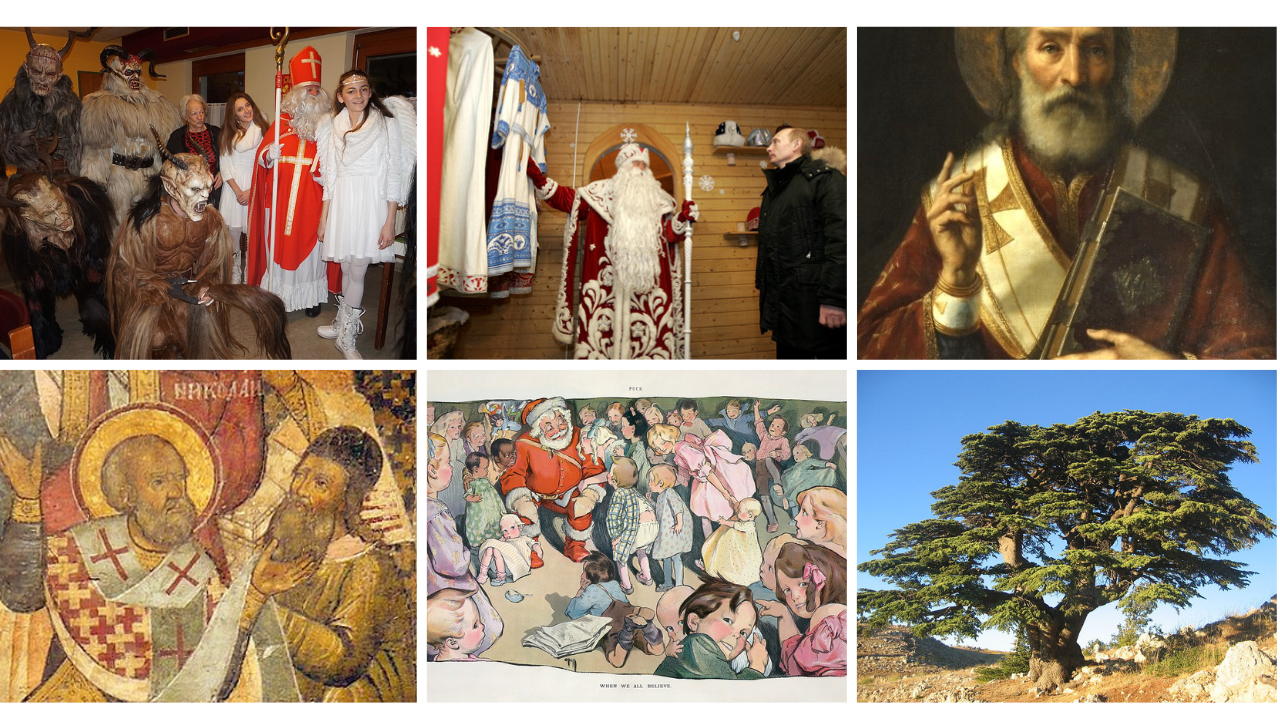
Saint Nicholas moves through early winter like a familiar rumor of kindness, passed from harbor to village square to apartment stairwell. In one place he steps off a boat, in another he walks into a classroom with a ledger of names, elsewhere he is present only in a polished boot at the door. Each tradition bends him slightly toward local fears and hopes. What stays steady is the idea that someone remembers small people, quiet effort, and the wish for a gentler season.
Sinterklaas Arrives by Boat in the Netherlands and Belgium
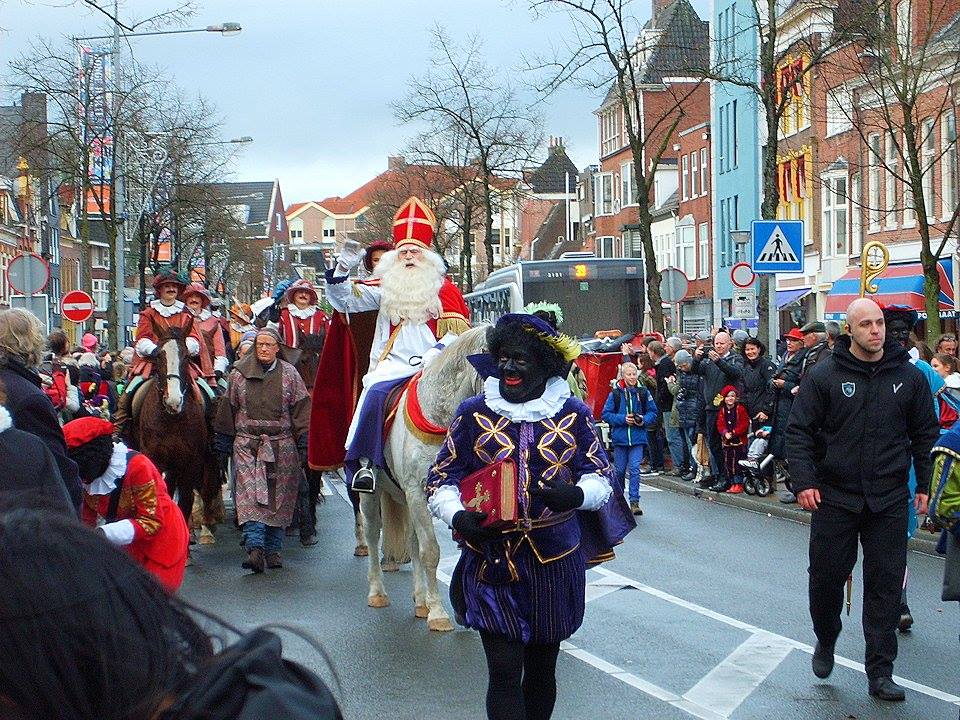
In the Netherlands and parts of Belgium, Sinterklaas still arrives by steamboat from Spain, greeted like a visiting celebrity and a beloved grandfather rolled into one. Children wave drawings and sing, then spend late November leaving carrots and hay for his white horse beside their shoes. Mornings reveal marzipan, chocolate letters, and little notes. On the main gift evening, families wrap presents inside absurd decoy boxes and write teasing poems, turning St. Nicholas into a co-conspirator in elaborate, affectionate pranks that people remember for decades.
Polished Boots and Carrots for Nikolaus in Germany
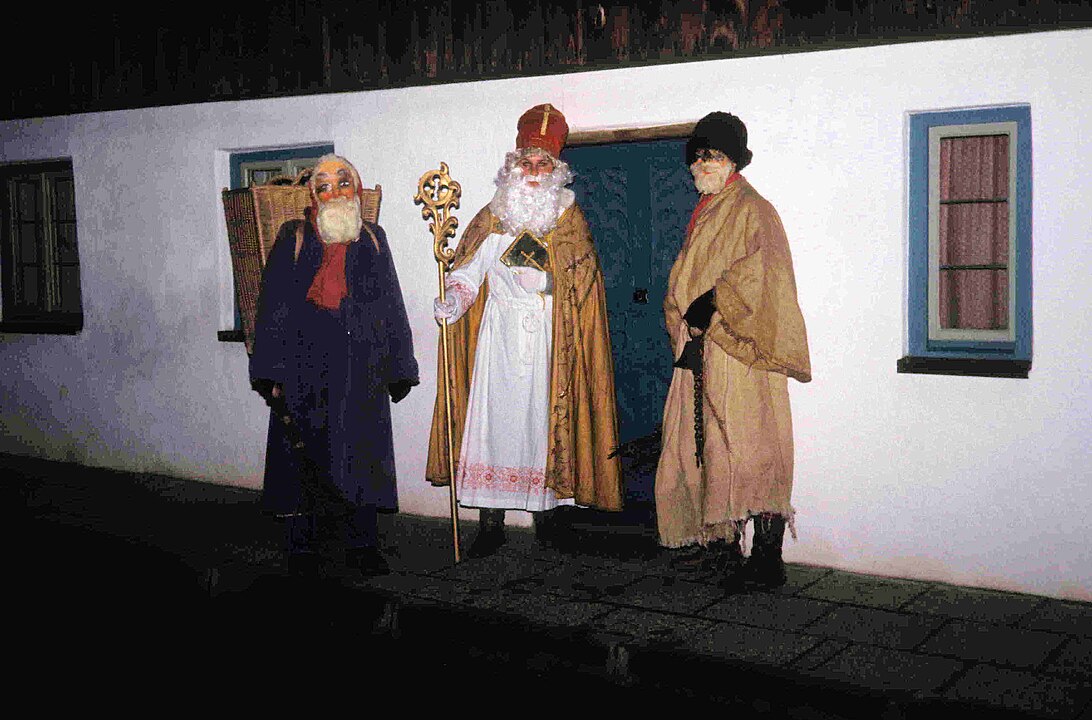
Across Germany, Dec. 5 feels like a quiet test of conscience. Children scrub their boots until the leather almost shines, then line them up at doors or windows with a carrot for Nikolaus’ horse. Parents whisper that the saint has helpers who report on school effort and sibling arguments. By morning, good behavior turns into chocolate, nuts, and tangerines, while a small bundle of twigs might appear as a pointed joke. In many regions, a bishop-like Nikolaus still visits classrooms and parishes, mixing gentle praise with firm, measured reminders.
Krampus Night in the Alpine Villages

In Austria, parts of Germany, and South Tyrol, the figure of St. Nicholas walks beside something far wilder. Krampus, with horns, fur, and clanking chains, charges through streets during early December parades, sending a flash of fear through even confident teenagers. The contrast is deliberate: Nicholas speaks calmly, asks about effort and kindness, and offers small gifts, while Krampus rattles his bundle of sticks and plays the role of consequences. The whole ritual turns morality into street theater, mixing folklore, adrenaline, and a strange kind of reassurance.
Gingerbread Saints and Dark Tales in Eastern France

In Alsace and Lorraine, Saint Nicolas steps into bakeries as much as churches. Shop windows fill with spiced gingerbread baked in his shape, alongside soft brioche figures called mannala. Children know that behind the sweets sits a darker tale about a wicked butcher and three lost boys whom the saint restores, a story told with a shiver and a smile. On Dec. 6, he appears with a gentle donkey while his stern companion, Père Fouettard, follows with switches. The message is simple: mistakes matter, but rescue and mercy are possible.
Window Boots and Secret Twigs in Central and Eastern Europe
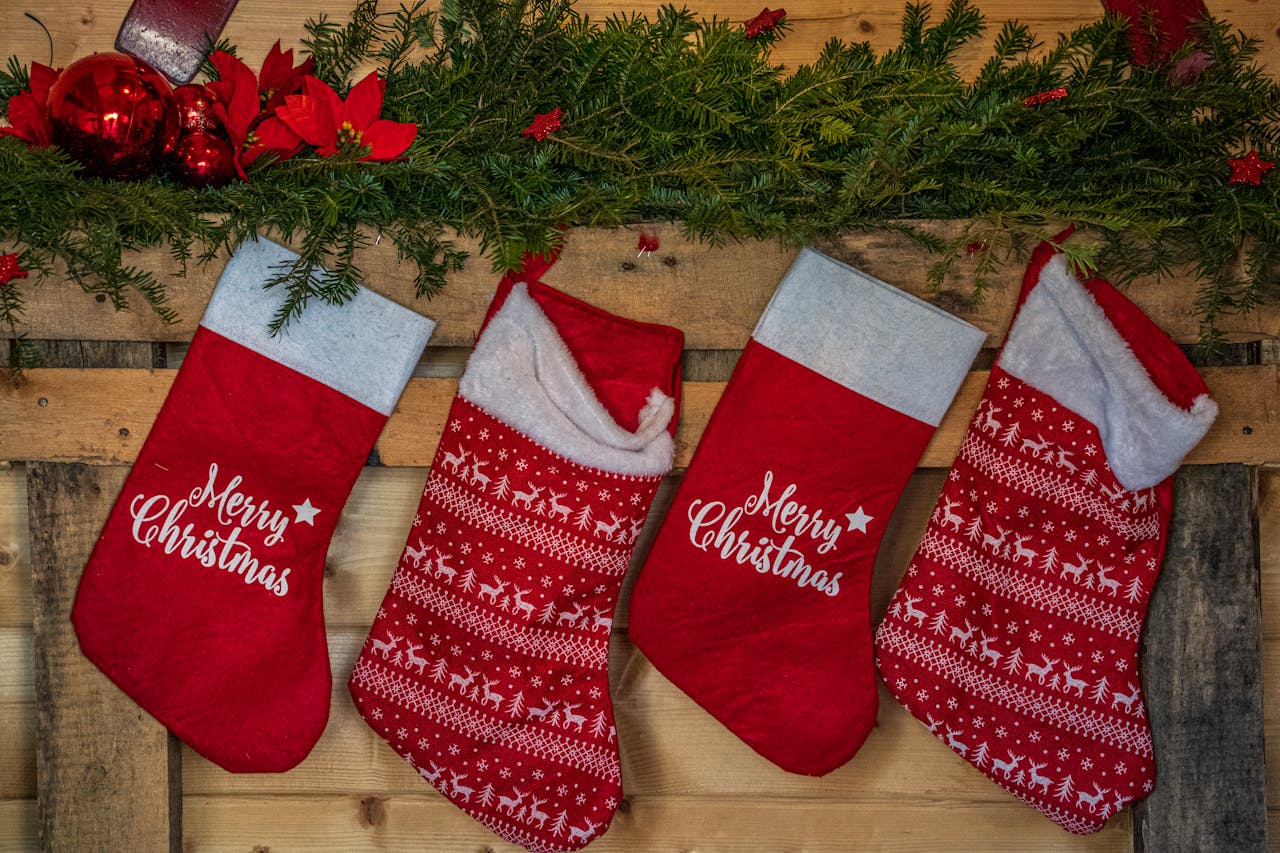
From Poland and the Czech Republic to Hungary and Romania, the night before St. Nicholas’ day is all about careful small rituals. Children place freshly cleaned boots on windowsills or outside doors, sometimes adding handwritten notes about their year. In the morning, chocolates, mandarins, and tiny toys wait for most of them. A golden-painted twig mixed in with the sweets sends a clear but playful signal that someone noticed the mischief too. Angels and devil characters often appear with the saint in schools, turning discipline into a folk story rather than a lecture.
Mykolai Lights the Winter Sky in Ukraine

In Ukraine, Mykolai feels closely tied to both personal wishes and community resilience. Around his feast day, main city squares switch on their huge Christmas trees, framing his image in lights and music. Children write letters to Mykolai at school, listing good deeds and hopes, while volunteers use his name for charity drives supporting orphans and displaced families. He shows up in icons, decorations, and news segments, not as a distant fairy tale, but as a symbol that small gifts and steady protection still matter when life feels uncertain.
Agios Nikolaos, Guardian of Sailors in Greece
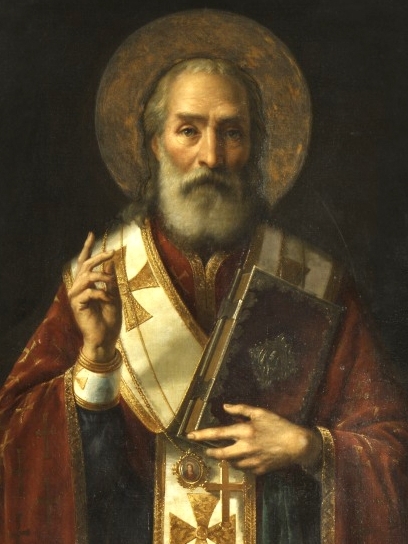
In Greece, Nicholas rarely squeezes down chimneys. Instead, he looks out over harbors and shipyards. Icons of Agios Nikolaos hang on fishing boats and ferries, surrounded by melted candle wax and old sea salt. On his feast day, priests bless the waters and lead processions to piers, while crews sound horns in brief salute. Families of sailors visit seaside chapels to offer thanks for safe returns and prayers for those still offshore. Here, his generosity takes the shape of preserved lives, calmer seas, and courage to leave port again.
Relics, Processions, and Fireworks in Bari, Italy

In Bari, Nicholas is not just remembered, he is hosted. The city claims his relics in a grand basilica, and locals speak of San Nicola almost as an adopted citizen. Each May, a statue of the saint is carried to the harbor and placed on a boat surrounded by others covered in lights, while crowds watch from the promenade and fireworks bloom overhead. In December, quieter liturgies and visits to the crypt keep the bond alive. Pilgrims arrive with folded papers of names and worries, trusting his steady, practical holiness.
Fasting Feasts and Family Tables in the Balkans
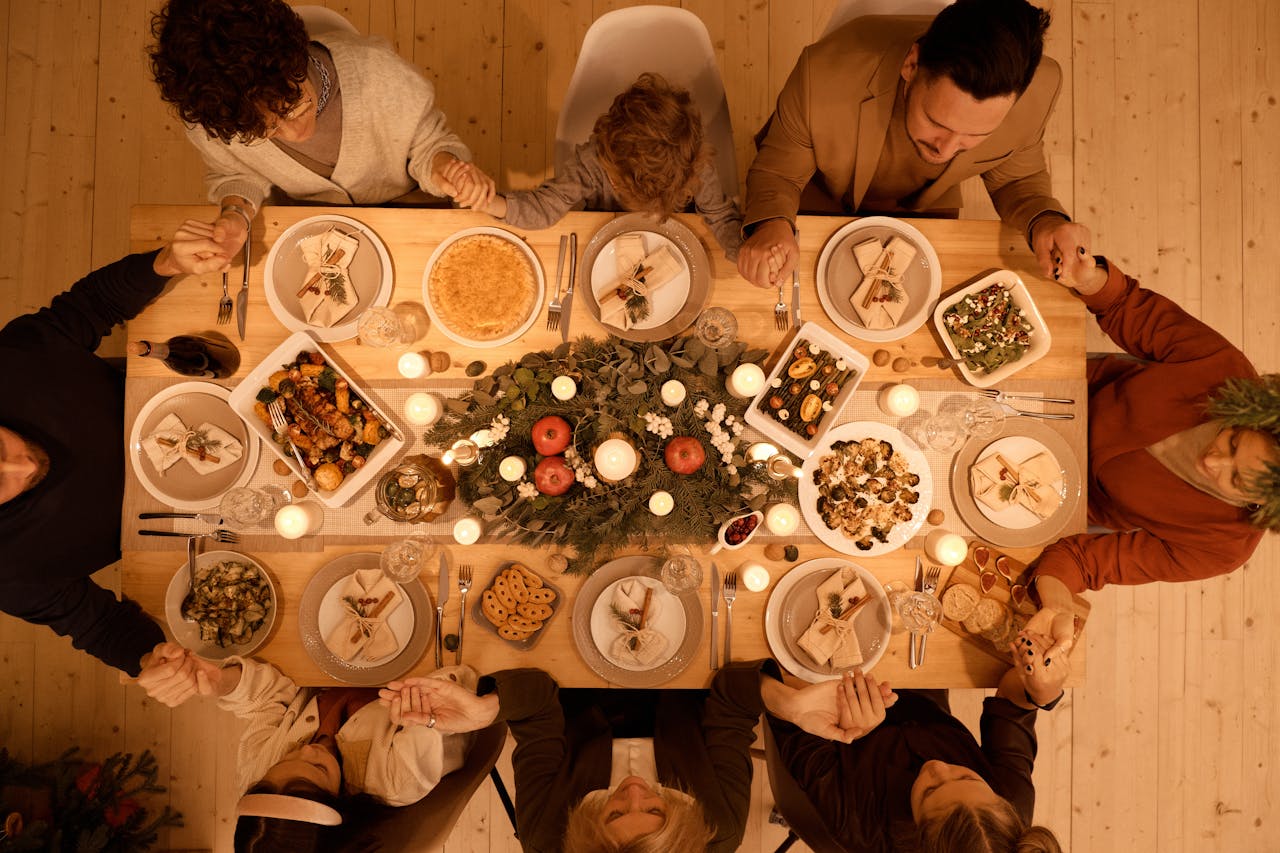
Across parts of the Balkans, St. Nicholas sits at the center of long, layered family customs. In Serbia, Nikoljdan is one of the most common patron saint days, so many households open their doors that day, serving fish dishes, beans, bread, and wine while Orthodox fasting rules shape the menu. Guests come and go for hours, sharing stories and toasts. In Bulgaria, Nikulden highlights baked carp and special bread blessed at home or church. The saint becomes a kind of family banner, tying faith, hospitality, and memory together.
Mar Nkoula Among Cedar Trees in Lebanon
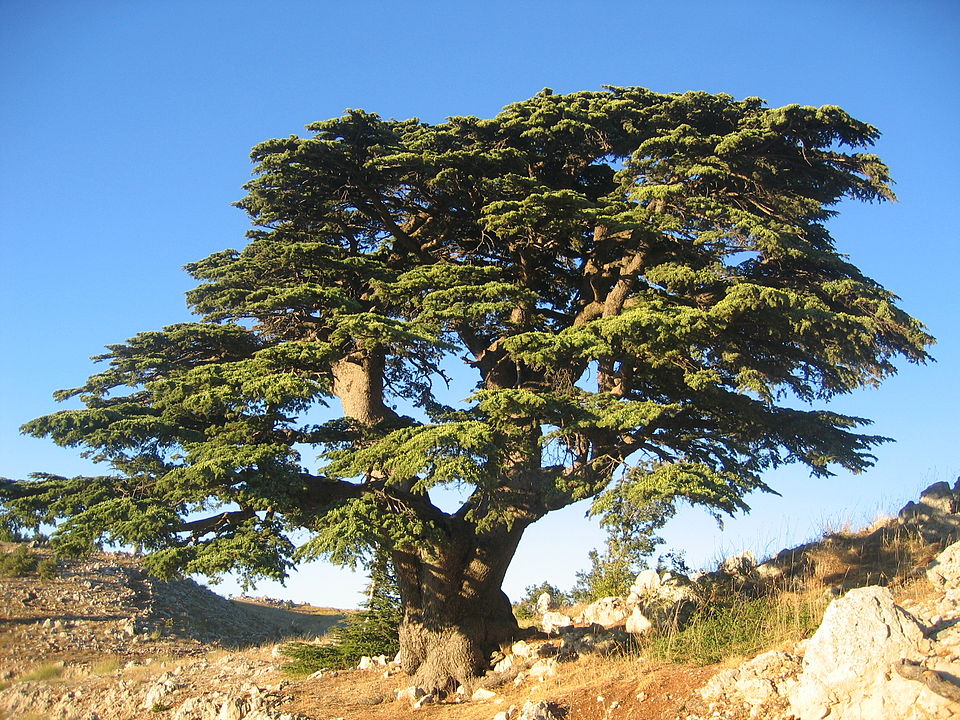
In Lebanon, where many Christian traditions overlap, St. Nicholas appears in stone, paint, and street names. Churches and schools dedicated to Mar Nkoula anchor neighborhoods from coastal towns to mountain villages. On his feast, liturgies fill with incense and polyphonic chant, then spill outside into courtyards where children cluster around icons. Families light candles and whisper prayers for protection, travel, and health. In a country marked by layered histories and shifting realities, Nicholas feels like a reliable old friend who still watches over children and travelers.
Samichlaus and Schmutzli in Switzerland
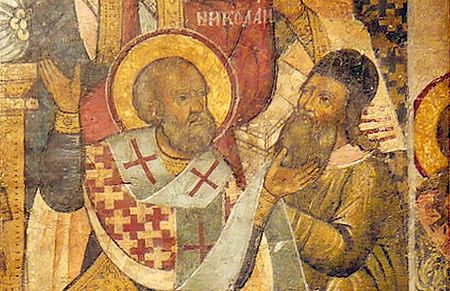
In Switzerland, Samichlaus usually waits in forests and village halls rather than on rooftops. Families hike to a clearing or gather in a meeting room where he sits with his big book, Schmutzli at his side. Children recite poems they have rehearsed nervously for days, then listen as Samichlaus calmly lists both strengths and rough patches from the year. Instead of piles of toys, he hands out nuts, mandarins, and chocolate, along with simple encouragement to keep trying. The whole encounter feels more like a mentoring visit than a shopping event.
School Visits from De Kleeschen in Luxembourg
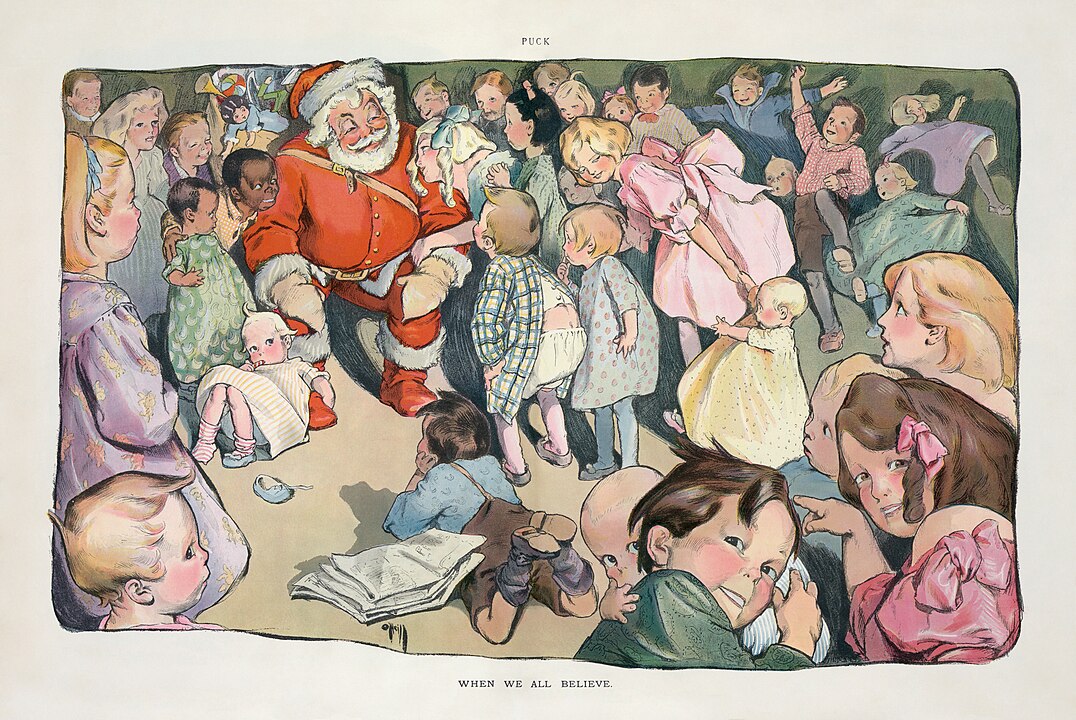
In Luxembourg, classrooms turn into small stages when De Kleeschen arrives. He steps in with mitre, staff, and an easy, practiced presence, greeting students as if he has known them personally for years. Teachers quietly share notes, and he praises effort before glancing at moments where attention slipped. Children leave with treats and a sense of being seen rather than just judged. At home, plates or shoes wait for overnight gifts, while his helper, the Houseker, lingers mostly as a symbolic reminder that choices still matter, even in festive weeks.