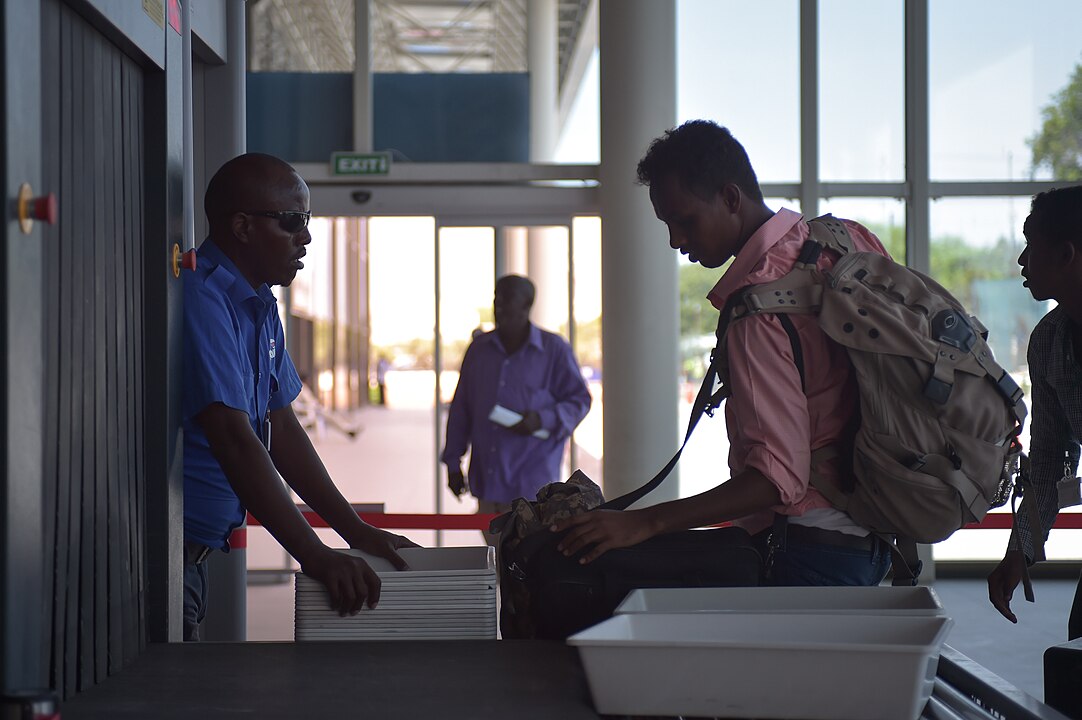
Airports look orderly on the surface, but the security lane is where habits collide with rules. People treat gadgets as extensions of themselves, tucked into every pocket and pouch. Regulations keep evolving after fires, scares, and near misses, so what was fine last year might not clear the belt today. When an officer quietly lifts something from a bin, the loss feels personal and sometimes expensive. For frequent travelers, those moments leave a mark. These are the types of devices most likely to disappear without much discussion.
Oversized Power Banks And Battery Bricks
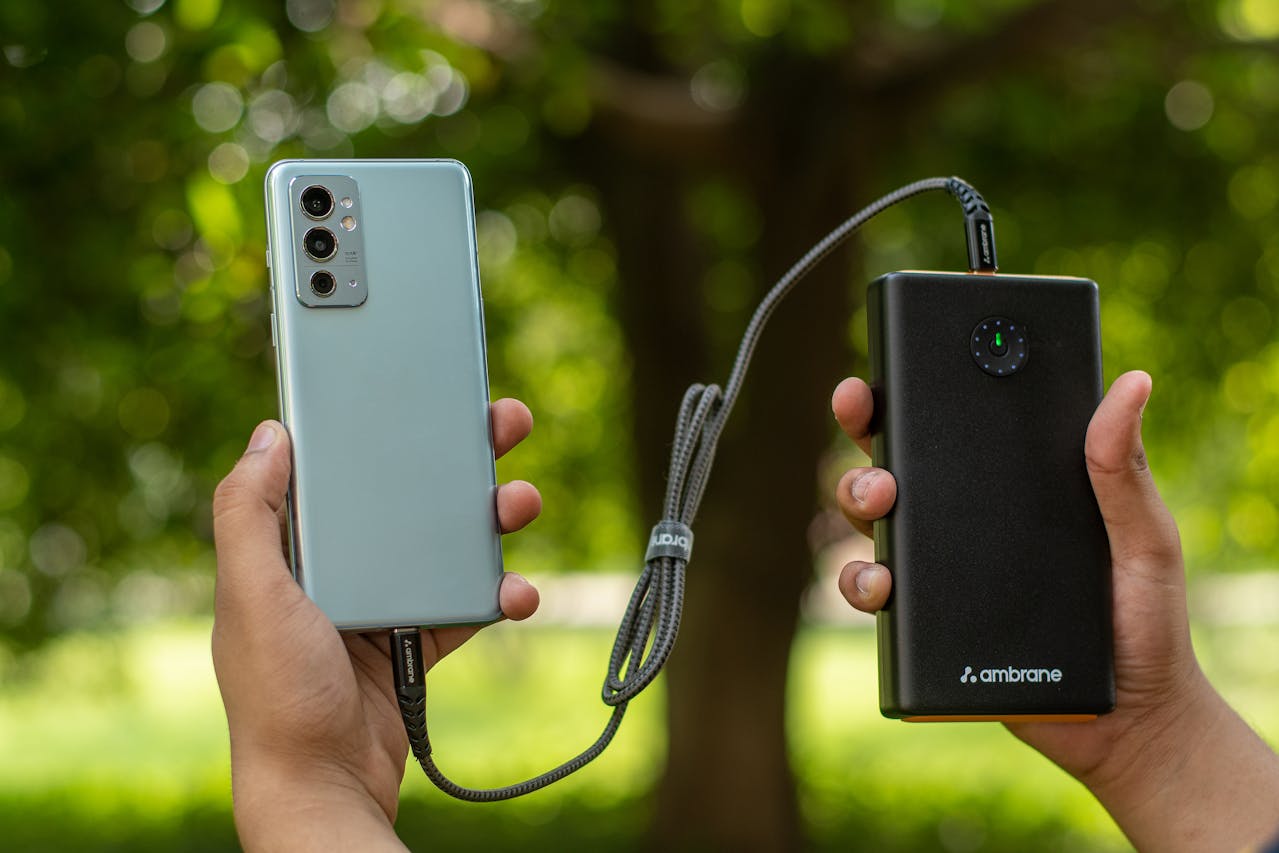
High capacity power banks feel like lifelines on long travel days, but aviation rules draw hard lines around lithium batteries. Anything above typical airline watt hour limits, missing a clear label, or showing swelling turns from handy backup to potential fire risk in an instant. Security staff do not have time to decode mystery bricks. When a pack looks oversized, off brand, or simply suspicious, it often ends its journey in a metal bin instead of the overhead.
Smart Luggage With Nonremovable Batteries
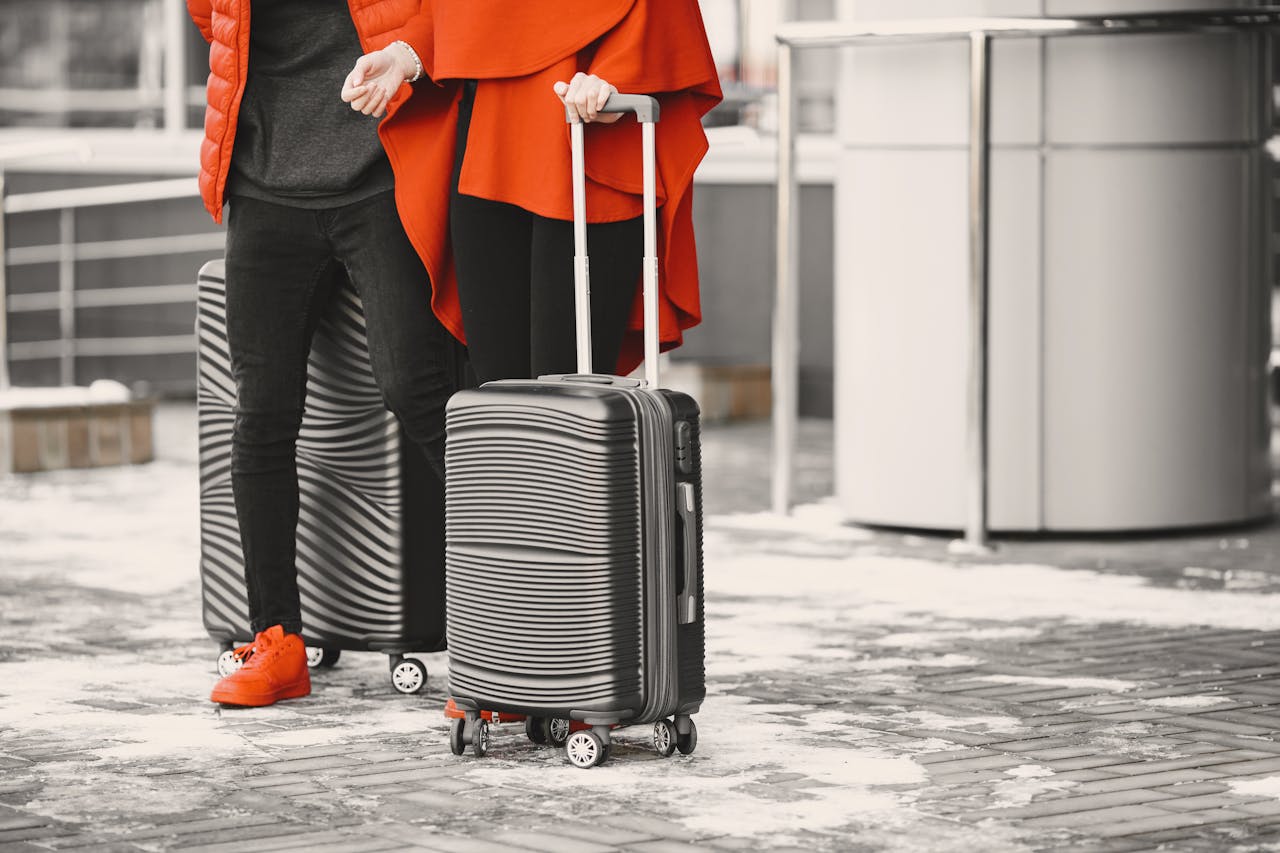
Smart luggage promises built in charging and tracking, yet many models hide batteries that cannot be removed at the checkpoint. Airlines increasingly require those packs to come out before a bag is checked or even boarded. If the case is sealed, damaged, or clearly not designed for removal, security officers may reject it on the spot. For travelers who only discover that rule at the counter, the choice is harsh and quick, abandon the battery or abandon the bag.
Stun Guns And Shock Devices Disguised As Tools
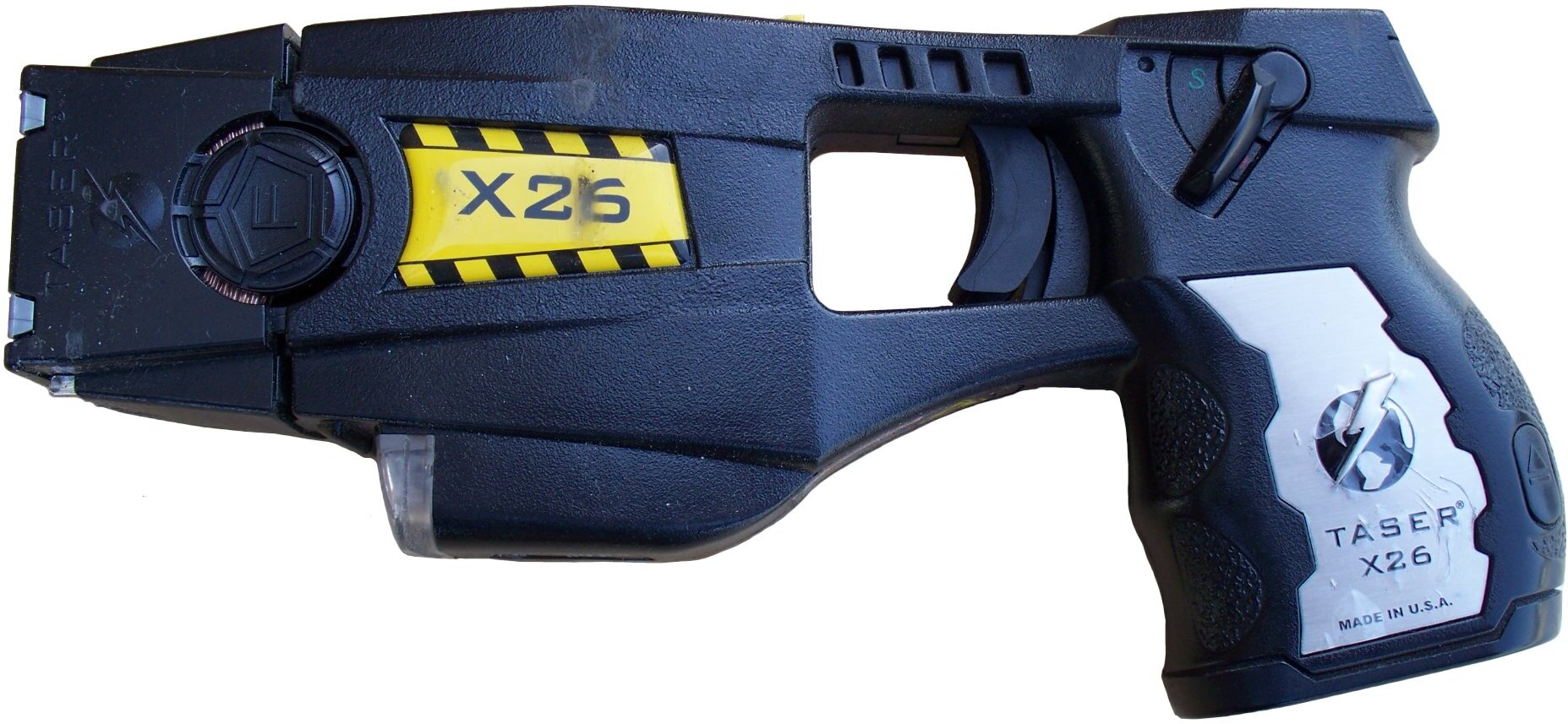
Compact self defense gadgets often blend into everyday gear, shaped like flashlights, key fobs, or sleek sticks that look harmless until activated. Aviation rules treat them as weapons regardless of branding or personal safety arguments. Some countries ban them entirely in both checked and carry on luggage, leaving little room to negotiate. When a scanner image reveals prongs, cartridges, or a clear ignition button, officers usually move straight to confiscation, even if the device has never been used outside a glove compartment.
Pepper Spray Keychains And Defense Sprays

Pepper spray tends to live quietly on key rings and purse straps until the moment it hits the x ray tray. Security staff view it as a volatile chemical that could disable a cabin or terminal if discharged, even by accident. Regulations vary, but many airports do not allow it in the cabin at all, and some countries restrict it completely. Travelers often have no idea it is there until an officer pulls it aside. Once spotted, it rarely gets a second chance.
Vapes, Mods, And E Cigarette Gear

Vapes ride in pockets next to phones and boarding passes, yet their rules are far stricter than most people realize. Devices and spare lithium cells are usually allowed only in carry on bags, with certain tank sizes and liquid volumes capped by standard security limits. Some destinations heavily restrict or ban vaping products altogether, which can turn a normal kit into contraband on arrival. When overlapping rules about batteries, liquids, and local law collide, officers often clear the line by taking the entire setup.
Hoverboards And Mini Electric Scooters

Hoverboards and small electric scooters look like fun solutions for long walks to the gate, but aviation authorities focus on the large lithium packs hidden inside. Past incidents involving overheating boards pushed many airlines to ban them outright, both in checked baggage and in the cabin. Even smaller rideables like single wheel devices and electric skateboards attract extra scrutiny. If documentation about the battery size is missing, or the hardware looks heavily modified, security staff usually decide that the safest place for it is off the aircraft.
Camera Battery Kits And Photo Gear Bricks
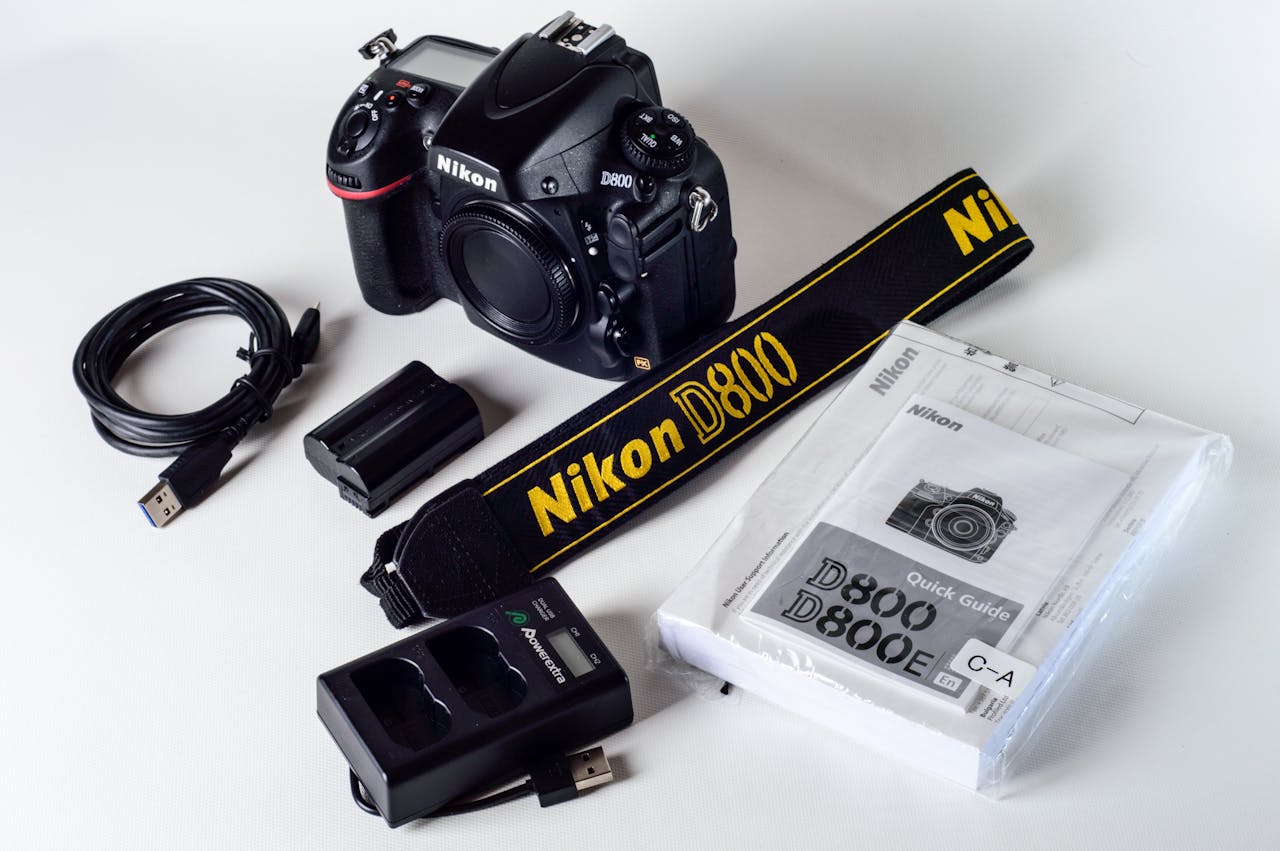
Serious photography gear often arrives as a tangle of batteries, grips, and compact chargers that completely fill a backpack pocket. Most rules set strict caps on the number and size of spare lithium cells, especially for those above basic consumer ratings. Swollen casings, loose contacts, and unlabeled bricks quickly raise alarms under the scanner. In busy lines, officers may not sort the safe from the unsafe one by one. Instead, they remove the entire pouch of questionable batteries and leave the camera body to fly alone.
Travel Drones And Spare Battery Packs
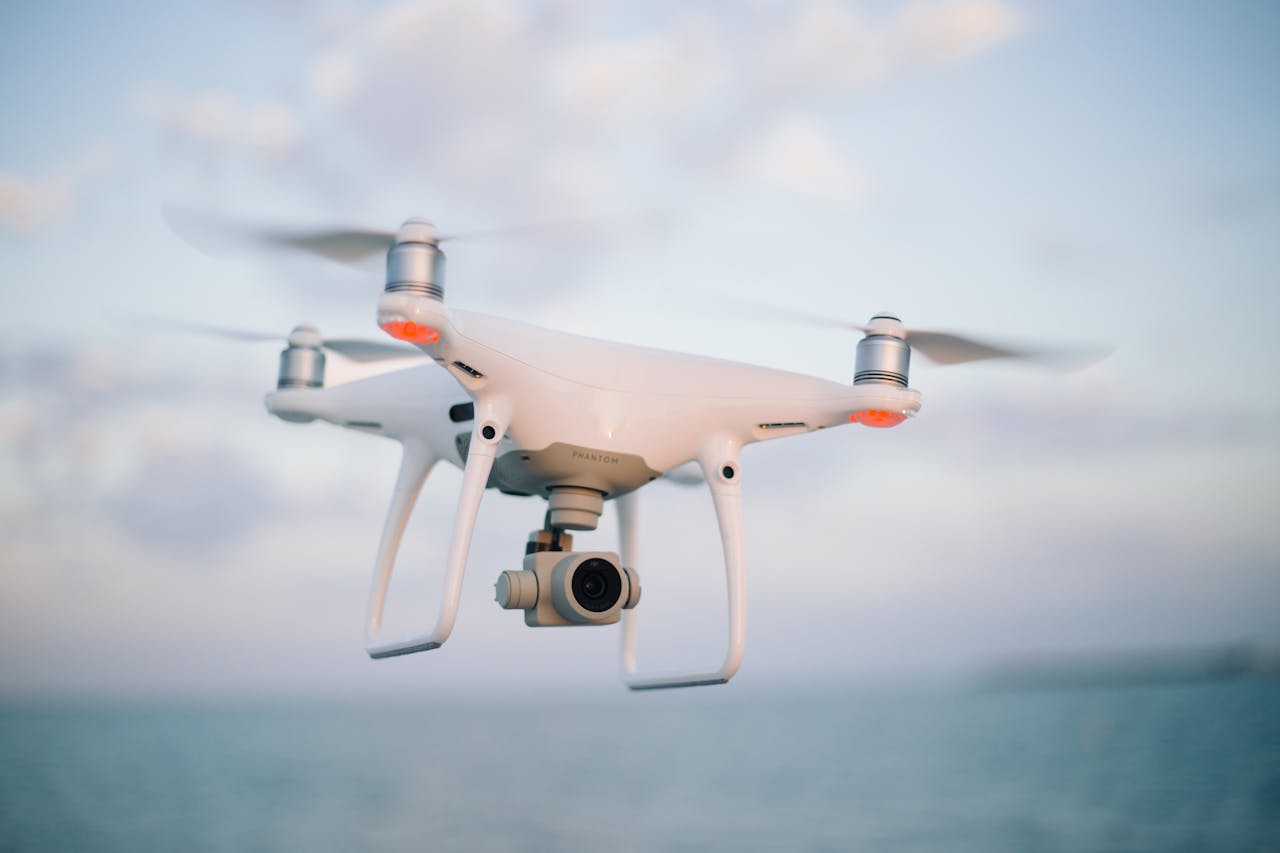
Travel drones have become as common as compact cameras, but security teams treat them like small aircraft with serious batteries attached. Many airlines only allow them when batteries are in carry on bags with terminals protected by covers or individual sleeves. A stack of high capacity packs in a soft case usually earns additional screening and questions about ratings. Destination rules can be even stricter, with some countries limiting or banning recreational drones outright. When officers sense a risk or regulatory tangle, the drone often stays grounded.
Multitools That Hide Blades In Clever Shells

Palm sized multitools seem harmless until an officer unfolds them and reveals a locking blade or sharpened edge. Even when marketed for cycling repairs or camera rigs, any knife longer than a tiny utility edge usually violates cabin rules. Some airports allow certain tools in checked bags only, but many travelers rely on carry on luggage for tight connections. Once security sees a blade integrated into pliers, drivers, or compact metal shells, the tool rarely returns to a pocket, no matter how often it has flown before.
Torch Lighters And High Intensity Flames

Jet flame and plasma lighters appeal to anyone who likes a reliable spark in windy conditions, yet they are exactly the models that make officers nervous. Dangerous goods policies often single out torch lighters as unacceptable, even when standard disposable versions are allowed in limited numbers on a person. Strong concentrated flames, large tanks, and visible modifications add to that concern. When a lighter looks more like a mini blowtorch than a basic match replacement, security staff usually place it in a special container instead of letting it board.
Portable Heaters, Kettles, And Travel Steamers
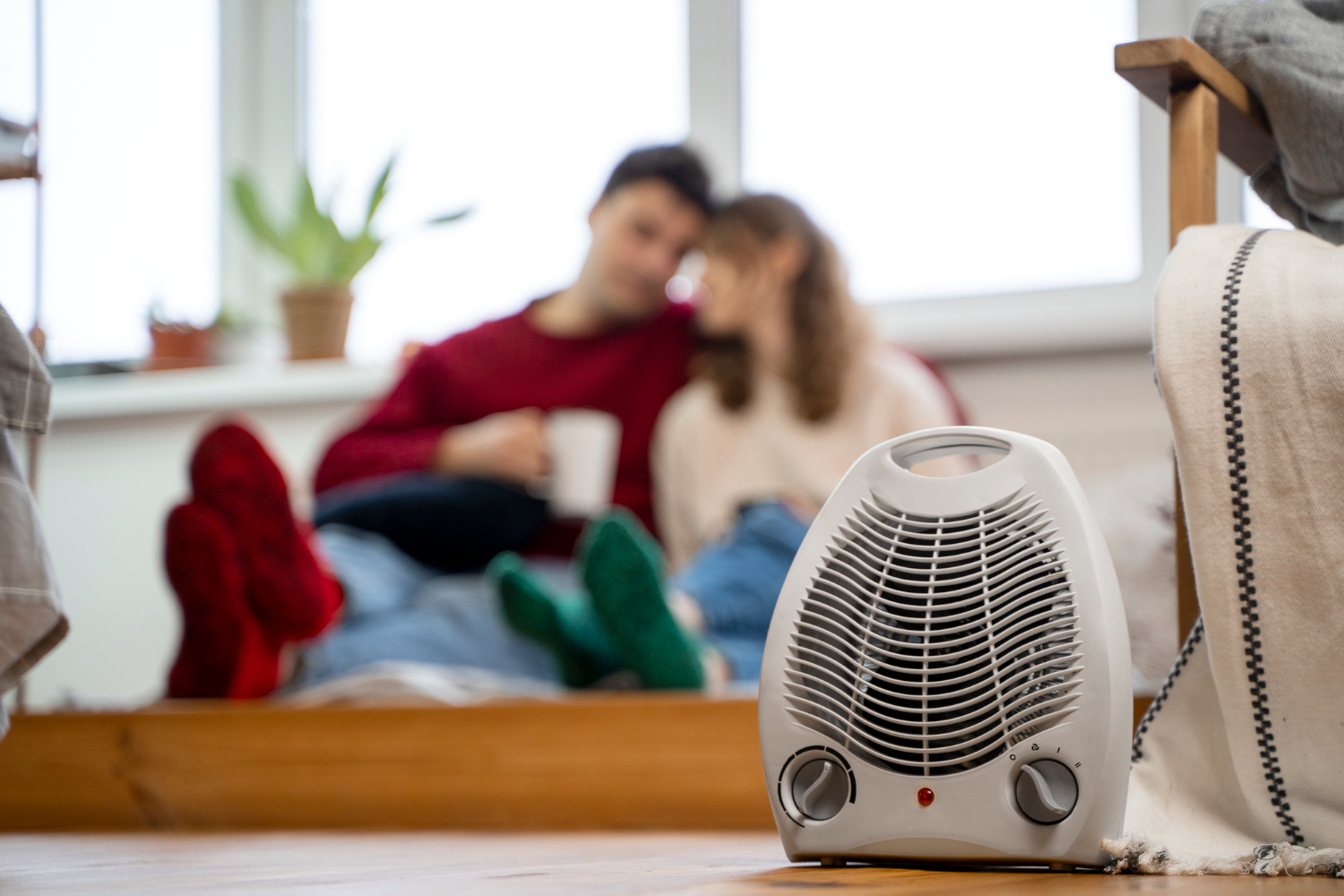
Portable immersion heaters, compact kettles, and small garment steamers promise comfort and polish far from home, but they sit in a gray area at security. Coiled elements and dense wiring can resemble improvised devices on scanner images, triggering extra checks. Some units pull significant power, show scorched plugs, or lack clear safety markings, which does not help. When officers cannot quickly verify that a heating gadget meets standards, they often default to caution and remove it, leaving only adapters and basic electronics to continue the trip.
Covert Cameras, Trackers, And Spy Style Gadgets
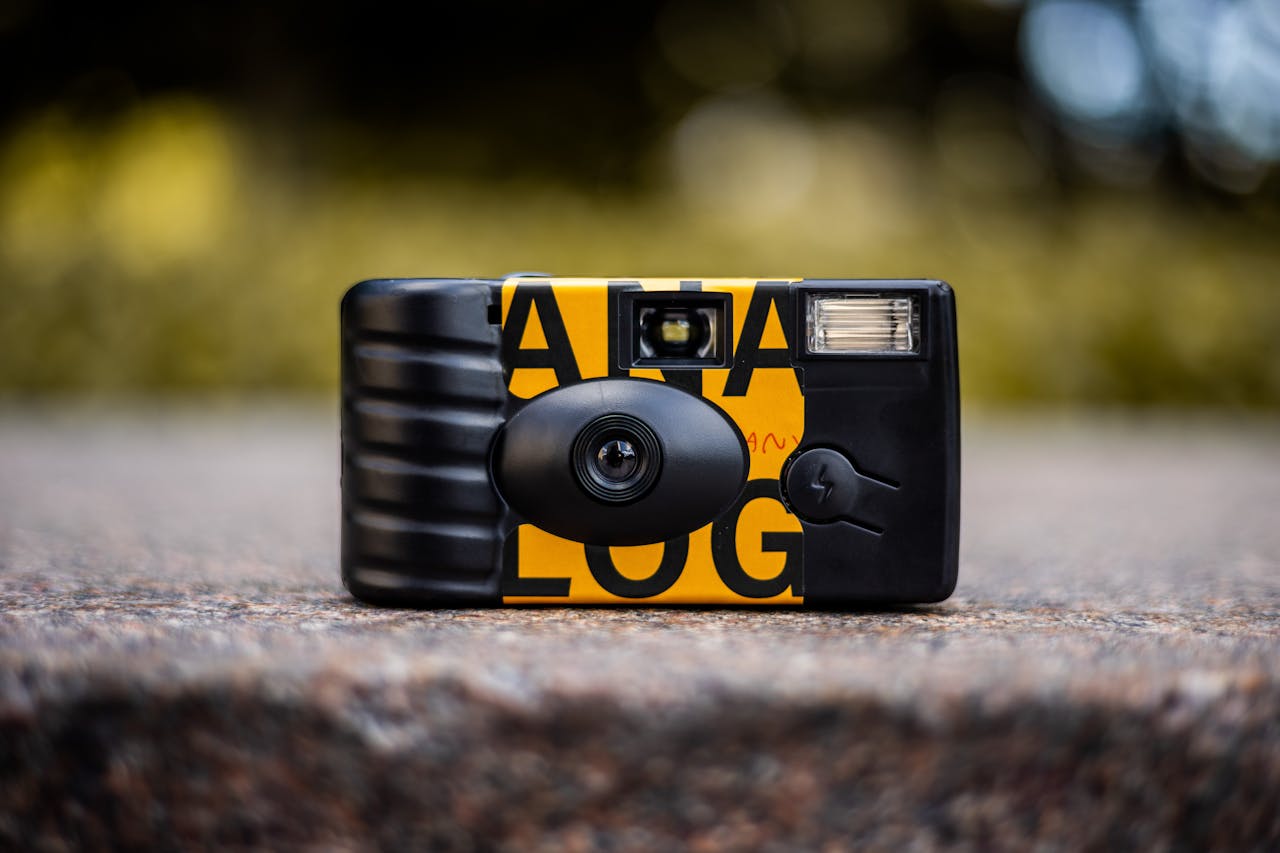
Hidden cameras, covert microphones, and trackers disguised as chargers or pens live at the intersection of privacy law and security protocol. Many airports train staff to spot unusual circuitry inside everyday shapes, especially when devices appear designed to record without consent. Certain countries treat these gadgets as restricted surveillance tools, not casual tech toys. Customs and aviation rules can overlap in confusing ways, and front line officers rarely have time for long debates. Faced with doubt, they often choose to confiscate and document rather than let the gear pass.