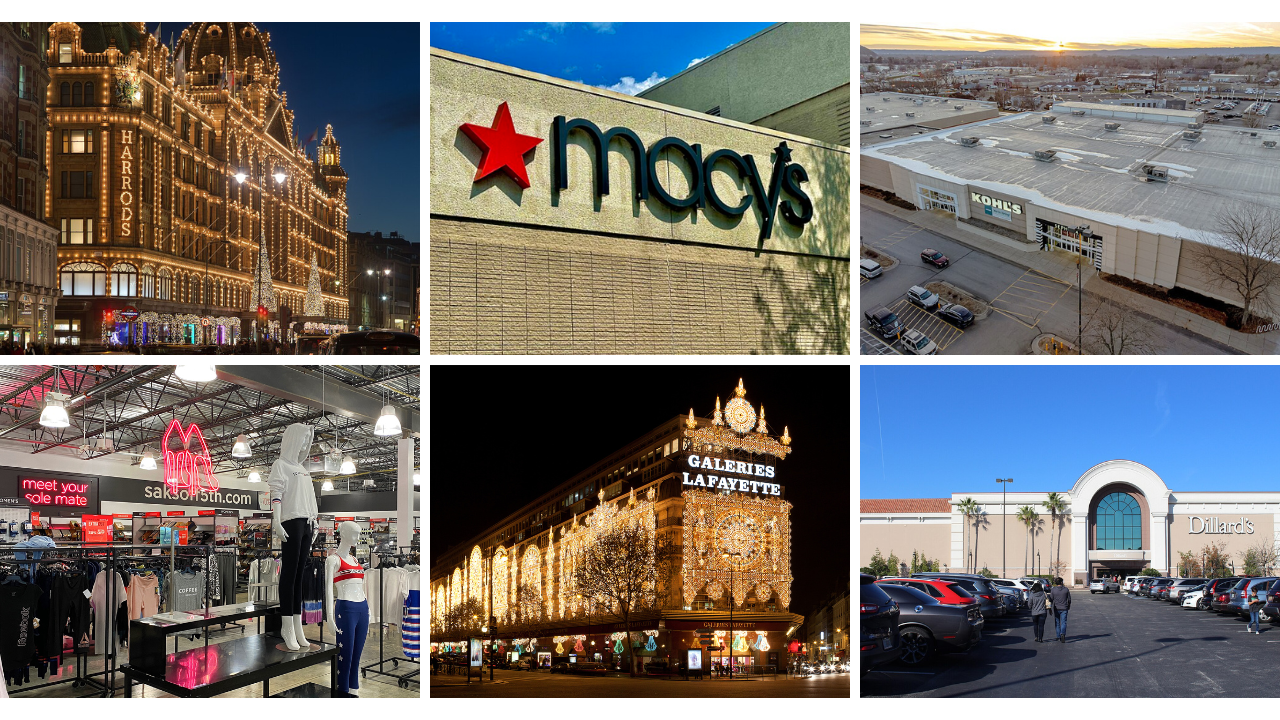
Department stores once sat at the center of weekend routines, from back to school shopping to holiday window strolls. Now many of those anchors are shrinking their footprints as leases expire and traffic shifts online. Chains are keeping their best performing sites, trimming weaker corners of the map, and reworking real estate deals to survive. By 2026, familiar names are still around, but more often as a handful of strong flagships, smaller off mall formats, and a scroll of categories on a screen.
Macy’s
Macy’s is deep into its Bold New Chapter plan, which calls for closing about 150 underproductive stores while investing in roughly 350 go forward locations through fiscal 2026. Dozens of exits have already reshaped mid tier malls, replacing big box entrances with construction walls or prospective mixed use projects. For many communities, the loss is less about one retailer and more about a seasonal ritual that quietly disappears.
Kohl’s
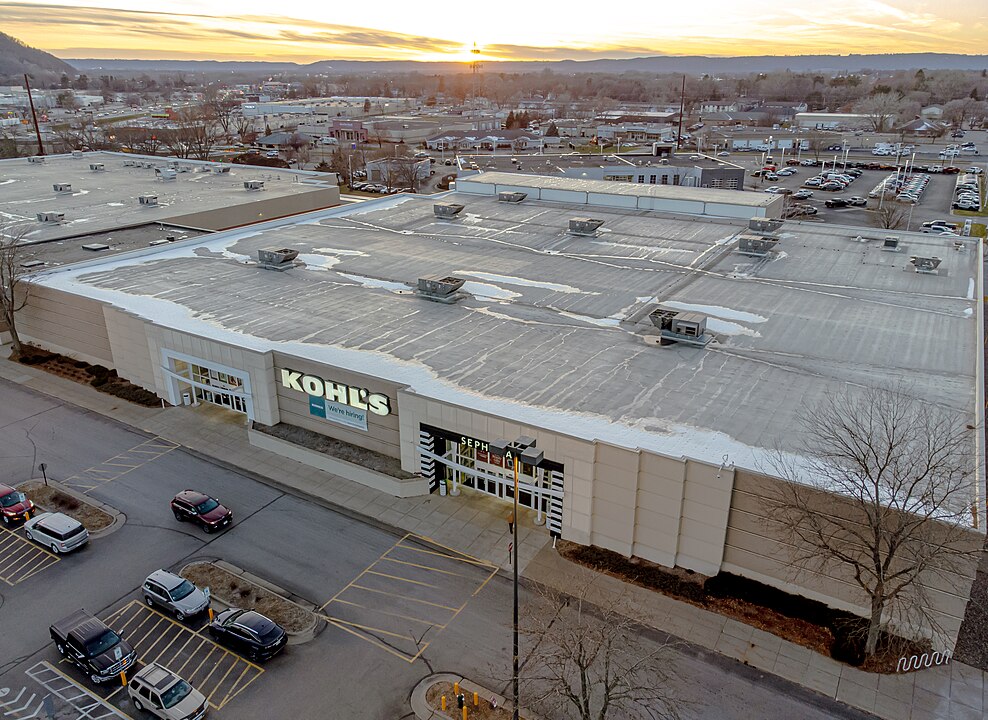
Kohl’s is not collapsing, but it is getting leaner. Corporate updates confirm that 27 underperforming stores across about 15 states are closing by spring 2025, along with a California fulfillment center, as part of a broader real estate reset. By 2026, analysts expect the chain to lean harder on refreshed formats and partnerships, while marginal locations quietly slip off the directory boards at aging centers.
JCPenney
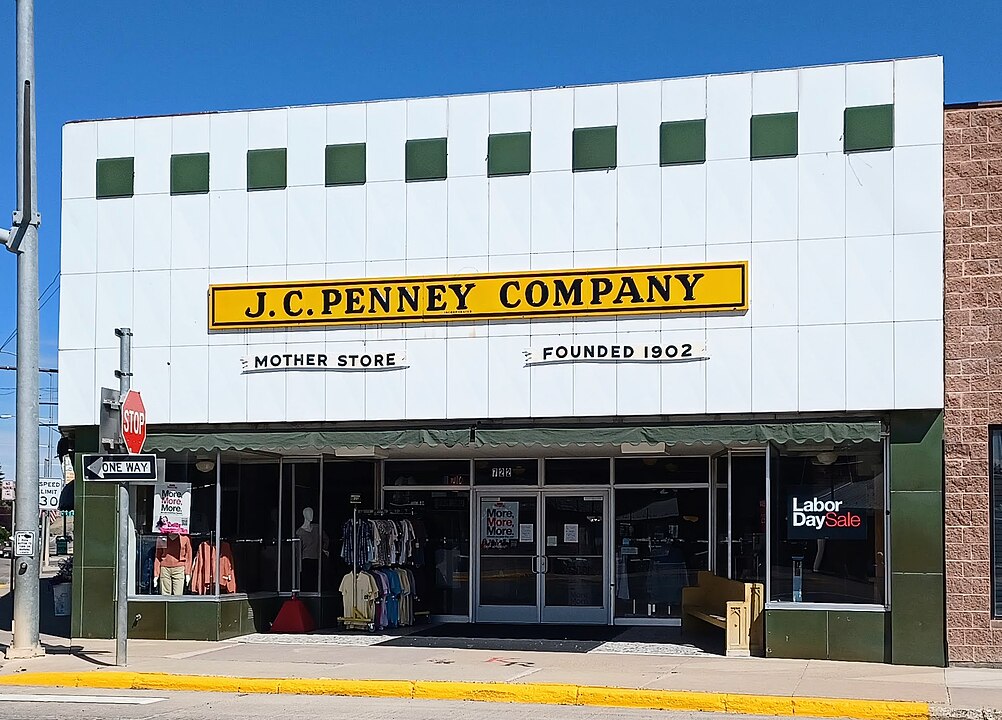
JCPenney’s long retreat continues in smaller but steady waves. The company has confirmed closures at eight additional mall locations in 2025, stretching from California and Colorado to Maryland, North Carolina, New Hampshire, and West Virginia, as leases end and sales lag. Each departure leaves another empty anchor box where families once bought school clothes, winter coats, and towels in a single errand, and where some malls now scramble to find non retail replacements.
Dillard’s
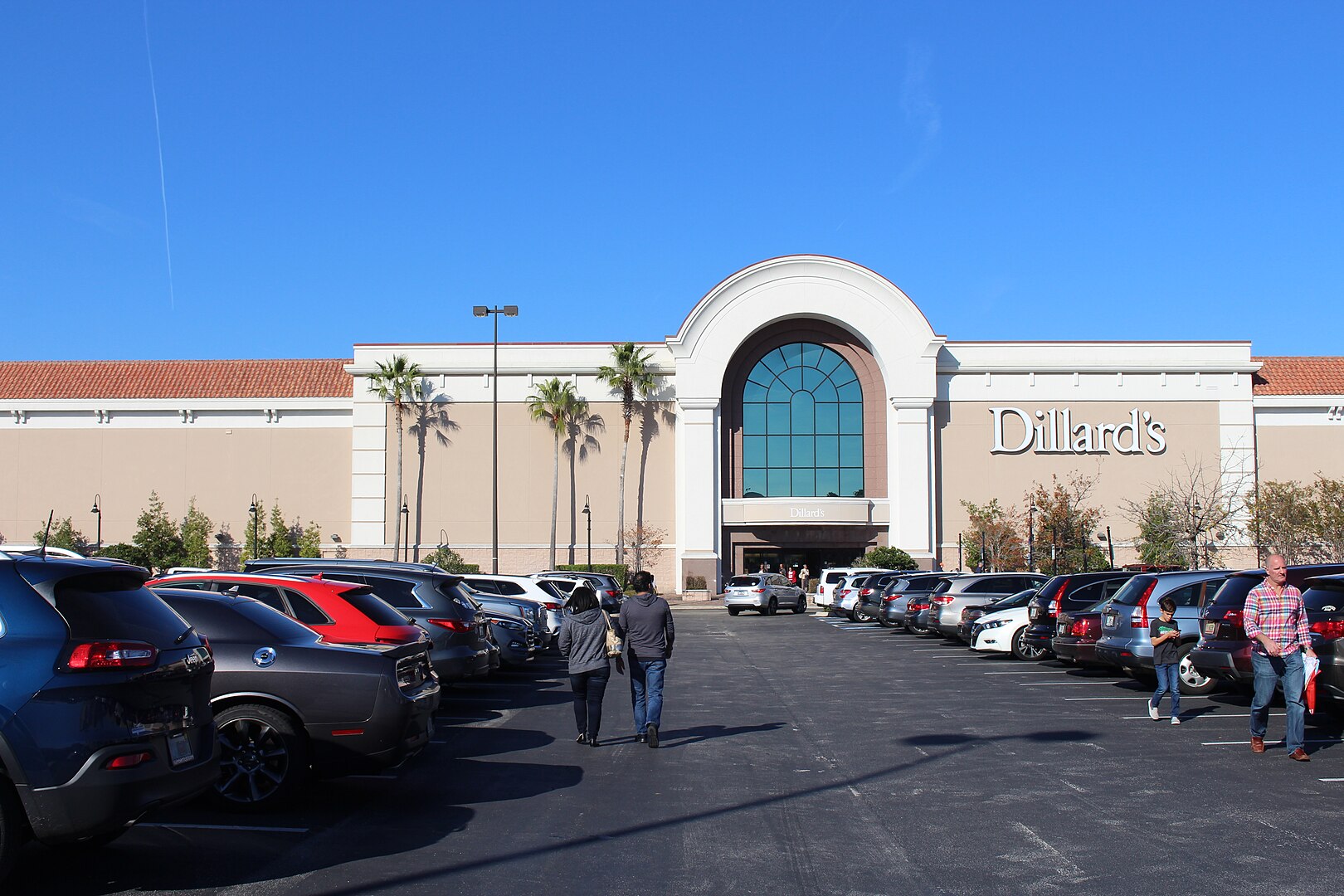
Dillard’s has weathered the retail shakeout better than many peers, but it is not immune to pruning. In North Texas, the long running Dillard’s at The Shops at Willow Bend in Plano is scheduled to close in Jan. 2026, with more than 90 layoffs tied to a major redevelopment of the mall into a mixed use district. The chain still bets on stronger Sun Belt centers, yet even there, weaker properties are being traded for denser, experience heavy projects.
Saks Off 5th
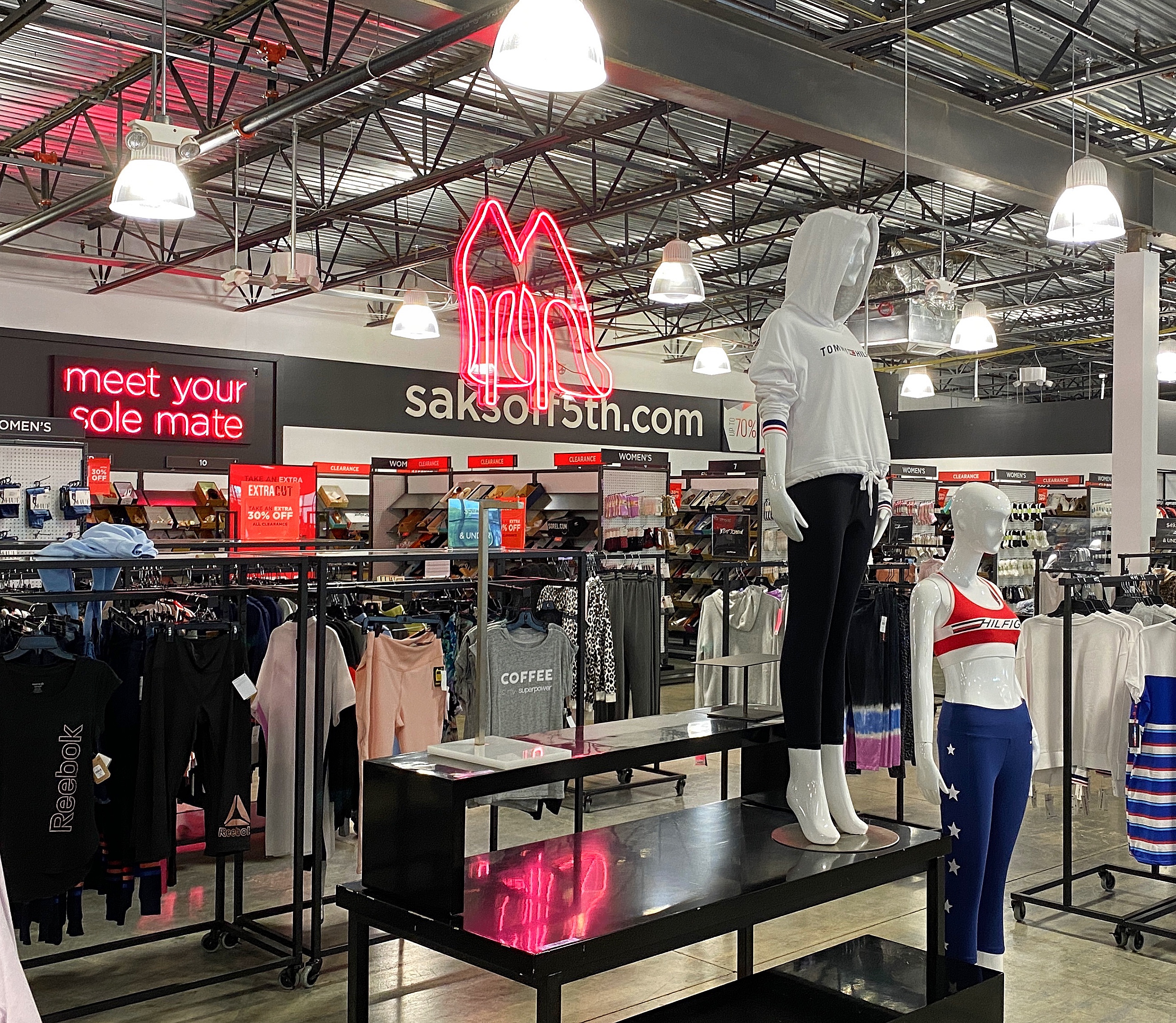
Saks Off 5th, the off price sibling of Saks Fifth Avenue, is heading into 2026 with fewer doors. Saks Global has confirmed plans to close nine Off 5th stores across the United States starting in Jan. 2026, after already exiting some markets earlier in 2025. Locations in cities such as Austin, Chicago, and Washington, D.C., will lose a key discount draw, even as the brand leans on a tighter fleet and online deals to keep bargain hunters in its orbit.
Sears
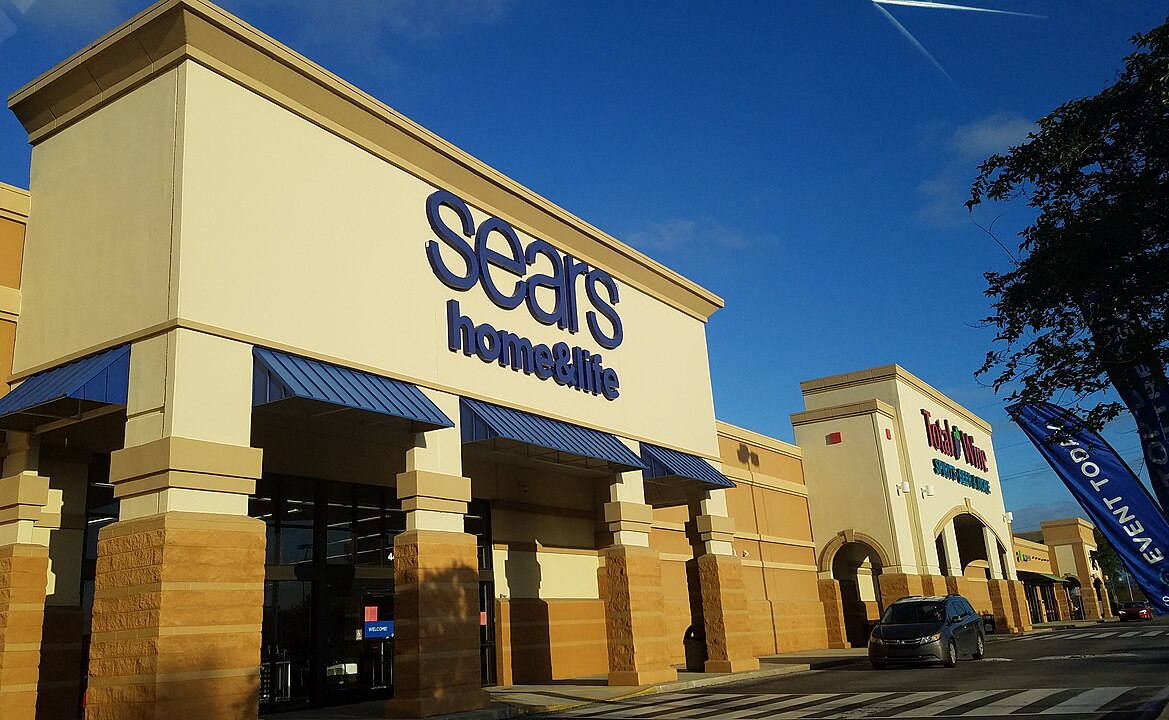
Sears now feels more like a ghost of the old mall era than an active chain. Industry trackers and company disclosures suggest that by mid 2025 the brand is down to only a small handful of full line stores, with a CoStar analysis naming sites in California, Florida, Massachusetts, Texas, and Puerto Rico as some of the last outposts. As 2026 approaches, each additional closure is less a shock and more a quiet closing chapter on a onetime retail giant.
Belk
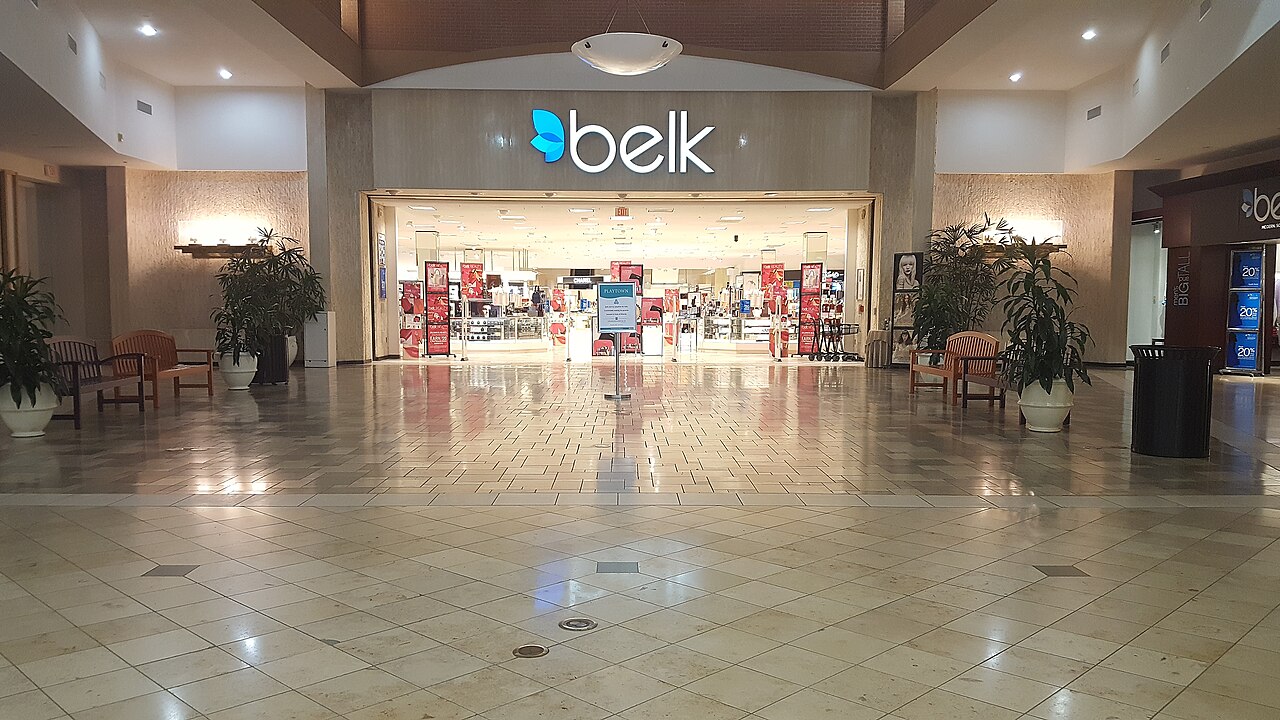
Belk remains a key regional name across the Southeast, yet it has been closing weaker stores and facilities as it manages debt and a shifting fulfillment model. A Kennesaw, Georgia, store shut in early 2025 after a clearance sale, and the company has also announced the closure of at least one distribution center with hundreds of layoffs. Those steps hint at a chain that will keep trimming around the edges into 2026, focusing on healthier suburban hubs.
Nordstrom
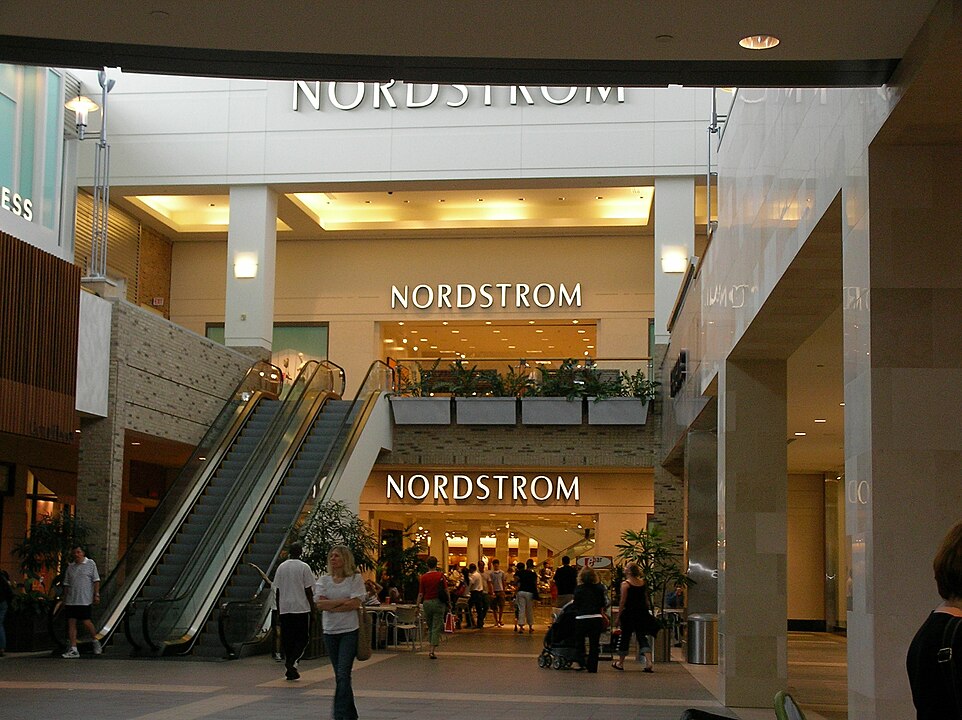
Nordstrom has long framed itself as a service focused alternative to traditional anchors, but even it is pulling back in some markets. In summer 2025, the retailer confirmed that two department stores, one in Santa Monica, California, and one at the Saint Louis Galleria, will close by late August. Nordstrom continues to double down on top tier flagships and its Rack off price chain, leaving some downtowns and malls without an upscale draw.
Neiman Marcus
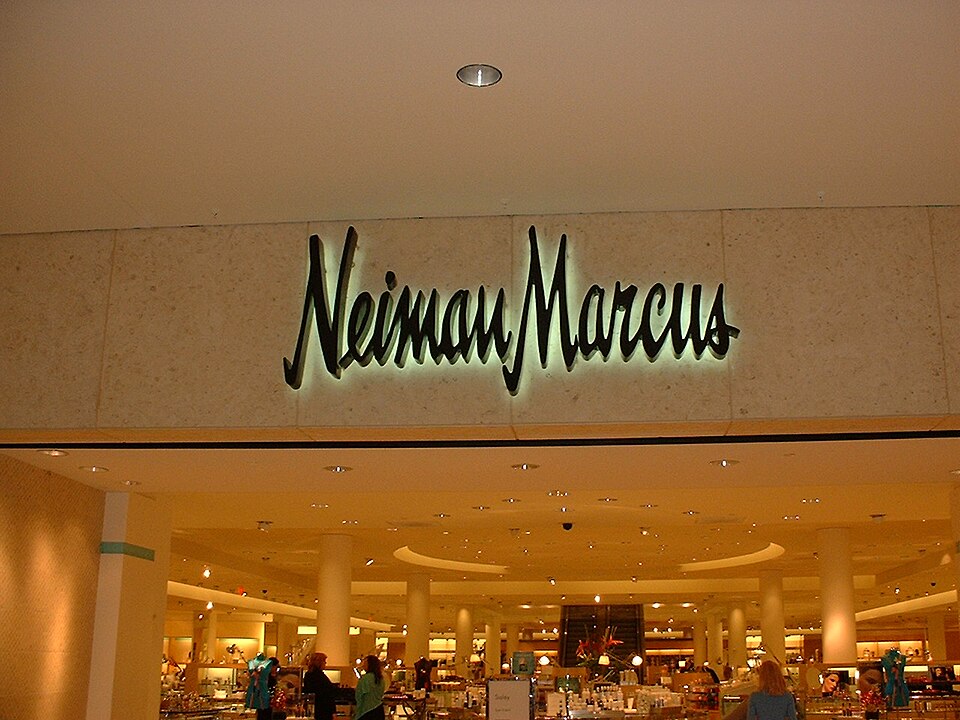
Neiman Marcus, now under the Saks Global umbrella, is also reshaping its physical presence. The company announced that its historic flagship in downtown Dallas would close on March 31, 2025, after more than a century, citing a long running dispute with the building’s landlord and a shift toward newer locations such as NorthPark Center. By 2026, the closure stands as a symbolic moment in luxury’s move away from older central business districts.
Saks Fifth Avenue
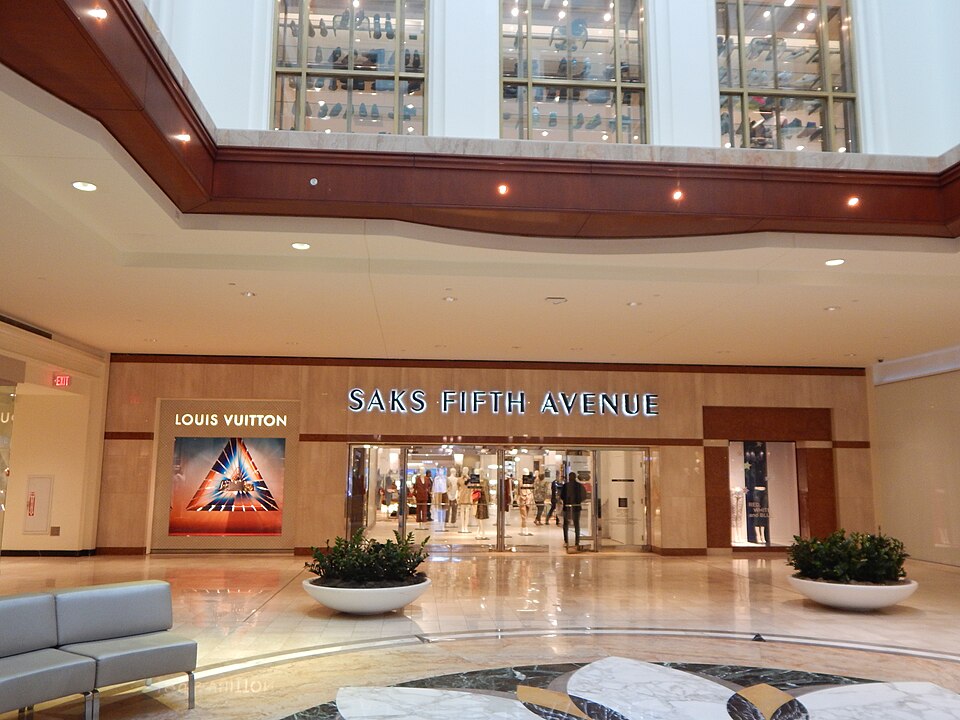
Saks Fifth Avenue itself is not rolling out mass closures, but its owner is under pressure to streamline. Saks Global has pursued a sizable cost reduction plan, cut corporate jobs, restructured debt, and even explored selling a minority stake in Bergdorf Goodman to reduce leverage. Those moves suggest a more cautious approach to store investments into 2026, with capital aimed at a smaller number of high impact flagships and digital clientele programs.
Galeries Lafayette
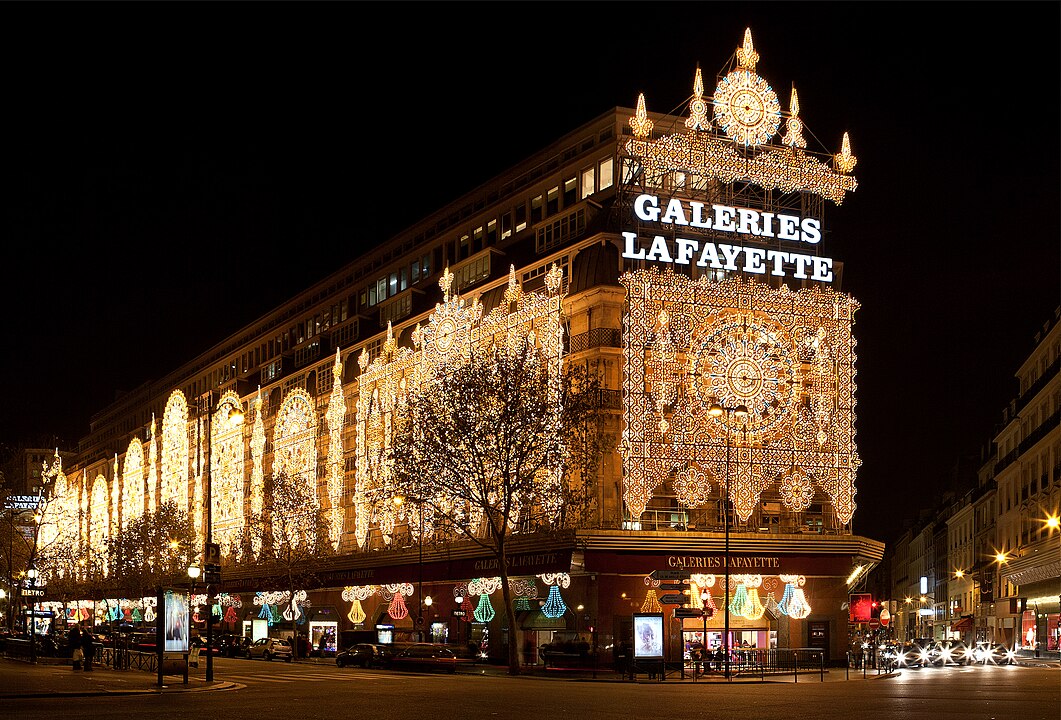
In France, Galeries Lafayette is pulling back from part of its historic network. The company announced in early 2025 that it plans to close its two Marseille department stores, at Centre Bourse and Prado, by the end of the year, citing recurring losses and a misfit with its luxury positioning. As 2026 begins, regional shoppers who once relied on those domed spaces will have to travel farther, or shift to digital, for the same brands.
Harrods
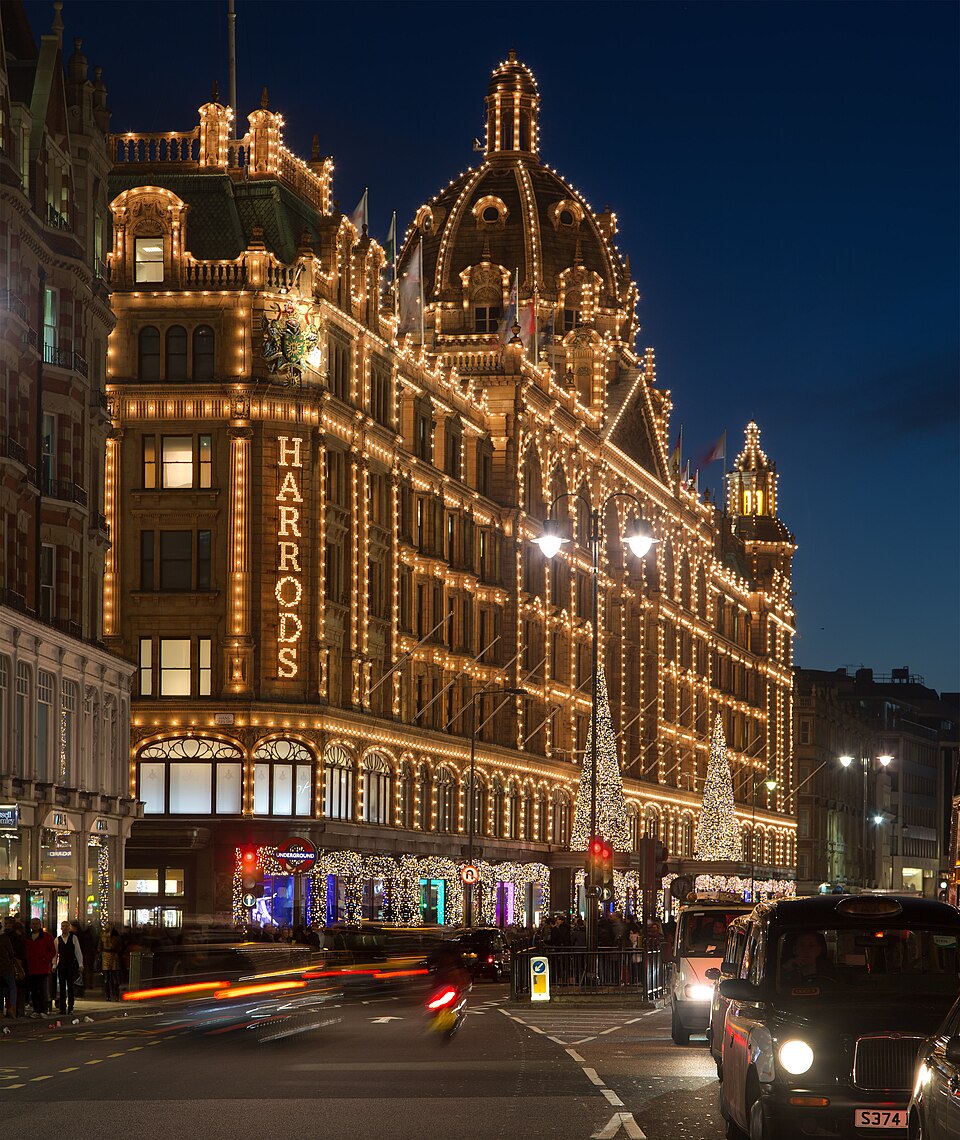
Harrods remains a powerful draw in London, but it is stepping back from an ambitious overseas bet. In late 2025, the retailer confirmed it will withdraw from its hospitality and lifestyle complex in Shanghai by January 2026, closing The Residence private members club and its Tea Rooms at HKRI Taikoo Hui. The move underscores how even elite department stores now pick their physical projects carefully, mindful of costs and fast shifting local demand.