Along the length of California, the San Andreas Fault runs beside suburbs, orchards, and ports that rarely think about what sits underfoot. Scientists know it has produced truly great earthquakes in the past, and the quieter it stays, the more energy can build along its locked segments. No single event would swallow cities whole, but a full length rupture could shake water lines, freeways, and power grids all at once, leaving entire regions to rebuild while the ground is still settling.
El Centro and the Imperial Valley
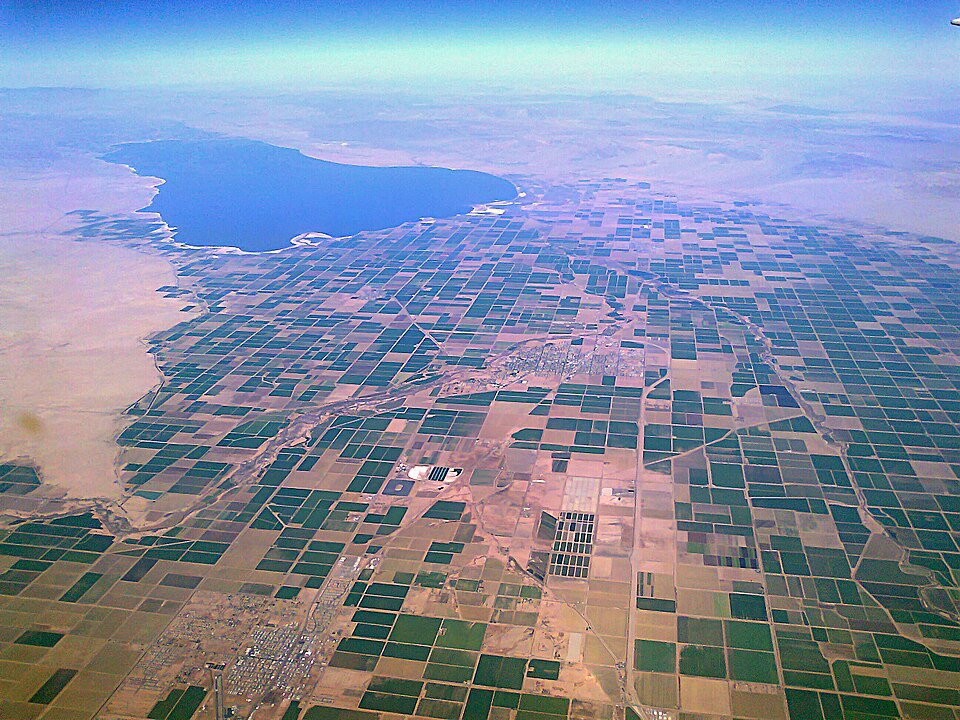
At the southeastern edge of California, El Centro and the Imperial Valley sit close to the place where plates grind and stretch. A full rupture racing along the southern San Andreas could tear irrigation canals, buckle farm roads, and damage the systems that turn desert into one of the most productive vegetable regions in the country. Low sprawl helps with collapse risk, but older masonry, mobile homes, and heat would make recovery especially brutal.
Palm Springs and the Coachella Valley
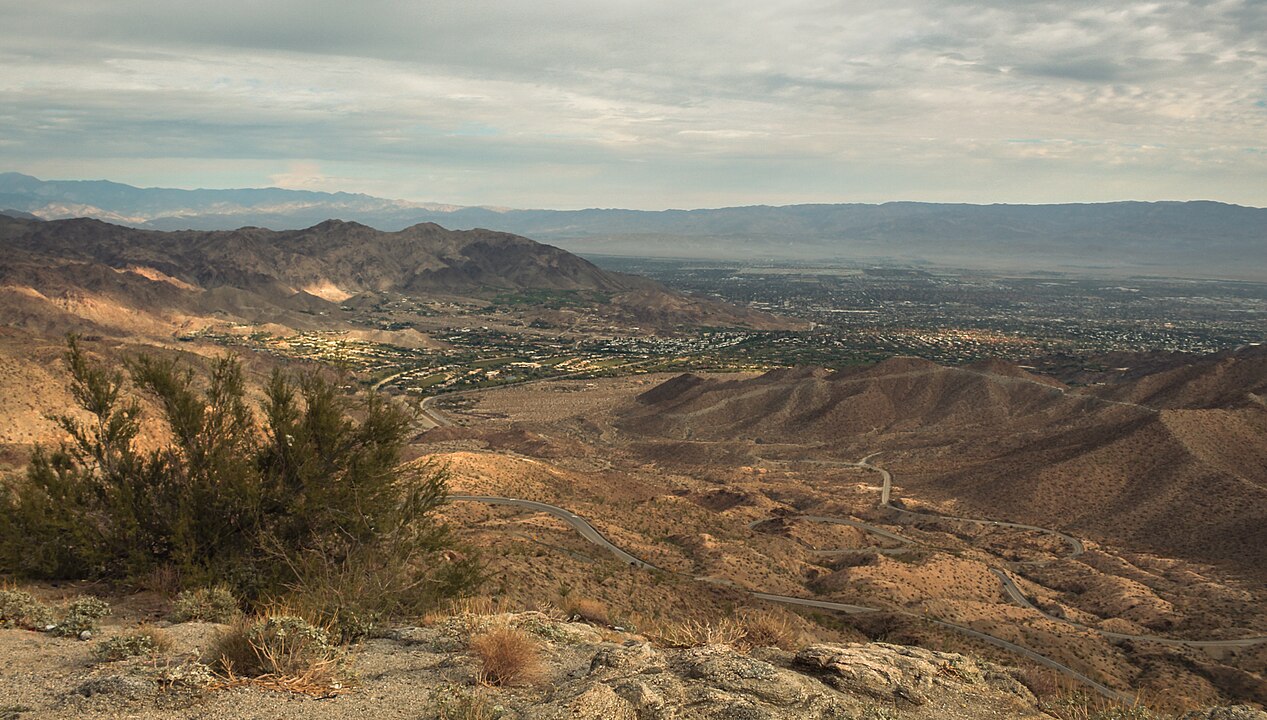
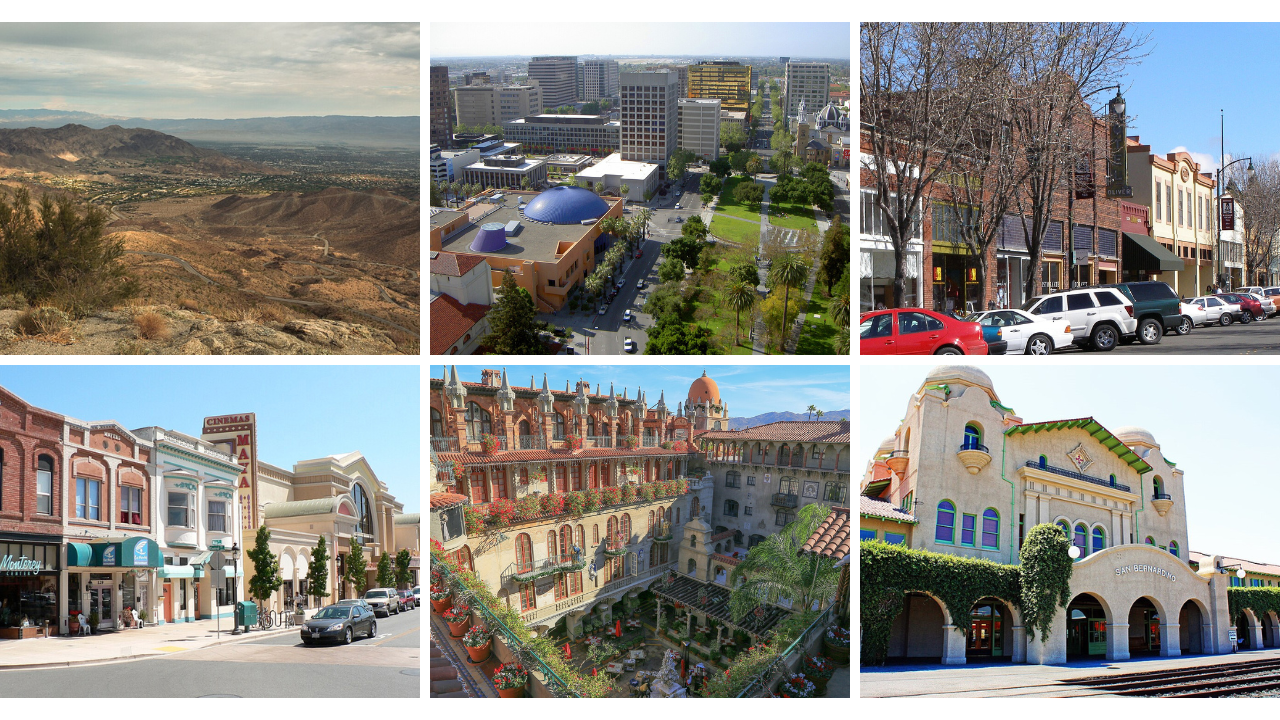
Palm Springs and its neighboring towns line a valley that almost traces the fault itself. Here, luxury resorts and midcentury bungalows share space with trailer parks, tribal lands, and festival grounds that draw global crowds. A major rupture would bring violent shaking, rockfalls in surrounding canyons, and long disruptions to power, water, and gas pipelines that thread through narrow passes. The region could go from poolside calm to long, dusty repair lines in a single morning.
Riverside, California

Riverside feels like inland distance from the fault, yet its freeways, bridges, and aqueducts tie directly back to fault zones in the mountains. In a full rupture, strong waves would move through the basin, testing university buildings, historic downtown streets, and huge logistics centers that keep goods moving across the Inland Empire. Damage to river crossings, rail yards, and power corridors would not only hurt local neighborhoods. It would ripple through warehouses, shipping schedules, and paychecks far beyond city limits.
San Bernardino, California
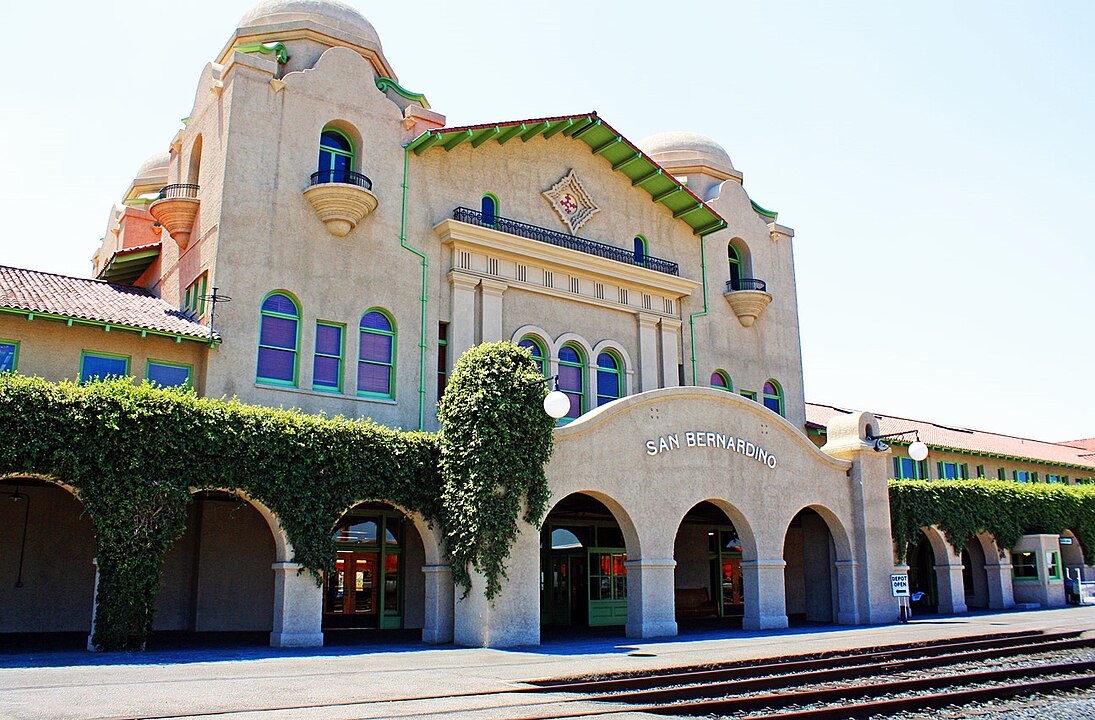
San Bernardino rests unsettlingly close to the trace of the San Andreas, where the mountains meet the basin floor. A great earthquake here would hit hospitals, schools, older strip malls, and dense residential blocks in the same long minute of shaking. Fire is an especially serious worry, because many neighborhoods combine wood framing, narrow streets, and hydrants tied to vulnerable mains. Clearing mountain passes and restoring links to other inland cities would decide how quickly help truly arrives.
Los Angeles, California
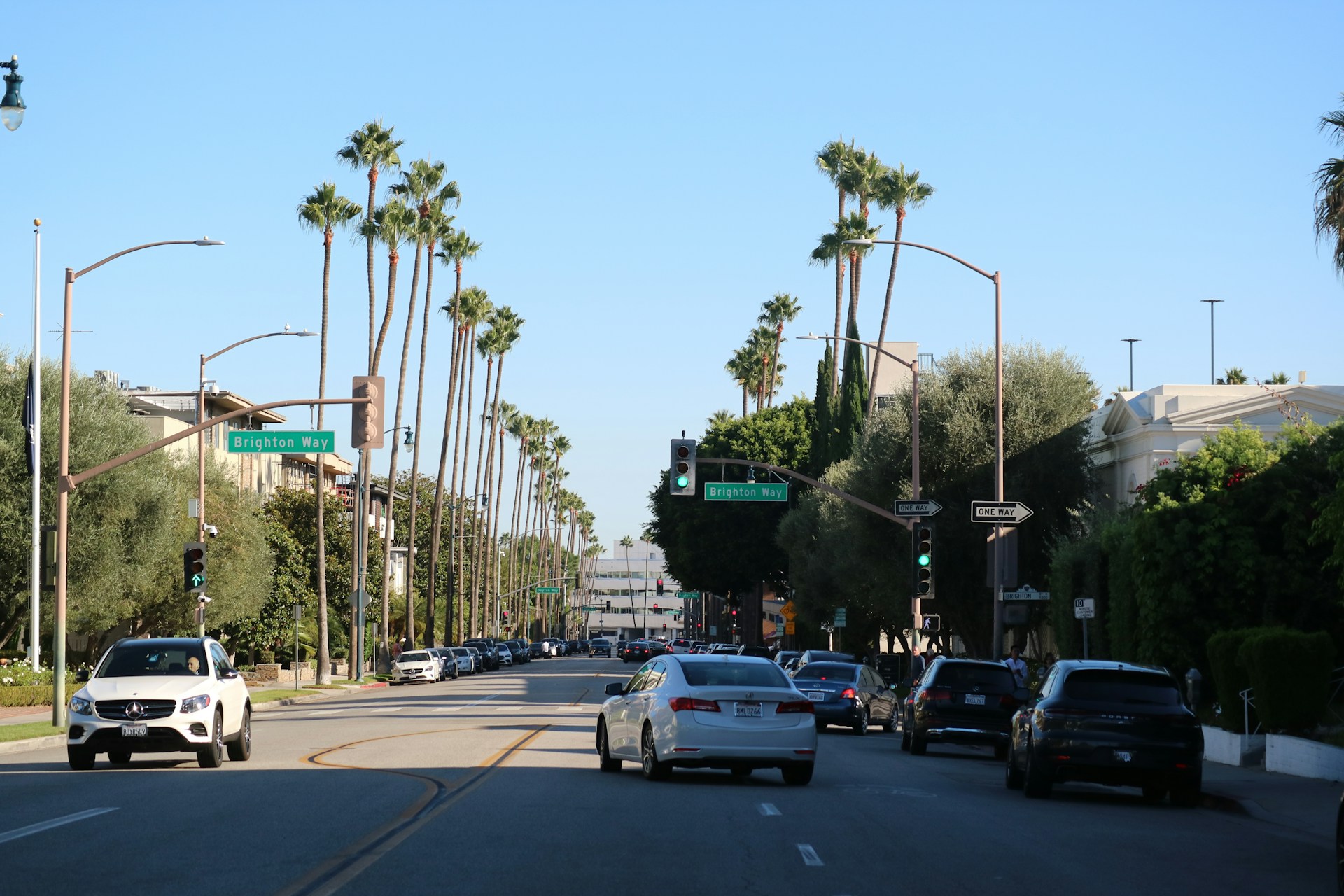
Los Angeles does not sit directly on the fault, yet it lies over a deep sediment filled basin that can trap and amplify shaking. In a full rupture to the north and east, long period waves could rock high rises, freeway interchanges, and port facilities for far longer than most people imagine. Aqueducts that cross faults would be at risk, along with gas lines, refineries, and sprawling apartment blocks. Even if most buildings stand, extended power cuts and water shortages could push millions into a slow, uneven recovery.
Bakersfield, California
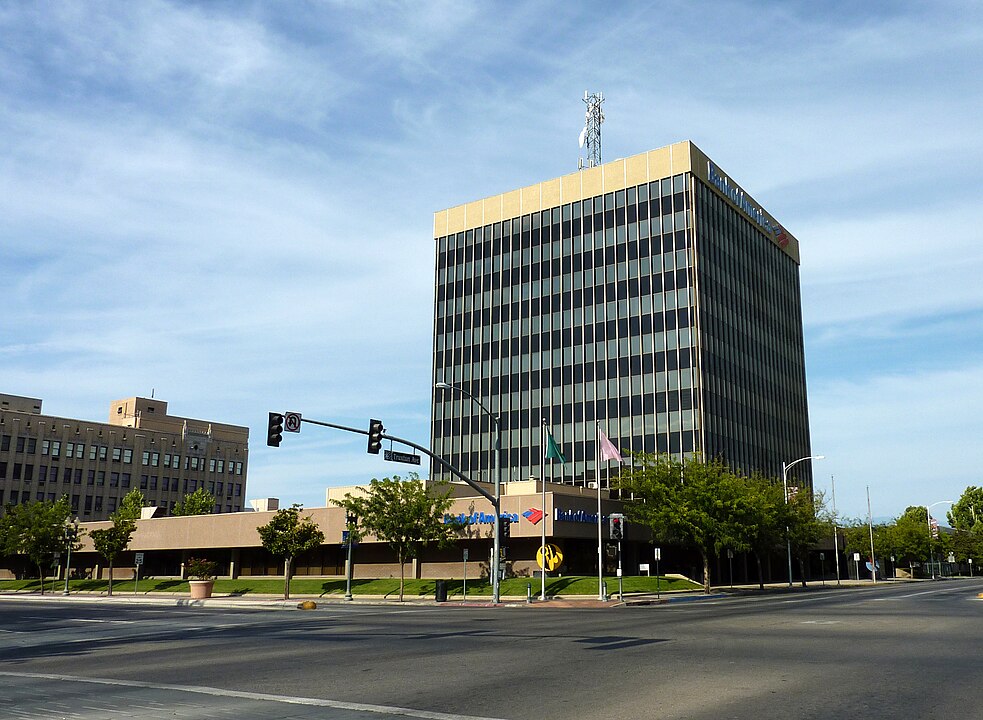
Bakersfield feels like farm and oil country rather than earthquake country, but soft valley soils remember every major shock. A maximum event on the southern and central segments of the San Andreas could send strong shaking into levees, tank farms, and food processing plants that anchor the local economy. Subdivisions built on deep sediments might experience amplified motion and pockets of liquefaction. If key bridges failed or canals cracked, the combined hit to agriculture, energy, and housing would be felt far beyond Kern County.
Santa Cruz, California
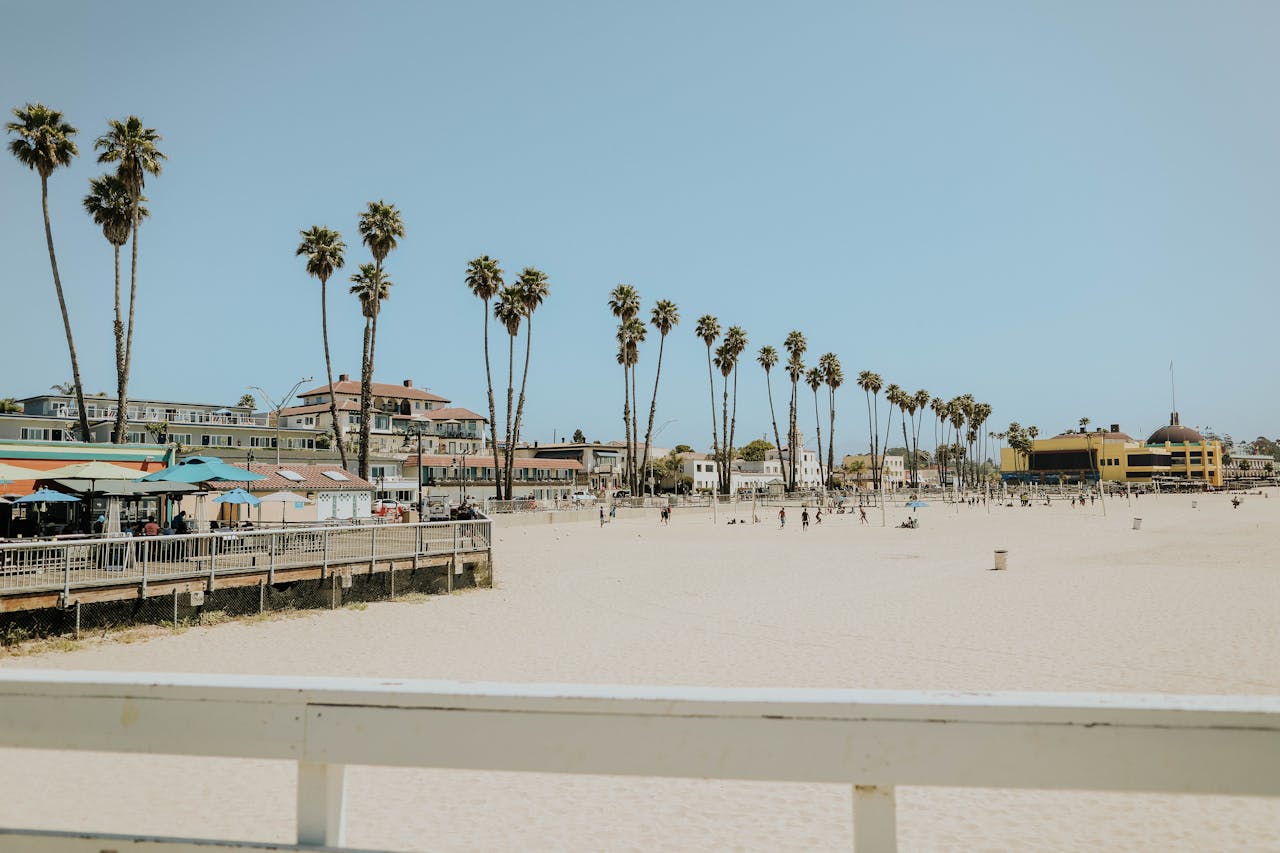
Santa Cruz carries living memory of the 1989 Loma Prieta quake, when shaking and building failures scarred downtown. A full length San Andreas rupture would again rattle its Victorian houses, hillside subdivisions, and crowded beachfront, this time with even more people and infrastructure in harm’s way. Landslides in the Santa Cruz Mountains could sever Highway 17 and damage water intakes, cutting the city off from Bay Area support. The same cliffs and forests that make the region beautiful would complicate rescue work.
Salinas, California
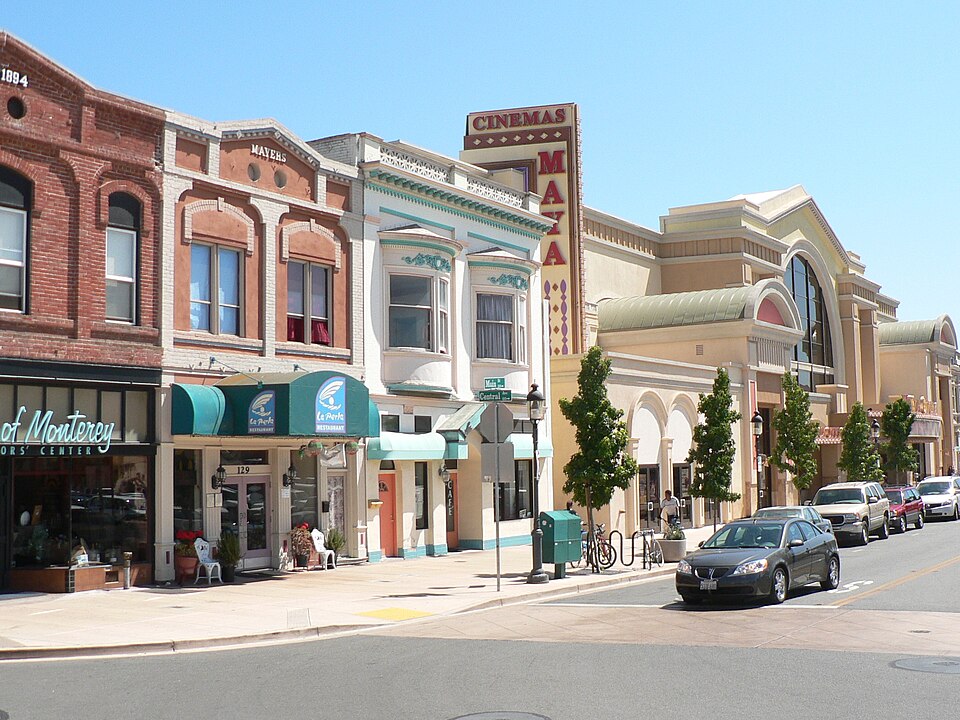
Salinas anchors a valley that runs roughly in step with the fault system along the coast ranges. Fields, packing sheds, and cold storage warehouses support a massive produce industry that depends on roads, power, and refrigeration staying steady. A large rupture would threaten bridges over the Salinas River, rural roads used by farmworkers, and older industrial buildings on softer ground. The damage would not only be physical. Delays in moving crops from field to port could send economic shock waves through grocery chains nationwide.
San Jose, California
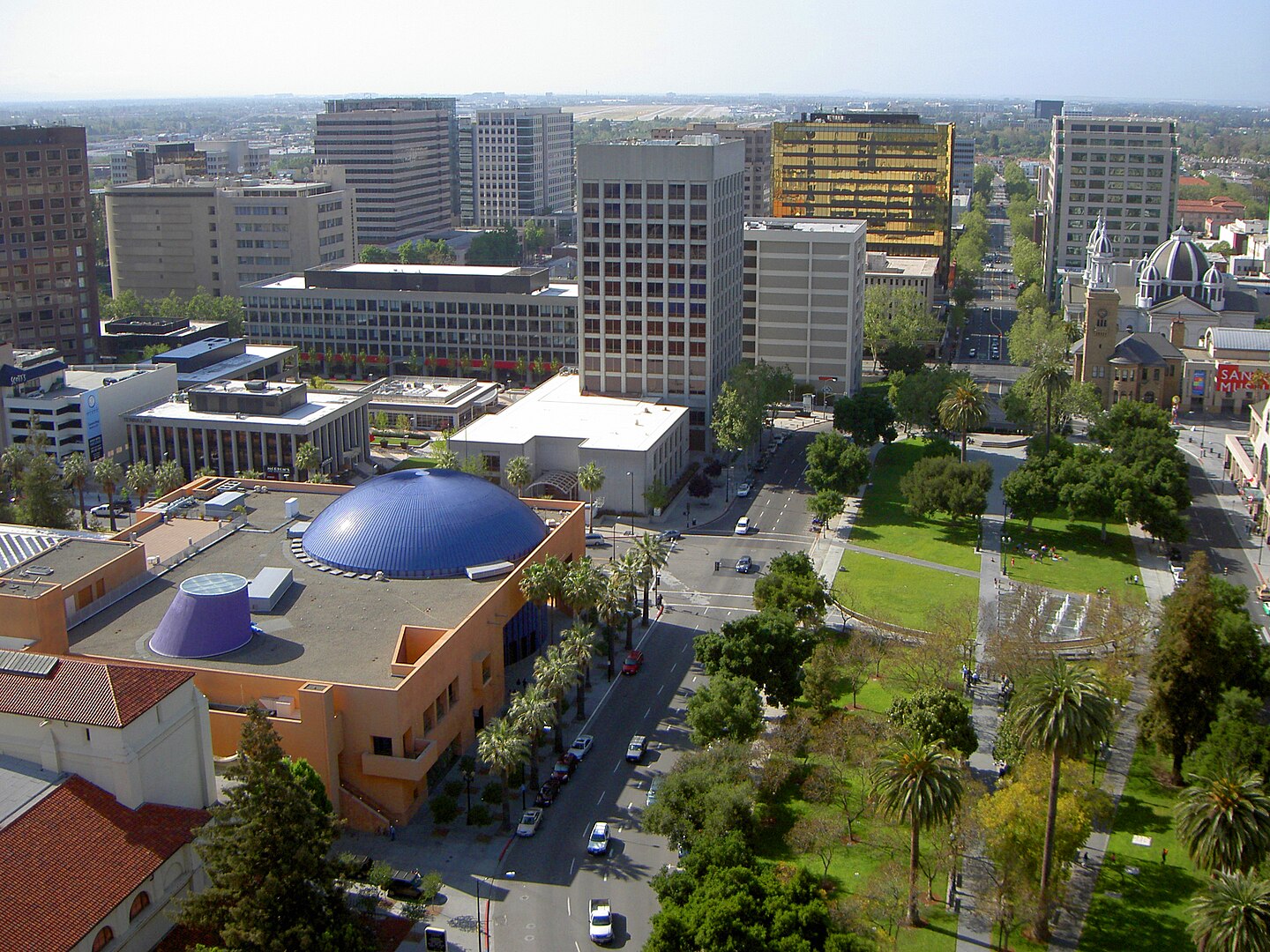
San Jose sits in a bowl ringed by multiple active faults, including a branch of the San Andreas just over the mountains. In a major event, strong shaking could hit tech campuses, data centers, and dense suburbs together, while landslides and collapsed overpasses squeeze routes into and out of the valley. Even where modern codes prevent full collapse, broken gas lines, fallen contents, and long power cuts would still be serious. Since so much digital traffic runs through local infrastructure, the impact could echo far beyond the Bay Area.
Oakland, California
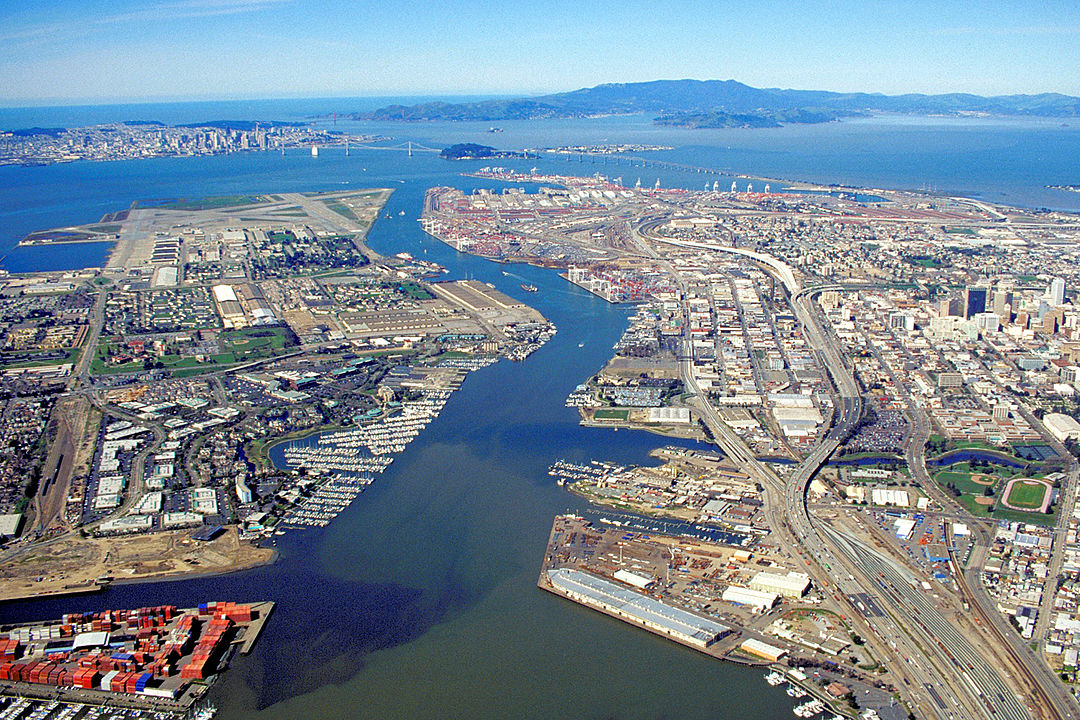
Oakland lives with its own fault directly beneath many neighborhoods, yet a great San Andreas rupture offshore and to the west would still matter. Long duration shaking could rattle port cranes, fuel terminals, and warehouse districts built on artificial fill that behaves poorly when saturated and shaken. Older apartment buildings and brick warehouses near the waterfront remain vulnerable despite retrofit efforts. If freeway connectors, container terminals, or transit tubes took heavy damage, the East Bay could face a long period of isolation and expensive rerouting.
San Francisco, California
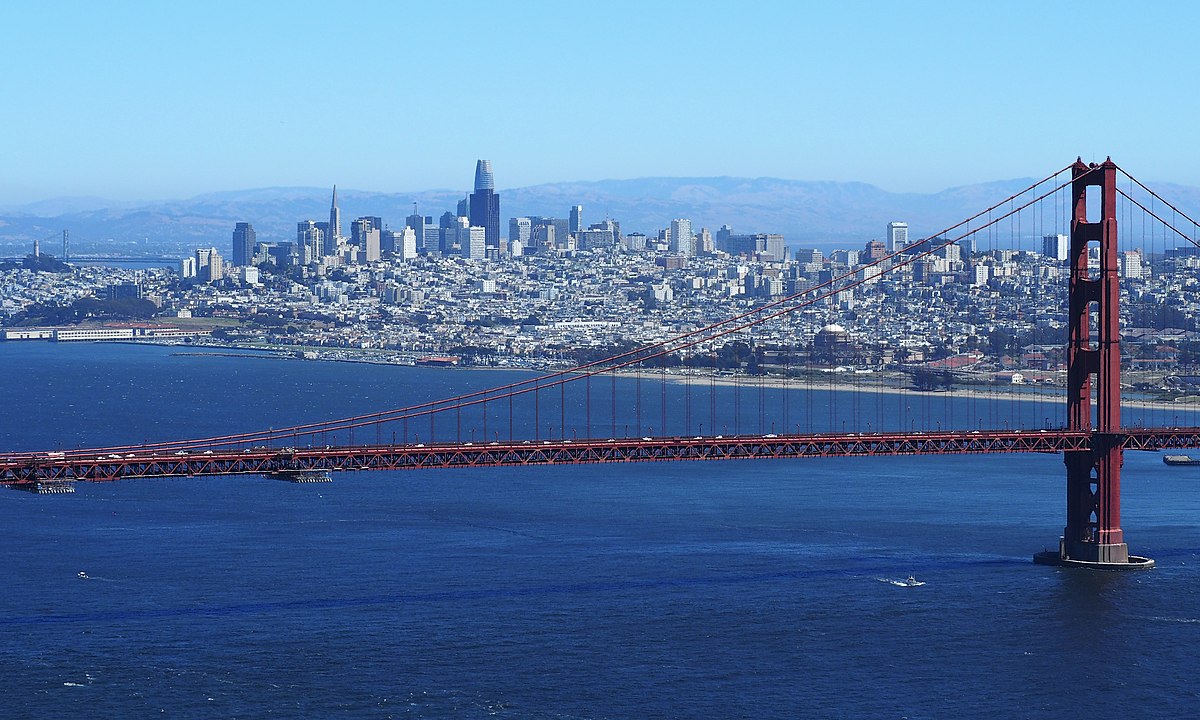
San Francisco carries more than a century of stories about the 1906 earthquake and the fires that followed. A modern full length rupture along the San Andreas would again test its high rises, iconic hills, and seaside neighborhoods built on old marsh and fill. Many buildings have been strengthened, yet thousands of soft story structures and aging pipes remain. Fire following quake still stands out as the most dangerous risk, especially if broken mains leave firefighters with limited water at exactly the wrong moment.
Santa Rosa, California
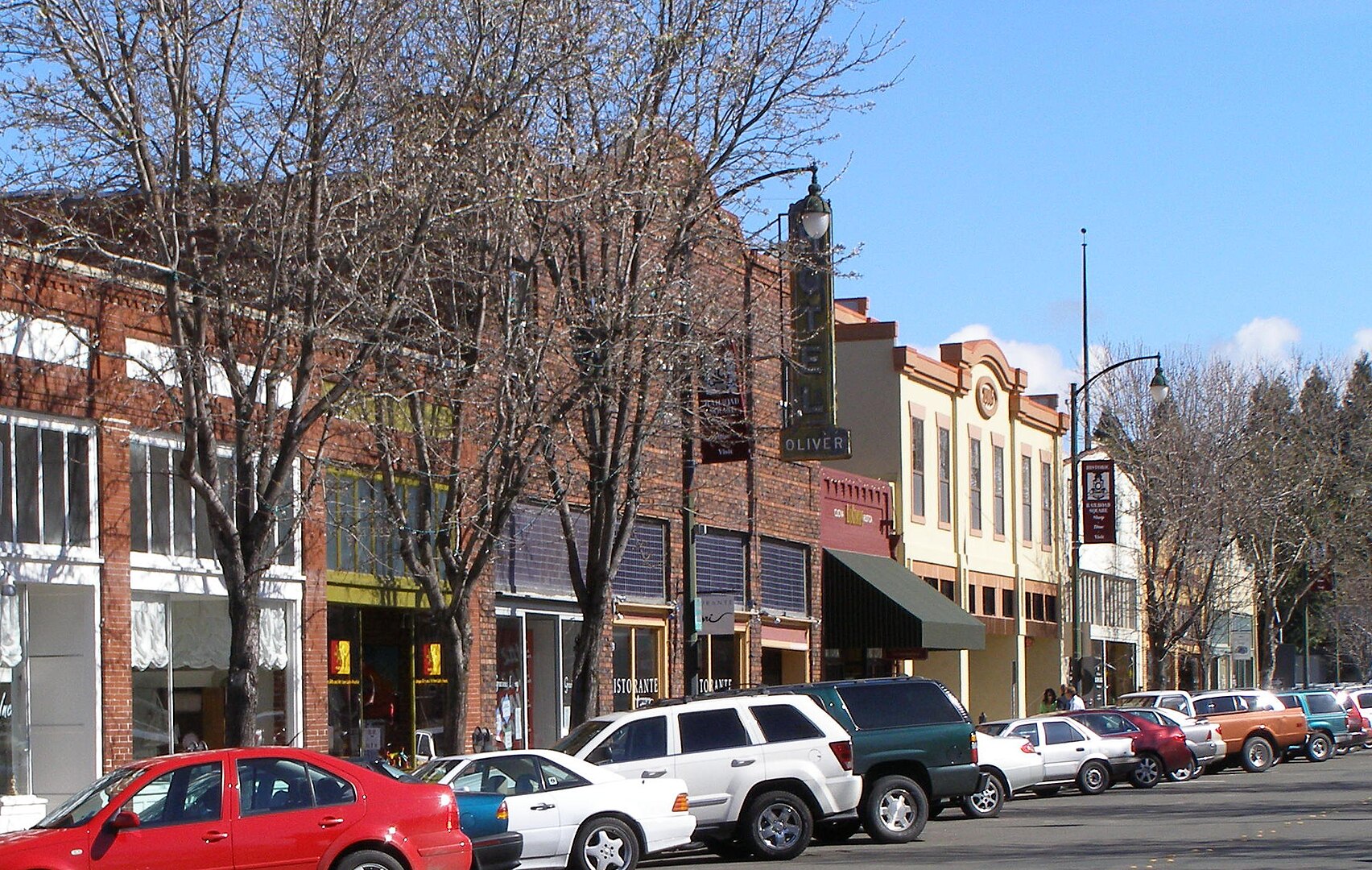
Santa Rosa has already seen how hazards can stack, from early twentieth century quakes that wrecked downtown to recent wildfires that leveled suburbs. A great rupture on the nearby coastal segment of the San Andreas would send hard shaking into wine country infrastructure, medical centers, and neighborhoods that house many older residents. Landslides in surrounding hills could block roads just when they are most needed. Recovery would mean juggling damaged homes, stressed hospitals, and disrupted tourism in a region that leans heavily on visitors.