Houses speak in hints long before they fail. A faint stain grows after rain, a chalky film blooms on brick, a fan leaves a soft brown ring. Small glitches stack into bigger costs when humidity, temperature, and water pressure drift out of balance. The aim is calm attention, not panic. Patterns matter more than one offs, and a short inspection often protects framing, wiring, and air quality. Quiet fixes, made early and done well, keep walls dry, bills steady, and rooms comfortable.
Damaged Plumbing Vent Boots

Plumbing vent boots are meant to seal around roof pipes so water rides shingles, not the pipe itself, into the house. Cracked plastic, split seams, or a rubber collar that has dried out turns a harmless rain into a traveling leak. Drips often show up far from the roof, which is why this clue hides in plain sight. Fresh fasteners with rubber washers and a snug new boot restore the barrier, keep insulation dry, and stop stains before they form.
Ceiling Stains
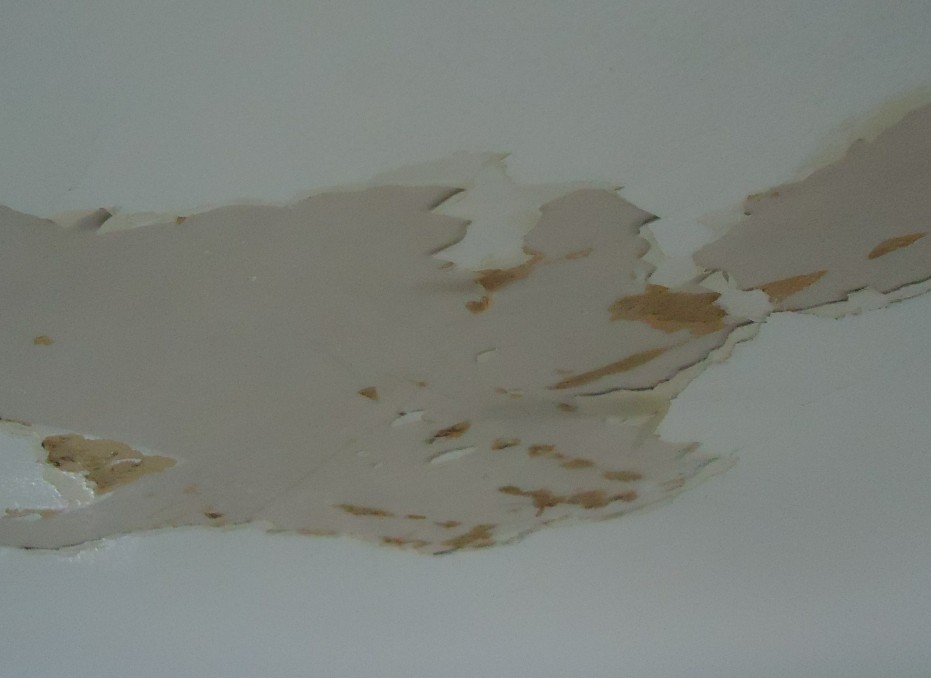
Tea colored halos across ceilings or slow streaks down walls usually trace back to a roof, flashing, or vent issue. Even a pinhole leak can soak insulation, feed mold, and warp drywall for months before a drip appears. The mark is only the messenger. The source often lives above, where lifted shingles, tired caulk, or loose flashing invite water to track along wood grain. Left alone, small rings become soft panels, sagging seams, and a repair that spreads room to room.
Shiners In The Attic
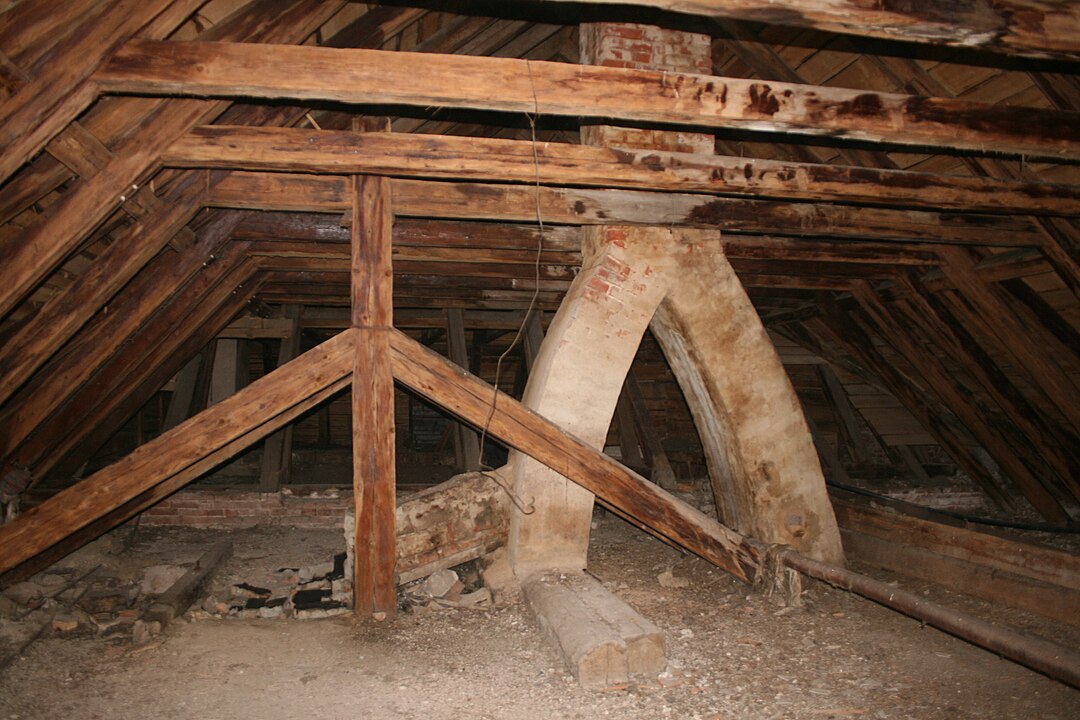
A shiner is a roofing nail that missed a rafter and now hangs in open air. On cold nights, warm interior moisture condenses on the cold metal. Frost forms, melts with daytime warmth, then repeats, sprinkling small damp spots onto insulation. It looks like a roof leak, but the fix is different. Clipping the nails and improving bath and kitchen ventilation breaks the cycle. The clue reveals moisture balance, not just roofing condition, and saves time chasing the wrong patch.
Damaged Or Punctured Shingles
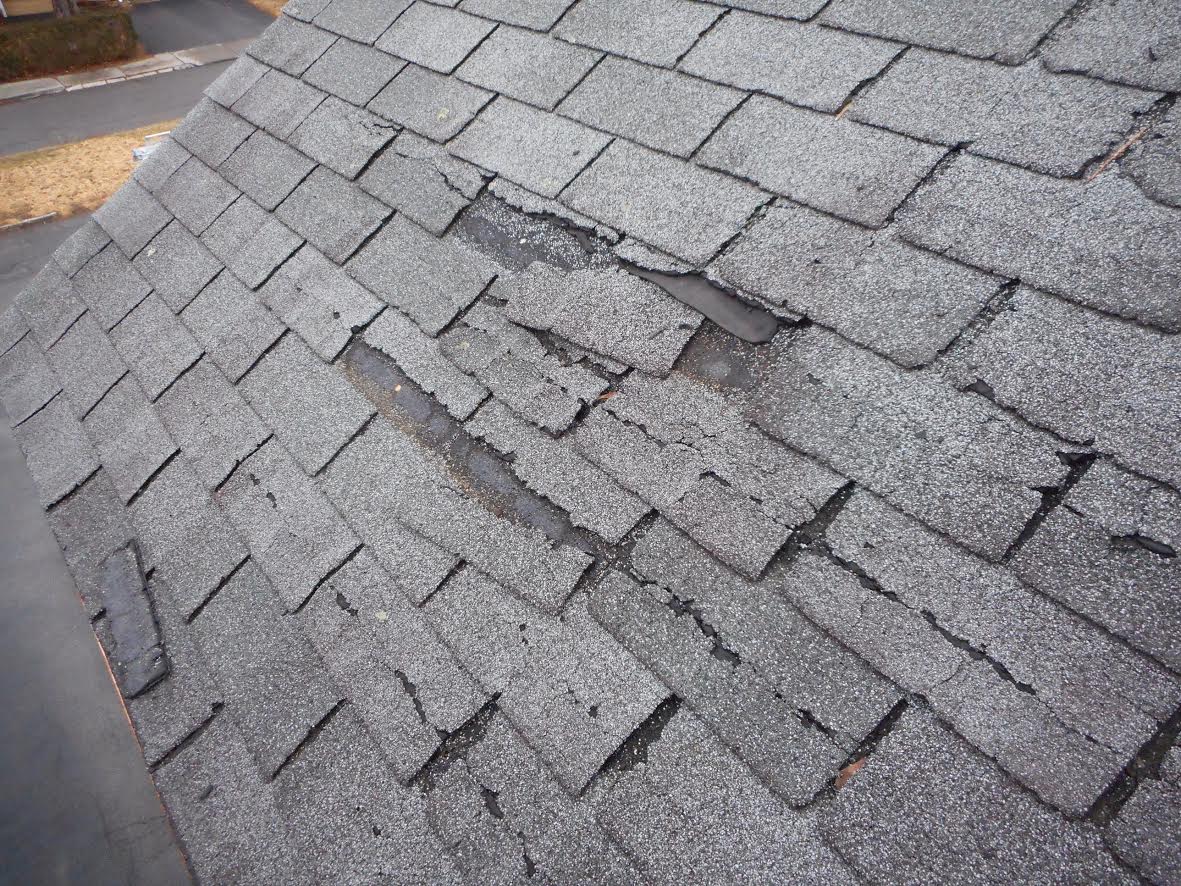
Broken tabs, curled edges, or tiny holes from old mounts create quiet paths for water. UV exposure then chews at exposed asphalt, sheds granules, and softens the roof deck below. Indoors, the first sign may be a musty smell after storms rather than a bold stain. Small punctures do not want blobs of caulk. Proper patches use flashing or matched shingles that restore layers and shed water cleanly. Surface armor preserved early prevents rot between joists.
Dirty, Clogged Soffits
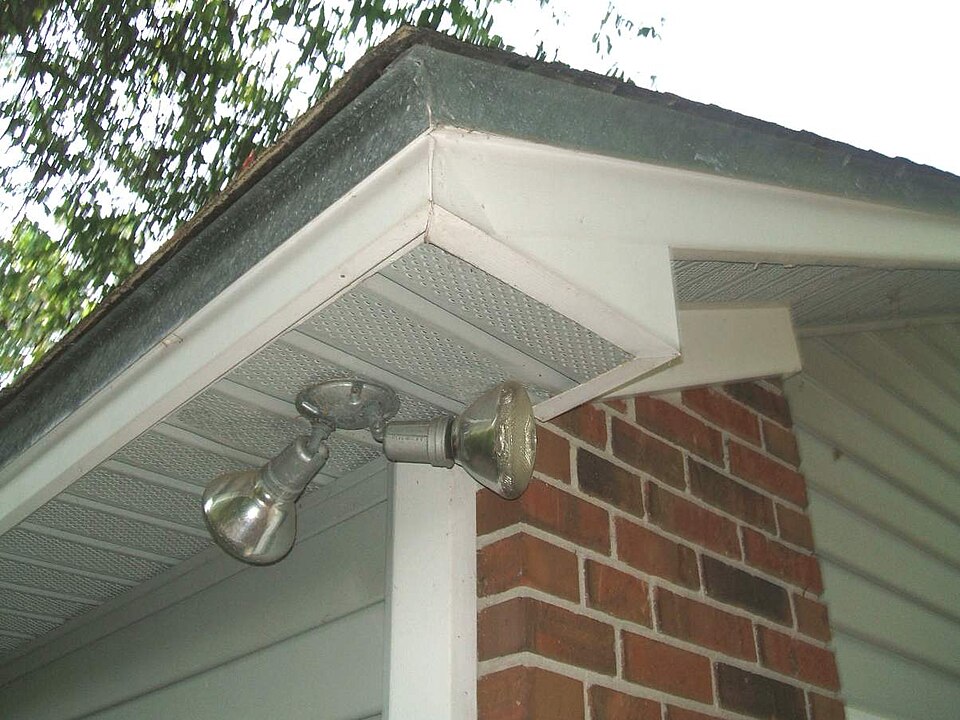
Soffit vents pull in outside air so warm attic air can exit at the ridge. When paint, dust, or nests block those openings, heat and humidity rise. In summer the attic bakes shingles from below. In winter frost blooms on rafters and melts into insulation. A sweet, damp odor near the hatch often points to this choke point. Clearing vents and keeping foam baffles open between rafters restores steady airflow, protects the roof, and smooths seasonal energy swings.
Mold On Exterior Walls
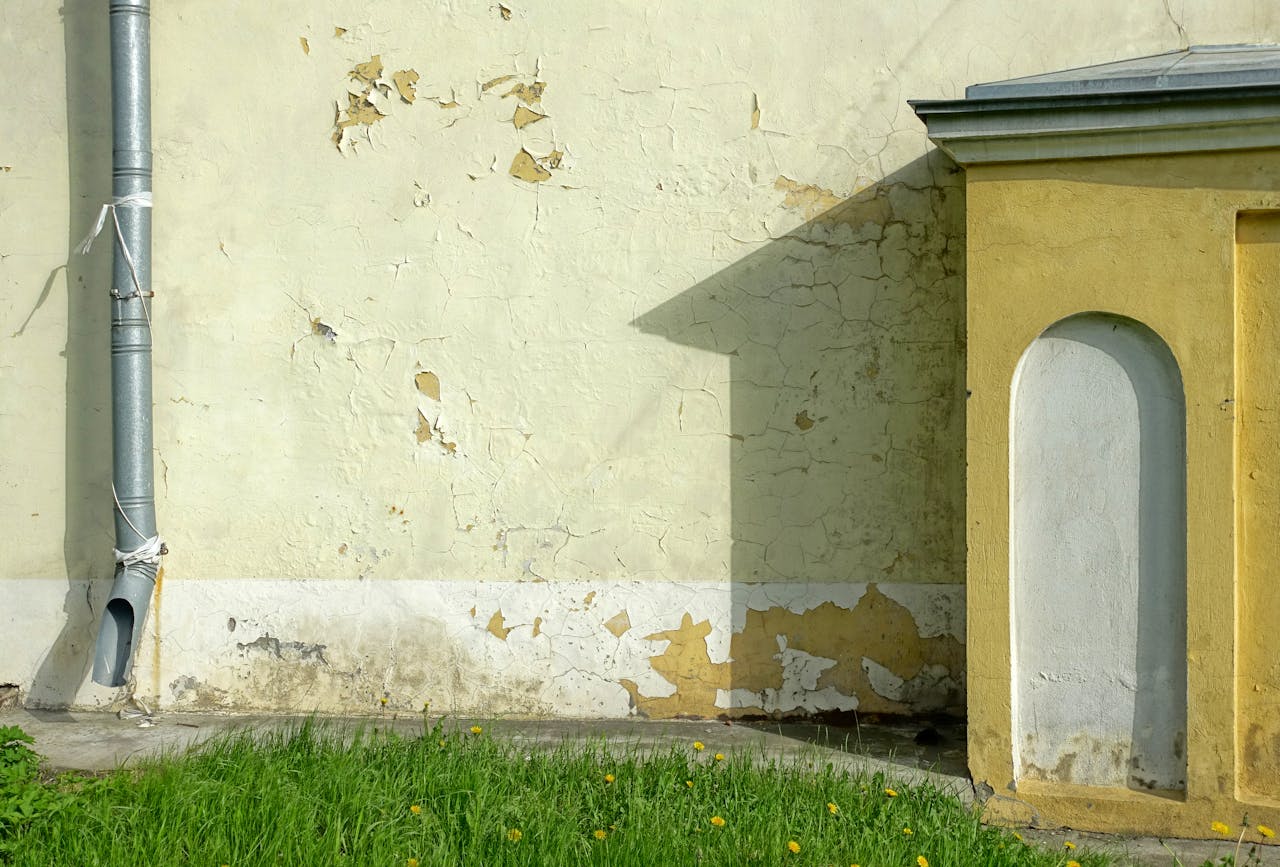
Mold on shaded siding can be simple surface growth, but persistent patches near corners hint at misdirected water. Downspouts that dump at the foundation or grading that tilts toward the house feed the cycle. Inside, matching musty smells or peeling paint suggest moisture traveling through the wall. Correct slopes, extended leaders, and clean gutters change the map of water around the house. When runoff leaves quickly, walls dry quickly, and spores lose their comfortable home.
Hail Bruising On Shingles
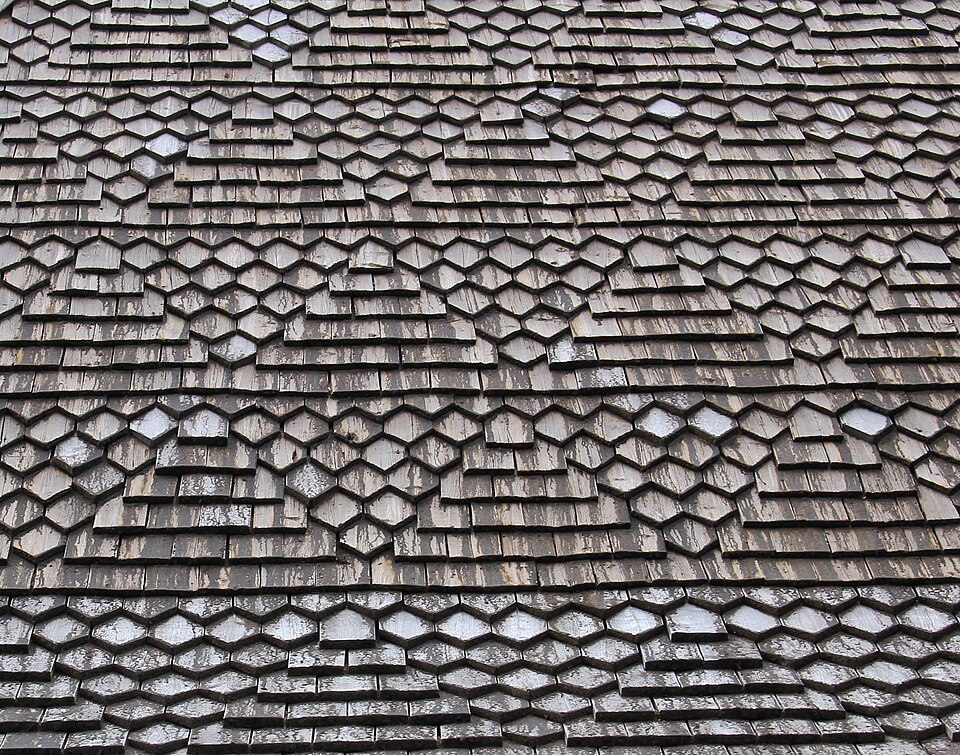
Large hail does not always leave obvious holes. More often it knocks off protective granules and bruises the asphalt mat. The shingle then ages unevenly, sheds more granules in rings, and reveals dark scars that widen with sun. Leaks may not appear for months, which makes this easy to miss after a storm. Close up checks and gentle hand tests find soft spots. Timely replacement of damaged courses stops a quiet countdown toward rot and interior repair.
Stain Around A Bathroom Fan
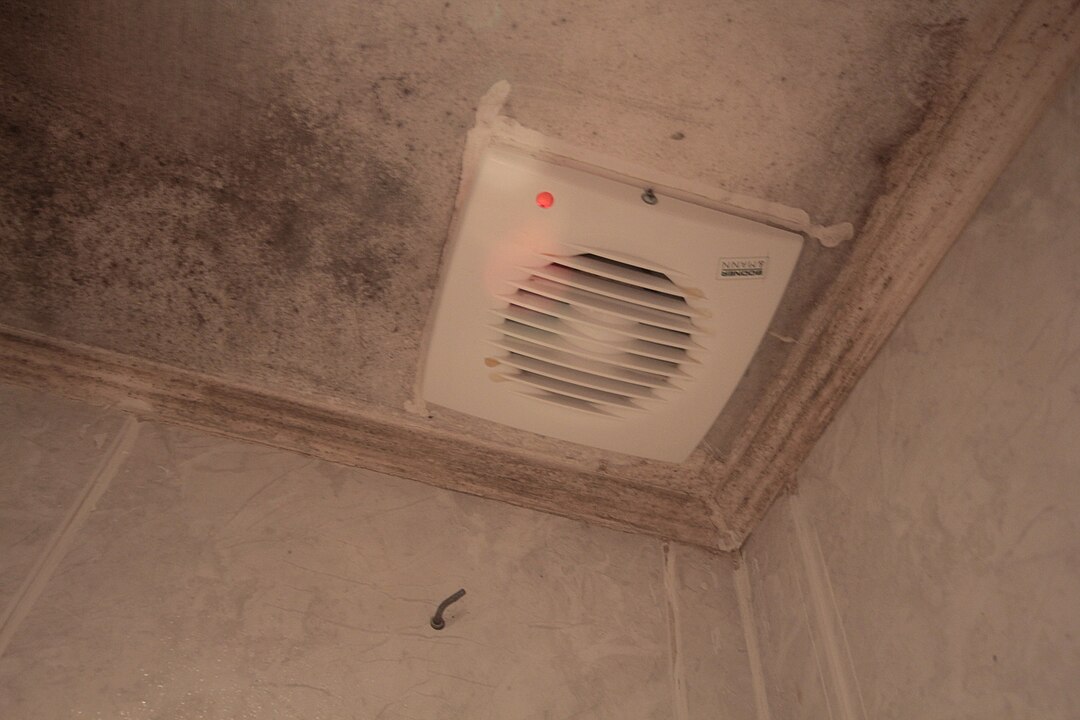
A brown ring near a bath fan points to condensation inside the duct more often than a roof breach. Warm, moist air hits a cold pipe in winter, condenses, and trickles back into the grille. The attic wood around that run darkens, insulation mats down, and the fan motor ages early. A short, insulated, and properly vented duct to the exterior changes the physics. Stronger fans with timers clear steam quickly, keeping ceilings crisp and framing dry.
Efflorescence On Chimney Brick

A white powder or crust on brick is mineral salt left behind by moving moisture. Light dusting is common. Heavy, repeating blooms warn that water is traveling through masonry, freezing, and slowly prying it apart. Missing caps, cracked crowns, or failed liners pull rain and exhaust into the stack. Beyond brick damage, a bad liner can leak combustion gases indoors. The chalky film is a quiet flag with sharp edges, worth a careful look and a prompt repair.
Decking Built Flush To A Door

A deck that meets a door threshold gives rain an easy bounce at joints and sills. Even perfect flashing tires under constant splashback. Water sneaks behind trim, swells subflooring, and blackens rim joists hidden from view. Inside, baseboards near the door wave, and flooring cups along the run. A small step down, proper slope away, and a break in cladding at the opening push water out and down. The detail is humble, the protection is real.
Water Meter That Never Stops

If fixtures are quiet and the meter’s low flow indicator keeps spinning, a hidden leak is speaking. Silent toilets, pinholes in slab lines, or weeping supplies inside walls all fit the pattern. Clues include damp soil near the foundation, a warm stripe on flooring over a hot water run, or higher bills with no new habits. Finding and fixing the culprit cuts waste, shields framing from rot, and keeps mold from turning into a far larger project.