Some of the most intriguing places on Earth are not the famous national parks with long queues at the gate, but the forests and reserves that almost no outsider will ever enter. These closed landscapes guard Indigenous homelands, fragile ecosystems, and the aftershocks of wars and disasters. Locked behind legal boundaries and quiet patrols, they exist on maps yet stay stubbornly out of reach. Together they reveal how absence of visitors can sometimes be the only way to keep a wild place honest and alive.
North Sentinel Island Tribal Reserve, India
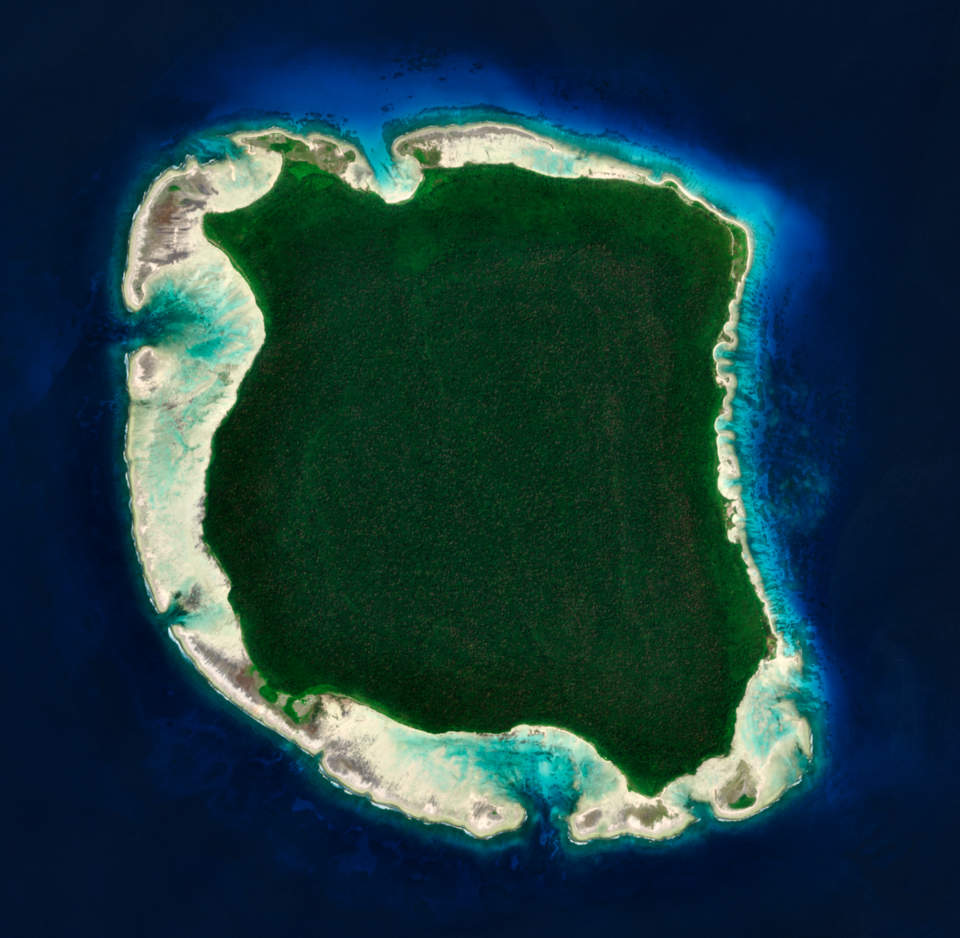
From above, North Sentinel Island looks like a postcard of perfect beaches and dense emerald forest, but India treats it as a hard line. Law keeps all boats beyond a strict exclusion zone, protecting the Sentinelese, who have made it clear for decades that outsiders are not welcome. Even a common cold could be lethal here. Patrols, prosecutions, and quiet monitoring mean this tropical canopy belongs to a small community and their ancestors, not to curious travelers or film crews. In a world that often treats every shore as a destination, this island stands as a rare reminder that some horizons are meant to stay closed.
Surtsey Nature Reserve, Iceland
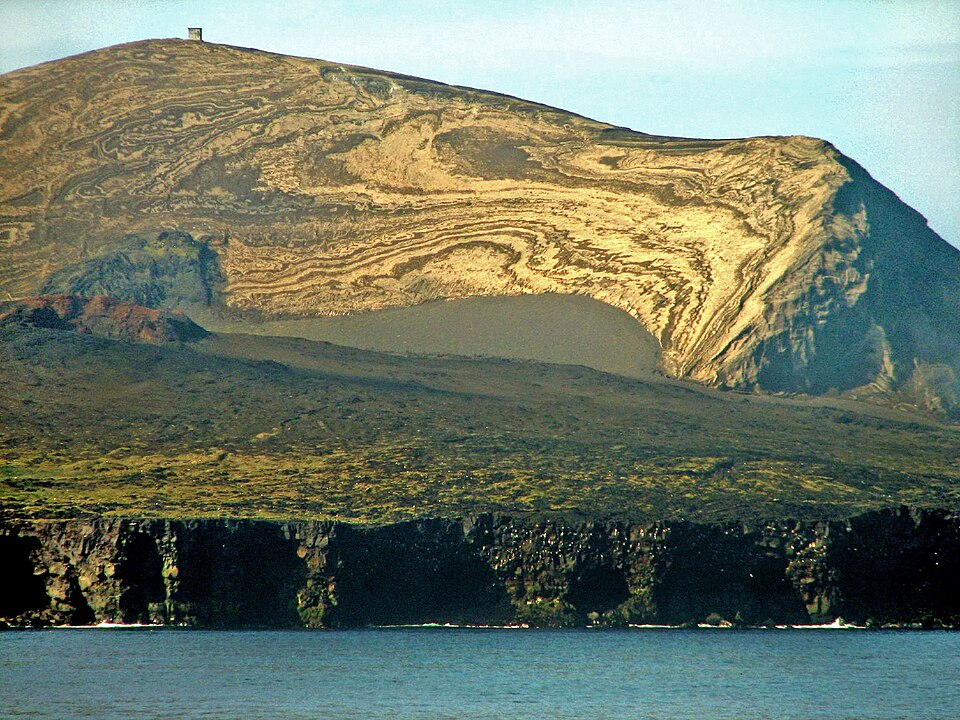
Surtsey burst from the North Atlantic in a storm of ash and lava in the 1960s, and Iceland quickly decided that human curiosity had to wait. The newborn island became a living notebook for scientists who track every plant, insect, and bird that arrives on its bare rock and black sand. Tour boats keep their distance, and only a handful of researchers with permits step ashore each year. By keeping hikers and casual landings away, Surtsey turns one remote volcano into a rare experiment in slow, patient ecology, written without tourist footprints. Careful limits here show that sometimes the bravest choice is to let nature go first.
Snake Island Biological Reserve, Brazil
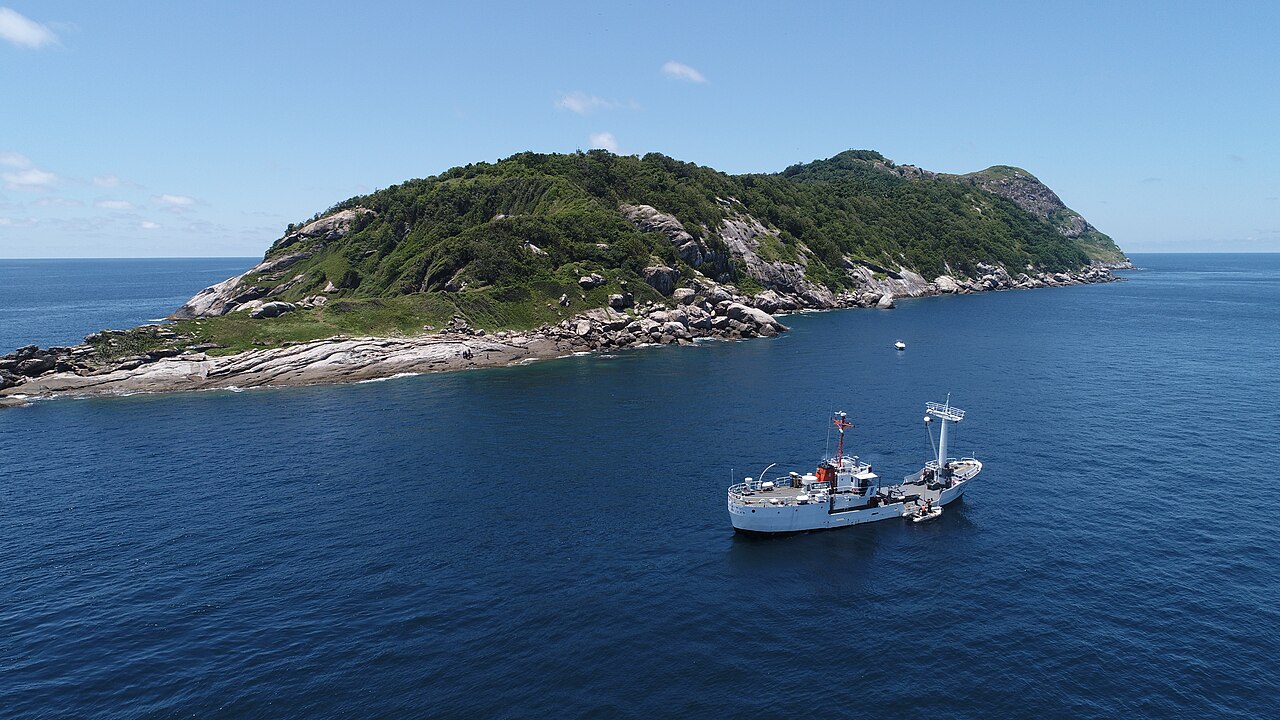
Off the coast of Sao Paulo, Ilha da Queimada Grande hides under tangled forest and a reputation that is not exaggerated. Golden lancehead vipers, found almost nowhere else, crowd the rocky slopes and tree trunks, their venom strong enough to make rescue a race against time. Brazil closed the island to visitors, granting access only to navy crews and scientists with strict protocols. The ban protects people, but it also gives these snakes and nesting seabirds a rare refuge from development, fishing camps, and the casual damage of curiosity. Along a coast packed with resorts and ports, this harsh little island is left entirely to its own rules.
Zone Rouge Wartime Forests, France
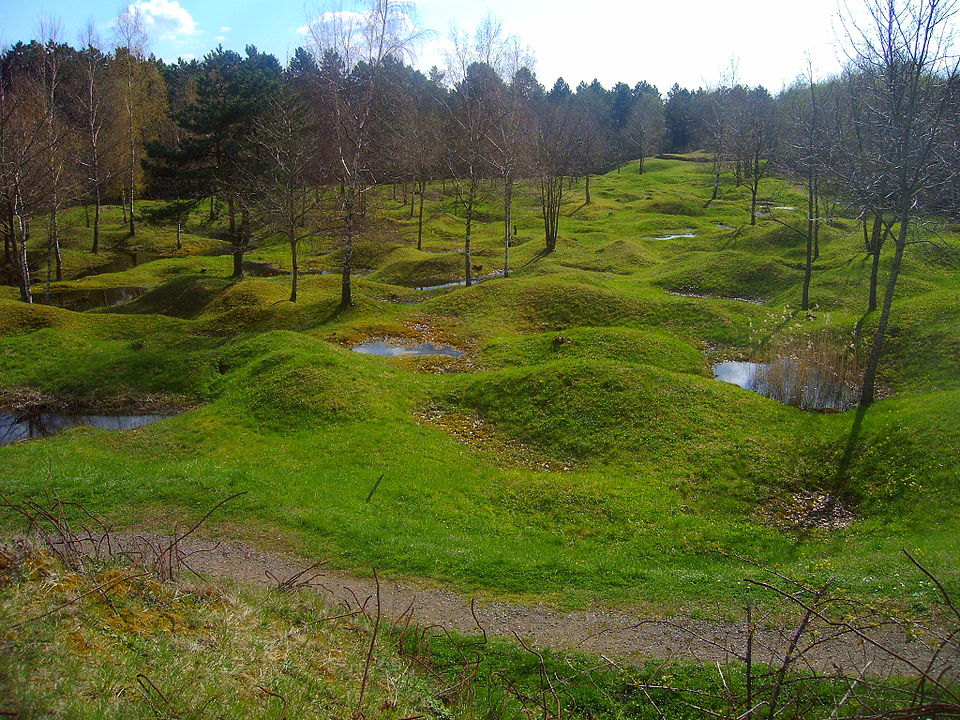
In northeastern France, tidy villages give way to patches of forest and fenced fields that still carry the scars of World War I. This area, known as the Zone Rouge, hides unexploded shells, chemicals, and human remains beneath young trees and quiet grass. Some sectors are permanently classified as too dangerous and too polluted for farming, housing, or public access, so the land is left to slowly rewild. The result is a strange kind of park, where new growth covers trench lines but the ground below remains off limits to almost everyone. It lingers as a quiet buffer, holding history and contamination in one narrow strip of land.
Red Forest, Chernobyl, Ukraine
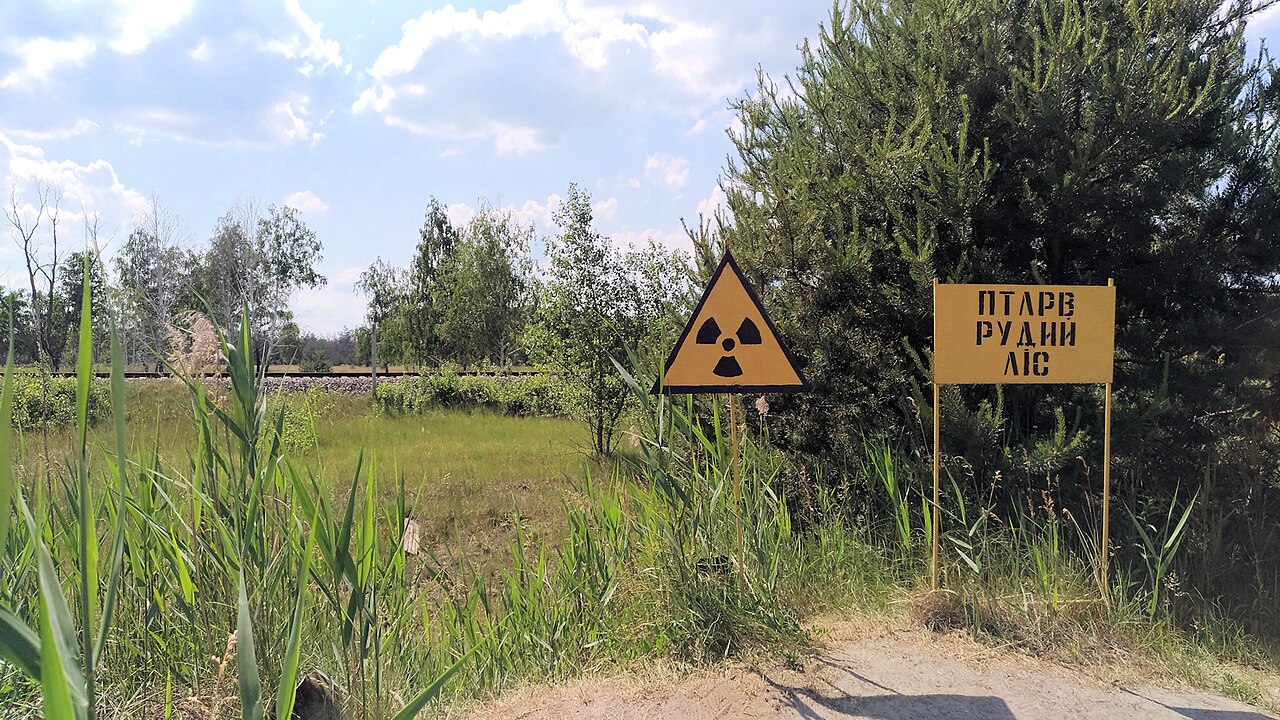
Beside the Chernobyl plant, the Red Forest absorbed some of the worst radiation released in 1986, turning pines ginger brown almost overnight. Many trees died where they stood and were later buried, but the soil and understory remain heavily contaminated. The wider exclusion zone now hosts limited tours, yet the heart of the Red Forest is effectively off limits, visited only by specialists with meters and protective gear. Wolves, elk, and birds have returned in surprising numbers, but the invisible dose under their paws keeps this woodland firmly out of reach. It reminds researchers that green growth can hide what still rests below.
Vale do Javari Indigenous Territory, Brazil
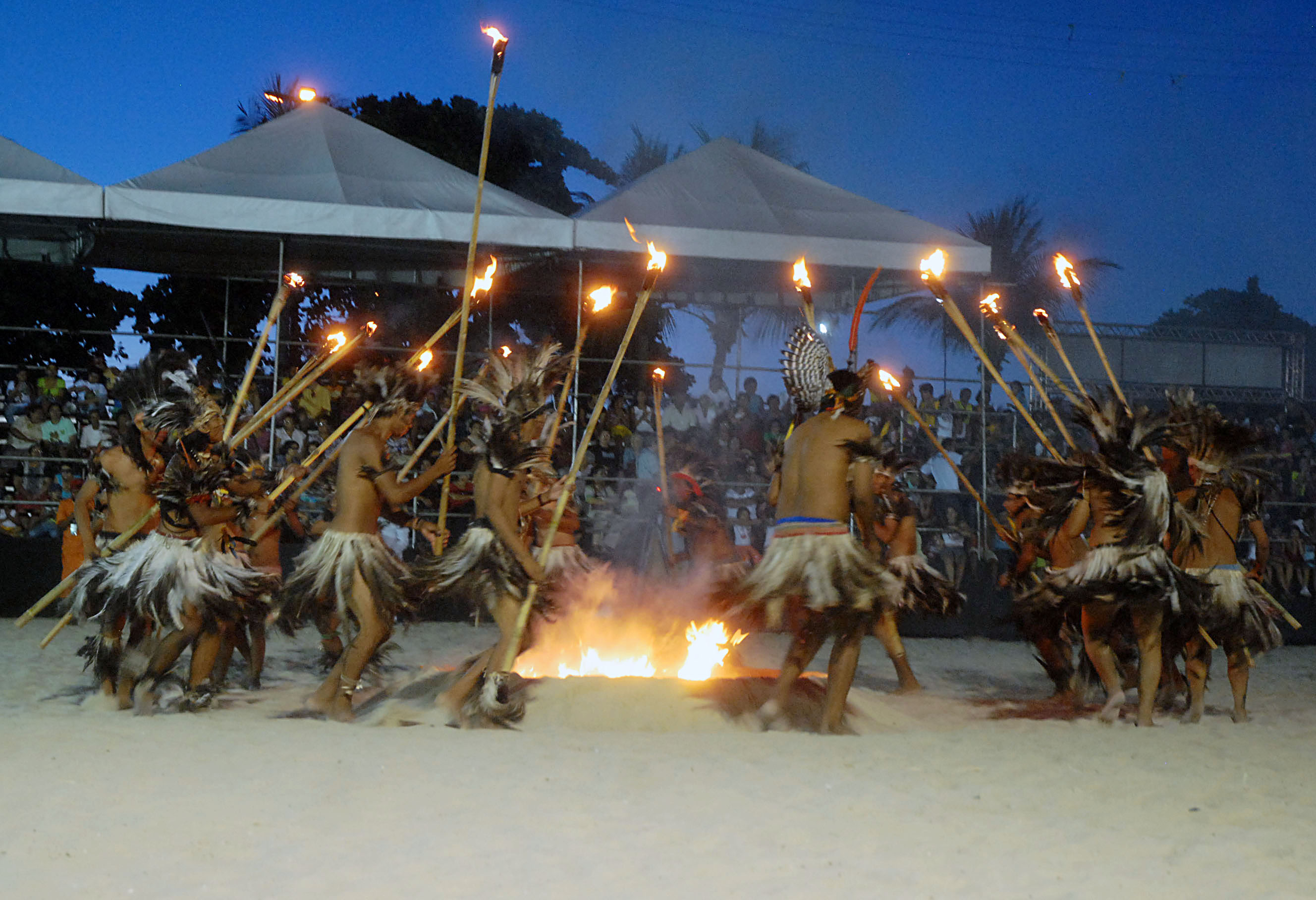
Deep in the western Amazon, the Vale do Javari is less a park and more an immense green labyrinth of rivers and forested ridges. It shelters multiple uncontacted Indigenous groups whose survival depends on isolation from the diseases and pressure that follow roads and logging. Brazil has marked the territory for Indigenous use and restricts entry to residents, a few health teams, and tightly controlled officials, with river checkpoints guarding the frontier. The canopy here is not scenery for visitors but the roof of irreplaceable homelands where outside curiosity can easily become a threat. Here, respect begins with staying away.
Barren Island Volcano, Andaman Sea, India
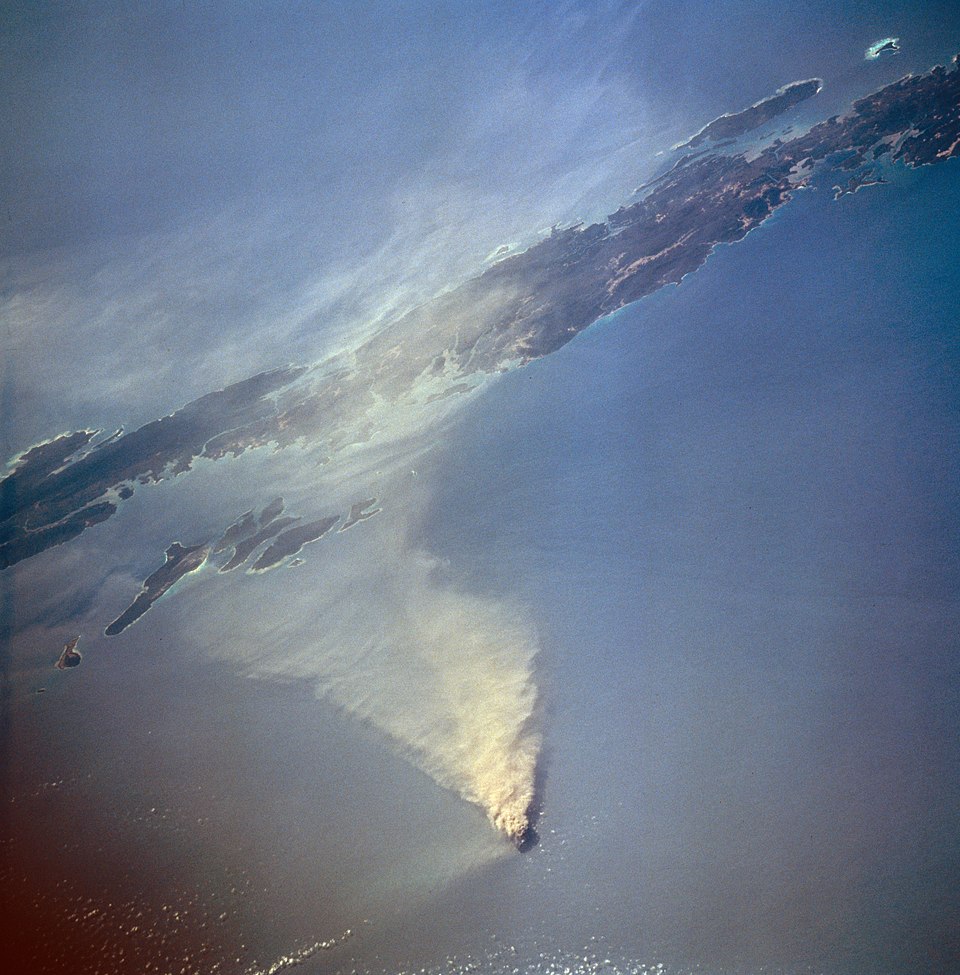
In the Andaman Sea, Barren Island rises from deep water as a smoking cone ringed by dark slopes and sparse forest. It is India’s only active volcano, and authorities treat it with the caution that kind of power deserves, allowing tour boats to circle but forbidding passengers to land. Steep, unstable ground and sudden activity make casual hiking a direct safety risk, while the recovering vegetation is easily scarred. Dolphins, seabirds, and distant viewers share the view from offshore, but the crater and its raw flanks remain stubbornly out of human reach. It reminds people on passing boats that not every shoreline needs footprints.
Gough Island Wildlife Reserve, South Atlantic
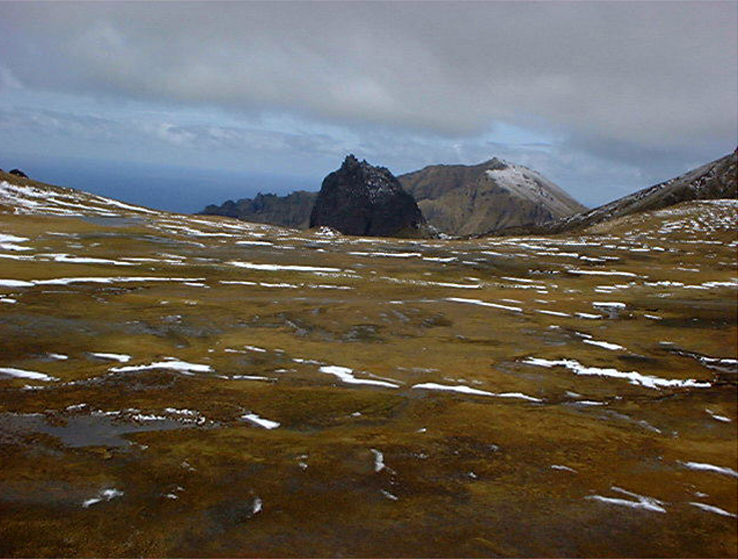
Far out in the South Atlantic, Gough Island rises in cliffs, mist, and dense tussock that leave almost no easy landing place for humans. It is part of a strict wildlife reserve, visited mainly by a small weather team and rotating researchers who track albatrosses and other seabirds that rely on its isolation. Permits are rare, tourism is essentially absent, and strict rules aim to keep new predators and diseases from stepping ashore. For most people, this forested rock exists only as a name in conservation reports, not as a stamp in a passport or a story from a cruise. That distance gives nesting birds one of the last secure places.
Kermadec Islands Nature Reserve, New Zealand
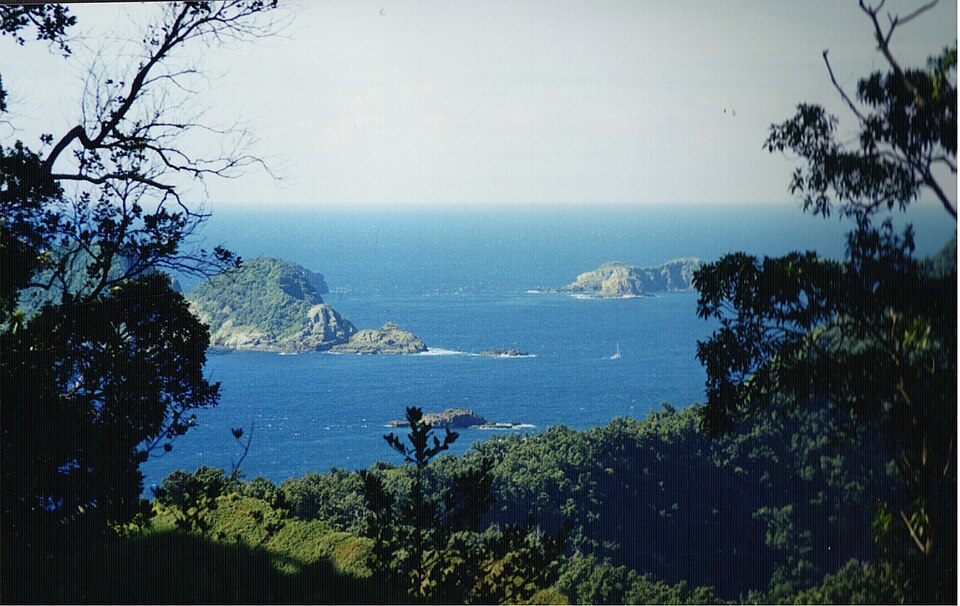
North of New Zealand, the Kermadec Islands scatter across bright blue water as steep, forested ridges and volcanic peaks. They sit inside strict nature reserves and a vast marine protected area where shore access is only allowed with permits from conservation authorities. Yachts cannot simply drop anchor and wander ashore, and rules on waste and anchoring are tight enough to keep most casual visitors away. This distance grants seabirds, fish, and recovering forests a kind of breathing space that is rare along busy Pacific routes, even if almost no one sees it up close. They feel more like field stations for nature than resorts.
Babaneuri Strict Nature Reserve, Georgia
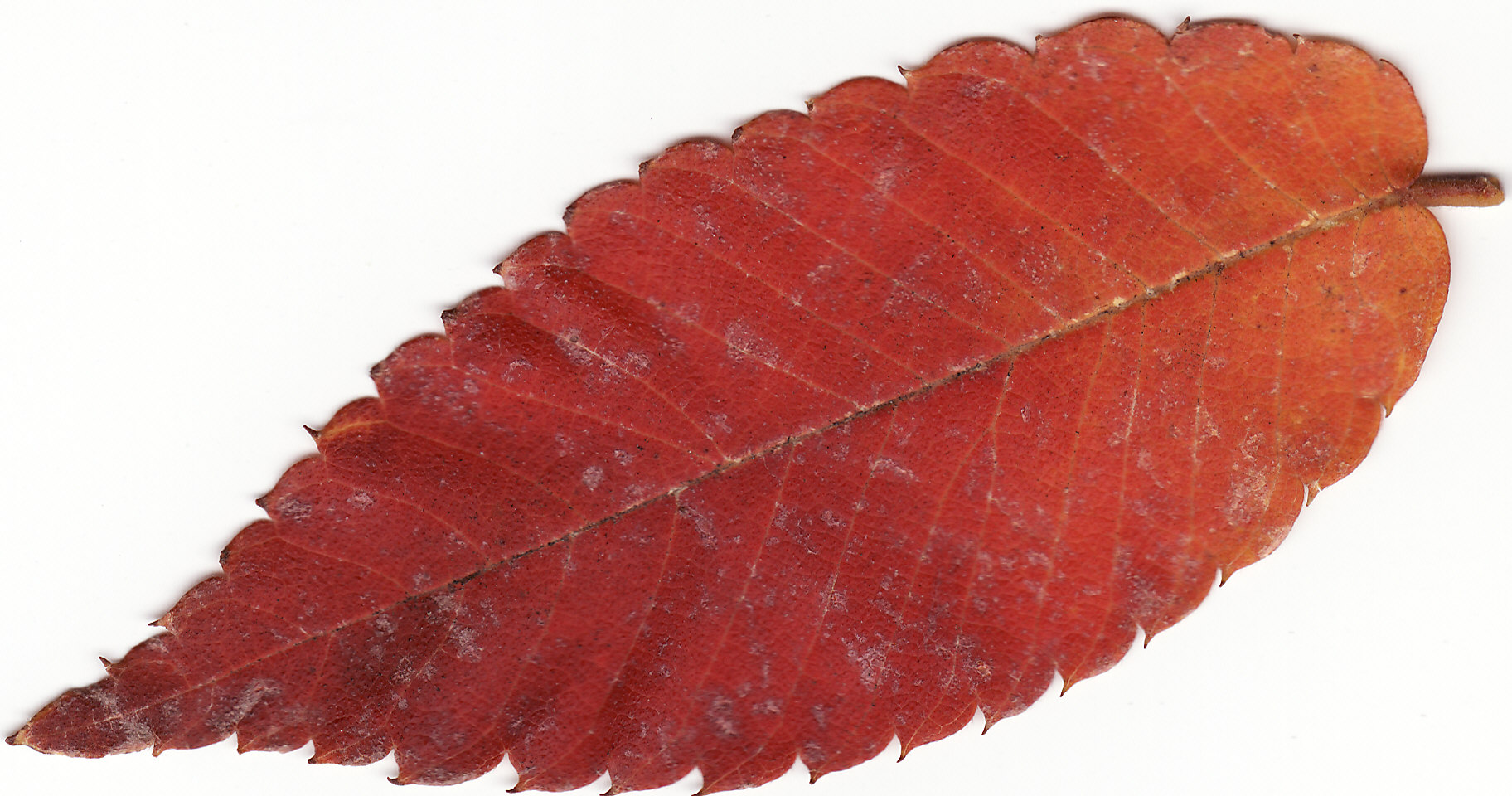
At the foot of the Greater Caucasus, Babaneuri Strict Nature Reserve protects one of the last strongholds of Caucasian zelkova, a tree that dates back to ancient climates. The forest here does not welcome crowds; Georgia limits entry to scientists and small educational groups so the grove can age without logging, grazing, or campsite smoke. Surrounding areas offer hiking, but Babaneuri itself functions as a kind of living archive, where trunks and leaves stand in for pages. By keeping human presence so tightly managed, the reserve lets a rare lineage of trees continue without constant interruption. Its deep quiet is not an accident.
Tingua Biological Reserve, Brazil
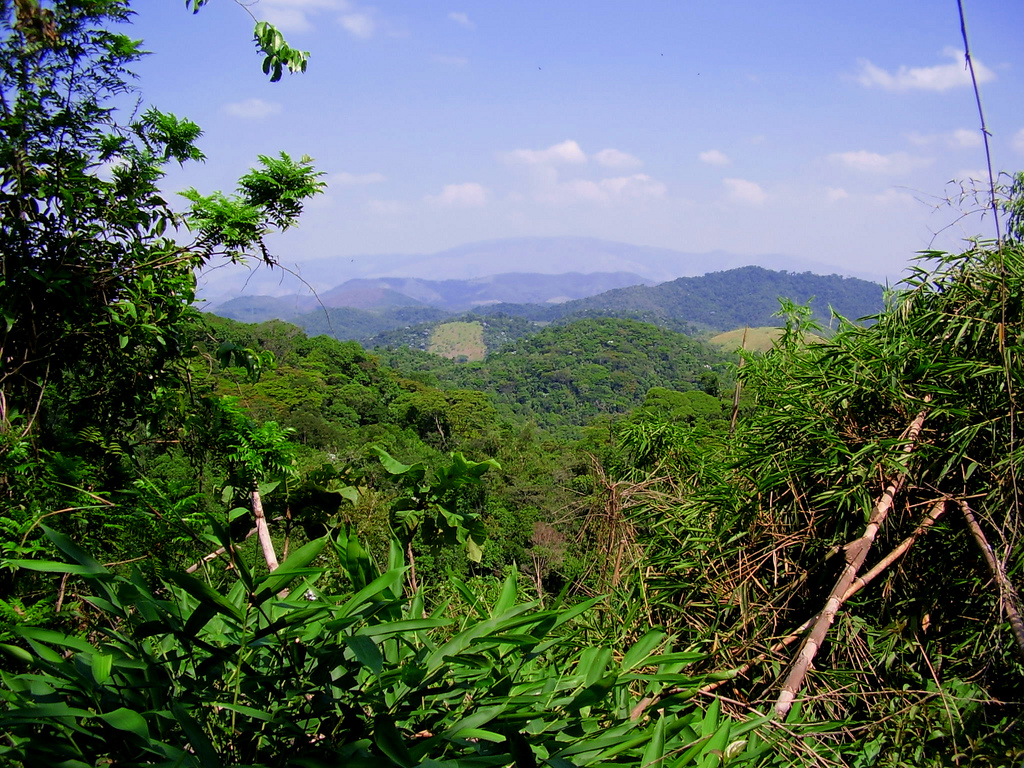
On the fringe of Rio de Janeiro, Tingua Biological Reserve shelters a remnant of Atlantic Forest that once stretched almost unbroken along Brazil’s coast. As a strict biological reserve, it is legally closed to public recreation, with only carefully approved research and education allowed inside its boundaries. This means no promoted trail maps, no weekend picnics, and far less noise than in more accessible parks nearby. The quiet helps endangered species, water sources, and soil recover in a metro region that still relies on these hidden hills, even if most residents never glimpse the canopy. Its value is written in water and air.