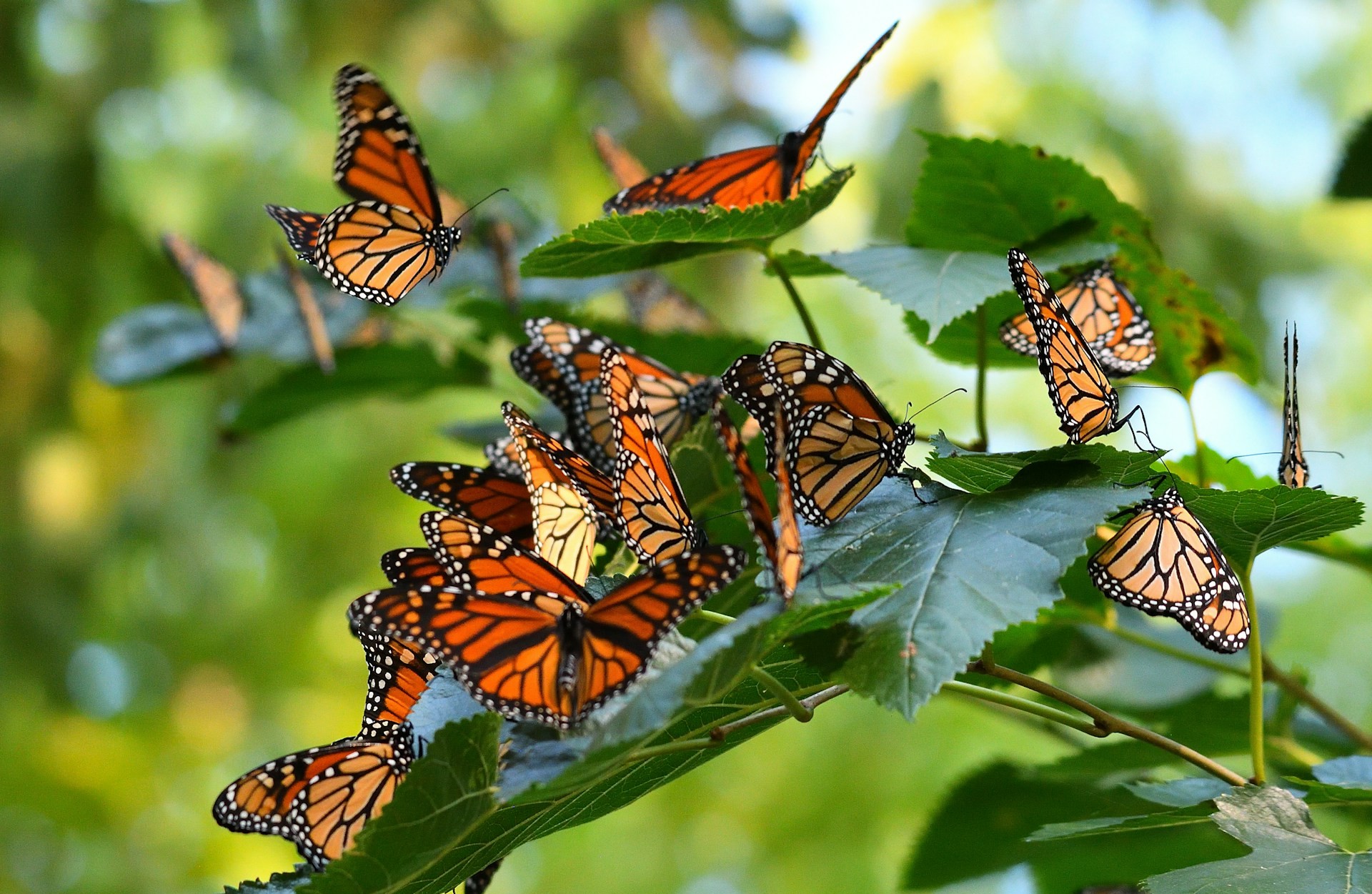
Across land, sea, and sky, some animals move in numbers so vast that entire landscapes seem to change shape around them. Herds roll over grasslands like weather systems, rivers turn silver with fish, and forests briefly fill with wings that traveled continents. Communities along these routes learn to live in step with arrivals, timing festivals, road closures, and fishing seasons to ancient schedules. Watched with care, these migrations feel less like spectacles and more like the planet quietly revealing its heartbeat.
Great Wildebeest Migration, Serengeti And Maasai Mara
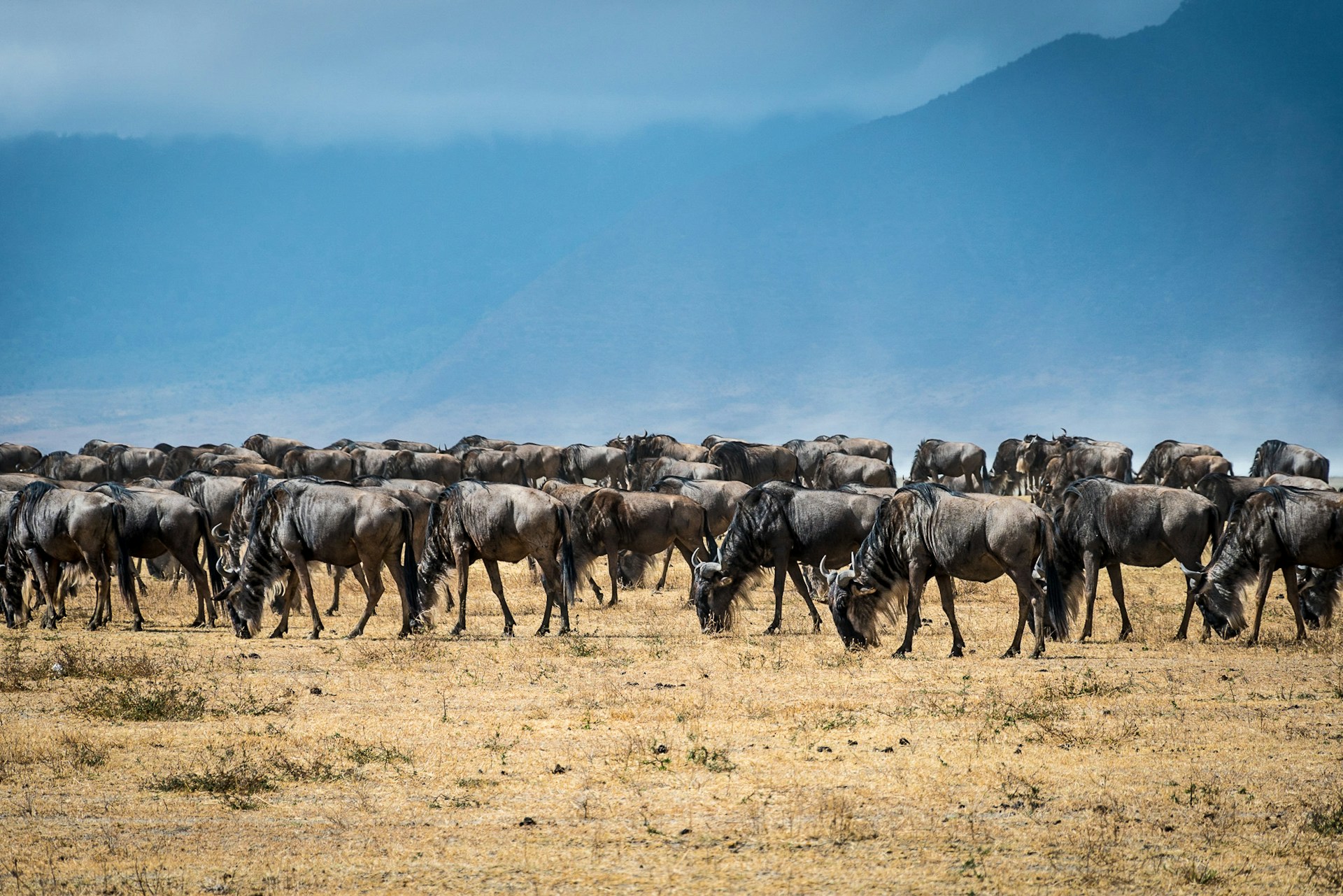
In Tanzania and Kenya, the great wildebeest migration forms a restless loop that never truly stops. Wildebeest, zebras, and gazelles follow fresh grass, turning plains into shifting patterns of hooves and dust. River crossings on the Grumeti and Mara can feel almost unreal, as animals crowd steep banks, hesitate, then surge into current and crocodile filled water. Months later, calving on the short grass plains replaces drama with a softer rhythm of new life.
Monarch Butterflies In Mexico’s Oyamel Forests
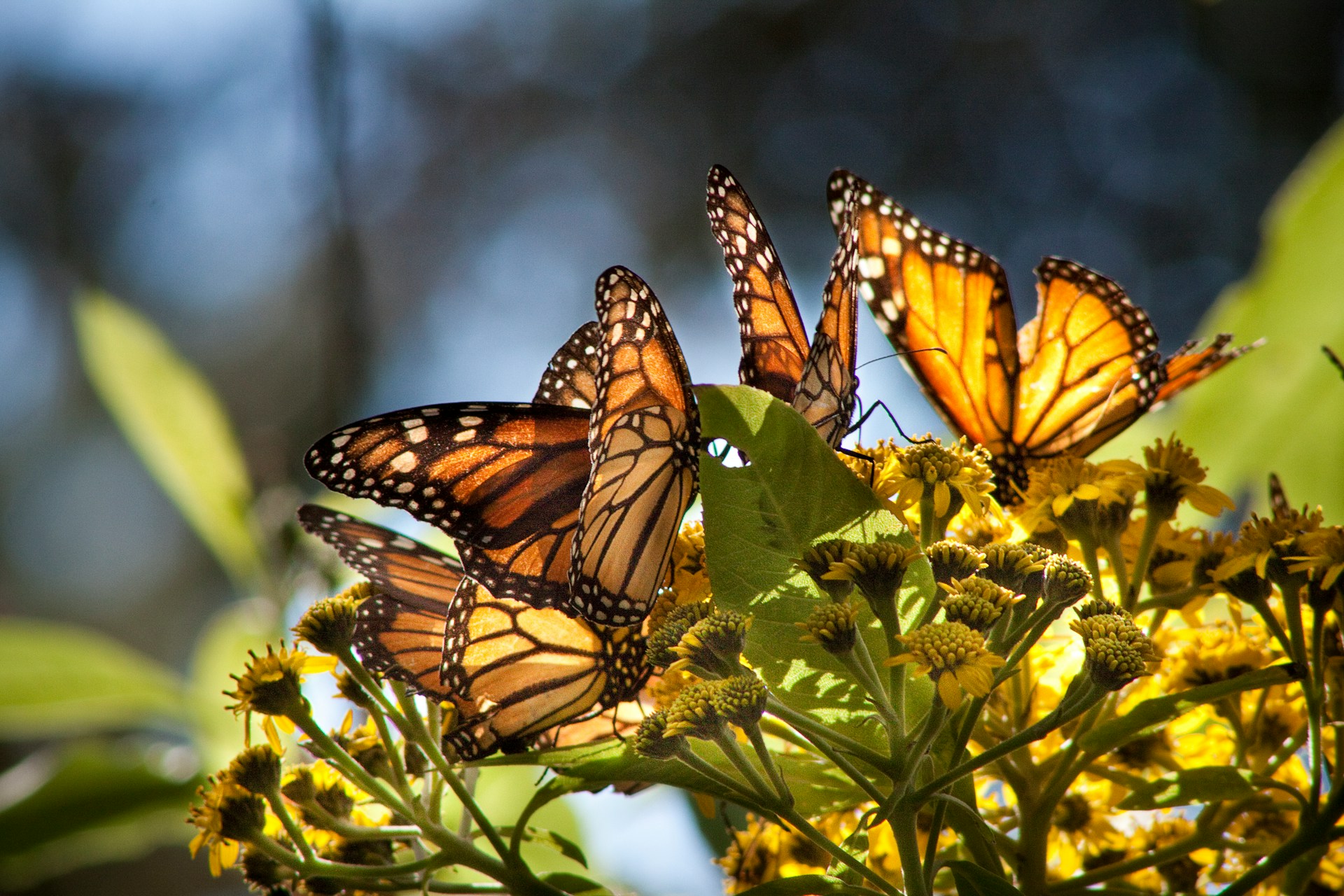
Monarch butterflies drift south through North America toward a small cluster of high mountain forests in central Mexico. In the cool oyamel fir groves, millions cling to trunks and branches so thickly that bark disappears under layered orange wings. On still mornings the forest feels hushed, as if holding its breath. When sun touches the trees, butterflies loosen and lift together, filling the air with a faint rustle that sounds like light rain on leaves.
Christmas Island’s March Of The Red Crabs
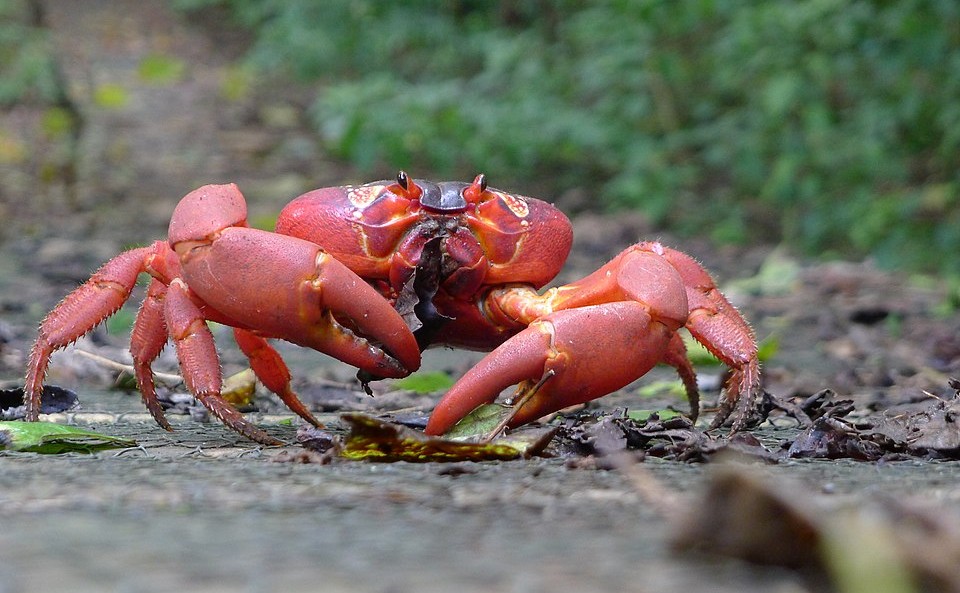
On remote Christmas Island, the annual red crab migration turns forest floors and roads into moving fields of bright shells. First rains of the wet season wake crabs from burrows inland, and a tide of red begins spilling toward the coast. Locals set up temporary barriers and detours so the crossing can continue with minimal harm. At the shore, males and females crowd rocky terraces while eggs are released into the surf, tying rainforest and ocean into one event.
Kasanka’s Bat Clouds Over Zambia
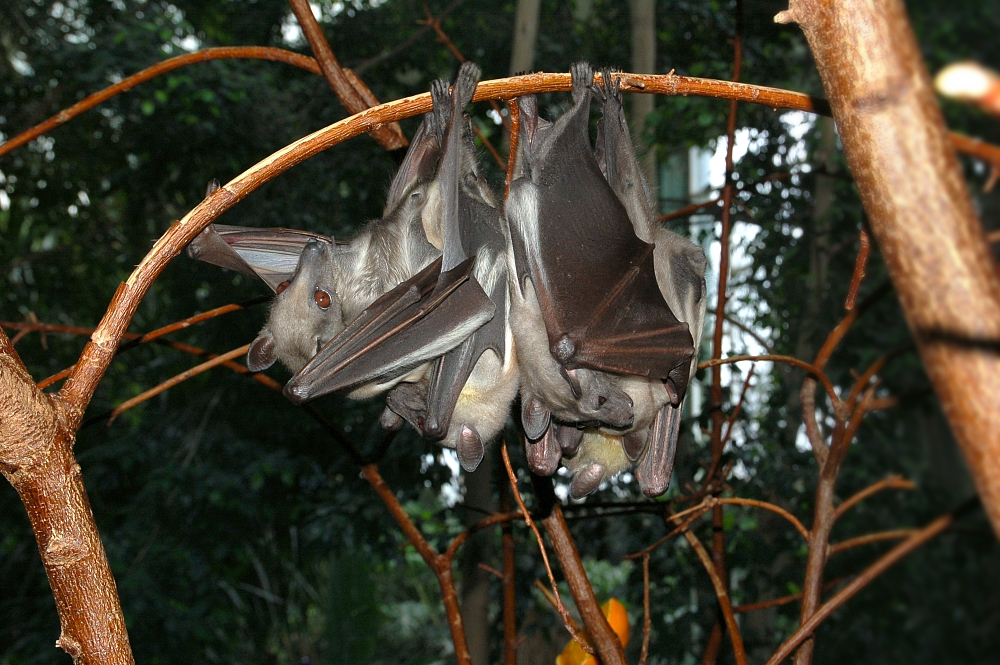
Each late Oct., Zambia’s Kasanka National Park hosts an astonishing arrival of straw colored fruit bats. For a few weeks, a small swamp forest becomes a dense roost, with branches hanging heavy under squeaking, shifting bodies. At dusk, the trees seem to dissolve as millions of bats lift at once and stream across the sky in dark, flowing ribbons. The spectacle lasts only a short season, but its scale quietly outnumbers many more famous migrations on Earth.
Sandhill Cranes On Nebraska’s Platte River
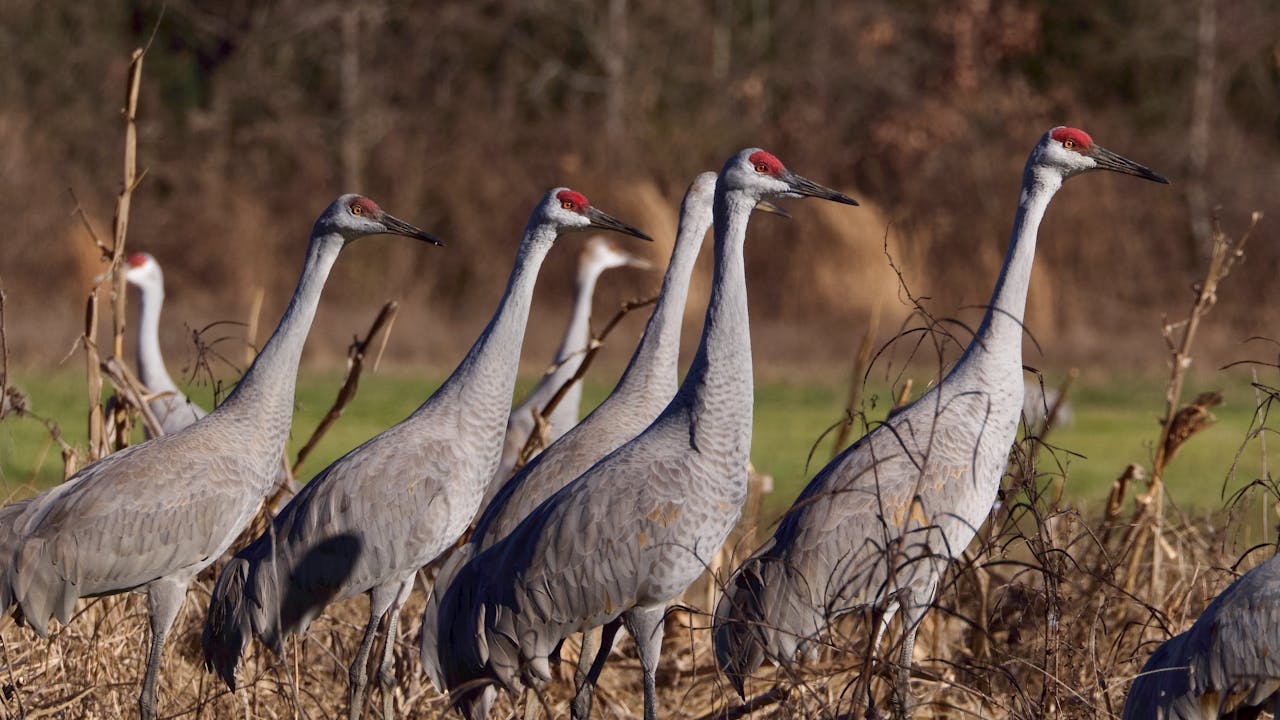
Every March, sandhill cranes converge on Nebraska’s Platte River, using its shallow braided channels as an overnight refuge. At dawn and dusk, waves of grey birds rise from sandbars, circling in loud, layered calls that roll across frozen cornfields. By day, cranes feed and dance in nearby fields, leaping and bowing in pair bonding displays that look surprisingly playful. Generations of residents and conservationists now guard this stopover, knowing how many journeys hinge on this one river.
Pacific Salmon Runs In Northern Rivers
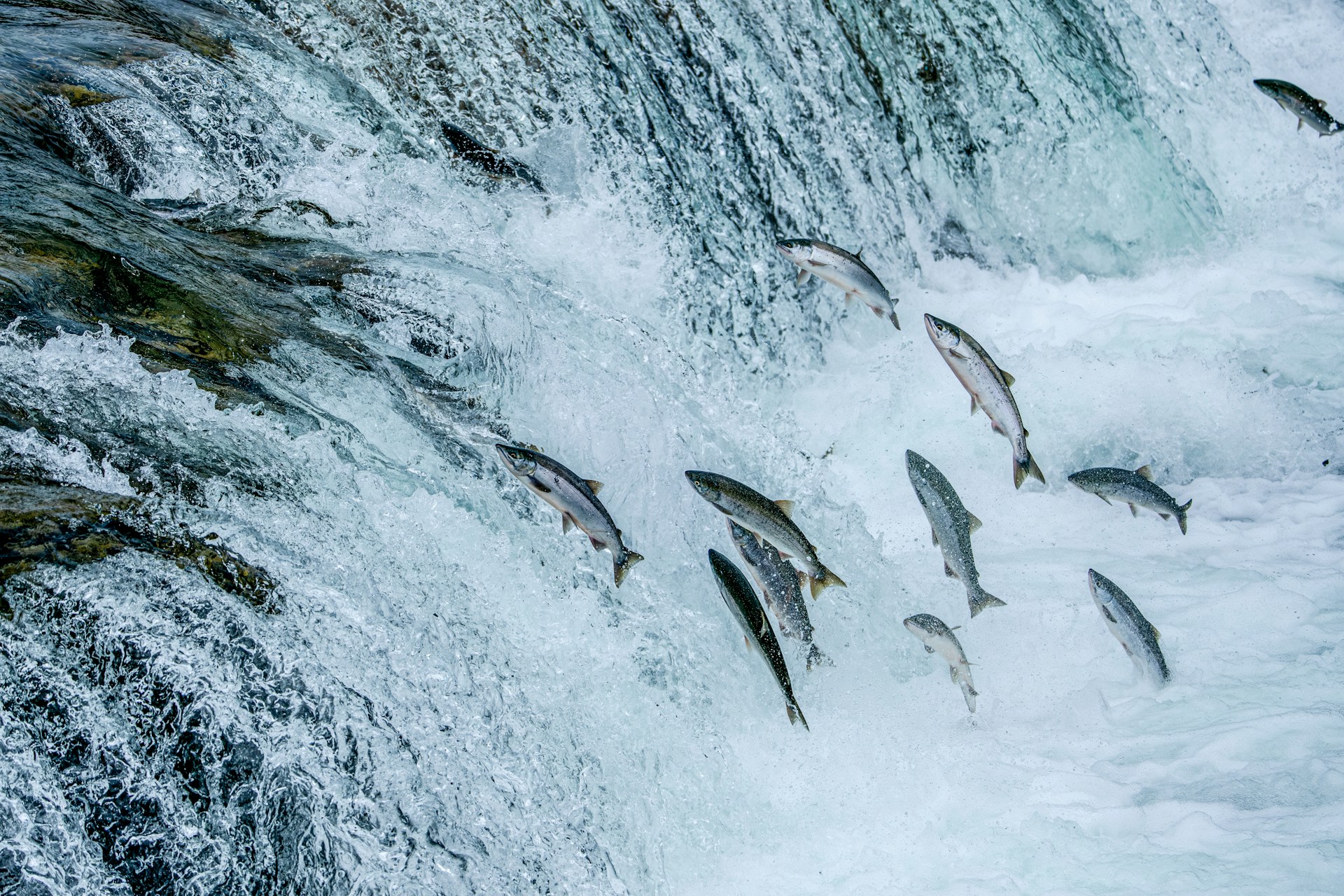
From Alaska to the Pacific Northwest, salmon leave open ocean and push back into the rivers where they first hatched. Each fish carries a final task: climb riffles and falls, spawn, then die, returning stored marine nutrients to mountain watersheds. The runs draw bears, eagles, and people to the banks, all keyed to the same brief surge. In clear shallows, the effort shows in every battered fin and scrape, yet the upstream pull never really seems to falter.
Humpback Whales Crossing The Pacific
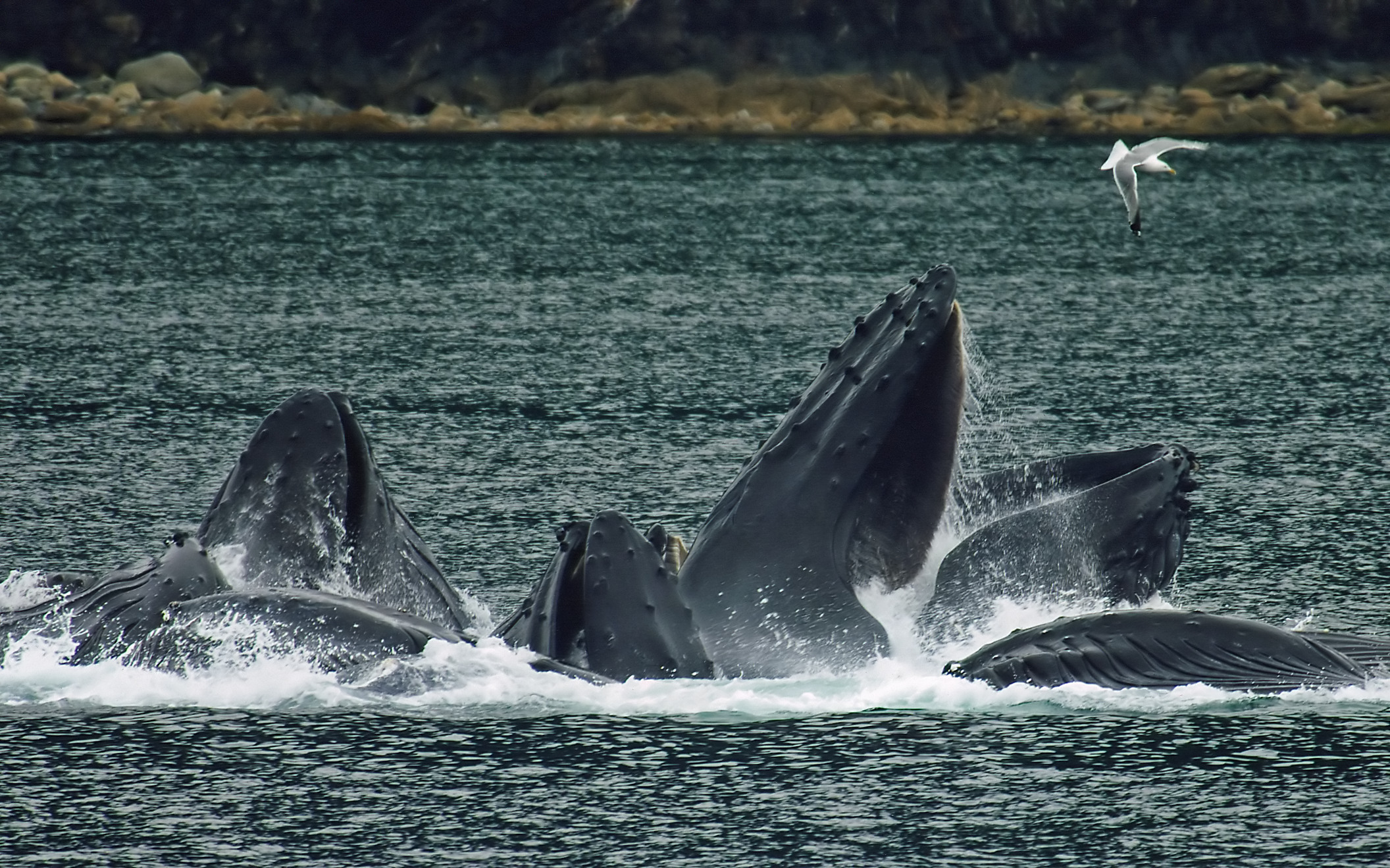
Humpback whales spend summer gorging on krill and small fish in cold northern waters, then begin long, determined journeys toward tropical breeding grounds. Many North Pacific whales travel between Alaska and Hawaii or Mexico, tracing invisible highways across deep blue expanses. Winter bays fill with blows, tail slaps, and the low, haunting phrases of whale song carrying through the water column. Calves stay close to mothers as adults live off stored fat until feeding grounds call them back north.
Porcupine Caribou Herd Of The Arctic
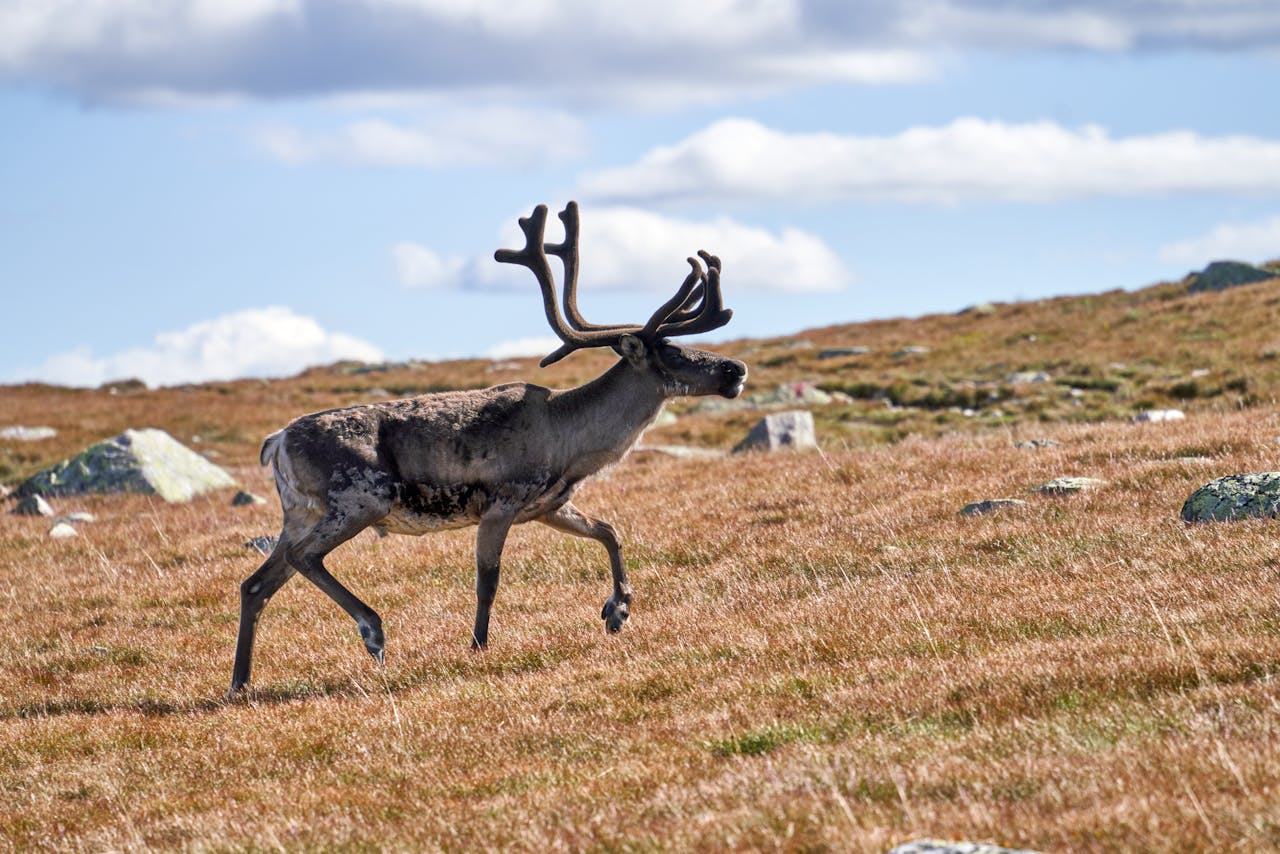
The Porcupine caribou herd ranges between Alaska and Canada’s Yukon on one of the longest recorded land migrations. Each spring, animals move from interior forest toward the Beaufort Sea coastal plain, where open tundra and rich forage support calving. The route threads through fragile habitats and lands central to Indigenous cultures, linking hunting traditions with modern conservation debates. Watching the herd stretch along ridgelines and valleys, it is easy to feel how much space true migration still needs.
South Africa’s Sardine Run
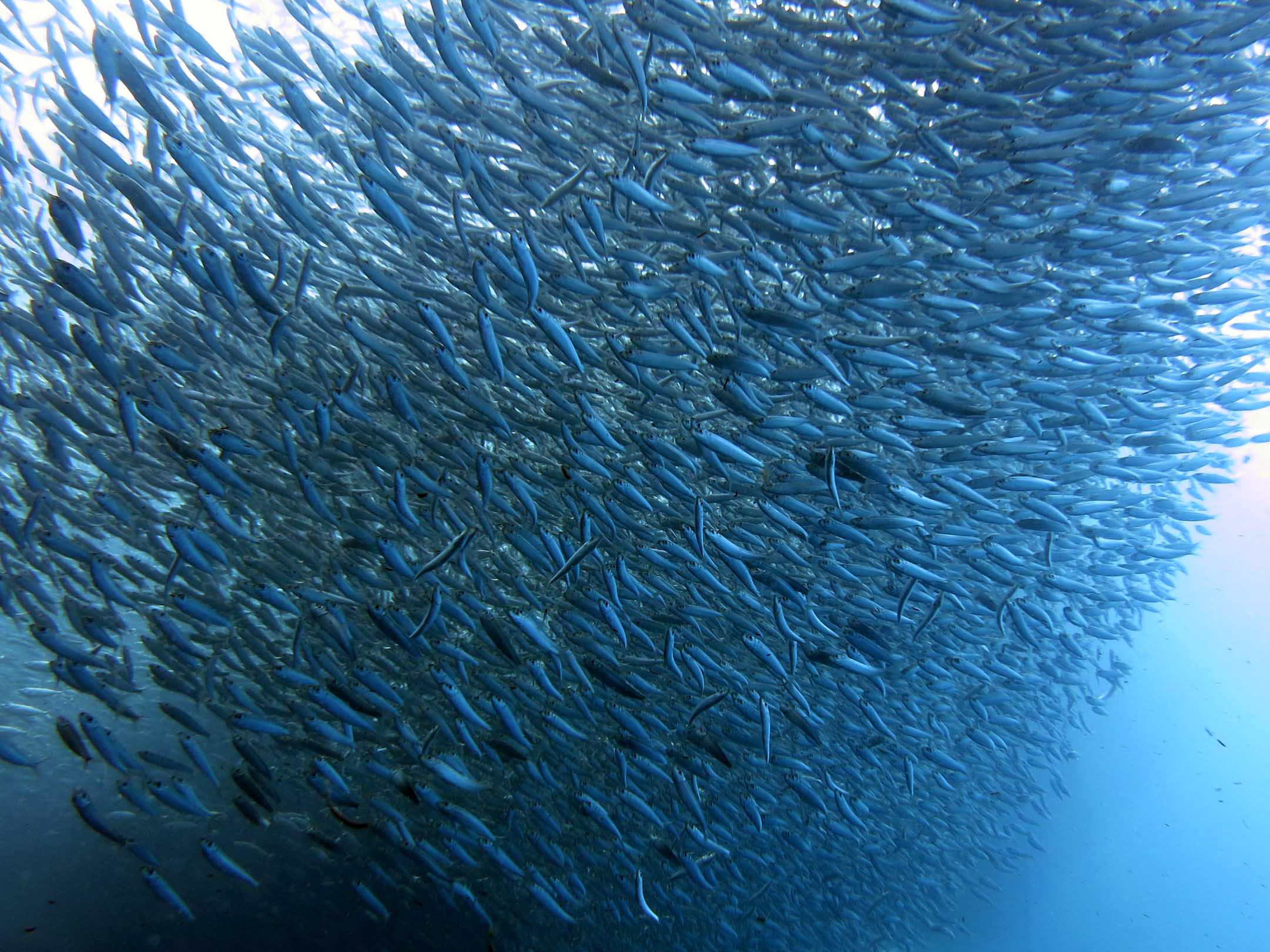
Along South Africa’s east coast, winter sometimes brings the sardine run, a moving storm of small fish riding a tongue of cold water north. Billions of sardines compress into dense shoals, and predators converge from every direction. Common dolphins herd bait balls from below while gannets dive like arrows from above, with sharks and whales adding heavier shadows to the scene. Boats, spotter planes, and coastal communities all try to keep pace with this shifting, unpredictable feast.
Botswana’s Okavango To Makgadikgadi Zebra Migration
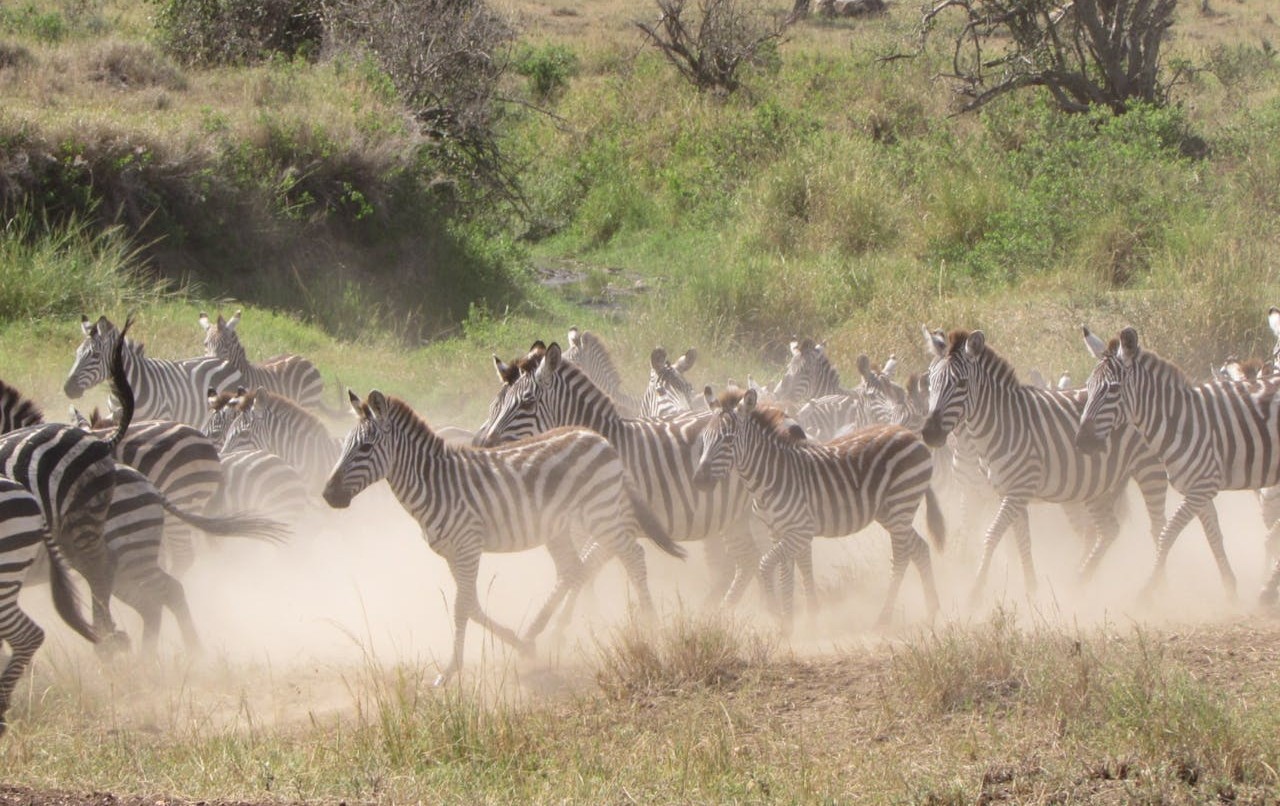
In Botswana, plains zebras travel between the water rich channels of the Okavango Delta and the open grasslands around the Makgadikgadi Pans. When seasonal rains green the pans, herds drift out across the flats in long lines, using new grazing while it lasts. As conditions dry, animals gradually return toward the Delta’s more reliable water. Tracking collars revealed the full extent of this journey only recently, showing that a seemingly quiet movement ranks among Africa’s great migrations.
Snow Goose Waves Across North America
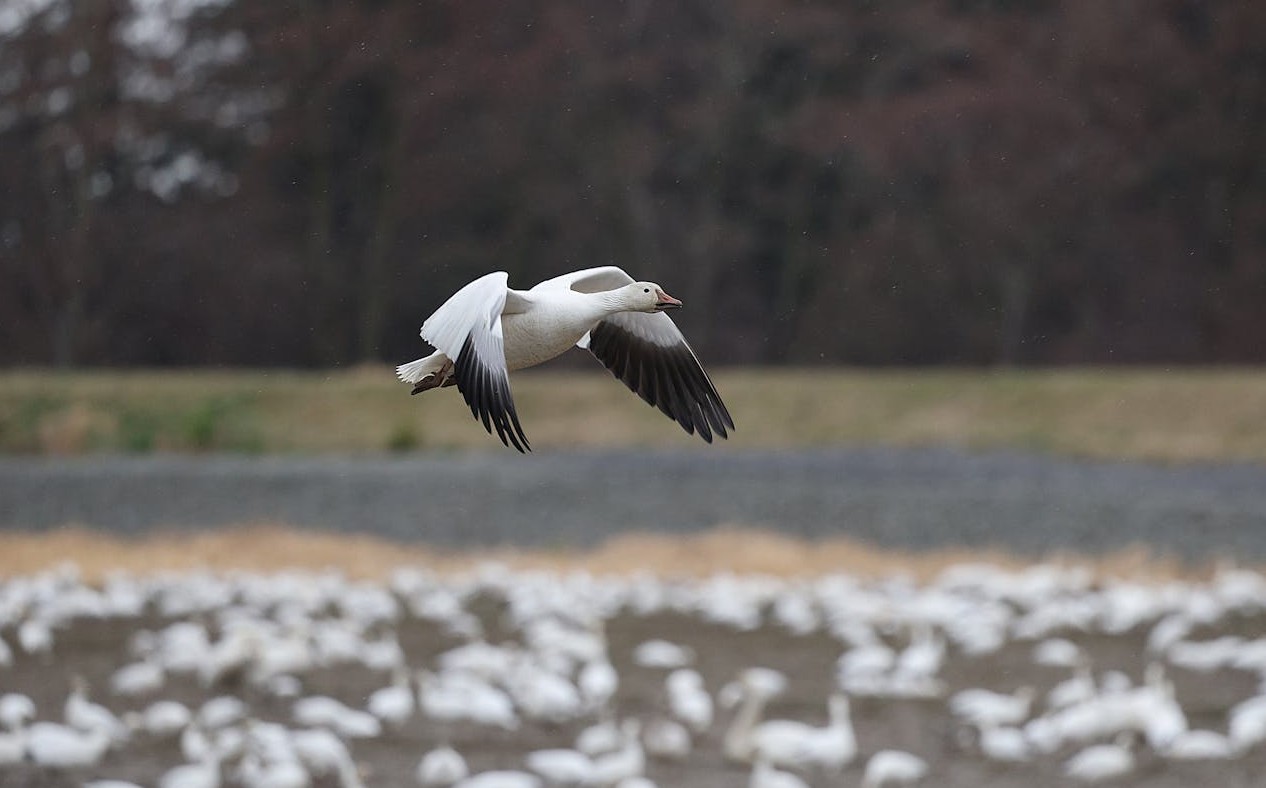
Greater and lesser snow geese leave Arctic nesting grounds in late summer, then push south in layered flocks that can transform fields and marshes in a day. When thousands circle in to land, the sky fills with white wings and a constant chorus of honks. Coastal estuaries, prairies, and river deltas become temporary feeding grounds on routes that stretch from high tundra to the Gulf Coast. Managers now balance the spectacle with concerns about overgrazed habitats at both ends.