
Travel always carries a few quiet surprises, and some of the strangest arrive at the border. Normal habits from home can collide with rules shaped by history, health scares, or fragile old stone. A snack, a pair of shoes, or a favorite gadget can suddenly become a problem item instead of background noise in a bag. Behind each rule sits a story about what a place wants to protect, and how far it is willing to go to guard that choice.
Chewing Gum In Singapore
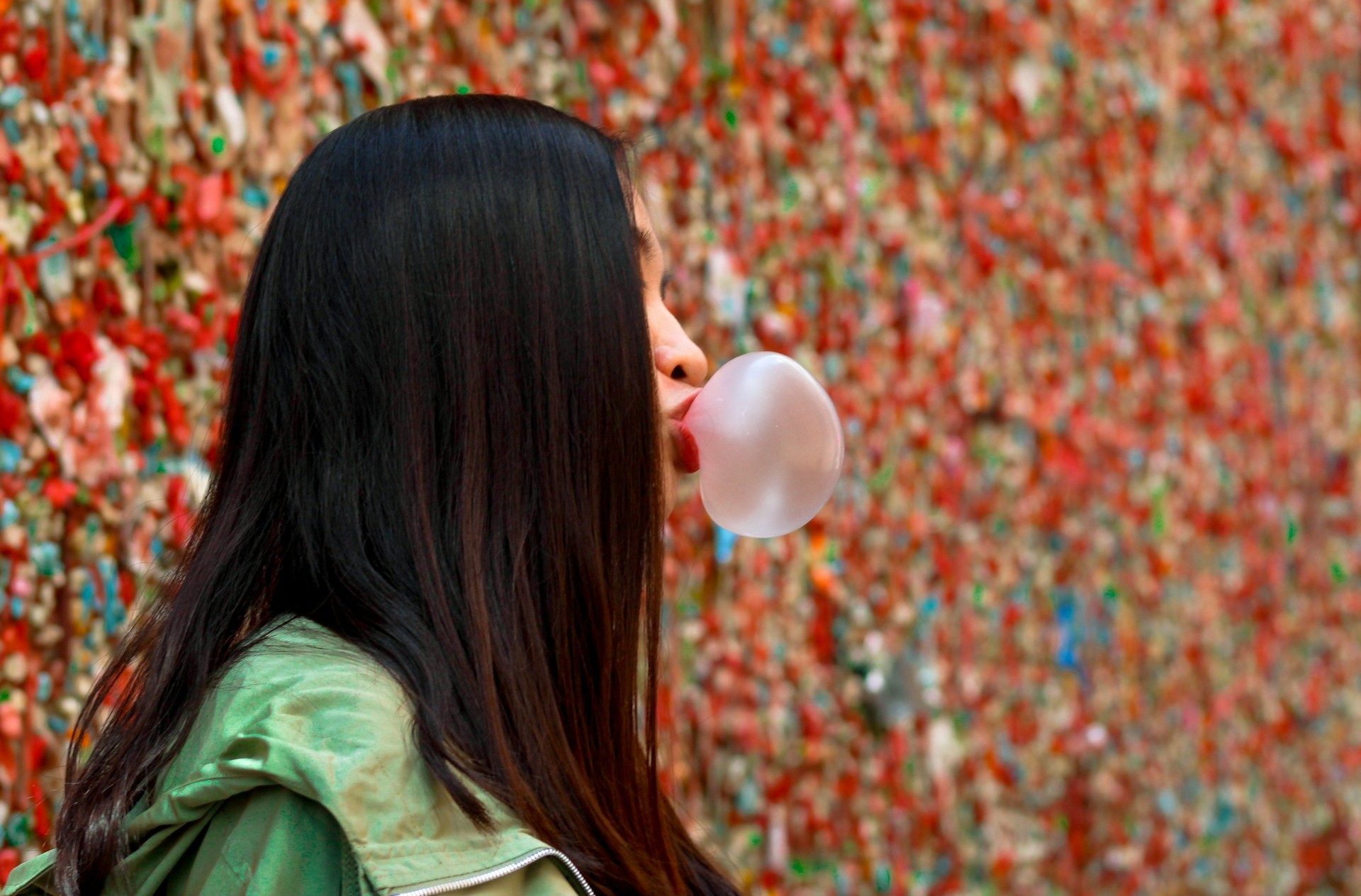
Singapore treats chewing gum less like a snack and more like infrastructure risk. The sale and import of regular gum are heavily restricted, with narrow exceptions for medical and dental types from pharmacies. The crackdown began after gum jammed train doors and stained sidewalks, costing real money to clean and repair. Littering fines cemented the message that public space is not a disposable wrapper. For many visitors, the idea that a tiny pack of gum can cause trouble still feels surreal.
Feeding Pigeons In Venice
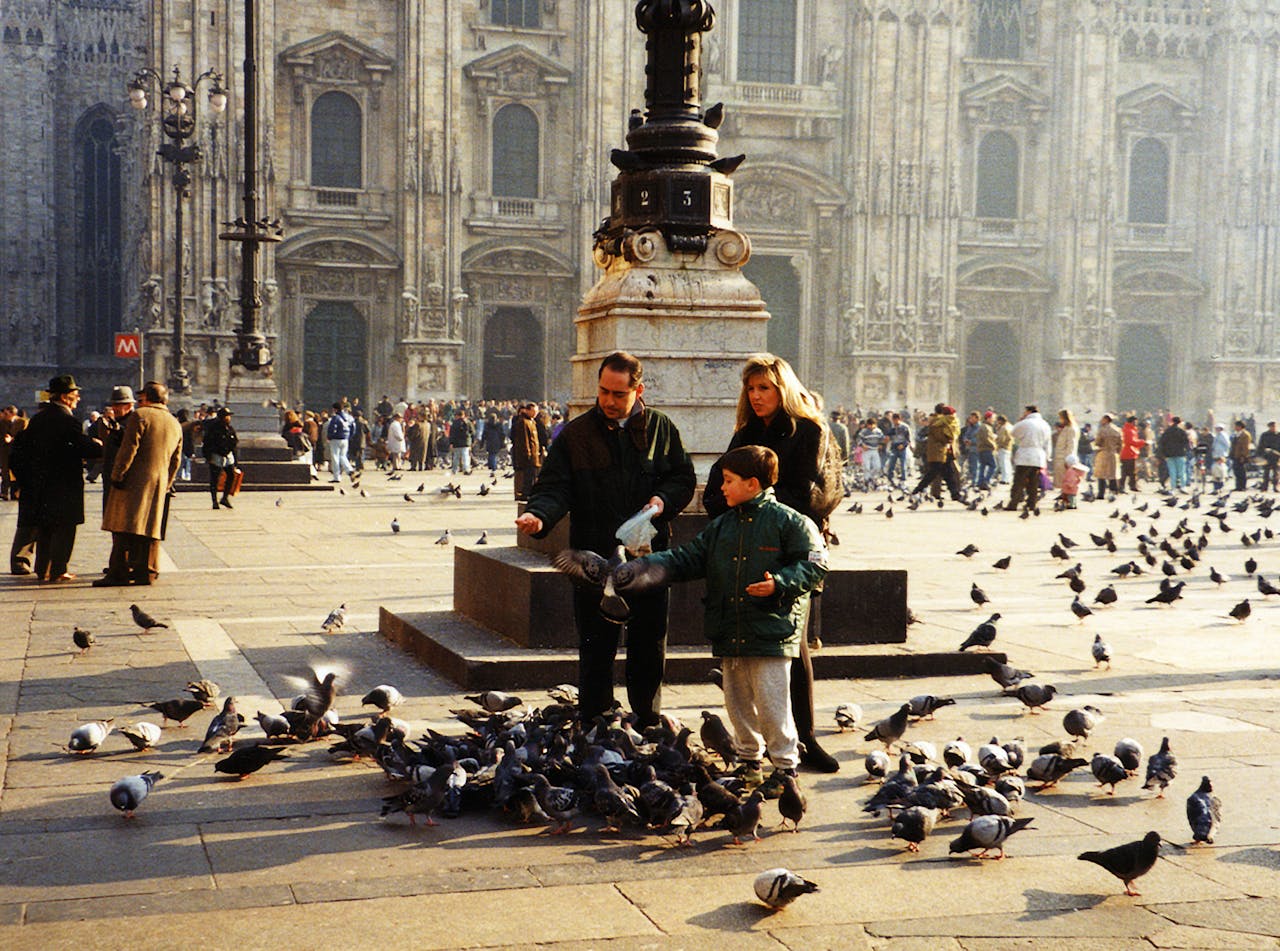
In Venice, feeding pigeons is not a charming movie moment, it is a civil offense. The ban around places like St. Marks Square grew out of real damage to centuries old stone, statues, and roofs. Pigeon droppings corrode facades, while huge flocks turn plazas into noisy, messy zones that city crews struggle to keep clean. Fines signal that the historic center is already under enough pressure from tides and tourism. A handful of bread crumbs suddenly carries unexpected weight in a crowded square.
Carrying Plastic Bags Into Rwanda
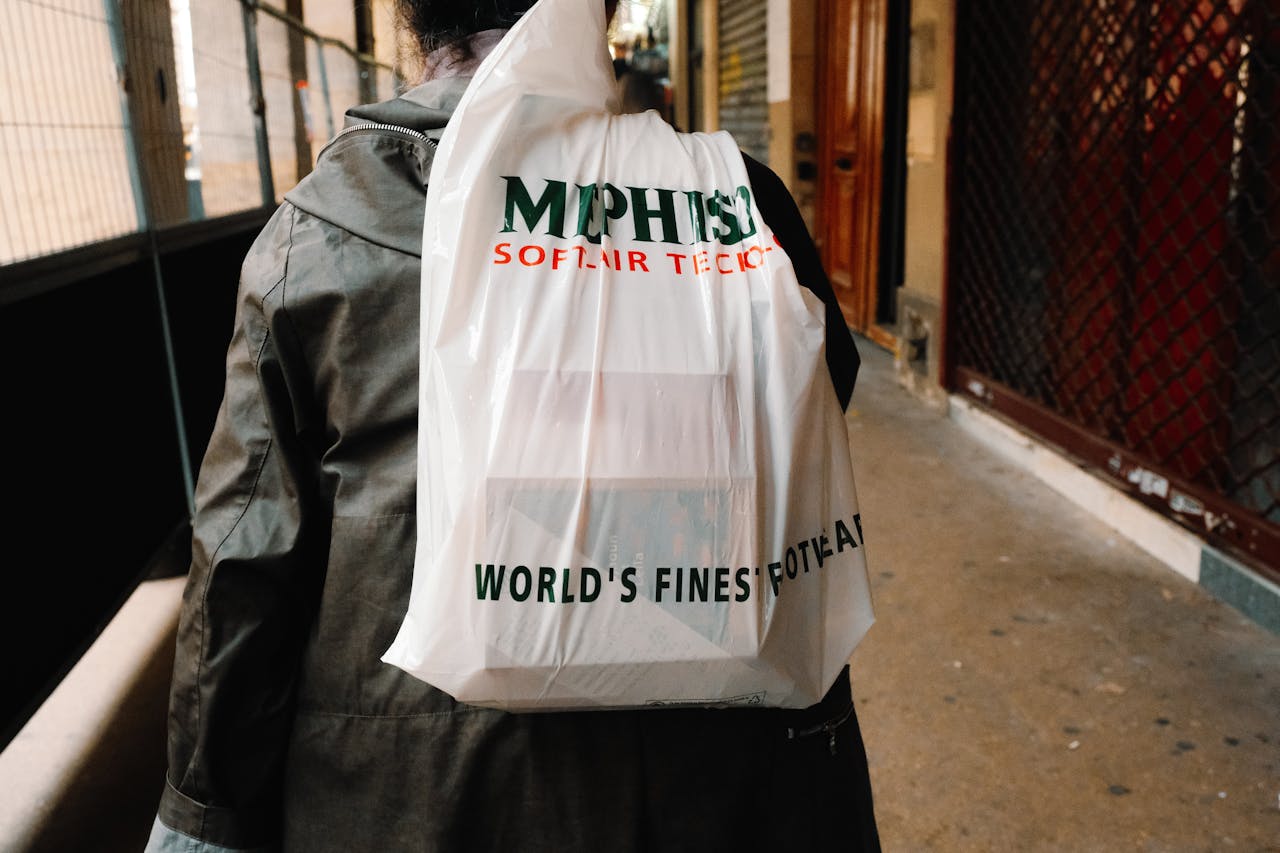
Rwanda turned the everyday plastic bag into a symbol of what the country will not tolerate. Strict laws ban most thin single use bags, and customs officers often remove them from luggage on arrival. Markets and grocery stores rely on paper, cloth, or sturdier reusable options instead. The result is visible in cleaner roadsides and fewer clogged drainage channels after heavy rain. What feels like a small inconvenience signals a bigger choice about how a nation wants its land and cities to look.
Vaping In Thailand

In Thailand, a sleek vape pen can land someone in serious trouble. Importing, selling, or using e cigarettes is illegal, with reports of devices seized on the spot and heavy on the spot fines. Officials frame the rules as a way to curb youth nicotine use and keep control over tobacco products. Some travelers have described being stopped on beaches or busy streets and paying large sums to avoid court. A habit seen as a casual alternative back home becomes a legal gamble here.
Wearing Camouflage In Parts Of The Caribbean
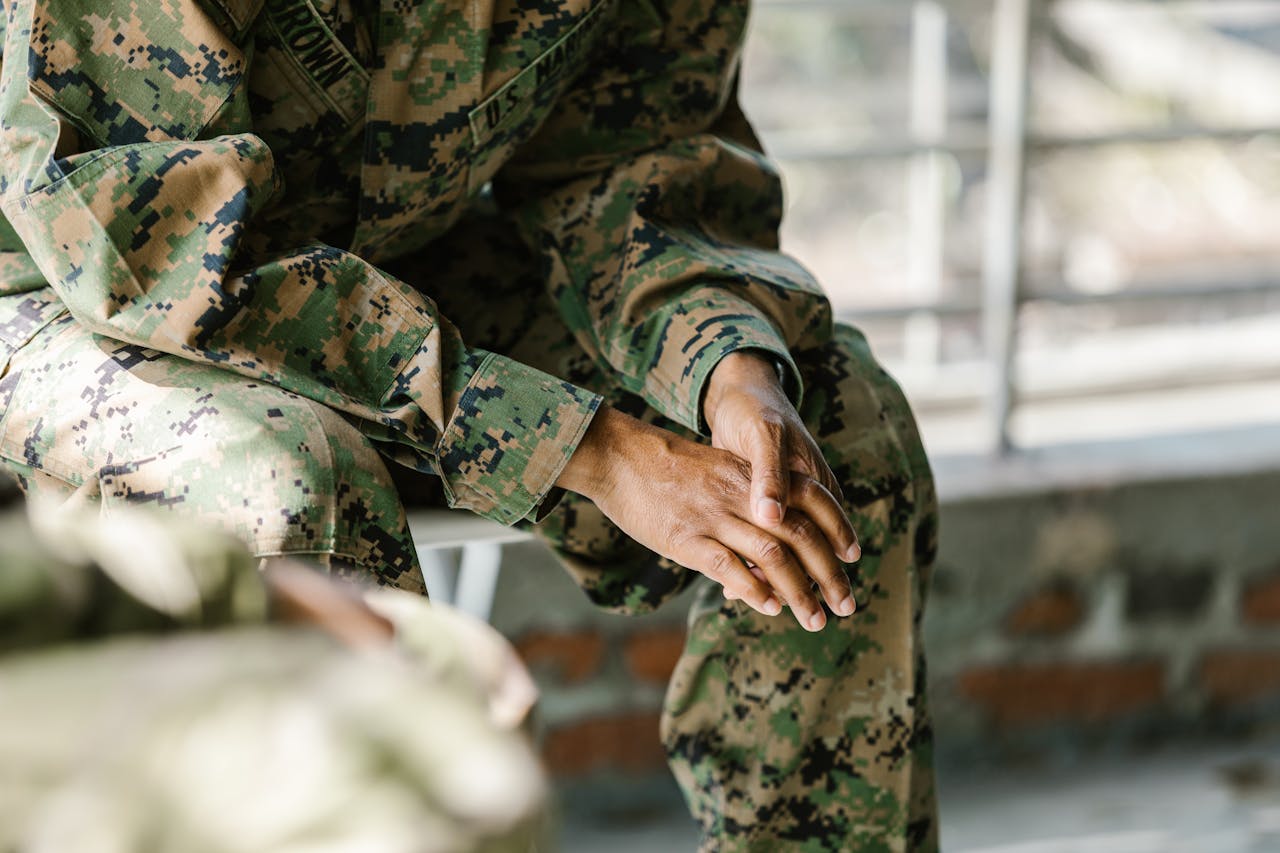
Camouflage prints read as fashion in many cities, but in several Caribbean countries the pattern is reserved for uniforms. Islands such as Barbados, Jamaica, and Saint Lucia restrict civilians from wearing camo to prevent confusion with soldiers or police. Officers can confiscate clothing and may impose fines, especially if someone appears to copy an official look. The rule reaches everything from shorts to hats sold in markets. A simple style choice suddenly touches questions of security, authority, and who is allowed to look official.
Bringing A Drone To Morocco
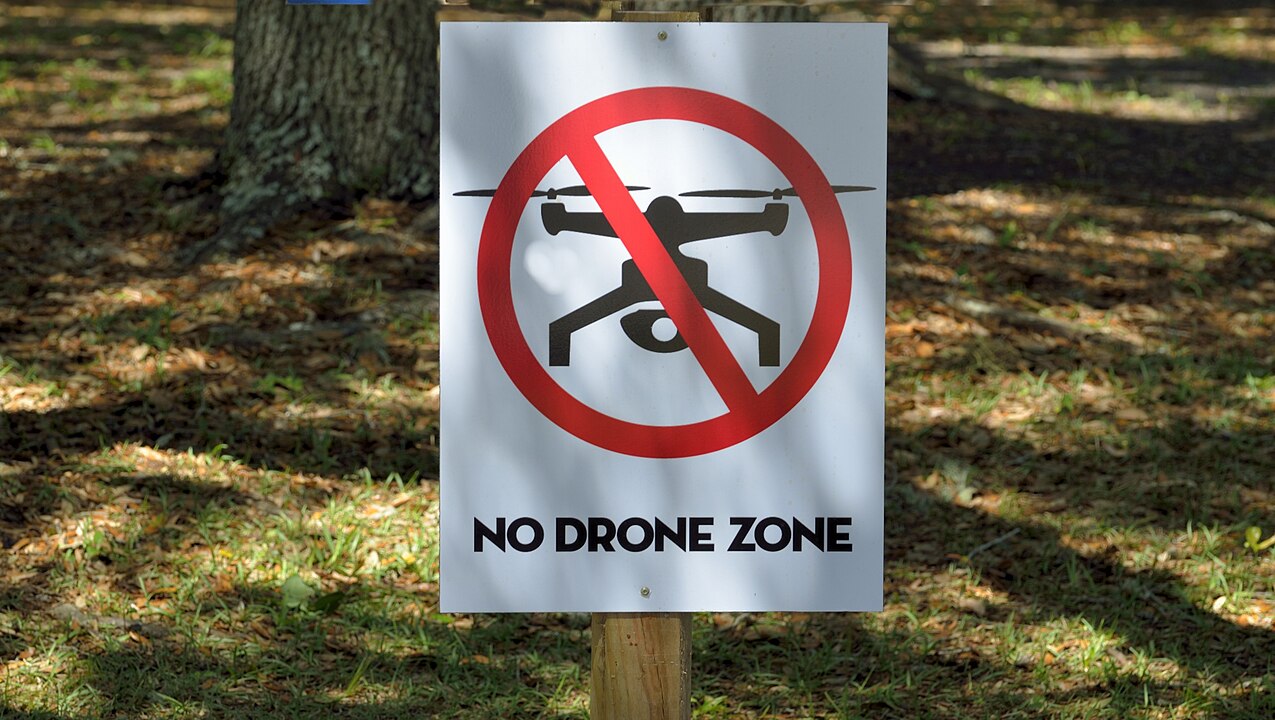
In Morocco, a compact hobby drone is not just another camera, it is a controlled object. Authorities sharply limit private drone imports and flights, citing security and privacy concerns. Customs officials often seize undeclared drones at airports, and getting a device back can be difficult or impossible. Professional use requires advance permits that involve multiple agencies and long lead times. For many visitors, plans for sweeping desert footage or rooftop city shots end at the inspection table, not on a mountain ridge.
Kinder Surprise Eggs In The United States
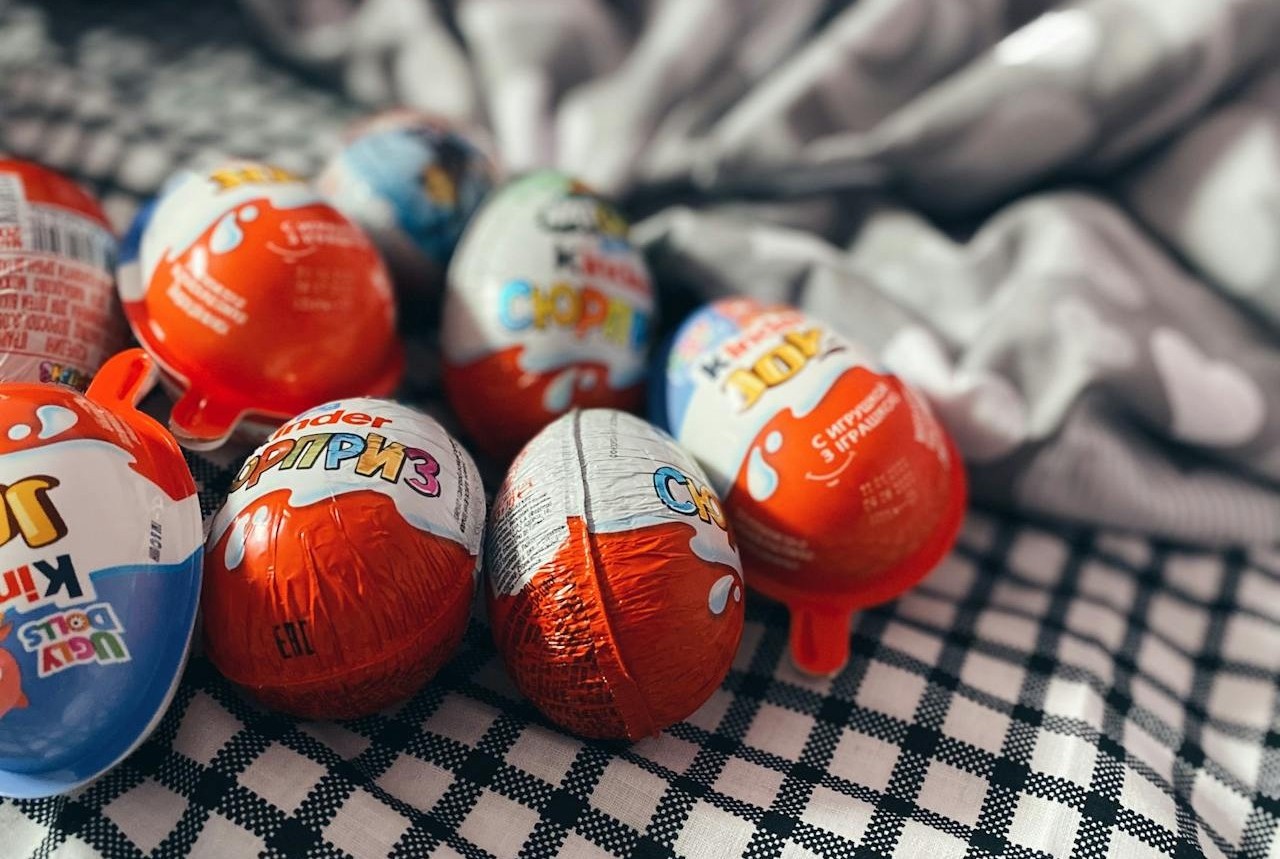
The classic Kinder Surprise egg is banned from import into the United States, even though similar treats are normal in many countries. American rules forbid food items that fully enclose non edible objects because of choking fears for young children. Customs officers have seized thousands of eggs at borders over the years and warn of hefty penalties per piece. A redesign called Kinder Joy, where chocolate and toy are separated, is allowed. The original hollow egg lives on mainly in stories from overseas trips.
High Heels At Ancient Sites In Greece
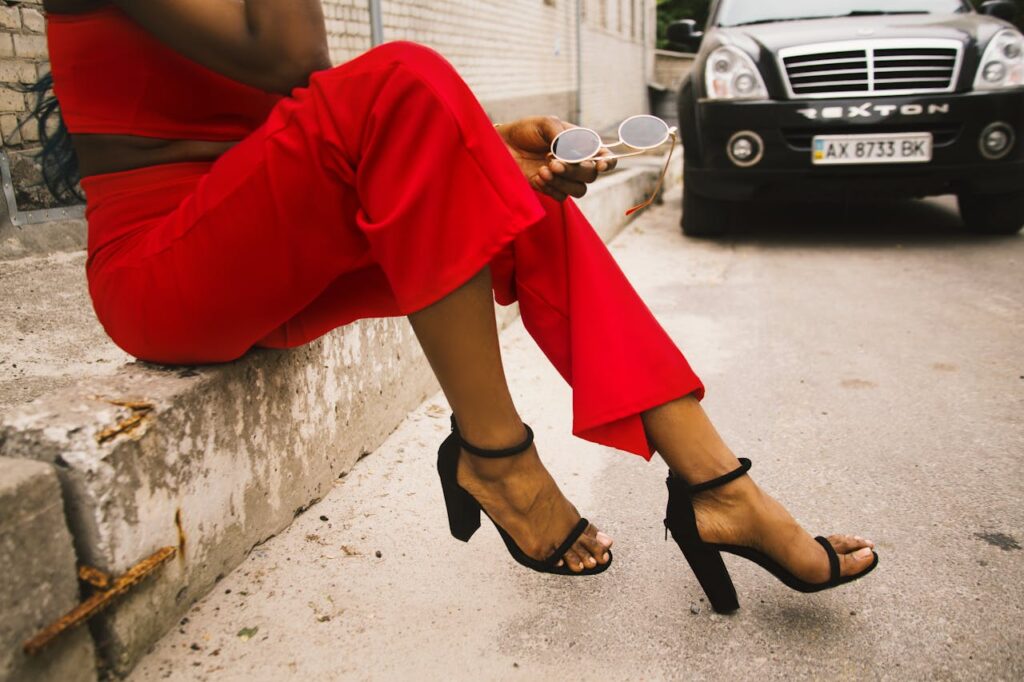
In Greece, stilettos are more than a bad choice for climbing steps, they are legally barred from certain ancient sites. The narrow heel concentrates body weight on a tiny point, which can chip or scratch fragile marble that has already survived centuries of wear. Heritage officials decided that preservation outweighs style near monuments such as the Acropolis. Signs now ask visitors to pick softer shoes, and guards may turn people away. A wardrobe detail becomes part of the quiet labor of protecting old stone.
Everyday Cold Medicine In Japan

Many common cold and allergy remedies sold in Western pharmacies clash with Japanese drug laws. Ingredients such as pseudoephedrine, codeine, or specific antihistamines fall under strict controls, even in doses that feel routine elsewhere. Travelers have reported seeing pills pulled from bags at customs and warned that unapproved imports could lead to penalties. The rules aim to limit misuse and keep tight oversight of stimulants and narcotics. A familiar box that once lived at the back of a bathroom cabinet becomes contraband abroad.
Creative Baby Names In Denmark

Denmark runs baby names through a filter that surprises many outsiders. Parents are encouraged to pick from an approved list meant to fit the language and avoid teasing or confusion. Unusual names require official review, and some dramatic or invented options have been rejected in the past. The system reflects a belief that a name belongs partly to the child and partly to a shared culture. A moment that often feels purely personal suddenly involves forms, opinions, and a quiet negotiation with the state.