Everyday objects usually feel harmless until they collide with another country’s rulebook. A packet of gum, a nursery gadget, or a favorite sunscreen can suddenly mean fines, confiscation, or an awkward stop at customs. Many of these limits grew from crowded streets, fragile reefs, or past accidents, even if they look eccentric from afar. Taken together, they turn a simple shopping basket into a quiet map of what different places choose to regulate, protect, and quietly discourage. Small items carry surprisingly long stories.
Chewing Gum In Singapore
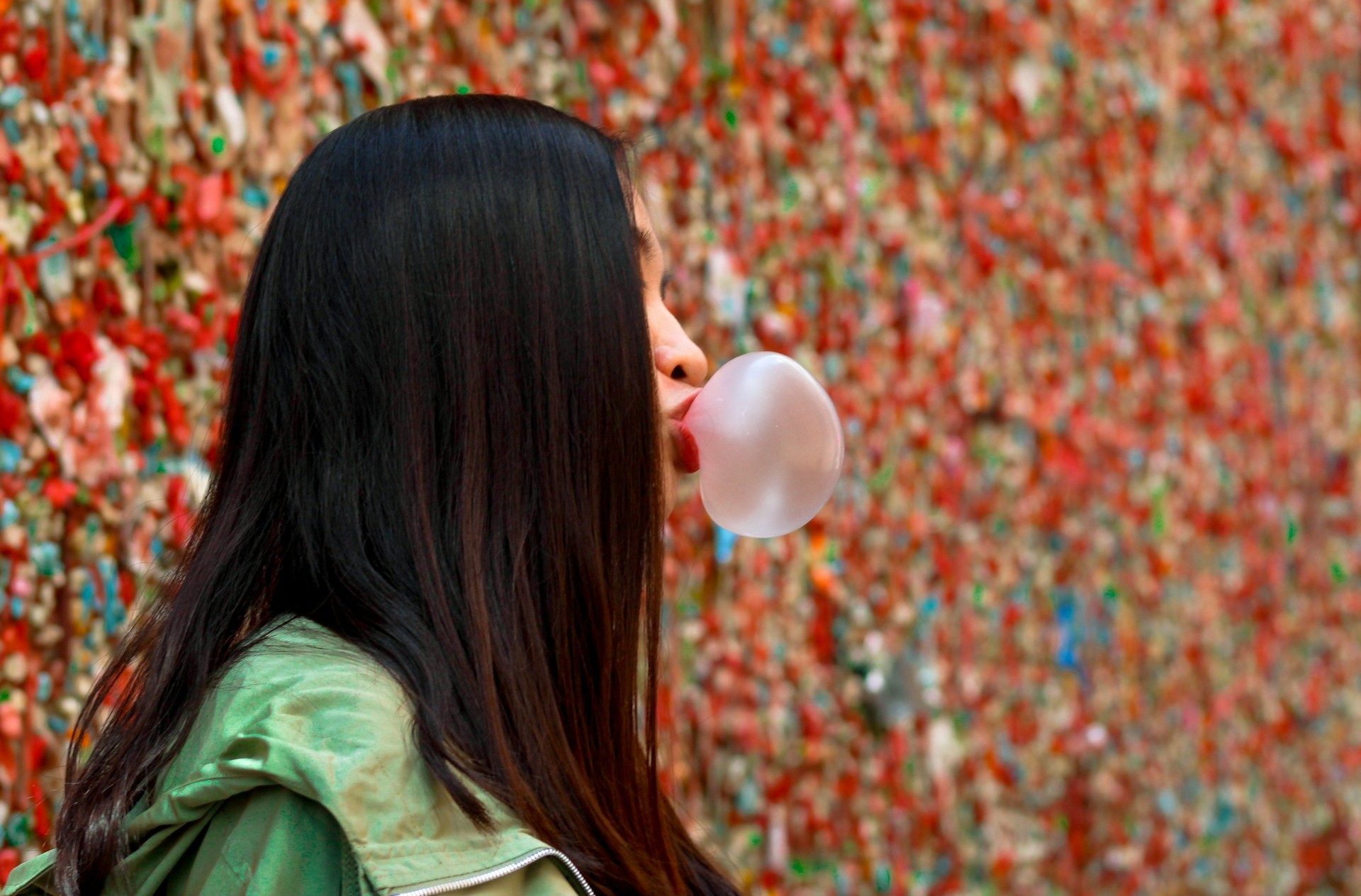
In Singapore, chewing gum stopped being a trivial habit once it started jamming train doors and sticking to public fixtures. The government responded by outlawing most sales and imports, keeping only medical and dental gums under strict control. The streets and transit systems did become cleaner, but at the cost of turning a pocket snack into contraband. For visitors and residents alike, the absence of stray gum stains says a lot about how seriously the city treats order.
Baby Walkers In Canada
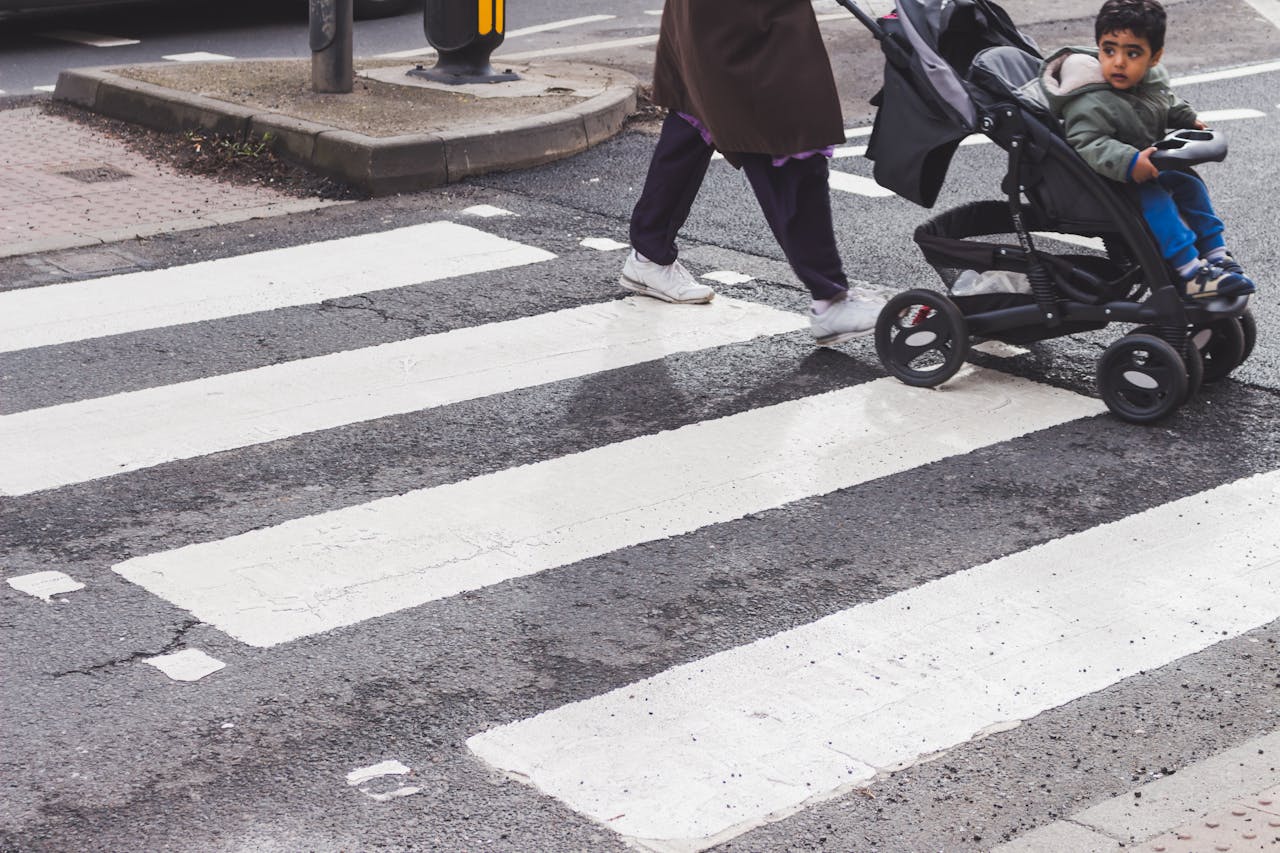
Canada treats baby walkers not as cute training tools but as dangerous equipment with a long record of falls and head injuries. After decades of warnings, the federal government banned their sale, import, and advertisement, including secondhand versions passed between families. Parents can be fined simply for trying to sell an old walker at a yard sale. Safer alternatives and open floor time have quietly replaced the devices, reshaping what early mobility looks like in many Canadian homes.
Plastic Shopping Bags In Kenya
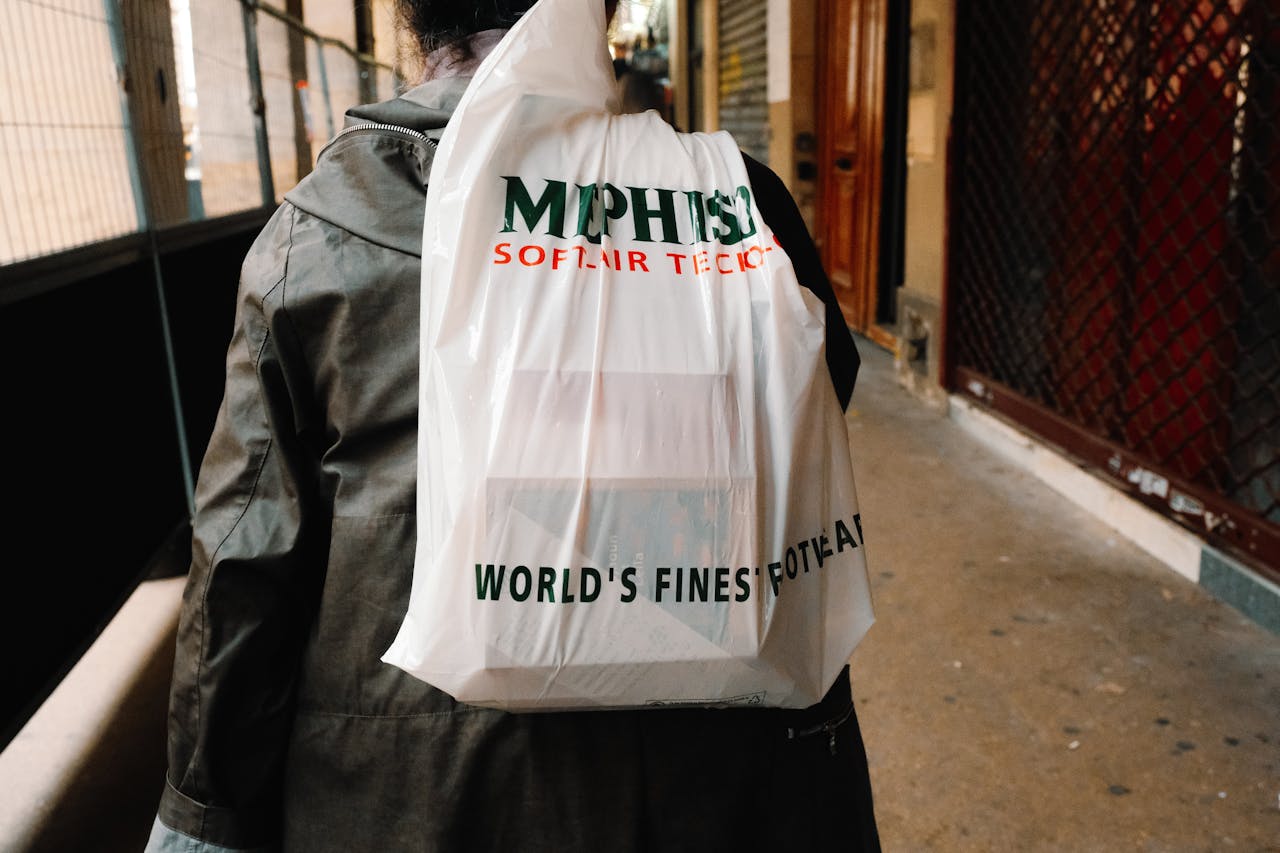
Kenya’s thin plastic shopping bags once clung to fences, trees, and riverbanks across cities and rural roads. In 2017, the country introduced one of the world’s toughest bans on their manufacture, sale, and use, backed by steep fines and possible jail time for repeat offenders. Markets shifted toward woven baskets, sturdy totes, and reusable sacks almost overnight. Walking through many neighborhoods now, the change shows up first in cleaner ditches and fewer scraps caught on the wind.
Vaping Devices In Thailand

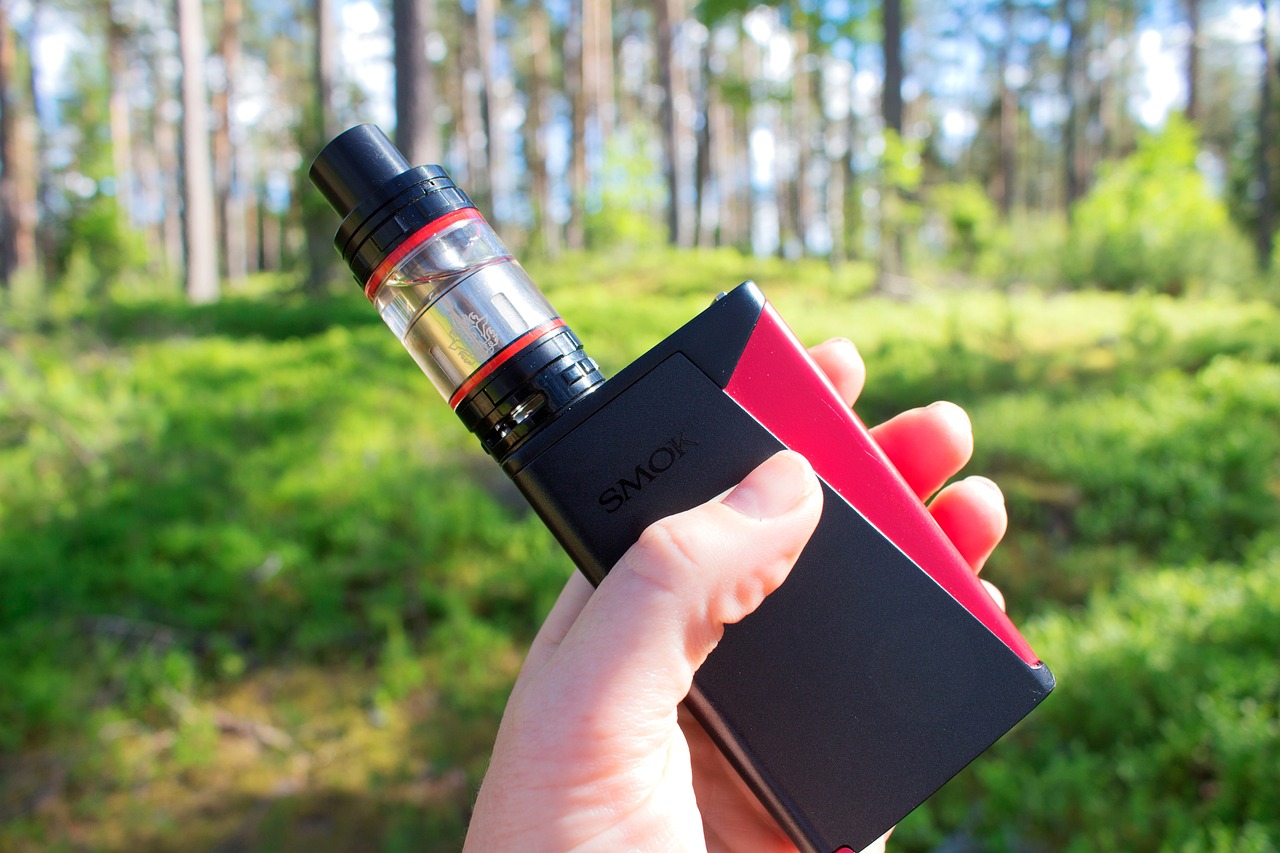
In Thailand, vaping devices sit firmly on the wrong side of the law, even as cigarettes remain widely available. Importing, selling, or simply possessing e cigarettes can lead to confiscation, substantial fines, or detention, and local police have enforced the rule on travelers as well as residents. The government frames the stance as a public health measure and a way to avoid youth uptake. For many visitors, the strict response comes as a surprise at airport security.
Chemical Sunscreens In Hawaii
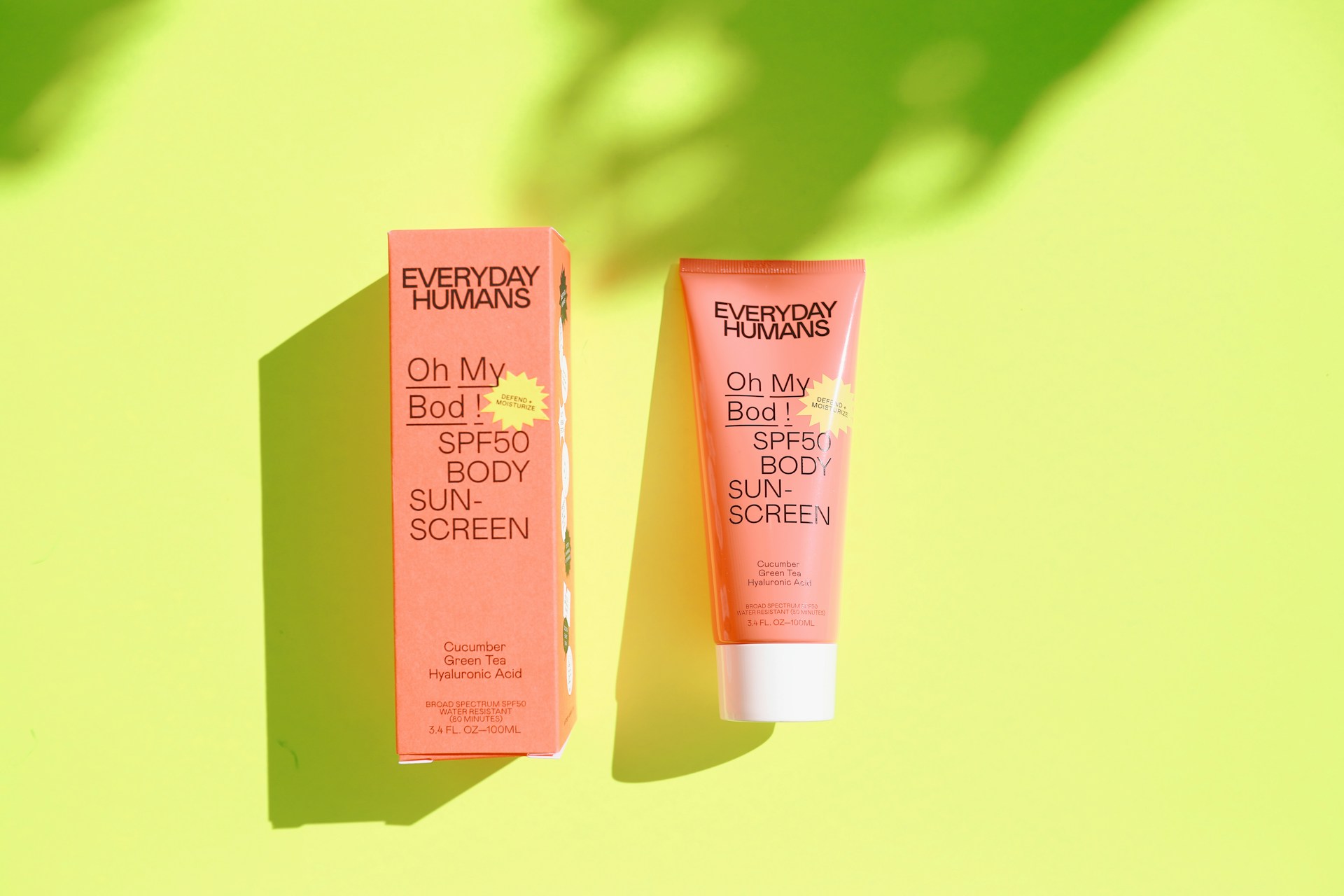
Hawaii’s sunscreen rules grew from concern about coral reefs, not fashion. Studies linked common ingredients like oxybenzone and octinoxate to coral bleaching and damage to young marine life, especially in crowded bays. The state responded by banning over the counter sale of products containing those chemicals and nudging stores toward mineral formulas instead. Beach bags still hold sunscreen, but bottles now carry labels that reflect both skin safety and the fragile reefs just offshore.
Kinder Surprise Eggs In The United States
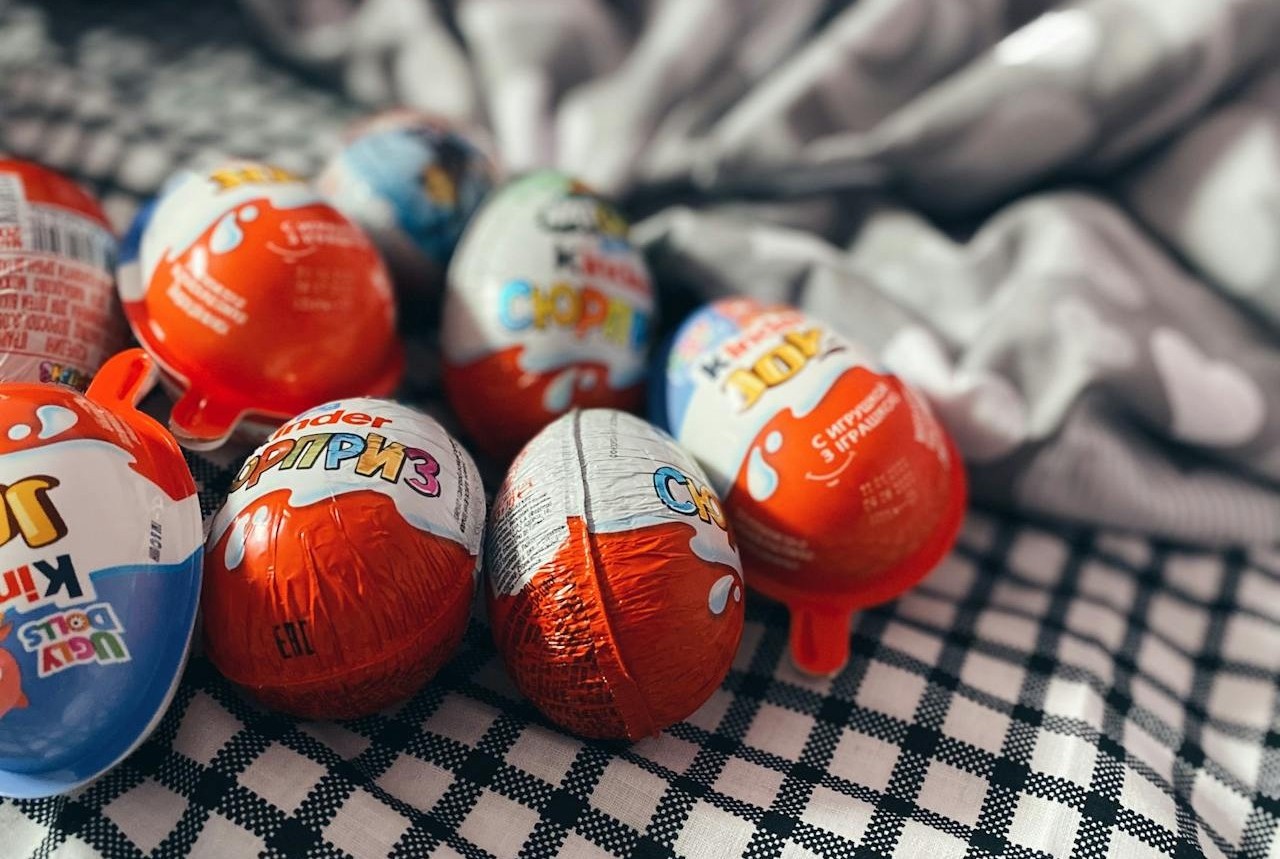
Kinder Surprise eggs look harmless in many grocery aisles, yet the classic version remains banned in the United States. A long standing federal rule prohibits embedding non edible objects inside food, and the plastic toy capsule tucked in each chocolate shell violates that standard. Customs officers occasionally seize eggs from travelers who packed them as gifts. The allowed Kinder Joy version splits toy and chocolate into separate halves, a small redesign driven entirely by regulation.
Poppy Seeds In Parts Of The Middle East And Asia
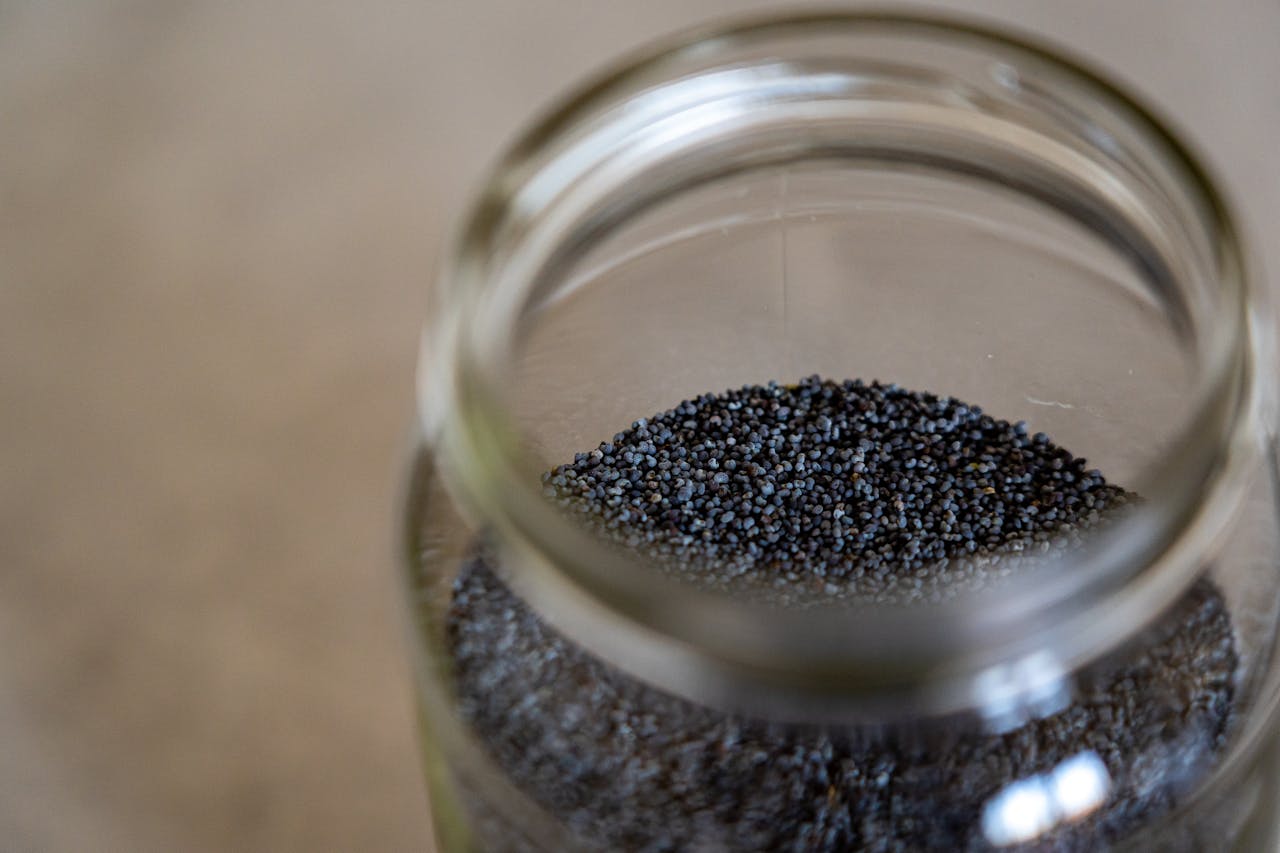
Poppy seeds sprinkle quietly across breads and pastries in much of the world, but in some countries they are treated with suspicion. Nations such as Singapore, Saudi Arabia, and the UAE restrict or ban them outright because of trace opiate content and fear of illicit cultivation. Travelers have faced serious questioning over spice mixes that contain even small amounts. Bakers in those regions often lean on sesame, nigella, or other seeds to provide the same nutty crunch.
Alcohol Mouthwash In Saudi Arabia
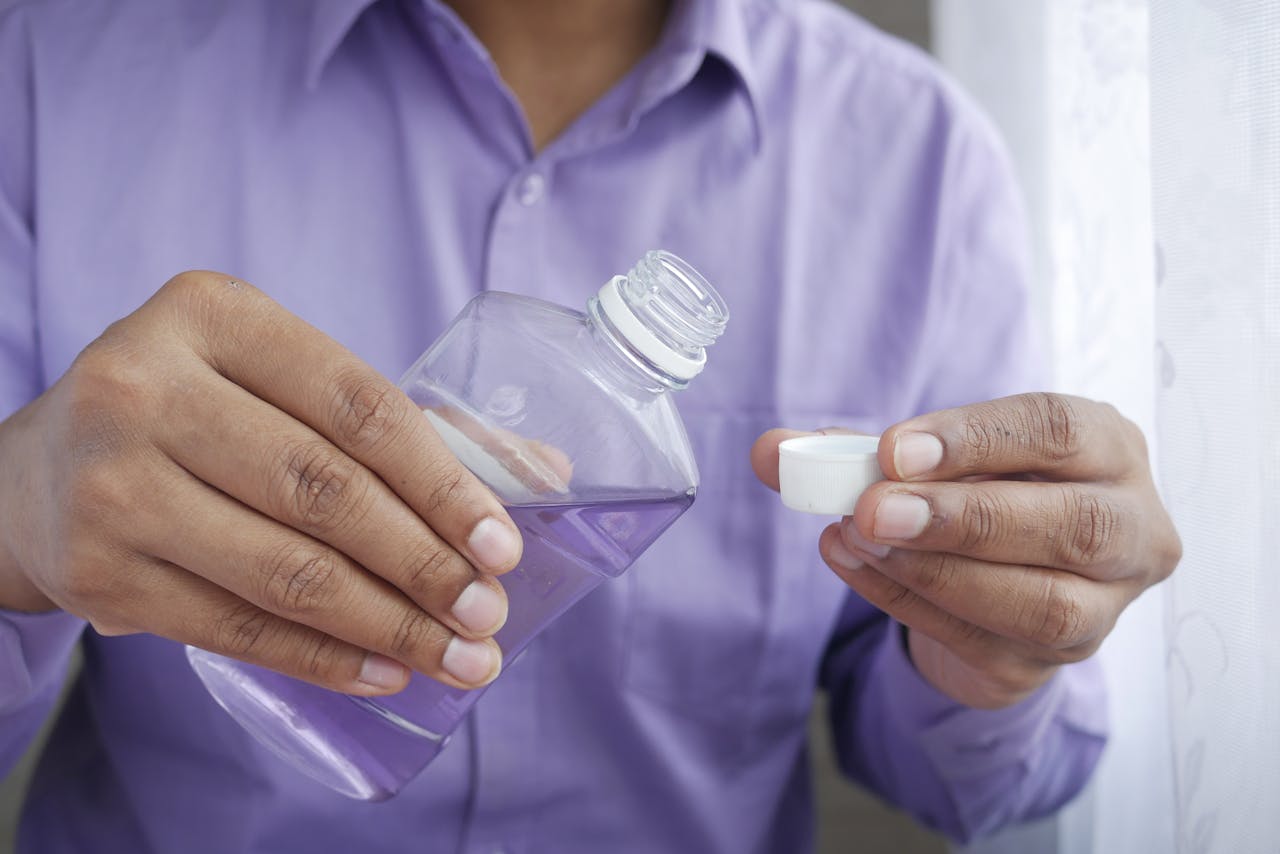
Saudi Arabia’s approach to alcohol extends beyond drinks to everyday toiletries. Once alcohol free formulas became common, authorities moved to block mouthwashes and similar products that still relied on alcohol as an ingredient. Shelves in pharmacies now favor fluoride, herbal blends, and essential oils in their place. For consumers, fresh breath remains easy to find, but the experience of swishing a strong, alcohol based rinse belongs firmly to memories and older travel stories.
Incandescent Light Bulbs In Many Countries
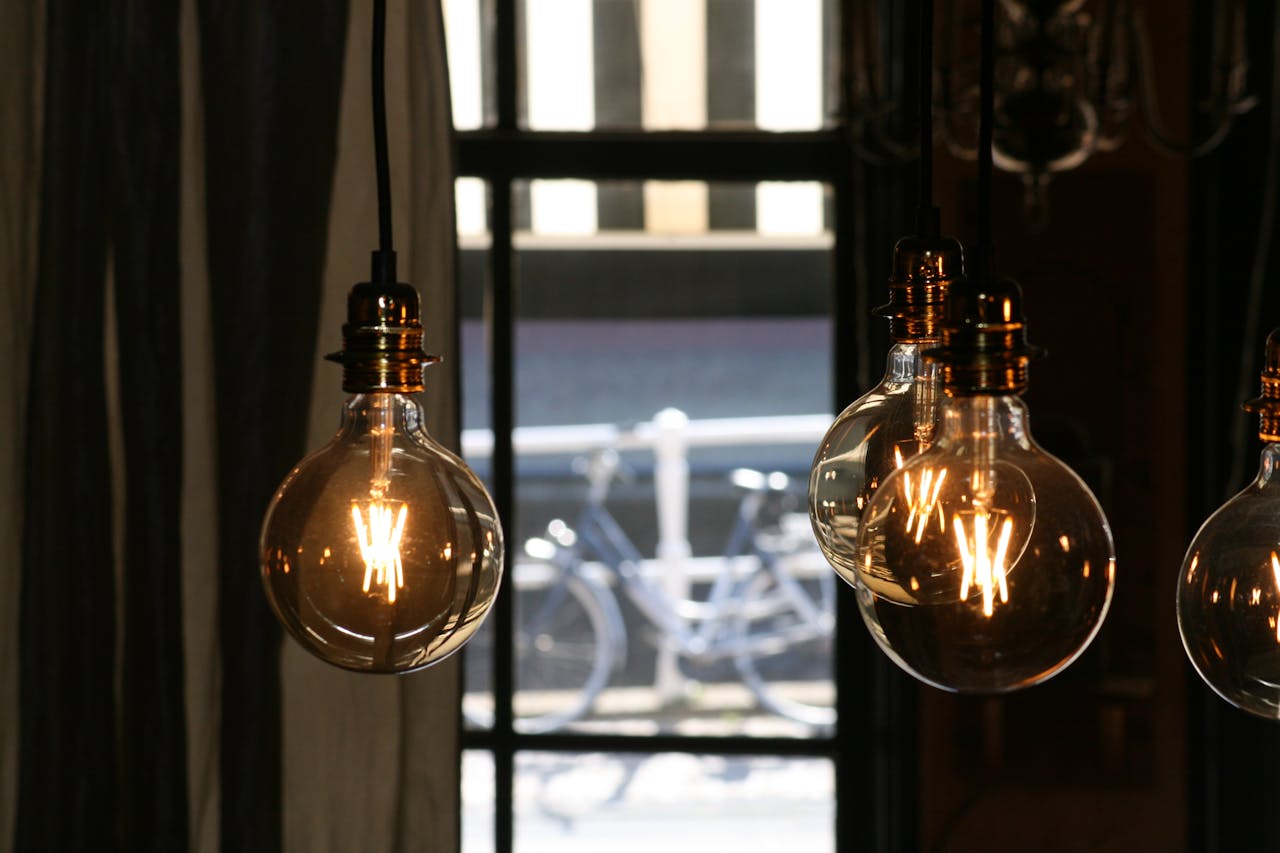
The classic incandescent light bulb once sat in every utility drawer, yet in many regions it has been quietly regulated out of circulation. Starting in the late 2000s, governments from the European Union to Australia and parts of Latin America set efficiency standards that old bulbs could not meet. Rules typically target manufacturing and import rather than ownership, but store shelves shifted to LEDs and other options. Living rooms still glow, only with far less wasted energy.
Raw Milk Sales In Strictly Regulated Markets
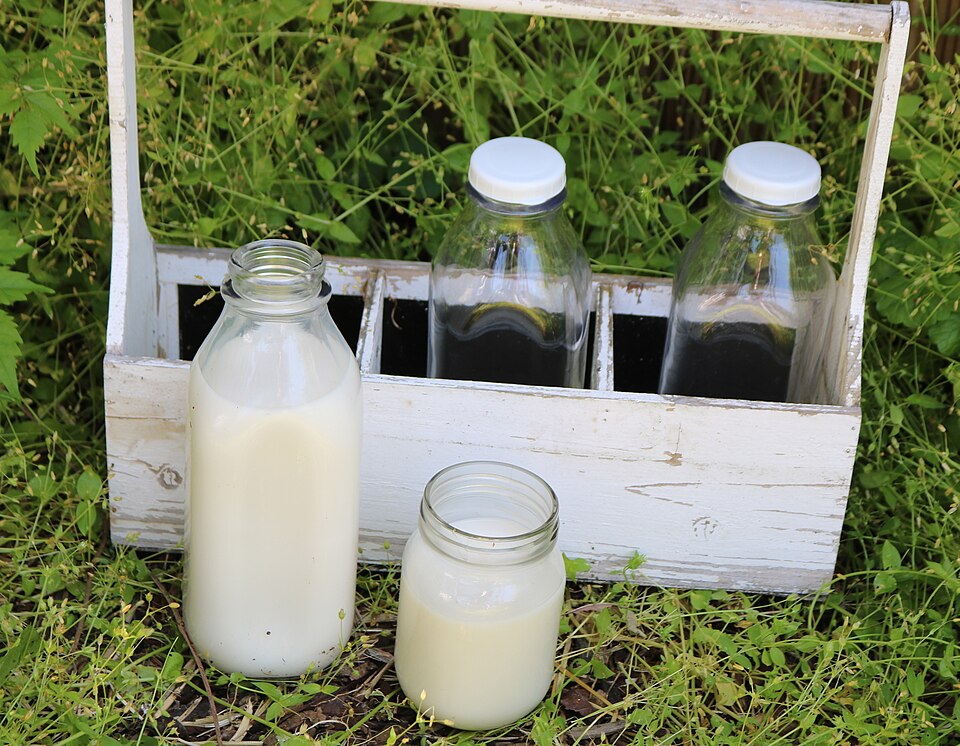
Raw milk carries a nostalgic image of farm kitchens and metal pails, but public health agencies point to a different story in hospital records. Many countries, and several U.S. states, restrict or ban retail sales because of repeated outbreaks tied to pathogens like E. coli and Salmonella. Some allow limited farm gate sales under strict labeling, while others bar consumer sales entirely. Debates over choice, tradition, and risk continue around this very old everyday drink.